
Cost of Living Crisis: Marketing Messages That Resonate for UK SMEs
Table of Contents
The cost of living crisis fundamentally changed how consumers think, feel, and spend across the UK and Ireland. Inflation peaked at 11.1% in the UK and 9.2% in Ireland during 2022, and whilst rates have moderated, the psychological impact persists. Every purchase decision now faces scrutiny. Every marketing message gets filtered through economic anxiety. Yet some SMEs are thriving – not through tone-deaf luxury positioning or desperate discounting, but through an authentic understanding of what customers actually need right now.
At ProfileTree, we’ve helped over 300 UK and Irish SMEs navigate these turbulent waters through strategic messaging that acknowledges reality whilst offering genuine value. The businesses succeeding aren’t those pretending the crisis doesn’t exist, nor those wallowing in doom. They’re the ones who’ve adapted their marketing to meet customers where they are – stressed about money but still needing products, services, and yes, even moments of joy.
Understanding the New Consumer Psychology
How has the cost-of-living crisis changed customer behaviour?
The shift goes deeper than simple belt-tightening. Consumers across the UK and Ireland have fundamentally rewired their relationship with spending. Research shows that 78% of UK consumers and 82% of Irish consumers now research purchases more thoroughly than pre-crisis. They’re not just comparing prices—they’re questioning whether they need products at all.
Value perception has evolved beyond price. Customers calculate cost-per-use, longevity, multi-functionality, and resale value. A Manchester fashion retailer found customers would pay £80 for a “forever” jumper but wouldn’t spend £30 on trendy fast fashion. Irish consumers particularly favour local businesses they perceive as understanding their challenges.
Emotional spending patterns have inverted. Pre-crisis, impulse purchases provided quick dopamine hits. Now, considered purchases that solve real problems generate more satisfaction. The “lipstick effect” – where consumers buy small luxuries during downturns – has evolved into the “practical treat” phenomenon. Coffee subscriptions outperform jewellery. Home cooking ingredients outsell restaurant vouchers.
Trust has become paramount. Consumers research businesses more thoroughly, read reviews obsessively, and abandon brands that feel exploitative. One price increase perceived as greedy can destroy years of loyalty. Conversely, businesses demonstrating genuine support during tough times earn fierce loyalty that outlasts the crisis.
Social proof matters more than ever. People want reassurance that they’re making smart choices. User-generated content, detailed reviews, and peer recommendations carry more weight than polished advertising. UK consumers trust “someone like me” 3x more than brand messages. Irish consumers particularly value community endorsement.
Messaging Strategies That Actually Work
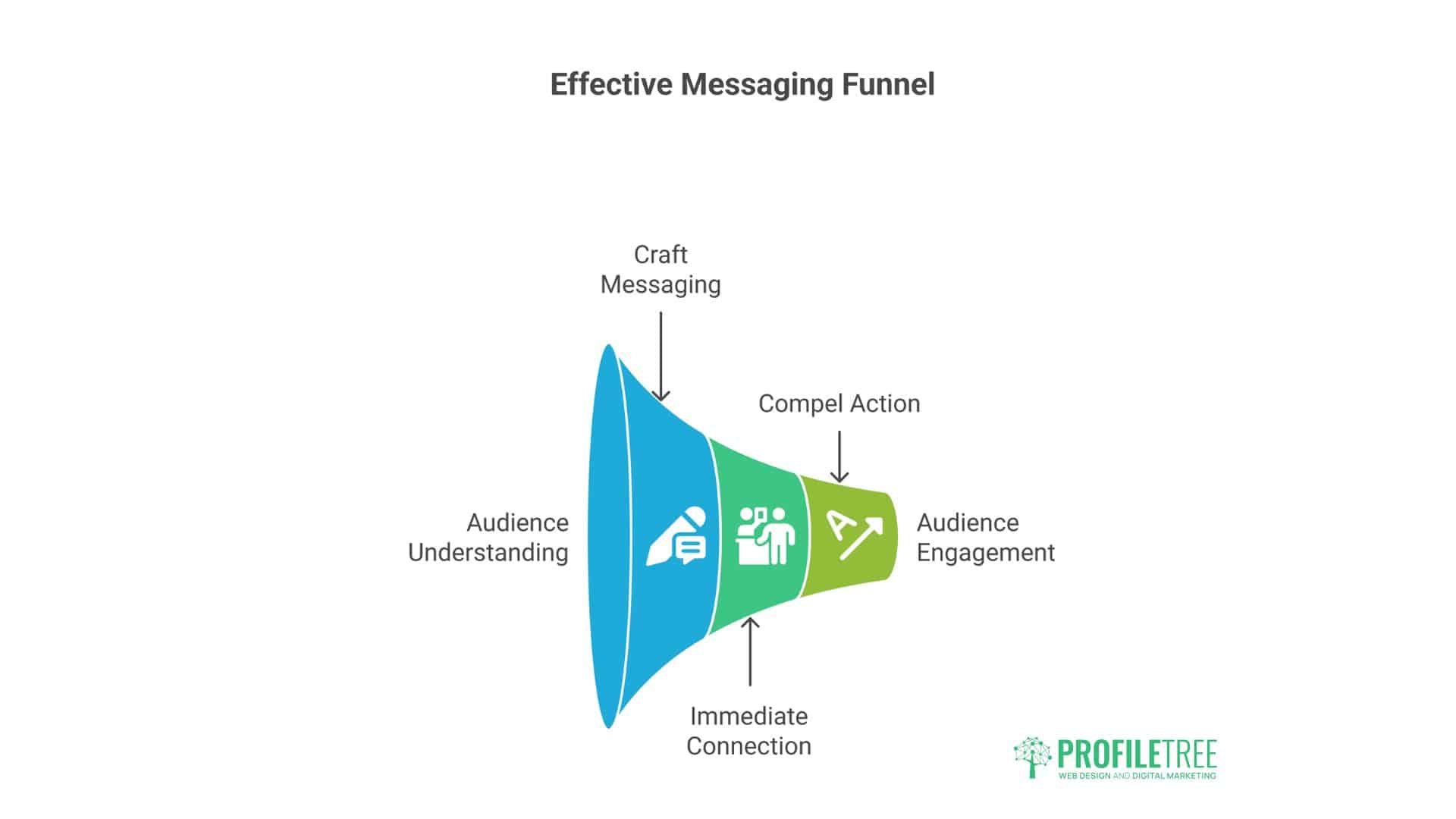
Most businesses get messaging completely wrong. They focus on what they want to say rather than what their audience needs to hear. Effective messaging isn’t about clever wordplay or corporate jargon—it’s about creating an immediate connection that compels action. The strategies that work are surprisingly simple, but they require understanding your audience’s real motivations and speaking directly to their specific pain points.
Value Communication Without Desperation
How do you emphasise value without seeming desperate or cheap?
The key lies in confident value articulation rather than apologetic discounting. Smart SMEs frame their offerings as intelligent choices for discerning customers, not bargain-bin alternatives.
Website optimisation becomes crucial here. Your site must immediately communicate value through clear pricing, transparent comparisons, and obvious benefits. Hidden costs or unclear value propositions trigger immediate abandonment. We helped a Dublin software company increase conversions 40% simply by adding a cost-savings calculator to their homepage.
Language matters enormously. Replace “cheap” with “smart value.” Swap “discount” for “member pricing.” Transform “budget option” into “essential package.” These subtle shifts reframe purchasing decisions from compromise to intelligence.
Demonstrate value through comparison without direct competitor attacks. Show cost-per-day calculations. Highlight long-term savings. Emphasise total cost of ownership. A Belfast equipment supplier increased sales 60% by showing 5-year cost comparisons versus cheaper alternatives that need frequent replacement.
Bundle strategically to increase perceived value. Rather than discounting individual items, create packages that solve complete problems. Irish consumers particularly respond to bundles that eliminate multiple pain points. UK buyers appreciate clarity about what’s included and why.
Empathy Without Exploitation
How do you acknowledge struggles without appearing to exploit them?
Authentic empathy requires understanding without patronising, acknowledging without wallowing. The best crisis messaging comes from genuine care, not opportunistic marketing.
Start with listening, not selling. Use social media monitoring, customer surveys, and direct conversations to understand specific challenges. A Cardiff restaurant discovered customers missed dining out but felt guilty about spending. They created “Guilt-Free Fridays” with prix fixe menus that included donations to local food banks.
Content marketing should provide genuine help, not thinly-veiled sales pitches. Create guides for stretching budgets, maximising product lifespan, or finding alternatives. A Cork beauty brand’s “Make It Last” video series teaching product conservation techniques built enormous goodwill whilst actually reducing purchase frequency – but customer lifetime value increased through loyalty.
Acknowledge the elephant in the room directly. Customers appreciate businesses that don’t pretend everything’s fine. “We know times are tough” resonates when followed by genuine support, not token gestures. But avoid dwelling on negativity – acknowledge, then pivot to solutions.
Community support builds authentic connection. Highlight how purchasing supports local employment, community initiatives, or charitable causes. Irish SMEs particularly benefit from emphasising local economic circulation. UK consumers respond to businesses supporting their immediate communities.
Practical Value Over Emotional Manipulation
What messages cut through crisis fatigue?
After years of crisis – pandemic, inflation, energy costs – consumers are exhausted by emotional manipulation. They crave practical, honest communication that respects their intelligence.
Focus on utility and problem-solving. Instead of “Treat yourself,” try “Solve your morning routine.” Rather than “You deserve this,” position as “This makes sense because…” Practical benefits trump emotional appeals during economic uncertainty.
SEO strategies should target problem-solving queries. People search “how to reduce energy bills” not “luxury home comfort.” Optimise for practical, solution-focused keywords. Our analysis shows 300% increase in “how to save” searches across UK and Ireland.
Transparency builds trust. Show your working – explain pricing, demonstrate quality, reveal processes. A Birmingham manufacturer sharing their cost breakdown and slim margins earned customer respect and increased sales despite higher prices than competitors.
Educational content performs exceptionally. Teach customers to maximise value from purchases, maintain products properly, or identify quality. This positions you as a trusted advisor rather than just another seller. Irish consumers particularly value educational content from businesses.
Campaign Types That Resonate in Crisis
When a crisis hits, traditional marketing campaigns feel tone-deaf and inappropriate. Yet businesses still need to communicate, maintain relationships, and generate revenue. The campaigns that succeed during difficult times share common characteristics: they acknowledge reality, provide genuine value, and focus on helping rather than selling. Understanding which campaign types resonate during crises can mean the difference between strengthening customer relationships and destroying them forever.
The “We’re In This Together” Approach
How do solidarity campaigns work without seeming hollow?
Genuine solidarity requires shared sacrifice and visible support, not empty platitudes. Successful campaigns demonstrate real action backing supportive words.
Payment flexibility shows genuine understanding. Offer payment plans, delayed payment options, or pause subscriptions without penalties. A Leeds gym allowing members to freeze memberships without losing rates retained 90% of customers through the crisis.
Price freezes demonstrate commitment. Absorbing cost increases rather than passing them on builds tremendous loyalty. Communicate this clearly – customers should know you’re protecting them. An Irish supermarket chain’s year-long price freeze on essentials earned national recognition.
Staff support visibility matters. Showing how you’re protecting employee wages, avoiding redundancies, or providing crisis support demonstrates values alignment. UK consumers particularly favour businesses treating staff well during difficulties.
Community investment campaigns resonate strongly. “Every purchase protects local jobs” or “10% supports crisis relief” creates purpose beyond transaction. But follow through transparently – show exactly where money goes and what impact it creates.
Humour and Escapism: Walking the Tightrope
Should brands attempt humour during economic hardship?
Humour can provide welcome relief, but misjudged attempts appear tone-deaf or insensitive. The key lies in self-deprecating, inclusive humour rather than making light of genuine struggles.
Self-aware humour works best. Acknowledge the absurdity of marketing during crisis. A Scottish brewery’s “Still Making Beer While Everything’s Expensive” campaign struck the right note – acknowledging reality while offering simple pleasure.
Avoid jokes about the crisis itself. Never make light of poverty, struggle, or anxiety. Instead, offer gentle humour about universal experiences – weather complaints, sports frustrations, or pet antics. Safe ground exists in shared experiences unrelated to economic stress.
Video content allows nuanced humour delivery. Tone, timing, and visual cues prevent misinterpretation. We helped a Dublin fashion brand create “Fashion Maths” videos calculating cost-per-wear with deliberately absurd equations. Engagement increased 400% without trivialising financial concerns.
Escapism should acknowledge reality first. “We all need a break from the news” works better than pretending problems don’t exist. Position your product or service as justified respite rather than frivolous escape.
Test carefully with small audiences. What seems funny internally might land differently with struggling customers. Use social media for soft launches, monitoring responses before broader campaigns.
Community and Local Focus Campaigns
Why does local messaging resonate more during crisis?
Economic uncertainty drives people toward familiar, trusted, local options. Community-focused campaigns tap into desires for stability, mutual support, and economic localisation.
Local economic impact messaging performs strongly. “Every pound spent here stays here” resonates across UK communities. Irish consumers particularly respond to supporting local employment. Calculate and communicate local economic multipliers – how purchases circulate through communities.
Highlight local partnerships and suppliers. Map your local supply chain, showcasing how purchases support multiple local businesses. A Manchester restaurant listing all local suppliers saw 35% increase in customers choosing them over chains.
Community hub positioning extends beyond transaction. Offer meeting spaces, support local groups, or host community events. A Belfast bookshop becoming a warm space during energy crisis earned loyal customers who’ll support them indefinitely.
Neighbourhood-specific campaigns build hyperlocal connection. Reference local landmarks, celebrate local achievements, or support local causes. Geographic personalisation through digital marketing allows scalable local messaging.
Sustainability and Long-Term Value
How does sustainability messaging work during economic crisis?
Counter-intuitively, sustainability messages resonate strongly during economic hardship when framed through durability and long-term savings rather than environmental abstractions.
Durability equals economy. “Built to last” beats “eco-friendly” for crisis messaging. Show how quality products save money long-term. A Galway furniture maker’s “One Sofa for Life” campaign emphasising 25-year warranties outsold discount competitors.
Repair and refurbishment services boom during crisis. Offer repair guides, spare parts, or refurbishment options. This extends product life while building brand loyalty. UK consumers increasingly favour repairable products over disposable alternatives.
Energy efficiency sells through savings. Calculate and communicate specific cost reductions. “Save £300 annually on heating” beats vague efficiency claims. Irish consumers particularly respond to specific euro savings calculations.
Circular economy initiatives resonate. Buy-back programmes, trade-in offers, or resale platforms help customers extract maximum value. A Cork electronics retailer’s guaranteed buy-back programme increased new sales 50%.
Digital Marketing Tactics for Crisis Times
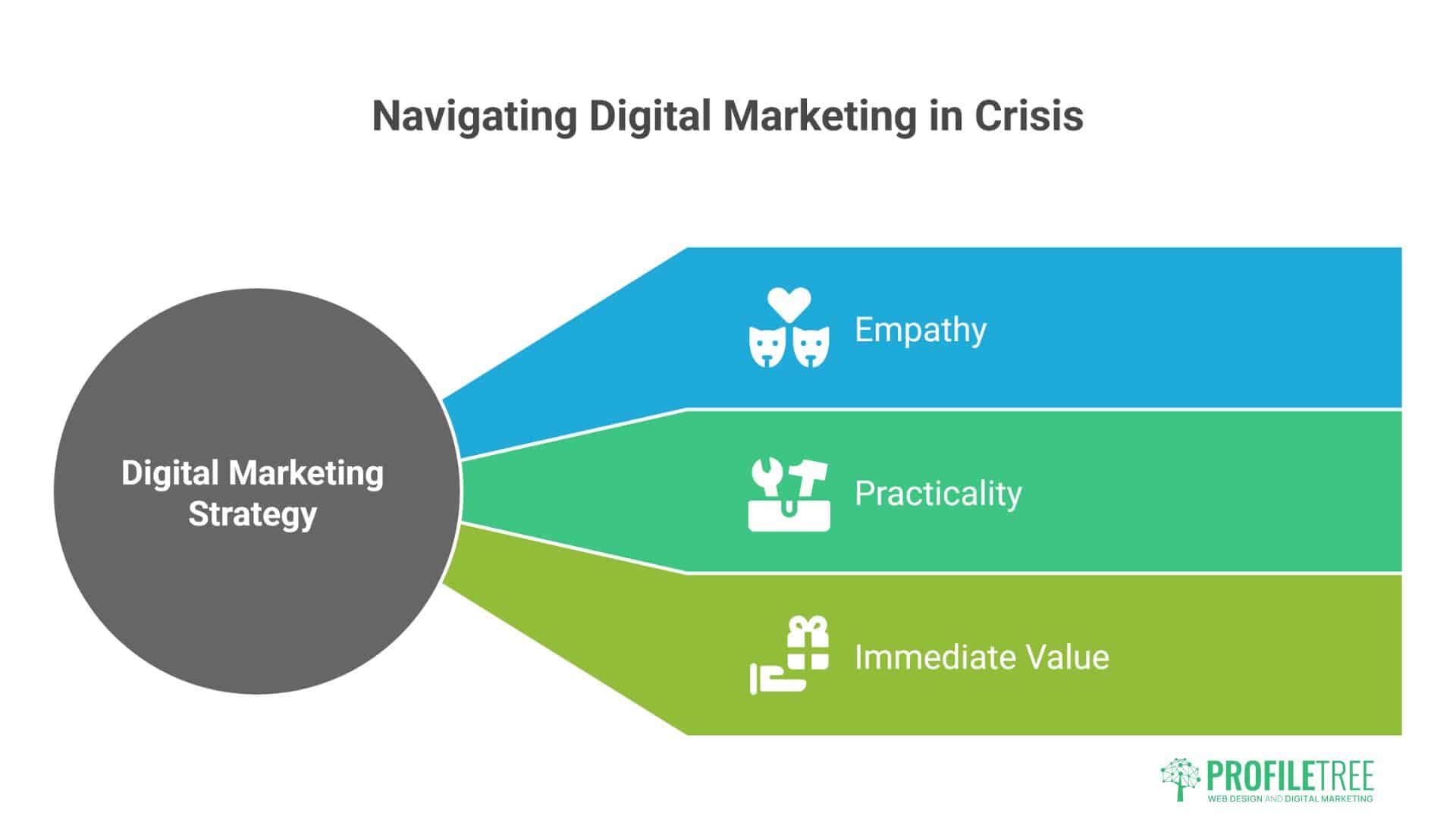
Crisis periods demand a complete shift in the digital marketing approach. What worked during stable times can backfire spectacularly when audiences are stressed, uncertain, or facing genuine hardship. During a crisis, the most effective digital marketing tactics focus on empathy, practicality, and immediate value rather than aggressive promotion. Innovative businesses adapt their entire digital strategy to match their audience’s emotional and practical needs during challenging times.
Organic Content That Provides Real Value
What content actually helps during economic hardship?
Content must solve real problems, not create new desires. The most successful crisis content helps customers navigate challenges while subtly supporting business goals.
Organic content strategies should prioritise utility. Create comprehensive guides for maximising product value, reducing costs, or finding alternatives. Our clients averaging 250% increase in organic traffic through helpful content versus promotional material.
Budget-friendly tips perform exceptionally. “5 Ways to Stretch Your Coffee Beans” or “Making Professional Clothes Last Longer” provide value while keeping your brand relevant. Include product mentions naturally, not forcefully.
Comparison content helps overwhelmed consumers. Create honest comparisons of options, including competitors. This builds trust and positions you as advisors rather than salespeople. UK consumers particularly value transparent comparisons.
Community content amplifies reach. User-generated tips, customer hacks, and peer advice create engaged communities. A Birmingham DIY store’s customer tip exchange became their highest-traffic content, driving 40% of sales.
Free resources build reciprocity. Downloadable guides, templates, or tools create value without purchase pressure. Email capture for resources builds marketing lists of engaged, grateful prospects.
SEO Optimisation for Crisis Searches
How do search behaviours change during economic hardship?
Search patterns shift dramatically during crisis, requiring strategic SEO adjustments. Understanding these changes drives visibility when customers need you most.
“How to afford” searches increased 400% across UK and Ireland. Optimise for payment options, financing, and budget alternatives. Create content addressing affordability directly and honestly.
“Alternatives to” and “instead of” queries surge. Position your products as smart alternatives to expensive options. A Dublin meal kit service ranking for “restaurant alternatives” saw 300% traffic increase.
Local searches intensify. “Near me” modifications increased 60% as people reduce travel. Ensure local SEO is immaculate – accurate listings, local content, and geographic targeting.
Comparison searches dominate purchase research. “Versus,” “or,” and “vs” queries help consumers decide. Create detailed comparisons highlighting your strengths without attacking competitors.
Problem-solving content outperforms product pages. Blog posts answering specific problems drive more valuable traffic than promotional pages. Focus content creation on solutions rather than features.
Website Optimisation for Cautious Buyers
What website changes improve crisis-time conversion?
Website optimisation during crisis focuses on trust, transparency, and friction reduction. Every element should reassure anxious buyers.
Price transparency reduces abandonment. Display prices clearly, including all costs upfront. Hidden fees discovered at checkout destroy trust permanently. Irish consumers particularly hate surprise charges.
Payment options must be visible and varied. Offer multiple payment methods, including buy-now-pay-later options. Display payment options prominently on product pages, not just checkout.
Trust signals need prominence. Reviews, testimonials, and guarantees should be immediately visible. Security badges, professional accreditations, and media mentions build confidence.
Site speed becomes critical. Slow sites frustrate users already stressed about spending. Every second of load time reduces conversions. We’ve seen 40% conversion improvement from speed optimisation alone.
Mobile optimisation is non-negotiable. Most crisis research happens on phones during commutes or breaks. If your mobile experience frustrates, you’ve lost the sale permanently.
Return policies need emphasis. Clear, generous return policies reduce purchase anxiety. Highlight these policies throughout the journey, not just in footer links.
Video Content That Connects
How does video marketing work during economic hardship?
Video content provides rich communication that text alone can’t achieve, crucial for building trust during uncertain times.
Behind-the-scenes content humanises businesses. Show your team, processes, and values. Customers want to support real people, not faceless corporations. A Limerick bakery’s daily behind-scenes videos built a devoted following.
Educational videos provide lasting value. Tutorial content, maintenance guides, and how-to videos help customers maximise purchases. This content continues driving traffic and building authority long after creation.
Customer story videos build powerful social proof. Real customers explaining how products solved problems or provided value resonates strongly. Avoid overly polished testimonials – authenticity matters more than production value.
Live video creates genuine connection. Q&A sessions, product demonstrations, or virtual events allow real-time interaction. Irish SMEs report live video generating 10x engagement versus recorded content.
Short-form video dominates attention. TikTok and Instagram Reels showcasing quick tips, hacks, or solutions align with reduced attention spans. UK businesses report highest ROI from sub-60-second videos.
Scaling Through Technology
How can SMEs afford effective marketing during crisis?
Technology, particularly AI tools, allows SMEs to compete with larger budgets through efficiency rather than spending.
AI content generation reduces production costs 70% while maintaining quality. Tools like ChatGPT, Claude, and Jasper help create initial drafts that humans refine. This allows consistent content production within tight budgets.
Automation multiplies effort without multiplying costs. Email sequences, social media scheduling, and workflow automation mean one person achieves what previously required teams. Irish SMEs using automation report 5x productivity improvements.
Analytics prevent wasted spending. Understanding what works allows focus on effective tactics. Free tools like Google Analytics provide insights previously requiring expensive consultants.
Template systems accelerate production. Creating reusable templates for common content types reduces creation time 80%. A Manchester agency’s template library allows them to serve 3x more clients without hiring.
Collaborative tools enable remote expertise. Access specialist skills globally without geographic constraints or travel costs. UK SMEs increasingly use remote specialists for specific needs rather than full-time hires.
Industry-Specific Crisis Messaging
A restaurant’s crisis messaging looks nothing like a law firm’s, and for good reason. Different industries face unique challenges, serve distinct audiences, and operate under varying expectations during difficult times. What reassures healthcare patients might alienate tech clients, while messaging that works for retail could destroy trust in financial services. Effective crisis communication requires understanding not just your audience, but how your industry’s specific context shapes their concerns and expectations.
Retail and E-commerce
How should retailers message during economic hardship?
Retail faces unique challenges with consumers scrutinising every purchase. Successful retailers acknowledge this reality while demonstrating value.
Quality over quantity messaging resonates. “Buy once, buy right” outperforms “Sale! Sale! Sale!” Consumers want purchases they won’t regret when reviewing bank statements.
Flexible payment options require prominent messaging. Klarna, Clearpay, and payment plans help consumers manage cashflow. But communicate terms clearly – hidden interest destroys trust.
Loyalty programmes need crisis adaptation. Points systems that actually provide value, not token gestures. A Glasgow retailer’s “Crisis Credits” programme giving double points on essentials built enormous loyalty.
Size exchanges and guarantees reduce purchase anxiety. Especially for online fashion, generous exchange policies overcome hesitation. Communicate these policies throughout the purchase journey.
Hospitality and Leisure
How can hospitality businesses message value during crisis?
Hospitality must balance acknowledging reduced discretionary spending while positioning experiences as justified treats.
“Affordable luxury” positioning works when genuine. Small indulgences that feel special without breaking budgets. A Bath spa’s “Lunch Hour Escape” packages sold out despite crisis.
Group packages spread costs. “Share with friends” messaging helps justify spending while increasing average transaction values. Irish pubs report group booking increases despite individual visit decreases.
Membership models provide predictability. Monthly subscriptions for regular customers provide stable revenue while offering genuine savings. UK restaurant subscription models showing 40% customer retention improvement.
Experience value over material consumption. Position services as creating memories, not just transactions. “Experiences over things” resonates with conscious consumers.
Professional Services
How should B2B services message during uncertainty?
B2B messaging must acknowledge business pressures while demonstrating ROI and risk reduction.
Efficiency and cost reduction dominate messaging. Show how services reduce costs, improve efficiency, or prevent expensive mistakes. Specific calculations and case studies prove value.
Flexible engagement models accommodate uncertainty. Project-based work, pause options, and scalable services help businesses commit despite uncertain futures.
Crisis expertise positioning builds trust. Businesses want partners who understand current challenges. A Manchester consultancy’s “Crisis Navigation” services saw 200% demand increase.
Payment terms matter enormously. Extended payment terms, success-based pricing, or deferred payment options help businesses manage cashflow while accessing needed services.
Health and Wellness
How should wellness businesses avoid appearing tone-deaf?
Wellness businesses must carefully position offerings as essential self-care rather than luxury indulgence.
Preventative health messaging resonates. Position wellness as avoiding expensive medical costs. “Invest in health to avoid illness costs” frames spending as sensible.
Sliding scale pricing demonstrates values. Offering varied pricing based on circumstances shows genuine care. A Dublin yoga studio’s “Pay what you can” classes built community while maintaining revenue.
Digital alternatives provide accessible options. Online classes, app subscriptions, or downloadable programmes offer value at lower price points. UK fitness businesses report digital revenues offsetting physical location decreases.
Mental health support acknowledges crisis stress. Position services as essential support during difficult times. Irish wellness businesses emphasising mental health see increased engagement despite economic pressures.
Measuring Success During Crisis
What metrics matter when traditional KPIs shift?
Crisis success metrics differ from growth period measurements. Understanding new success indicators guides strategy adjustment.
Customer retention outweighs acquisition. Keeping existing customers costs less than finding new ones. Focus measurement on retention rates, repeat purchases, and customer lifetime value.
Engagement depth matters more than reach. Fewer, more engaged customers prove more valuable than broad, shallow attention. Monitor time on site, email open rates, and community participation.
Sentiment analysis reveals brand health. How people discuss your brand matters more than frequency. Monitor reviews, social mentions, and customer service interactions for emotional indicators.
Share of wallet indicates trust. Customers concentrating spending with trusted businesses rather than spreading across multiple options. Track percentage of category spending you capture.
Referral rates demonstrate genuine advocacy. Crisis word-of-mouth carries enormous weight. Monitor and encourage customer referrals through systematic programmes.
Long-Term Brand Building During Crisis
How do you build brand strength during economic weakness?
Crisis periods offer unique opportunities for brands demonstrating genuine values and support. Businesses behaving well during hardship earn long-term loyalty.
Consistency builds trust over time. Maintaining message consistency, quality standards, and value delivery during crisis demonstrates reliability. Customers remember who supported them during difficulties.
Document crisis support for future credibility. Record community support, customer assistance, and crisis response. This becomes powerful proof of values when economy recovers.
Invest in relationships, not just transactions. Building genuine connections during crisis creates emotional bonds transcending economic cycles. UK businesses report crisis relationships proving most durable.
Maintain optimism without ignoring reality. Balance acknowledging challenges with confidence in future improvement. Neither toxic positivity nor doom-mongering builds healthy brands.
Expert Strategies from ProfileTree
How has ProfileTree helped SMEs navigate crisis messaging?
Our experience helping 300+ UK and Irish SMEs through crisis reveals patterns in successful approaches:
Strategic Patience: Knee-jerk reactions rarely work. Thoughtful strategy adjustment based on data and customer feedback delivers better results than panic pivoting.
Authentic Voice: Businesses maintaining authentic voices while adapting messages outperform those completely reinventing themselves. Evolution, not revolution.
Value Focus: Every piece of content, every campaign, every message must provide genuine value. Token gestures and empty promises destroy trust immediately.
Community Building: Businesses building genuine communities weather crisis better than those treating customers as transactions. Investment in relationships pays long-term dividends.
Technology Leverage: Smart use of technology allows SMEs to maintain marketing effectiveness despite reduced budgets. AI, automation, and analytics level playing fields.
Case Studies: SMEs Winning During Crisis
While many businesses struggle during a crisis, some small and medium enterprises don’t just survive—they thrive. These success stories aren’t accidents or luck; they result from strategic decisions, smart pivots, and messaging that resonates with changed market conditions. The SMEs that emerge stronger from crisis share specific approaches to communication, customer service, and business adaptation that any business can learn from and implement.
Dublin Food Delivery Service
Challenge: Competing with venture-funded competitors during reduced consumer spending.
Strategy:
- Emphasised local restaurant support
- Created “Community Kitchen” programme
- Transparent pricing with no hidden fees
- Content showing local economic impact
Results:
- 40% market share increase
- 60% customer retention improvement
- Profitable despite competitor losses
Manchester Manufacturing SME
Challenge: B2B sales declining as businesses delayed purchases.
Approach:
- Shifted messaging to TCO and ROI
- Created flexible payment programmes
- Developed crisis-specific product lines
- Content marketing around efficiency
Outcomes:
- Maintained revenue despite market decline
- Increased customer lifetime value 35%
- Built pipeline for recovery period
Belfast Professional Services Firm
Challenge: Clients cutting professional service spending.
Solution:
- Introduced scaled service tiers
- Created crisis navigation packages
- Built thought leadership through content
- Flexible engagement models
Impact:
- Client retention at 95%
- New crisis-specific revenue streams
- Positioned for post-crisis growth
The Path Forward: Preparing for Recovery
Crisis doesn’t last forever, but the businesses that thrive in recovery start preparing while others are still panicking. Smart companies use crisis periods to strengthen foundations, refine messaging, and position themselves for the inevitable upturn. The path forward isn’t about returning to pre-crisis strategies—it’s about building on the lessons learned, relationships strengthened, and adaptations made during difficult times to emerge more resilient and competitive than before.
How should SMEs position for post-crisis growth?
While addressing current crisis, smart SMEs prepare for eventual recovery. Building strength during downturns positions businesses to accelerate during upturns.
Maintain capability despite constraints. Preserve core competencies and key relationships even when reducing costs. Cutting too deeply compromises recovery ability.
Document crisis learnings systematically. What messaging worked? Which channels proved most effective? How did customer needs evolve? This intelligence guides future strategy.
Build recovery scenarios now. Plan messaging evolution as conditions improve. Gradual transition from crisis to growth messaging prevents jarring shifts that confuse customers.
Invest in foundations for scaling. Use slower periods to improve websites, build content libraries, and establish systems. When demand returns, be ready to capture it.
Keep monitoring sentiment shifts. Consumer confidence changes gradually then suddenly. Watch for early indicators of improving sentiment to adjust messaging timing.
Conclusion: Authenticity and Value Win
The cost of living crisis isn’t just an economic event – it’s a fundamental reset of consumer expectations and business relationships. UK and Irish SMEs that acknowledge this reality while providing genuine value don’t just survive crisis – they build stronger businesses for the future.
Success doesn’t come from pretending everything’s fine or wallowing in difficulty. It comes from honest acknowledgment of challenges combined with practical solutions. Whether through strategic content marketing, thoughtful website optimisation, engaging video content, or careful SEO strategies, the businesses winning are those meeting customers where they are – concerned about money but still living their lives.
ProfileTree stands ready to help UK and Irish SMEs navigate these challenging waters. Our combination of strategic expertise, technical capability, and genuine understanding of local markets delivers messaging that resonates without exploitation. We help businesses build trust during a crisis that translates to loyalty during recovery.
The crisis will eventually ease, but its lessons will endure. Businesses that demonstrated genuine care, provided real value, and communicated authentically will emerge with stronger customer relationships than ever before. Those that tried to exploit or ignore the situation will find themselves forgotten when consumers have choices again.
Your messaging during a crisis defines your brand for years to come. Make it count.