
Why Use Social Media? Tips to Create Engaging Content That Converts
Table of Contents
Social media has taken the world by storm, exploding in popularity seemingly overnight. But what exactly is it? Is it simply an online space where people connect and share content? Or is it more than that?
While some definitions focus on user interaction and online communities, social media goes deeper. Renowned publishers describe it as a collection of online applications where users can create and share their own content.
Social media marketing (SMM) offers a key answer to why social media is important. Businesses have embraced social media to expand their customer reach. SMM uses social media platforms to promote products and services, making it a vital tool for companies seeking greater exposure and brand recognition.
There may not be a perfect answer to the question, “Why use social media?” However, there are compelling reasons why social media and websites are becoming crucial for businesses looking to promote themselves.
What Is Social Media Marketing?
The extreme nature of today’s competitive market and the need to thrive within it drive businesses to find marketing alternatives to stand out. Direct contact between companies and their customers has always been limited. Before social media existed, the only way to inform the consumer of a company and its products was through direct phone calls or mail advertisements.
The idea of reaching a consumer through social networking is the nature of what social media marketing is. A more technical definition from scholarly experts defines social media marketing as “the technological component of a business’s communication, transaction and relationship building functions”, which leverages the network of customers and prospects to promote value co-creation.
Moving away from all the technicalities, social media marketing is simply a new type of online marketing. This evolved form of Internet marketing includes creating and sharing content to reach a business’s audience. This accomplishes two things: it helps a business reach its prospective consumers and attains brand recognition for the company. Business engages in activities like posting videos, images or text updates.
Keeping the brand alive through social networking allows consumers to be aware of the company’s brand and seek further information through more direct contact. Many business owners are not convinced and still ask why they should use social media. Below are some reasons why more and more businesses choose to market digitally through social media.
Why Use Social Media to Promote Your Business
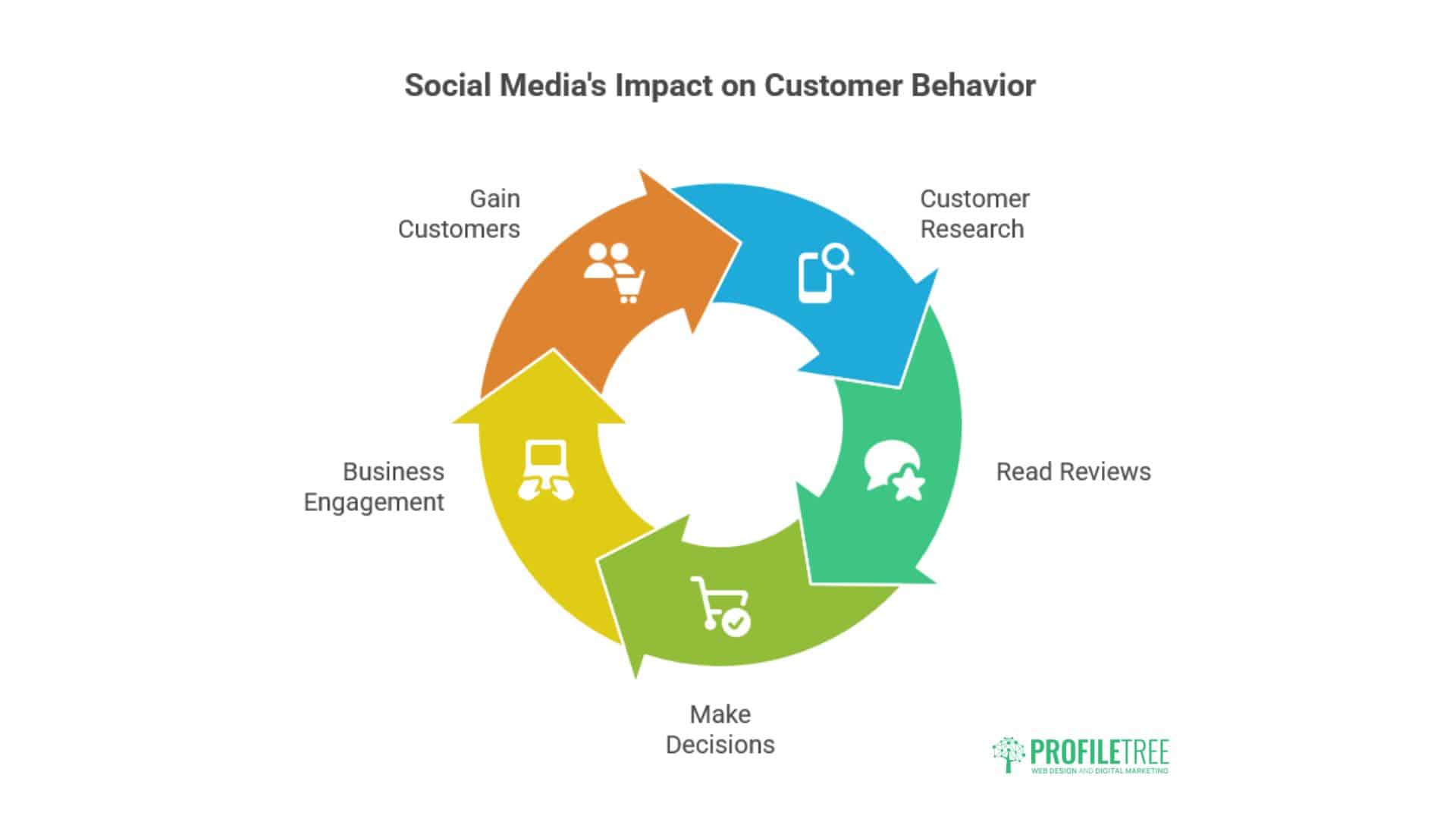
The use of social media has become essential because customer behaviour has fundamentally changed. People research products, read reviews, and make purchasing decisions based on social media content. Businesses that ignore this shift risk losing customers to competitors who actively engage on these platforms.
Consider these key developments:
- 78% of consumers trust peer recommendations on social media over branded content
- Social media influences 60% of millennials’ purchasing decisions
- 55% of B2B technology buyers use social platforms during their research process
- 89% of marketers report increased brand visibility through social media efforts
“After working with hundreds of businesses across Northern Ireland and the UK, I’ve seen that social media success isn’t about follower counts or viral posts,” explains Ciaran Connolly, Director of ProfileTree. “It’s about creating genuine connections with your audience and providing value at every touchpoint. The businesses that succeed treat social media as a relationship-building tool, not just a broadcast channel. When we help clients integrate their social media with their web design and SEO strategy, we see real business transformation.”
Brand Awareness
Using social media greatly increases your visibility as a business. It also substantially enhances your brand’s recognition. When consumers are engaged and aware of your brand through social networking, the business’s brand becomes more relatable.
Brand Loyalty
Businesses engaging in social media campaigns have been proven to have more loyal customers and repeat purchasers. Connecting directly with your audience and being available anywhere for your customers with the click of a button is a huge plus. Marketing through social media is a great tool to stay connected with your consumer base.
Cost-Efficient
When asked why social media should be used for marketing, one of the first answers that comes to mind is the cost-efficiency aspect. Connecting with your customers online is the most cost-efficient method of marketing. Setting up a business profile on any social networking website is free. Although paid options exist to increase visibility and reach a wider audience, staying connected with your clientele online is free. Even when paying for social media ads, the average cost remains far below any other marketing opportunities (e.g., Television, billboards or radio).
Boosting Your Site’s SEO
Search engine optimisation involves using certain keywords to ensure your webpage can be easily found in search engines. By engaging in social media marketing and making an effort when posting updates, you can enhance your business webpage’s ranking in search engines. The way a search engine works can be used to your advantage by increasing traffic to your webpage through your social media profile.
A Higher Conversion Rate
A conversion rate is the number of people who take the action your company deems desirable. This action can be a sale, a subscription or a registration. After building a consumer base online and gathering a following, you get the opportunity for customer conversions. With every text update, image or video your business posts online, you’ll get a reaction from a customer. This reaction can lead to a visit to your main webpage. The visit can lead to a purchase. This is one of the simple explanations as to why the use of social media can boost sales.
The Humanisation Element
People prefer to do business with other people rather than faceless companies. When a company engages customers as real people with honest reactions, it feels more relatable to them. Relating to a business increases customer loyalty and the chances of the consumer choosing your business over the competitor’s.
Enhanced Buyer Perceptions
In a heavily competitive market, information is as valuable as money. The insights a business can gain from consumer reactions and comments are worth a lot. Knowing what interests the consumer and what the customer needs gives a company a chance to react to those wants. A business that reacts and gives the consumers what they want is gaining a highly competitive edge.
More Customer Interaction
Above all, social media is a communication platform. Giving your business a voice and customers a chance to react is indispensable. Responding to a customer’s comment or complaint is much appreciated and will make the consumer feel connected to the organisation. Acknowledging comments from your customers shows you care and that the business is attentive to the needs and wants of its patrons.
Types of Social Media
There are various types of social media; each has its purpose and use. Below are some of the most popular and how you can use them to market your business.
Social Networks
Social Networks are the most popular form of social media. They allow the user to connect with people of similar interests, which is one of the main reasons people use them. Users can also create and share content easily with each other. Social networks allow you to catch up on your friends’ most recent news. Using social networks for marketing is necessary for any rising or established company. Consumers can follow up on your business’s most recent news and products. Allowing the consumer to stay updated on your company’s progress is the best way to keep in contact with your customers.
Media Sharing
Media-sharing websites allow consumers to share different types of media. They also offer the option of commenting, sharing, and other social features. Sharing videos or images related to your business is one way to market your company for free. What’s more important is the reaction you get to the shared content. Analysing the customer’s responses and comments can give great insight into business innovations.
Blogging
What Is The Best Blogging Platform? Top Blogging Platforms
Blogging is one of the older forms of social media. People can publish ideas, opinions and online reviews. Keeping a blog as a business can significantly increase a company’s visibility through content marketing. Increasing brand awareness is one of the main reasons companies keep blogs. Customers can easily stay updated with the most recent updates and products.
Online shopping websites
Online shopping has become very popular recently. Not only is it another channel to sell your products, but you can also see how customers react to them. Most shopping websites allow their customers to rate and review the products they buy. Again, this also gives you valuable information about your products and how to improve them.
The Future of Marketing
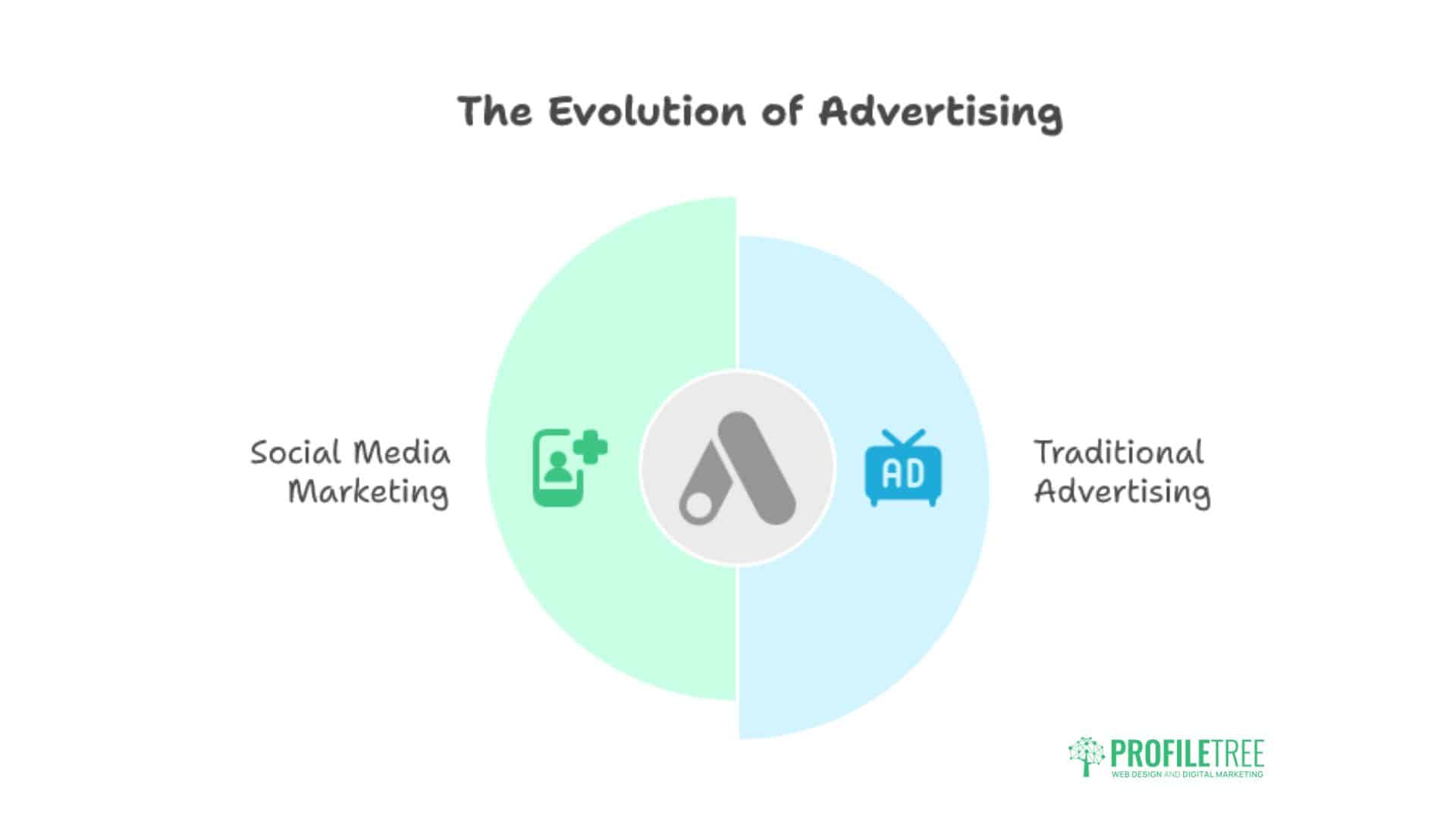
Why use social media when we can use conventional means of advertisement? Although still relevant and vital, traditional means of advertising (e.g., television, radio, billboards) are becoming a wave of the past. Social media is where people are nowadays, changing how we communicate forever. Want to reach as much of your audience as possible? Sure, TV ads still work. But at a fraction of the price, social media marketing is becoming the future of advertisements.
Direct contact with the consumer is an essential aspect of marketing. Each customer must have his/her own personalised experience with the company. Social media has made it very easy to connect with the consumer. For many mentioned and unmentioned reasons, the debate of why to use social media has finally come to rest. There is an obvious winner. However, each business must decide for itself how to market its products.
The Data-Backed Case for Social Media Marketing in 2025
Social media is only growing in popularity and influence. 81% of people in the U.S. have a social media profile, spending almost 2 hours and 23 minutes per day on platforms like Facebook, Instagram, and TikTok. In 2025, social media should be a core component of marketing strategies.
But how exactly does social media impact businesses? Here, we’ll explore the concrete data on its benefits and provide tips for maximising your presence.
The Reach of Social Media is Unparalleled
Platforms with 4.65 billion social media users worldwide provide unmatched scale and access to massive audiences. 78% of people trust peer recommendations on social over branded content. It’s word-of-mouth marketing on steroids.
Social media has surpassed email as the top channel for influencing purchase decisions. Sixty per cent of millennials say social media inspires purchases, and 55% of B2B technology buyers use social media in their research.
Tangible Business Value
The numbers speak for themselves:
- 80% of companies have gained new customers via social media
- 71% of consumers who have had a positive social media service experience recommend brands to others
- Social media converts three times more sales than email marketing
- 89% of marketers say social media efforts increased visibility and brand recognition
The Right Content Drives Results
But simply having accounts isn’t enough. Strategic posting is crucial.
These types of content perform best on social platforms:
- Entertaining or educational videos
- Press announcements and company news
- Employee spotlights and human interest stories
- Polls, surveys, contests, and giveaways
- Responses to customer questions and feedback
- User-generated content like reviews and testimonials
- Behind-the-scenes content and fun brand facts
Best Practices By Platform
While all social media provide value, each platform requires a tailored strategy:
- Focus on video, images, and short informative posts
- Create Facebook Groups and Events to build community
- Use Live video for real-time engagement
- Showcase products visually with high-quality photos
- Use Stories for behind-the-scenes content
- Partner with influencers and run hashtag campaigns
X/Twitter
- Share articles, company news, and industry commentary
- Build relationships by engaging directly with followers
- Monitor mentions and conversations using brand hashtags
- Publish long-form thought leadership content
- Share employee stories highlighting company culture
- Participate in Groups to position yourself as an expert
Make Data-Driven Decisions
Use analytics to identify your best-performing content across platforms. Find winning formulas you can replicate while continuously A/B testing new formats and topics.
Refine campaigns based on metrics like engagement, conversions, web traffic, and ROI. Set specific benchmarks and goals to optimise efforts.
Measuring Success and ROI
Understanding what makes good social media content requires measuring performance and continuously optimising your approach. Successful businesses track engagement metrics and business outcomes to calculate their social media return on investment.
Key Performance Indicators
Effective social media measurement requires tracking metrics that align with your business objectives. Different goals require different metrics:
Brand Awareness Metrics
- Reach and impressions
- Follower growth rate
- Share of voice in your industry
- Brand mention sentiment
Engagement Metrics
- Likes, comments, and shares
- Click-through rates
- Video view completion rates
- Profile visits and website clicks
Lead Generation Metrics
- Contact form submissions from social media
- Email newsletter signups
- Download rates for resources and guides
- Direct inquiries through social media
Conversion Metrics
- Sales attributed to social media traffic
- Cost per lead from social advertising
- Customer lifetime value from social media customers
- Return on advertising spend
Analytics Tools and Tracking
Most social media platforms provide built-in analytics tools, but businesses serious about measuring ROI should use additional tracking methods:
- Google Analytics for website traffic from social media
- UTM parameters for campaign tracking
- Social media management tools for cross-platform analytics
- Customer relationship management systems for lead tracking
Regular reporting helps identify which content types, posting times, and platforms deliver the best results for your specific business goals.
Calculating Social Media ROI
Determining the financial return on your social media investment requires tracking both costs and benefits:
Costs to Consider
- Staff time for content creation and management
- Paid advertising spend
- Social media management tools and software
- Content creation resources and equipment
Benefits to Measure
- Revenue from social media-generated leads
- Cost savings from social media customer service
- Increased customer lifetime value
- Reduced advertising costs through organic reach
A simple ROI calculation: (Social Media Revenue – Social Media Costs) / Social Media Costs × 100 = ROI Percentage
Continuous Optimisation Strategies
Social media success requires ongoing optimisation based on performance data:
- A/B testing different content types and posting times
- Analysing competitor strategies and performance
- Adjusting content calendars based on engagement patterns
- Refining target audience definitions using platform insights
- Updating strategies based on platform algorithm changes
Regular strategy reviews help businesses adapt to changing platform features, audience preferences, and industry trends.
Conclusion
Businesses cannot afford to neglect social media marketing. The data shows social drives measurable awareness, engagement, leads, and sales when used effectively.
With social media’s influence only growing, now is the time to connect authentically with your community online. Our team of social pros can help take your brand’s presence to the next level. Reach out to turbocharge your social media marketing.
FAQs
How much time should I devote to social media marketing?
Successful businesses allocate 5-10 hours weekly to social media marketing, including content creation, engagement, and analysis. Larger companies often have dedicated social media managers or teams.
What if I don’t see immediate results from social media?
Social media marketing typically requires 3-6 months to build momentum and see significant results. Focus on consistency, quality content, and genuine engagement rather than expecting immediate returns.
How do I track the impact of our social media efforts?
Use platform analytics, Google Analytics, and customer surveys to track metrics like website traffic, lead generation, and revenue attribution. Set up proper tracking systems from the beginning to measure long-term impact.
Should I use all social media platforms?
Focus on 2-3 platforms where your target audience is most active. It’s better to excel on fewer platforms than to spread yourself too thin across many platforms.
Ready to Transform Your Digital Presence?
Your competitors are already using social media to attract your potential customers. Every day you delay implementing a strategic social media approach is another day of missed opportunities for business growth.
At ProfileTree, we don’t just create beautiful websites—we build complete digital ecosystems where your web design, SEO strategy, and social media work together seamlessly. Our clients across Northern Ireland, Ireland, and the UK see average traffic increases of 150% when we integrate their social media with their overall digital strategy.
Whether you need a new website that converts social media traffic into customers, SEO optimisation to amplify your social content’s reach, or comprehensive digital marketing training for your team, we have the expertise to deliver results.
Ready to See What Strategic Integration Can Do for Your Business?
Contact ProfileTree today for a free digital strategy consultation:
- Call us: 028 9568 0364
- Email:hello@profiletree.com
- Or visit:profiletree.com to explore our full range of services
Don’t let another month pass watching your competitors dominate social media. Take action today and start building the integrated digital presence your business deserves.