
Global Entrepreneurship: 10 Event Ideas to Grow Your Startup
Table of Contents
Entrepreneurship events have become the backbone of successful business growth strategies across the UK. While Global Entrepreneurship Week highlights the importance of entrepreneurial activities each November, smart business owners recognise that strategic events can drive leads, build communities, and establish authority year-round. From Manchester’s thriving startup scene to Belfast’s emerging tech ecosystem, entrepreneurs discover that well-executed events generate more qualified leads than traditional advertising, while building authentic relationships that drive sustainable business growth.
Yet most business events fail to deliver meaningful results. Entrepreneurs spend thousands on venue hire, catering, and promotion, only to attract the wrong audience or fail to convert attendees into customers. The difference between successful events and expensive mistakes lies in strategic planning that connects every element – from initial concept to post-event nurturing – with specific business objectives.
For UK entrepreneurs, small business owners, and marketing managers, the challenge isn’t finding event ideas – it’s creating events that deliver measurable business results. This comprehensive guide provides battle-tested strategies that transform ordinary gatherings into powerful growth engines for your business. You’ll discover proven frameworks for planning, promoting, and measuring events that generate revenue rather than just expenses.
Global Entrepreneurship Week
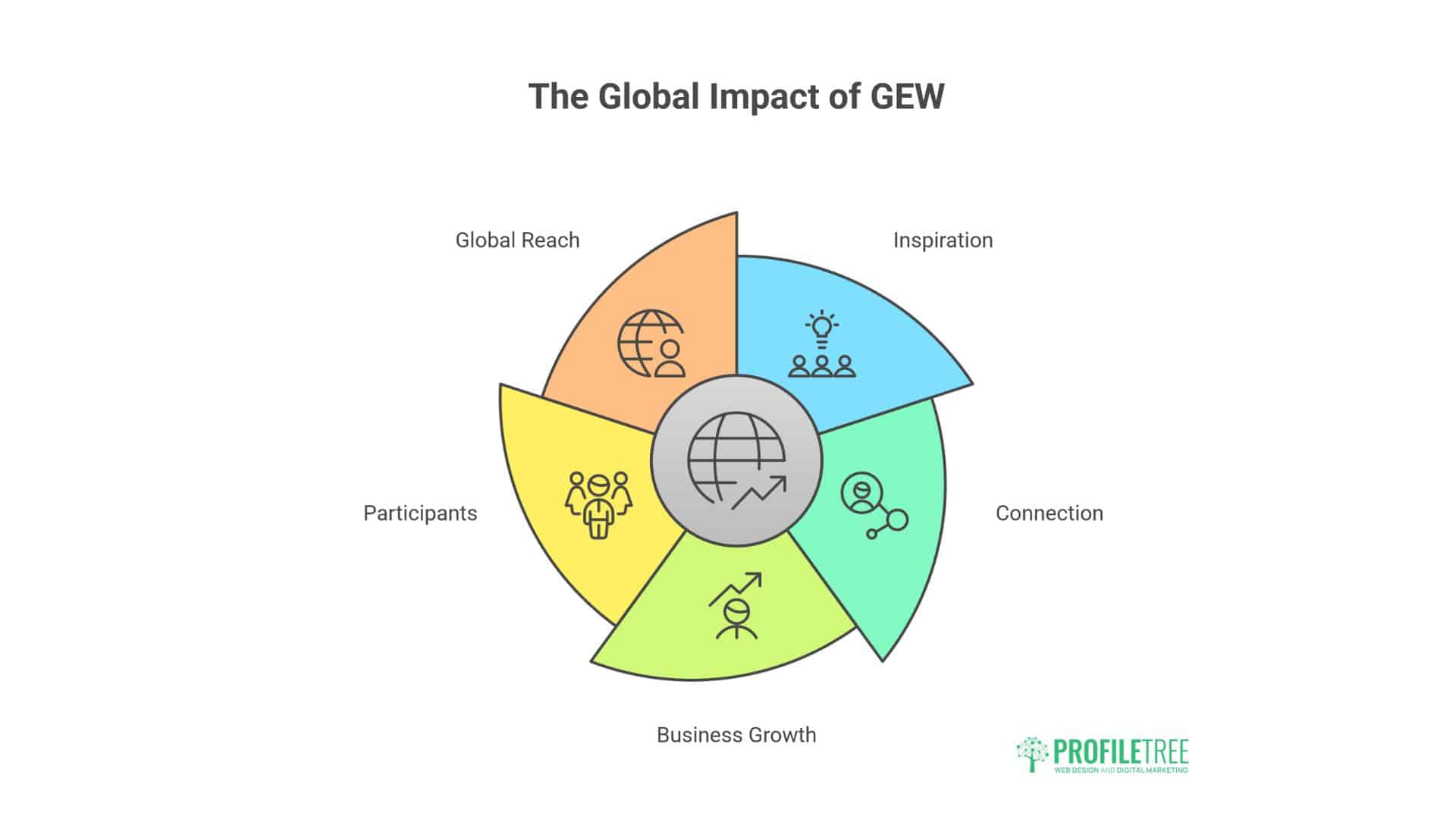
Global Entrepreneurship Week (GEW) represents the world’s largest campaign promoting entrepreneurship, spanning over 170 countries since its launch in 2008. This annual November celebration demonstrates how strategic events can inspire, connect, and drive business growth on a global scale. What began as a week-long initiative has evolved into a year-round movement that generates millions of participants annually, from aspiring entrepreneurs in university business schools to established CEOs seeking innovation partnerships.
The initiative focuses on fostering entrepreneurial culture through workshops, networking events, pitch competitions, and panel discussions. GEW provides a proven framework for UK businesses that can be adapted annually to create meaningful connections with customers, partners, and prospects. The week typically runs from the second Monday in November, creating concentrated momentum across 125 participating countries through coordinated host organisations that understand local business ecosystems.
In the UK specifically, Global Entrepreneurship Week has catalysed regional business development. Cities like London, Manchester, Birmingham, and Edinburgh host hundreds of events during GEW, from intimate startup meetups in co-working spaces to large-scale conferences featuring international speakers. These events consistently demonstrate higher attendance rates and engagement levels than standalone business events, benefiting from the coordinated global promotion and established credibility of the GEW brand.
What makes Global Entrepreneurship Week particularly valuable is its emphasis on practical skills development rather than theoretical discussions. The event teaches essential entrepreneurial competencies: resilience under pressure, adaptability when markets shift, opportunity recognition in changing industries, and communication skills that convert prospects into customers. These same principles apply to every successful business event you’ll organise annually.
The week’s structure provides a template for sustained engagement. Rather than treating November as an isolated campaign, successful businesses use GEW as an annual cornerstone that anchors quarterly events, monthly networking sessions, and ongoing educational programming. This approach transforms single events into comprehensive business development systems that compound their impact over time.
For digital agencies, consultants, and service providers, Global Entrepreneurship Week offers unique opportunities to demonstrate expertise while building authority within target markets. The week’s themes naturally align with business growth challenges that require professional solutions, from digital transformation and marketing strategy to operational efficiency and innovation implementation. Smart businesses use GEW participation to position themselves as essential partners for entrepreneurial success rather than occasional service providers.
Strategic Event Planning: Building Your Foundation for Success
Successful entrepreneurs understand that strategic planning separates profitable events from costly experiments before launching into event ideas. This foundation determines whether an event generates leads, builds authority, or drains resources.
Defining Clear Event Goals
Every successful entrepreneurship event begins with a specific, measurable objective. Vague goals like “raising awareness” lead to ambiguous results. Instead, focus on one primary goal that aligns with your business objectives:
Lead generation events focus on filling your sales pipeline with qualified prospects. These events attract potential customers and capture contact information for follow-up marketing campaigns. For example, a Manchester-based web design agency might host a “5 Website Mistakes Costing You Customers” workshop to attract local business owners who need their services.
Authority-building events establish your expertise and thought leadership within your industry or local market. These events prioritise reach and credibility over immediate sales. A Belfast digital marketing consultant could organise a panel discussion on “The Future of AI in Northern Ireland Business” to position themselves as a forward-thinking expert.
Community-building events strengthen relationships with existing customers and create networks of advocates for your brand. These events focus on connection and loyalty rather than acquisition. For example, a software company might host monthly “Founder Coffee” sessions where users share experiences and provide feedback.
Smart Budget Planning for UK Entrepreneurs
Event budgeting requires realistic planning that accounts for UK-specific costs and considerations. Your primary expense categories typically include venue hire, technology platforms, marketing spend, and speaker fees.
Venue costs vary dramatically across the UK. A workshop space in Birmingham costs significantly less than comparable facilities in central London. Manchester offers middle-ground pricing with excellent transport links, whilst Edinburgh provides prestigious venues at competitive rates compared to London.
Consider these UK-specific budget factors:
- VAT implications for ticket sales and vendor payments
- Public liability insurance requirements for most venues
- Travel and accommodation costs if attracting speakers from other regions
- Currency fluctuations when working with international speakers or suppliers
Technology Stack for Modern Events
Digital tools transform event planning from chaotic coordination to streamlined systems. Essential platforms for UK entrepreneurs include:
- Registration and Ticketing: Eventbrite dominates the UK market with integrated payment processing and marketing tools. For professional events, consider Splash or Whova for enhanced branding capabilities.
- Virtual and Hybrid Events: Zoom remains reliable for introductory webinars, whilst Hopin or ON24 provide sophisticated virtual event experiences with networking features, breakout rooms, and detailed analytics.
- Marketing Automation: Mailchimp or ConvertKit handle email sequences, whilst Buffer or Hootsuite manage social media promotion across multiple platforms.
50 High-Impact Event Ideas for UK Entrepreneurs
Strategic event selection depends on your audience, budget, and business objectives. These proven formats work across industries whilst allowing customisation for your specific market.
Community Building & Networking Events
Local founder meetups create regular touchpoints with your entrepreneurial community. Host monthly gatherings at consistent venues – perhaps a co-working space in Manchester’s Northern Quarter or a community hub in Birmingham’s Jewellery Quarter. These low-cost, high-impact events build long-term relationships that generate referrals and partnerships.
Industry-specific networking targets precise audiences with shared challenges. For example, a cybersecurity consultant might host quarterly dinners titled “Cyber Security for Yorkshire SMEs,” combining education with networking in a relaxed atmosphere.
Co-working days bring remote workers and entrepreneurs together for collaborative productivity. They provide workspace, Wi-Fi, coffee, and structured networking breaks. These events often self-fund through modest fees while building community.
“Ask Me Anything” Sessions with local business leaders provide valuable learning opportunities. Invite successful entrepreneurs to share experiences in informal Q&A formats. These events cost little beyond venue hire and refreshments but deliver significant value to attendees.
Educational Workshops & Training Events
Skills-based workshops address specific business challenges your target market faces. For example, a digital marketing agency might offer “Social Media Strategy for Independent Retailers” or “Website Optimisation for Service Businesses.” These establish expertise while generating qualified leads.
Certification programmes create deeper engagement through multi-session learning journeys. Develop curricula around your core expertise – perhaps “Digital Marketing Fundamentals” for small business owners or “AI Implementation for SMEs.
Lunch & Learn sessions respect busy schedules whilst delivering focused education. These 90-minute sessions work particularly well for B2B audiences who value efficiency. Provide light refreshments and actionable takeaways.
Masterclasses position you as the definitive expert in your field. These premium events command higher fees whilst attracting serious learners. A web development agency might offer “Advanced WordPress Optimisation” masterclasses for existing clients and prospects.
High-Impact Marketing & Sales Events
Product launch parties generate excitement around new offerings whilst strengthening customer relationships. Combine product demonstrations with entertainment and networking opportunities. Document everything for social media content and case studies.
Customer success showcases celebrate client achievements whilst demonstrating your impact. Invite successful customers to share their stories, positioning your business as the catalyst for their growth. These events provide powerful testimonials and referral opportunities.
Industry awards ceremonies elevate your profile whilst celebrating your sector’s achievements. Partner with industry associations or local business groups to share costs and expand reach. These prestigious events attract media coverage and high-value networking opportunities.
Pitch competitions combine entertainment with lead generation. Host “Dragon’s Den” style events where entrepreneurs present business ideas to judge panels. Sponsor categories related to your services – perhaps “Best Digital Innovation” for a tech consultancy.
Digital-First & Virtual Events
Virtual summits reach national and international audiences cost-effectively. Create day-long events with multiple speakers addressing themes relevant to your target market. These scale efficiently whilst establishing global authority.
Webinar series provides ongoing value whilst nurturing prospects through extended sales cycles. Develop themed series like “Monthly Marketing Insights” or “Quarterly Business Reviews” that subscribers anticipate and attend regularly.
Online masterminds facilitate peer learning and accountability amongst your ideal customers. Create small groups of 8-12 participants who meet monthly to share challenges and solutions. These intimate settings build strong relationships and premium pricing opportunities.
Interactive workshops via Zoom combine education with hands-on learning. Break participants into breakout rooms for exercises, then reconvene for group discussions. These engaging formats work particularly well for skills-based training.
Seasonal & Themed Events
Global Entrepreneurship Week Activities capitalise on established momentum each November. Plan workshops, networking events, or speaker series that align with GEW themes whilst promoting your services. Register events on the official GEW website for additional exposure.
New Year Planning Workshops help businesses set strategic directions for the coming year. These events naturally position your services as solutions for achieving ambitious goals. Offer planning templates and follow-up consultations.
Summer Networking Garden Parties combine business with pleasure during warmer months. Outdoor venues cost less while creating memorable experiences. These relaxed atmospheres often generate stronger connections than formal conference rooms.
Holiday Appreciation Events strengthen relationships with existing customers and partners. Host Christmas parties, summer barbecues, or other celebrations that build loyalty without direct sales pressure. These investments in relationships pay dividends through referrals and retention.
Partnership & Collaboration Events
Joint Venture Workshops with complementary businesses expand your reach whilst sharing costs. A web design agency might partner with business coaches to offer “Digital Strategy + Business Planning” intensive days.
Supplier Showcases position you as a connector within your industry ecosystem. Invite preferred vendors to demonstrate their services to your customer base. These events generate referral fees whilst providing additional value to clients.
Cross-industry mixers create unexpected connections that lead to innovative partnerships. They bring together entrepreneurs from different sectors to share perspectives and identify collaboration opportunities.
Digital Marketing Strategies That Fill Events
Successful event promotion requires systematic marketing that builds anticipation, drives registrations, and creates a lasting impact. These proven strategies work across all event types whilst adapting to your specific audience and objectives.
Pre-Event Marketing: The 8-Week Countdown
Week 8: Foundation Setting: Launch your event landing page with compelling copy communicating value propositions. Include speaker bios, agenda highlights, and early bird pricing to encourage immediate action. Through lead magnets, build an email list related to your event topic.
Week 6: Speaker Announcements: Reveal keynote speakers and session leaders through coordinated social media campaigns. Create speaker spotlights that highlight their expertise and preview their presentations. This content provides social proof whilst building anticipation.
Week 4: Content Marketing Acceleration: Publish blog posts, podcast episodes, or videos that preview event topics. This content serves multiple purposes: SEO benefits, audience education, and event promotion. Share insights that attendees will learn more about during your event.
Week 2: Final Push: Launch countdown campaigns across all channels. Share behind-the-scenes preparation content, last-minute speaker additions, or exclusive bonuses for final registrants. Create urgency without appearing desperate.
During-Event Engagement Maximisation
- Live Social Media Coverage: Assign team members to document key moments through photography, video clips, and live tweeting. Create event-specific hashtags and encourage attendee participation through social media contests or sharing prompts.
- Interactive Elements: Use polling tools like Mentimeter or Slido to engage audiences during presentations. Collect questions through digital platforms rather than relying solely on raised hands. These tools provide valuable data while increasing participation.
- Content Capture Record sessions (with permission) for future marketing materials. These recordings become lead magnets, course content, or social media clips that extend your event’s impact far beyond the actual date.
Post-Event Nurturing That Converts
- Immediate Follow-Up: Send thank you emails within 24 hours, including session recordings, presentation slides, and promised resources. This prompt follows up to maintain engagement while attendees feel connected to your event experience.
- Segmented Nurture Campaigns: Develop email sequences tailored to different attendee segments. First-time attendees receive introduction sequences, whilst returning participants get advanced content. Prospects who didn’t attend receive highlight reels designed to encourage future participation.
- Community Building: Create LinkedIn groups, Facebook communities, or Slack channels where attendees can continue conversations started during your event. These ongoing touchpoints strengthen relationships whilst positioning you as the community facilitator.
AI-Powered Event Promotion: The Modern Advantage
Artificial intelligence transforms event marketing from time-intensive manual processes to efficient, personalised systems. UK entrepreneurs can leverage accessible AI tools to compete with larger organisations whilst maintaining authentic connections.
AI for Creative Development
- Content Generation: Use ChatGPT or Claude to develop event descriptions, email sequences, and social media posts. Provide detailed prompts including your brand voice, target audience, and key messages. Continually review and personalise AI-generated content to maintain authenticity.
- Visual Content Creation: Platforms like Canva’s AI features or Midjourney create professional graphics, social media visuals, and presentation templates. These tools produce high-quality materials without expensive design agencies or extensive design skills.
- Speaker Preparation: AI assists speakers in developing presentations, generating discussion questions, and creating interactive elements. This support improves content quality whilst reducing preparation time for busy professionals.
Automation for Efficiency
- Email Marketing Sequences: Tools like ConvertKit or Mailchimp use AI to optimise send times, subject lines, and content personalisation. These platforms analyse recipient behaviour to improve open rates and engagement automatically.
- Social Media Scheduling: Buffer’s AI features suggest optimal posting times, whilst Hootsuite’s AI generates caption variations for A/B testing. These tools maintain a consistent social presence without constant manual intervention.
- Customer Service Chatbots: Implement AI chatbots on event landing pages to answer common questions, provide registration assistance, and collect attendee information. These tools offer immediate responses while capturing qualified leads.
Data Analysis & Optimisation
- Attendance Prediction: AI analyses registration patterns, email engagement, and social media interactions to predict final attendance numbers. This insight improves catering planning, venue selection, and resource allocation.
- Content Performance Analysis: Platforms like BuzzSumo or Sprout Social use AI to identify which promotional content drives the most registrations. This data informs future marketing decisions and content strategies.
- Personalised Recommendations: For multi-session events, AI can recommend specific sessions to attendees based on their interests, job roles, or previous engagement patterns. This personalisation improves satisfaction whilst maximising your educational impact.
As Ciaran Connolly, Director at ProfileTree, explains: “We’ve seen remarkable transformations when our clients combine strategic event planning with digital marketing. One Belfast startup increased its qualified leads by 340% simply by shifting from generic networking to targeted workshops that addressed specific pain points its ideal customers faced. The key isn’t hosting more events – it’s hosting smarter events that position you as the obvious solution to your audience’s challenges.”ce of and during your event through media, social channels, and attractive offers.
Measuring the impact of your Global Entrepreneurship Week events:
Setting Goals:
- Attendee numbers – a target for signups and actual turnout.
- Social media – followers gained, content reach, engagement.
- Media hits – aim for several media stories and interview opportunities.
- Leads captured – emails, signups to your services or platform.
Tracking Metrics:
- Monitor event registration and attendance in real time.
- Use social media analytics to track reach and engagement.
- Record media mentions and coverage secured.
- Collect lead contact info through sign-up forms.
Conducting Surveys:
- Poll attendees on satisfaction, key learnings, and feedback.
- Ask partners and sponsors for testimonials on the event.
- Follow up via email for additional thoughts on the post-event survey.
Analyse data to identify successes and areas for improvement and quantify your event’s impact. Measure against your predefined goals.
Measuring Event Success: ROI That Matters
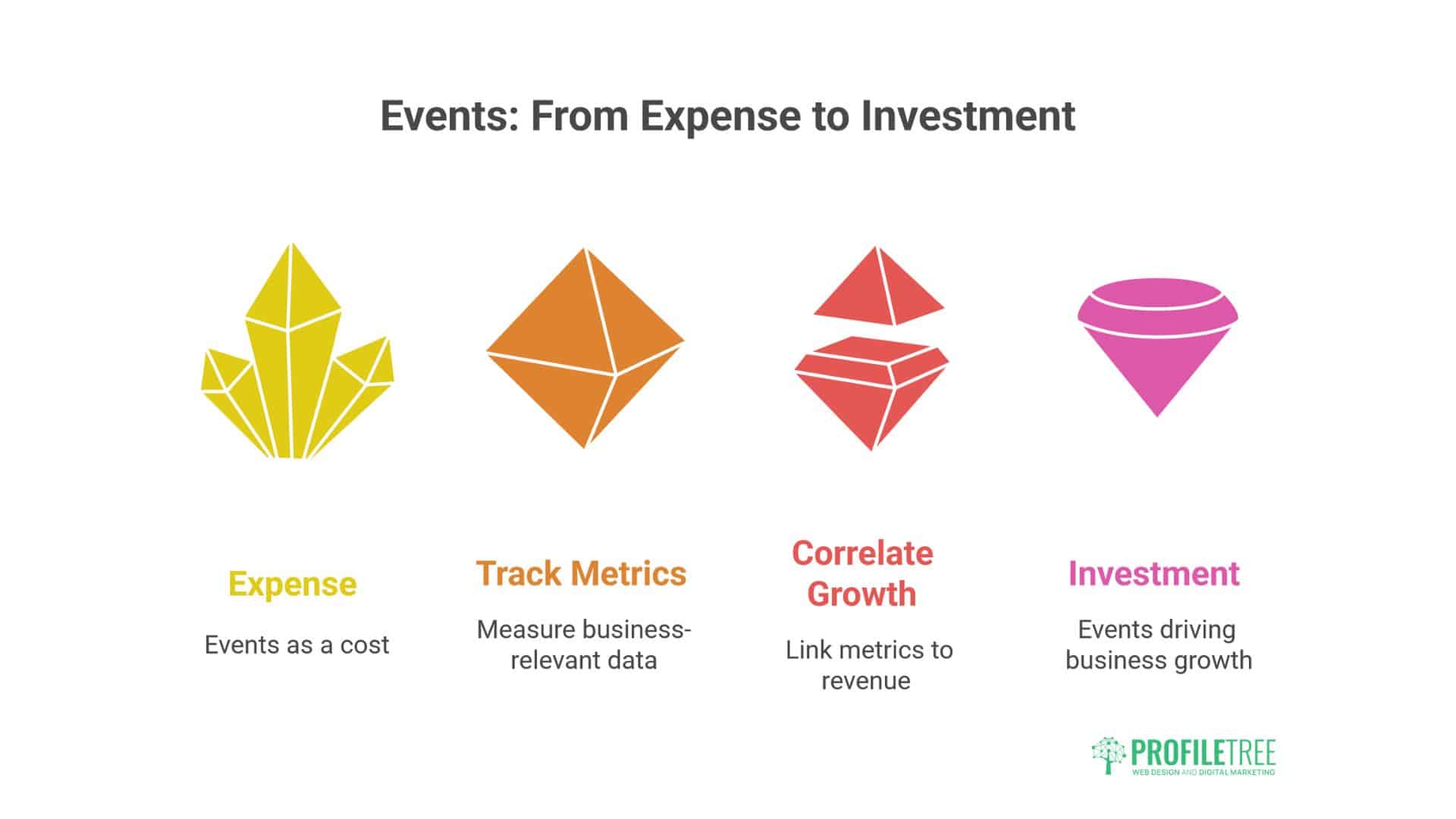
Effective measurement transforms events from expenses into investments by providing precise data on business impact. Successful UK entrepreneurs track metrics directly correlating with business growth rather than vanity statistics that look impressive but don’t drive revenue.
Essential Metrics for Every Event
- Lead Quality Over Quantity: Count qualified leads rather than total attendees. A workshop with 30 attendees generating 12 qualified prospects outperforms a conference with 200 attendees generating 5 prospects. Develop lead scoring systems that identify attendees most likely to become customers.
- Cost Per Acquisition: Calculate total event costs divided by new customers acquired. This metric directly connects event investment to business outcomes. Include follow-up campaign costs and sales team time to ensure accurate calculations.
- Customer Lifetime Value Impact: Track whether event-acquired customers have higher retention rates, purchase amounts, or referral generation than other acquisition channels. Events often attract higher-quality customers who engage more deeply with your business.
- Brand Authority Indicators Monitor speaking opportunities, media mentions, and industry recognition that result from your events. These indicators may not generate immediate revenue but create long-term competitive advantages.
Tools for Comprehensive Tracking
- Registration Platforms with Analytics: Eventbrite, Splash, and Whova provide detailed registration analytics, including traffic sources, conversion rates, and attendee demographics. These insights improve future event planning and marketing strategies.
- CRM Integration: Connect event registrations directly to your CRM system for seamless lead nurturing. Platforms like HubSpot or Pipedrive track attendees’ journeys from registration to customer conversion, providing complete ROI visibility.
- Survey and Feedback Tools: Use Typeform or Google Forms to collect detailed attendee feedback beyond simple satisfaction ratings. Ask specific questions about purchasing intent, content relevance, and likelihood to recommend your business.
Post-Event Analysis Framework
- Immediate Impact Assessment: Within one week of your event, analyse registration data, attendance rates, social media engagement, and immediate lead generation. This quick assessment identifies obvious successes and challenges whilst details remain fresh.
- 30-Day Revenue: Tracking Monitor sales conversions, consultation bookings, and other revenue-generating activities attributable to event attendees. Many business services have longer sales cycles, so this extended tracking captures delayed conversions.
- 90-Day Relationship Development: Evaluate longer-term relationship building, including referrals generated, partnership opportunities created, and community engagement levels. These outcomes often provide the highest long-term value from event investments.
Learning from Global Entrepreneurship Week Success Stories
Global Entrepreneurship Week provides numerous examples of events that successfully combine education, networking, and business development. These case studies demonstrate how strategic planning and focused execution create measurable business impact.
Women’s Entrepreneurship Day Events
The “Inspiring Women to Make It Happen” series demonstrates how targeted demographics can create powerful community connections. These events featured successful female entrepreneurs like Roxy Vickerman of SOAK Shakes & Co., who identified market gaps and built successful businesses around underserved needs.
Sudha Kheterpal of Shake Your Power showed how innovative solutions to global challenges can create social impact and business success. Her company’s percussion-based energy generation devices combine education with practical sustainability solutions.
Patria-Kaye Aarons of Sweetie Confectionery exemplifies entrepreneurial courage. She left stable employment to pursue her business dreams. Her success in filling Caribbean flavour gaps in the UK candy market demonstrates how cultural diversity creates business opportunities.
Regional Networking Success
Load Sharing 3.0 in Cape Town illustrates how consistent, value-focused networking creates lasting entrepreneurial communities. This format works effectively in UK cities like Manchester, Birmingham, or Edinburgh, where entrepreneurial ecosystems need regular touchpoints for relationship building.
The Business Gateway Workshop series shows how educational content attracts engaged audiences who become qualified leads for business services. These workshop formats work particularly well for professional service providers seeking to demonstrate expertise whilst generating new business.
Digital Marketing Integration
“How to Guarantee Your Business Success Online” events demonstrate increasing demand for digital marketing education amongst traditional business owners. This presents opportunities for digital agencies and consultants to position themselves as trusted advisors through educational event marketing.
Seasonal Event Planning: Maximising Global Entrepreneurship Week and Beyond
Global Entrepreneurship Week provides annual momentum that smart businesses extend throughout the year. November’s concentrated activities create awareness and connections that strategic entrepreneurs nurture through consistent event programming.
November: Global Entrepreneurship Week Intensive
Plan concentrated activities during GEW that establish your authority whilst building your contact database for year-round nurturing. Host workshops, networking events, or speaker series demonstrating your expertise to entrepreneurs seeking business growth solutions.
Register all events on the official Global Entrepreneurship Week website to increase visibility and connect with the global entrepreneurship community. This listing provides additional credibility whilst attracting attendees beyond your existing network.
Quarterly Milestone Events
Plan significant events each quarter that maintain momentum and engagement throughout the year. These events provide regular touchpoints with your audience whilst creating multiple opportunities for lead generation and relationship building.
Q1 events focus on planning and goal-setting as businesses prepare for the year ahead. Q2 events emphasise growth strategies and implementation. Q3 events address mid-year challenges and course corrections. Q4 events celebrate achievements whilst preparing for the following year.
Monthly Touchpoints
Regular monthly events maintain visibility and relationships between major quarterly activities. These smaller gatherings require less resource investment whilst providing consistent value to your audience.
Consider breakfast meetings, lunch-and-learns, or evening networking sessions that respect busy schedules whilst delivering focused value. Consistency builds anticipation and loyal attendance from your core audience.
Conclusion
Global Entrepreneurship Week provides unparalleled opportunities to support and participate in your local entrepreneurship ecosystem. By strategically planning events aligned with your startup’s strengths and resources, you can attract and inspire your target audience while making a broader community impact.
With smart goal-setting, promotion, and measurement practices, your hard work can result in valuable media exposure, partnership development, lead generation, and brand visibility during the world’s largest celebration of innovators.
FAQs
What’s the ideal budget for a first entrepreneurship event?
Start-up events can succeed with budgets as low as £200-500 for small workshops or networking gatherings. Focus on venue hire, basic refreshments, and minimal marketing spend. Success comes from strategic planning rather than large budgets.
How far in advance should I plan my first event?
Allow 6-8 weeks for local workshops and 12-16 weeks for larger conferences. This timeline provides adequate promotion whilst maintaining planning momentum. Shorter timelines work for simple networking events with established audiences.
Should I charge for attendance or offer free events?
Free events typically attract larger audiences but may have higher no-show rates. Modest fees (£10-25) improve attendance commitment whilst covering basic costs. Premium events (£50+) position your expertise as valuable whilst generating revenue.
How do I attract speakers without large budgets?
Local entrepreneurs often speak of networking opportunities and exposure rather than fees. Offer professional recording, social media promotion, and introduction to other business leaders. Many successful business owners enjoy sharing their expertise.
Ready to Transform Your Business Through Strategic Events?
Planning and promoting successful events requires expertise across multiple disciplines – from digital strategy and web development to content creation and AI implementation. At ProfileTree, we’ve helped hundreds of UK businesses turn events into powerful growth engines that generate qualified leads and build lasting authority.
Whether you need a high-converting landing page for your next workshop, AI-powered marketing automation to nurture attendees, or a comprehensive digital strategy that positions your events for maximum impact, our Belfast-based team has the proven expertise to deliver results that matter.
Don’t let another opportunity slip by with poorly planned events that drain resources instead of generating revenue. Contact ProfileTree today and discover how our integrated approach to web design, digital marketing, and AI training can transform your next event into your most successful business development initiative.
Get Your Free Event Marketing Strategy Consultation – Contact ProfileTree Now