
What is Content Writing? How to Be a Good Writer
Business owners across Northern Ireland, Ireland, and the UK are discovering that exceptional content writing transforms websites from digital brochures into powerful lead generation tools. Yet many still ask the question, “What is content writing, and how can it drive real business results?”
Content writing is the strategic creation of written material designed to inform, engage, and convert your target audience across digital platforms. Unlike traditional writing, content writing serves dual purposes: satisfying search engines through optimisation techniques whilst delivering genuine value to readers who become customers.
Content Writing Fundamentals
Content writing forms the backbone of successful digital marketing strategies. Every piece of content serves specific business objectives – whether attracting new visitors through search engines, nurturing leads through email campaigns, or converting prospects through persuasive product descriptions.
The digital landscape demands content that performs multiple functions simultaneously. Your blog posts must rank well for relevant keywords while genuinely helping readers solve problems. Your service pages need to convert visitors while building trust and authority. Social media content requires engagement while maintaining consistent brand messaging.
Modern content writing integrates seamlessly with web design and development. When ProfileTree develops websites for clients, content strategy influences every design decision—from navigation structure to call-to-action placement. This holistic approach creates websites that look professional and actively generate business results.
What Makes Content Writing Different
Traditional writing focuses primarily on communication and artistic expression. Content writing, however, balances multiple considerations:
- Audience-First Approach: Every piece begins with understanding your target demographic – their pain points, search behaviours, and decision-making processes.
- Search Engine Compatibility: Content must incorporate relevant keywords naturally, whilst maintaining readability and flow.
- Conversion Optimisation: Strategic placement of calls-to-action and persuasive elements guides readers towards desired actions.
- Platform Optimisation: Different channels require different approaches – LinkedIn articles differ significantly from Instagram captions or email newsletters.
Essential Writing Skills
Developing practical content writing skills requires mastering several interconnected disciplines. These capabilities distinguish professional content writers from general writers.
Search Engine Optimisation Knowledge
Understanding SEO fundamentals is non-negotiable for modern content writers. This includes keyword research, competitive analysis, and technical implementation.
- Keyword Integration: The optimal keyword density sits around 1%, meaning your focus keyword appears roughly 10 times per 1,000 words. However, modern SEO prioritises semantic relevance over exact keyword repetition.
- Search Intent Matching: Different search queries indicate different user intentions. Someone searching “what is content writing” seeks information, whilst “content writing services Belfast” indicates commercial intent.
- Technical SEO Elements: Content writers must understand title tags, meta descriptions, header hierarchy, and internal linking structures.
Content Diversity and Specialisation
Successful content writers develop expertise across multiple formats and industries. This versatility enables them to serve diverse client needs effectively.
- Industry Specialisation: Writers who understand specific sectors – whether legal, medical, technology, or hospitality – can create more authoritative and relevant content.
- Format Mastery: Different content types require distinct approaches. Blog posts differ from case studies, social media content, or email campaigns.
- Tone Adaptation: Professional content writers adjust their voice and style based on brand personality and audience expectations.
Content Originality and Research
Original content creation requires thorough research combined with unique perspectives and insights.
- Fact-Checking and Verification: All claims, statistics, and references must be accurate and current. Credible sources build authority whilst inaccurate information damages reputation.
- Plagiarism Prevention: Content writers use tools like Grammarly and Copyscape to verify originality, but the foundation is creating genuinely unique perspectives and insights.
- Source Attribution: Proper citation of sources, statistics, and quoted material maintains credibility and provides readers with additional resources.
Content Length Optimisation
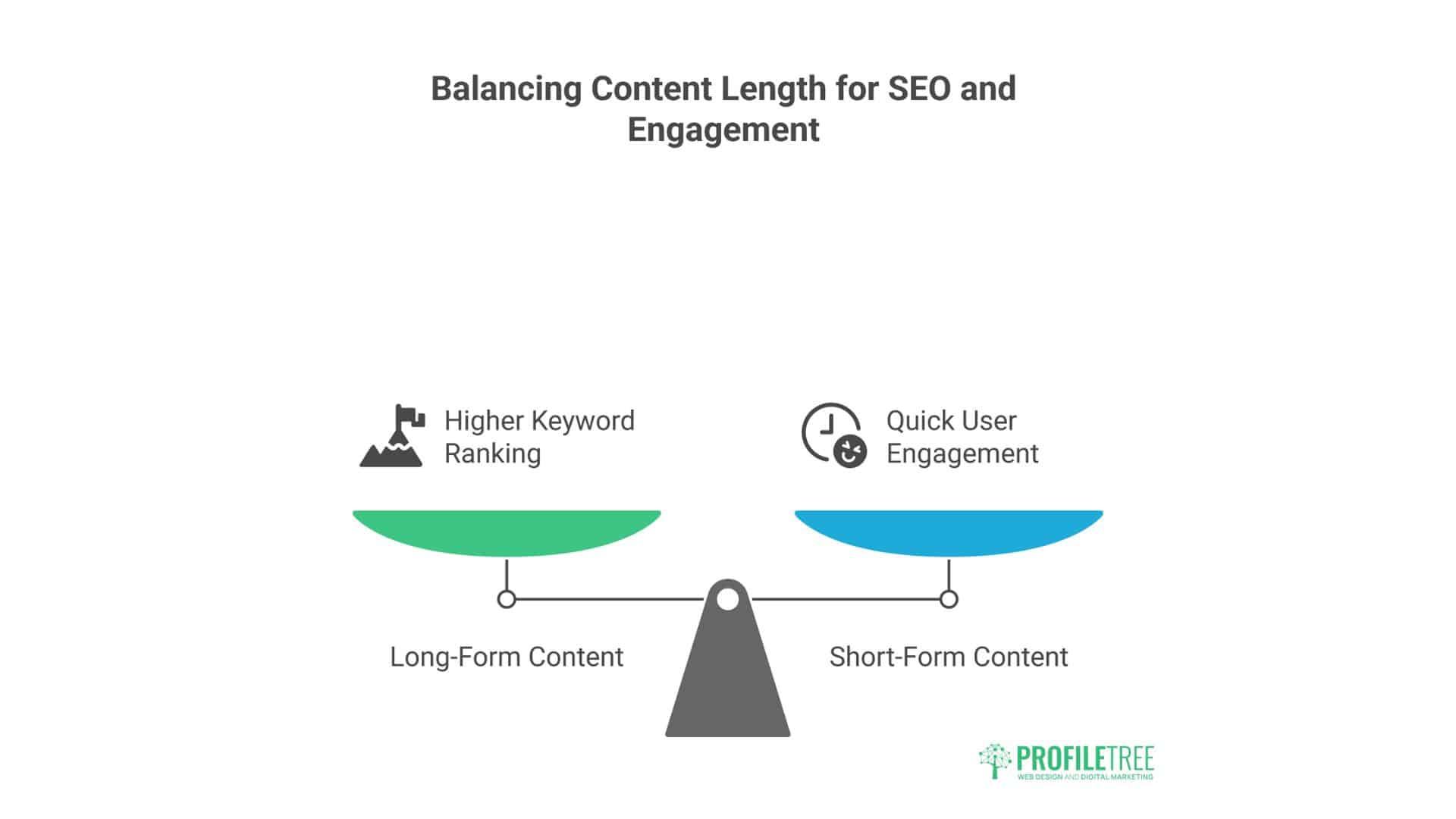
Content length significantly impacts both search engine rankings and user engagement. Research indicates that comprehensive, long-form content typically outperforms shorter pieces for competitive keywords.
Optimal Length Guidelines:
- Blog posts: 1,500-2,500 words for competitive topics
- Service pages: 800-1,200 words with clear conversion focus
- Product descriptions: 150-300 words, depending on complexity
- Social media posts: Platform-specific optimisation
However, length alone doesn’t determine quality. Content must maintain reader interest throughout whilst delivering consistent value. Break up longer pieces with subheadings, bullet points, and visual elements.
Readability and Accessibility
Content accessibility benefits both users and search engines. Clear, well-structured writing serves diverse audiences whilst supporting SEO objectives.
- Flesch Reading Score: Aim for scores between 60 and 70, indicating that the content is accessible to users with secondary education. Technical topics may require higher complexity, but always prioritise clarity.
- Sentence and Paragraph Structure: Vary sentence lengths to maintain rhythm. Keep paragraphs concise – typically 2-4 sentences for web content.
- Visual Hierarchy: Use headers, bullet points, and white space to create scannable content that users can quickly navigate.
Storytelling in Business Content
Compelling storytelling transforms dry business information into engaging narratives that resonate with readers emotionally while conveying important information.
- Customer Success Stories: Real examples of how your products or services solved specific problems provide social proof whilst illustrating benefits.
- Brand Narrative: Consistent storytelling across all content channels builds brand identity and emotional connections with audiences.
- Problem-Solution Framework: Structure content around customer challenges and your unique solutions, creating natural narratives that lead towards conversion.
Content Types Guide
Understanding different content formats enables strategic content planning that supports various business objectives and customer journey stages.
Blog Posts and Articles
Blog content serves multiple strategic purposes – attracting organic traffic, demonstrating expertise, nurturing leads, and supporting customer retention.
- Educational Content: How-to guides, tutorials, and explanatory articles attract users seeking information whilst positioning your business as a knowledgeable authority.
- Industry News and Analysis: Commentary on industry developments keeps your audience informed whilst showcasing thought leadership.
- Case Studies and Success Stories: Detailed examinations of client projects provide social proof whilst illustrating your capabilities and approach.
Website Copy and Service Pages
Website content must balance multiple objectives – communicating value propositions clearly, supporting SEO objectives, and guiding visitors towards conversion actions.
- Homepage Optimisation: Your homepage should immediately communicate what you do, who you serve, and why visitors should choose your business over competitors.
- Service Page Structure: Effective service pages explain benefits first, then features, supported by social proof and clear conversion opportunities.
- About Page Strategy: About pages build trust through authentic storytelling about your team, values, and unique approach to serving customers.
Product Descriptions
E-commerce content requires particular attention to search behaviour and conversion optimisation.
- Feature-Benefit Balance: Technical specifications matter, but customers buy based on how products solve problems or improve their lives.
- Search Optimisation: Product descriptions must incorporate relevant search terms naturally whilst maintaining persuasive, readable copy.
- Social Proof Integration: Reviews, ratings, and user-generated content support purchase decisions whilst providing fresh content for search engines.
“After helping hundreds of businesses across Northern Ireland and the UK transform their digital presence, I’ve seen firsthand how strategic content writing separates thriving companies from those struggling online,” explains Ciaran Connolly, Director of ProfileTree. “Content isn’t just about filling pages with words – it’s about creating digital assets that work around the clock to attract, engage, and convert your ideal customers. When we develop websites for clients, content strategy drives every decision from site structure to user experience design.”
Social Media Content
Social media platforms require platform-specific content strategies that align with user behaviour and platform algorithms.
- Platform-Specific Optimisation: LinkedIn content differs significantly from Instagram or Twitter content in length, tone, and visual requirements.
- Engagement Strategy: Social media content should encourage interaction – comments, shares, and saves – which increases reach and builds community.
- Brand Consistency: Maintain consistent voice and messaging across platforms whilst adapting format and style to platform norms.
Email Marketing Content
Email remains among the highest-ROI marketing channels, but success depends on strategic content creation and segmentation.
- Newsletter Strategy: Regular newsletters maintain customer relationships while providing opportunities to promote products, share insights, and drive website traffic.
- Automated Sequences: Welcome series, abandoned cart reminders, and post-purchase follow-ups require strategic content planning that nurtures relationships whilst driving action.
- Personalisation and Segmentation: Effective email content speaks directly to specific audience segments with relevant messaging and offers.
Business Applications

Content writing applications extend far beyond basic marketing materials. Strategic content creation supports every aspect of digital business growth.
Lead Generation
Content marketing attracts qualified prospects by providing valuable information related to your products or services.
- Gated Content Strategy: Whitepapers, guides, and exclusive resources capture contact information from interested prospects while demonstrating expertise.
- Search Engine Attraction: Optimised content attracts users actively searching for solutions you provide, creating warm leads with clear intent.
- Content Funnel Development: Strategic content planning guides prospects from awareness through consideration to purchase decision.
Brand Authority Building
Consistent, high-quality content establishes your business as a trusted authority within your industry.
- Thought Leadership: Original insights, analysis, and commentary position your business leaders as industry experts.
- Educational Resources: Comprehensive guides and tutorials demonstrate deep knowledge whilst providing genuine value to your audience.
- Media Coverage: Well-crafted content attracts attention from journalists, bloggers, and industry publications, amplifying your reach.
Customer Retention
Content marketing supports customer relationships long after initial purchases.
- Educational Support: How-to content, best practices guides, and troubleshooting resources help customers succeed with your products or services.
- Community Building: Regular content creates ongoing touchpoints that maintain relationships and encourage repeat business.
- Upselling Opportunities: Strategic content naturally introduces additional products or services that complement existing purchases.
Search Engine Visibility
Content creation directly impacts search engine rankings for relevant business keywords.
- Local SEO Benefits: Location-specific content helps businesses attract customers in Northern Ireland, Ireland, and the UK.
- Long-Tail Keyword Targeting: Comprehensive content naturally incorporates specific phrases that potential customers use when searching.
- Authority Building: Regular publication of high-quality content signals to search engines that your website is an active, valuable resource.
Professional Services
Many businesses benefit from partnering with professional content writing services rather than attempting to manage content creation internally.
When to Hire Content Writers
Several indicators suggest professional content writing services will provide better ROI than internal efforts.
- Time Constraints: Business owners and marketing teams often lack the time to research, write, and optimise content consistently.
- Expertise Requirements: Effective content writing requires ongoing education about SEO changes, platform updates, and industry best practices.
- Scale Demands: Growing businesses need increasing content across multiple channels, quickly overwhelming internal resources.
- Specialisation Needs: Some industries require specific knowledge and experience that general staff members may not possess.
Choosing Content Writing Partners
Selecting the right content writing service or agency requires careful evaluation of several factors.
- Portfolio Review: Examine samples across different industries and content types to assess writing quality, style flexibility, and results achieved.
- SEO Knowledge: Professional content writers should demonstrate a clear understanding of current SEO best practices and algorithm updates.
- Industry Experience: Writers familiar with your sector can create more authoritative, relevant content that resonates with your target audience.
- Process Transparency: Before committing to partnerships, understand their content creation process, revision policies, and communication methods.
Content Strategy Development
Professional content services often provide strategic planning alongside writing services.
- Competitive Analysis: Understanding what content competitors create helps identify opportunities and differentiation strategies.
- Keyword Research: Professional research identifies high-value keywords that align with business objectives and audience needs.
- Content Calendar Planning: Strategic scheduling coordinates content creation with business goals, seasonal trends, and marketing campaigns.
- Performance Measurement: Professional services typically provide detailed analytics and reporting on content performance and ROI.
Integration with Digital Marketing
Content writing works most effectively when integrated with broader digital marketing strategies.
- Web Design Coordination: From project inception, the content strategy should influence website structure, navigation, and user experience design.
- Social Media Alignment: Content themes and messaging should remain consistent across blog posts, social media, and email marketing.
- Paid Advertising Support: Content creation can support paid advertising campaigns by providing landing page copy and ad creative elements.
- Video Production Coordination: Written content can complement video marketing efforts through scripts, descriptions, and supporting blog posts.
Measuring Content Success
Effective content writing requires ongoing measurement and optimisation to achieve business objectives.
Key Performance Indicators
Different content types require different success metrics aligned with specific business goals.
- Organic Traffic Growth: Monitor increases in search engine traffic for target keywords relevant to your business.
- Engagement Metrics: Track time on page, bounce rates, and social sharing to assess content quality and relevance.
- Lead Generation: Measure contact form submissions, newsletter signups, and content download requests generated through content marketing.
- Conversion Rates: Analyse how content contributes to sales, inquiries, and other desired business outcomes.
Content Optimisation
Regularly analysing and improving existing content often provides better ROI than creating entirely new pieces.
- Performance Analysis: Identify top-performing content and analyse elements that contribute to success.
- Update Strategy: Refresh outdated information, add new insights, and improve SEO elements in high-performing content.
- Repurposing Opportunities: Transform successful blog posts into videos, infographics, social media series, or email courses.
- Gap Identification: Analyse search console data and customer questions to identify content topics that could drive additional traffic and leads.
Future of Content Writing
Content creation continues evolving with technological advances and changing user behaviours.
AI and Automation Tools
Artificial intelligence tools can support content creation while requiring human oversight for quality and strategy.
- Content Ideation: AI tools can suggest topics, headlines, and content angles based on keyword research and competitive analysis.
- Draft Creation: AI can produce initial drafts that human writers refine, fact-check, and optimise for specific audiences and objectives.
- SEO Optimisation: Automated tools can suggest keyword integration, meta descriptions, and structural improvements.
- Quality Control: Human expertise remains essential for fact-checking, brand voice consistency, and strategic alignment.
Platform Evolution
New platforms and changing algorithms require adaptive content strategies.
- Voice Search Optimisation: Increasing voice search usage requires content optimised for conversational queries and local search.
- Video Integration: Text content increasingly supports video marketing through scripts, descriptions, and accompanying blog posts.
- Mobile-First Content: Growing mobile usage requires content explicitly formatted for mobile consumption patterns.
- Interactive Elements: Modern content often incorporates polls, quizzes, calculators, and other interactive elements that increase engagement.
FAQs
How long should website content be?
Content length depends on purpose and competition. Blog posts typically perform better at 1,500+ words for competitive topics, while product descriptions need 150-300 words. Service pages should be comprehensive enough to address customer questions while focusing on conversion.
How often should I update website content?
Regular updates benefit both users and search engines. Add new blog posts weekly or bi-weekly, update service pages quarterly, and refresh homepage content monthly. Monitor analytics to identify content that needs updating based on performance changes.
What’s the difference between copywriting and content writing?
Copywriting focuses primarily on persuasion and direct response – sales pages, advertisements, and email campaigns. Content writing encompasses broader objectives, including education, entertainment, and relationship building, alongside conversion goals.
Taking Action: Transform Your Business with Strategic Content
Content writing success requires strategic planning, consistent execution, and ongoing optimisation. Start by auditing your existing content, developing a content calendar that balances education with promotion, and measuring results to guide future strategy.
Ready to accelerate your business growth through professional content writing? ProfileTree combines content strategy with web design, SEO, and digital marketing expertise to deliver measurable results for businesses across Northern Ireland, Ireland, and the UK.
Contact ProfileTree today or call 028 9568 0364 for your free consultation and discover how strategic content writing can transform your digital presence into a lead-generating asset. Want to know more about what content writing is? For more advice or information, get in touch with us today.