
Social Media Marketing to Promote Food Products: The UK Business Playbook
Table of Contents
If you want to promote food products in the UK right now, social media isn’t a nice extra; it’s the main channel where people find, judge and buy what they eat. What once needed a big advertising budget or a slot in a print magazine can now be achieved with a well-timed post, a genuine recipe video, or a partnership with the right food creator. From artisan producers in County Antrim to national snack brands stocked in every major supermarket, the brands that are winning share three habits. They choose platforms deliberately instead of posting everywhere at once. They publish content built around genuine value rather than self-promotion. And they measure results against sales, not likes.
This guide sets out what using social media to promote food products actually involves in the UK market, which has its own advertising rules, economic pressures, and retail market. It covers platform strategy, content that actually converts, the ASA and HFSS rules that govern food advertising, and the metrics that tell you whether a campaign worked.
Why Social Media Matters for Food Brands
Social media has become the primary discovery engine for food brands of every size, from small producers to national names. According to the Advertising Standards Authority’s guidance on food and social media, digital platforms are now where food choices get influenced and acted on, not just where they get discussed after the fact.
Most food brands still leave value on the table. They post inconsistently, duplicate the same content across every channel, and treat engagement as a vanity metric rather than a sales signal. Understanding how the strongest brands are using social media to promote food products, and where the rest fall short, comes down to three things: platform strategy, content quality and measurement discipline.
The cost-of-living pressure has reshaped what works, too. Aspirational food photography has given ground to content with practical use: recipes that stretch a weekly shop, batch-cooking guides, and honest sourcing stories. Shoppers scrolling a feed at the end of a long week respond to brands that acknowledge the budget they’re working with rather than brands that ignore it.
At ProfileTree, a Belfast-based digital marketing agency founded by Ciaran Connolly in 2011, we’ve delivered social media and content strategy for food businesses across Northern Ireland, Ireland and the UK, and this shift shows up directly in the campaigns that perform. The brands growing fastest aren’t the ones with the biggest photography budgets. They’re the ones producing content built around genuine utility.
Choosing the Right Platforms to Promote Food Products
Using social media to promote food products starts with choosing the right platform, and that choice matters as much as choosing what to say. Each platform has a different algorithm, a different audience and a different content format, and a strategy built for TikTok won’t transfer directly to Pinterest or LinkedIn.
Brands that try to be everywhere with the same content typically do well nowhere. Start by working out where your target customer already spends time, then match the platform to that audience rather than the other way round; a specialist cheese producer targeting food enthusiasts will usually find stronger results on Instagram and Pinterest than on TikTok, while a student-facing snack brand will gain more traction on TikTok and YouTube Shorts.
TikTok for Food Discovery
TikTok has changed how people discover food brands, and its algorithm rewards content quality over follower count, so a small producer can reach a large audience with one well-made video. The “FoodTok” community is one of the platform’s most active corners, and a small brand doesn’t need a household name to be featured in it.
Food marketing on social media platforms like TikTok works best around “entertaining utility”: content that teaches the viewer something useful while staying genuinely watchable. Think “three ways to use this sauce in ten minutes” rather than “buy our sauce.” The platform’s search function is used increasingly like a traditional search engine, so keyword-rich captions and on-screen text in the opening seconds both matter, and captions written for search tend to outperform captions written purely for tone.
Instagram for Visual Authority and Sales
Instagram remains the most established platform to promote food products visually. Reels, Stories and shoppable posts give brands a full journey from discovery to purchase inside one app, which is still rare among social platforms.
Reels build reach through the algorithm. Stories keep daily contact with existing followers and drive short-term conversion through product tags. Feed posts build credibility over time. High-quality photography still matters, but the shift towards video means brands publishing only static imagery are losing reach compared with those mixing in Reels. Instagram Shopping, set up properly, removes friction between seeing a recipe video and buying the product it features.
Pinterest for Long-Tail Recipe Traffic
Pinterest is underused by UK food brands, which is an advantage for those who do invest in it. The platform works like a visual search engine, and content posted today can keep driving traffic for months or years, unlike the short shelf life of most social posts, which tends to fade within a day or two.
A Pinterest presence built around recipe content, with the product featured naturally as an ingredient or a tool, earns long-tail organic traffic from people searching for specific meals, diets or occasions. Rich pins add extra product information directly in the feed, which helps close the gap between browsing and buying.
YouTube for Brand Storytelling
YouTube sits between social media and search. For food brands with a story to tell, whether that’s production methods, provenance or supplier relationships, it’s the format built to tell that story properly. ProfileTree’s video marketing and production work covers food brand storytelling through to full channel strategy for businesses across Northern Ireland and the UK.
Treat YouTube as a content library rather than a broadcast channel. Each video should answer one specific question: how to cook with an ingredient, why a production method matters, or what makes a product different from the generic alternative. Videos built this way keep earning views long after the upload date, because they’re answering a question people search for on an ongoing basis.
LinkedIn for Retail and Trade Relationships
LinkedIn is easy to overlook when planning how to promote food business growth, yet it’s the main channel for reaching retail buyers, distributors and foodservice decision-makers. If getting onto supermarket shelves or into catering supply chains is part of the plan, LinkedIn isn’t optional.
Thought leadership posts, trade press coverage and behind-the-scenes production content all perform well here. The goal isn’t mass reach; it’s targeted credibility with the audience that can actually open commercial doors, and a handful of the right connections often matters more than thousands of impressions.
Content That Builds Authority and Drives Sales
Content strategy is where most food brands underinvest, and it shows in the results. Generic product photography was enough five years ago. Today, audiences expect real value, and platforms reward content that earns comments and saves over passive scrolling. A small set of recurring content pillars, such as recipe creation, sourcing, behind-the-scenes production and customer stories, keeps every post working towards the same brand and commercial goals. These pillars are what separate brands that are simply using social media to promote food products from those using it to build lasting trust.
Visual Storytelling Beyond the Perfect Shot
The strongest food content tells a story about people and process, not just a product. Showing the hands that made something, the farm it came from, or the kitchen it belongs in builds an emotional connection that a product shot alone can’t manage, particularly for artisan and provenance-led brands.
On TikTok and Instagram Reels, an authentic clip filmed on a phone in good light regularly outperforms a polished branded film with no practical use. Put the budget into the idea, not the production. For still photography, natural side-lighting, clean backgrounds and close-up texture shots do most of the work; for video, sound (the crunch, the sizzle) carries as much weight as the picture, and it’s often the detail that gets a clip shared.
Recipe-Led Content That Sells the Product
Recipe content is one of the most effective ways to promote products on social media because it turns the product into a solution rather than an object, and it earns shares and saves in a way a straight product post rarely does.
Specific, honest recipe content beats vague inspiration every time. “Three-ingredient weeknight pasta with our basil sauce” will outperform “delicious dinner ideas” because it solves a real problem: what to cook on a Tuesday with twenty minutes and not much else. Being upfront about how easy or difficult a recipe is builds trust that pays off on the next post, too.
Ciaran Connolly, founder of ProfileTree, puts it simply: “The food brands we see growing fastest on social media aren’t the ones with the biggest photography budgets. They’re the ones that genuinely help their audience solve a daily problem. When your content makes someone’s week easier, they come back, and they share.”
User-Generated Content and Customer Advocacy
User-generated content carries a credibility that branded posts can’t replicate; people trust other people over marketing copy, whatever the production quality. A single genuine photo from a real customer often performs better than a professionally shot campaign image.
A working UGC programme needs three things: a reason for customers to share (a memorable unboxing, a striking product, a recipe challenge), a way to collect it (a branded hashtag or a post-purchase prompt), and a process for featuring and rewarding the best entries. Recipe competitions using your product tend to generate content, build community and provide social proof all at once, and they cost far less than a traditional campaign.
Choosing the Right Influencer Partners
Follower count is a secondary consideration when choosing partners to promote food products; audience quality, genuine engagement and topical relevance matter more.
For UK food brands, micro-influencers with a real focus on food consistently outperform celebrity partnerships. Their audiences are more engaged, their recommendations carry more weight, and their rates are considerably lower, which makes testing several smaller partnerships more affordable than betting everything on one large name. The best briefs give creators real creative freedom within clear parameters; a script that reads like an advert produces content that performs like one.
UK Compliance and Advertising Standards
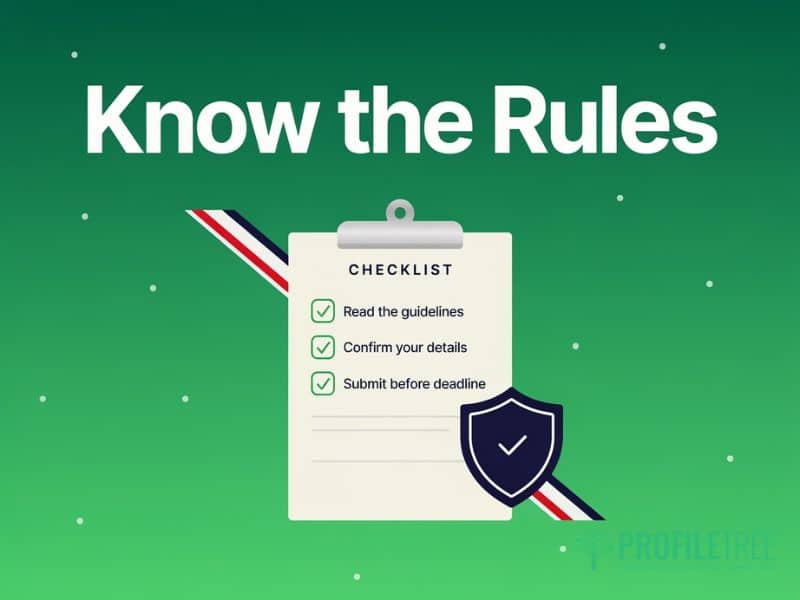
Compliance is the section most brands skip, and it’s the one that causes the most damage when ignored. Get these rules wrong, and using social media to promote food products turns from an advantage into a liability. UK food brands operate under rules that differ meaningfully from the US-focused advice found on most marketing blogs, and getting them wrong can undo months of good content work in a single ruling.
ASA Rules on Influencer Disclosure
The Advertising Standards Authority requires that any paid, gifted or incentivised collaboration between a brand and a creator is clearly disclosed, and the disclosure has to appear before the audience needs to engage with the content, at the start of a caption rather than buried at the end.
Terms like “Ad”, “Paid Partnership” and “Gifted” are acceptable. Vaguer phrasing such as “thanks to” or “in collaboration with” is not. A public ASA ruling tends to cause more reputational damage than any short-term gain from an undisclosed partnership, and it can also make future influencer partners more cautious about working with the brand at all.
HFSS and Less Healthy Food (LHF) Advertising Restrictions
UK rules on advertising less healthy food and drink, still widely known by the older HFSS label, tightened considerably from 5 January 2026. Paid online advertising of an identifiable, less healthy product, across the thirteen regulated categories set out in the relevant regulations, is now banned outright online, with no watershed and no audience threshold to plan around.
There’s a carve-out worth knowing for smaller operators: businesses with fewer than 250 employees globally are currently exempt from the paid online ban, though they still have to follow the older rules on not directing HFSS advertising at under-16 audiences. A narrow brand-advertising exemption exists, too; a campaign can talk about the brand in general terms, but showing or clearly implying a specific, less healthy product loses that exemption.
None of this touches organic content. Brands affected by the restrictions can still promote food products through organic posts, influencer partnerships and community engagement on their own channels; the ban applies to paid amplification, not to the content itself. Given how much depends on a product’s exact classification and whether the SME exemption applies, checking current ASA guidance before a paid campaign goes live is worth the ten minutes it takes.
Health Claims and Labelling Rules
Any health or nutrition claim made in social content sits under the UK Register of Nutrition and Health Claims. Phrases such as “high in protein”, “good source of fibre” or “supports gut health” have to meet specific criteria before they can be used. Vague wellness language that implies a benefit without technically making a regulated claim is attracting growing scrutiny, so the safest approach is to make only the claims your product’s labelling already supports, and to check new copy against that labelling before it’s published rather than after.
Measuring ROI Beyond Likes
Whether using social media to promote food products is actually paying off comes down to what you choose to measure, not how much data you collect. Measuring social performance is where many food brands fail, not through a lack of data but through tracking the wrong things. Likes, follower counts and reach are easy to report and largely disconnected from the outcomes that actually matter to the business.
Metrics That Actually Connect to Revenue
Engagement rate (interactions divided by reach) tells you more about content quality than raw engagement numbers, because it accounts for audience size and gives a comparable figure across content types and time periods.
Click-through rate from social to product pages shows whether content is genuinely prompting purchase intent; high reach with low CTR means the content entertains but doesn’t convert. Add-to-cart rate from social traffic shows whether the audience arriving is ready to buy. Repeat purchase rate among customers acquired through social channels is the clearest signal that content is attracting the right people rather than just an audience, and it’s the metric most worth tracking over the long run.
Building a Testing Rhythm
Use data to shape what you do next, not just to report what already happened. Run structured tests: two versions of the same core idea with one variable changed, such as caption style, thumbnail, posting time or format, measured over a consistent period, then apply what you learn to the next batch of content.
A monthly review of how a brand is using social media to promote food business growth should answer four questions: which content earned the most engagement relative to reach, which drove the most traffic to product pages, how social traffic converted compared with the previous period, and what single change is most likely to improve next month’s results.
Integrating Social Media With Your Wider Digital Strategy
Social media doesn’t work in isolation. The strongest approaches connect it to a wider digital marketing strategy, a well-structured website, and email, with each part supporting the others rather than working alone.
Social builds awareness and trust. The website converts. Email retains. Weakness in any one limits what the others can achieve, so a brilliant Reel that lands on a slow, unclear product page still loses the sale. Brands serious about using social media to promote food products should treat their content marketing and on-site SEO as part of the same plan, not a separate workstream, so that traffic from a viral recipe video lands on a page built to convert it. Food business owners who want to bring more of this in-house can build the underlying skills through digital training covering social strategy, content creation and analytics in a practical, hands-on format.
Next Steps for UK Food Brands
Social media rewards food brands that treat it as a discovery and trust-building channel rather than a broadcast tool. Pick platforms based on where the audience already is, publish content that gives people something useful, follow the ASA and HFSS rules without treating them as an afterthought, and measure against revenue rather than reach. Do those four things consistently, and the results compound over time, long after any single viral post has been forgotten. For brands ready to put a proper strategy behind their social channels, ProfileTree’s social media marketing services can help build that plan from the ground up.
FAQs
1. Do HFSS rules affect organic social media content?
No. The HFSS restrictions apply only to paid-for advertising and paid amplification. Organic posts, influencer partnerships and community engagement fall outside them.
2. How often should a food brand post on social media?
Three to four quality posts per week on each active platform will usually outperform daily posting of inconsistent content. Set a cadence you can sustain and prioritise quality over volume.
3. How can a small food brand promote its food products against bigger competitors?
Authenticity, agility and personality. A family-run producer can show the people and process behind a product in ways a larger, corporate brand can’t, and micro-influencer partnerships plus recipe-led content scale down effectively.
4. What should a UK food brand include in an influencer brief?
The product with a clear usage context, any claims the creator must avoid, the required ASA disclosure wording, the creative freedom on offer, the deliverable format and timeline, and the compensation arrangement. Keep it focused rather than prescriptive.
5. How do I know if social media is actually driving food sales?
Use UTM parameters on social links to attribute sessions and conversions in your analytics platform, and set up e-commerce tracking for add-to-cart and purchase events. Compare the conversion rate of social traffic against other channels to judge its real commercial value.