
Instagram Campaign Mastery: How UK Brands Win in 2026
Table of Contents
Instagram has transformed from a simple photo-sharing platform into a sophisticated marketing channel that drives measurable business results. With over 1 billion monthly active users and 75% of users taking action after being inspired by content, the platform offers significant commercial potential for UK brands. However, success in 2026 requires more than posting attractive images—it demands a strategic approach that combines an understanding of algorithms, regulatory compliance, and conversion-focused tactics.
This comprehensive guide provides marketing managers and business owners with actionable strategies to build effective Instagram campaigns that generate leads, drive sales, and deliver quantifiable ROI. Whether you’re establishing your first business presence or refining an existing strategy, these proven techniques will help you maximise your Instagram marketing impact.
The Instagram Algorithm in 2026: From Feed to Search Engine
The Instagram algorithm has significantly altered how content reaches its audiences. What began as a chronological feed has evolved into a complex discovery system that prioritises search functionality over passive scrolling. For UK businesses, understanding this shift is critical to campaign success.
The platform now functions as a visual search engine, where over 60% of content discovery occurs through the Search bar and Explore page, rather than the traditional feed. This transformation affects every aspect of campaign planning, from content creation to measurement strategies.
How Semantic Search Changes Instagram Marketing
Instagram’s algorithm now uses semantic video understanding to categorise and distribute content. Instead of relying solely on hashtags, the system analyses audio in Reels, text overlays on images, and natural language in captions to determine relevance and reach.
For a sustainable fashion brand in Manchester, using generic hashtags like #Fashion delivers minimal impact. The algorithm searches for specific phrases within your content—”organic cotton dresses UK” or “sustainable workwear Manchester”—to match user search queries. This semantic approach requires keywords to appear naturally in captions, on-screen text, and even spoken audio.
The technical implementation involves several key elements. Caption text should open with your primary keyword phrase within the first sentence. Alt-text in Advanced Settings needs manual optimisation using UK English spellings and descriptive terminology. On-screen text overlays in Reels must include searchable phrases rather than vague statements. Audio selection should align with UK-trending sounds to signal local relevance.
The New Engagement Hierarchy That Drives Reach
Not all interactions carry equal weight in the 2026 algorithm. Analysis of high-performing UK campaigns reveals a clear hierarchy that determines content distribution:
Saves represent the highest value signal. When users bookmark your content for later reference, the algorithm interprets this as high-utility content worth showing to similar audiences. Saves indicate intent to revisit and often correlate with purchase consideration.
Shares to Direct Messages signal community trust and external viral potential. Content shared privately demonstrates that users find it valuable enough to recommend personally, which carries more weight than public engagement.
Watch Time and Completion Rate matter critically for Reels. The algorithm tracks what percentage of your video viewers watch and whether they replay or skip. Higher completion rates exponentially increase distribution.
Comments now require depth to have an impact. The algorithm filters short responses and emoji-only reactions. Comments exceeding four words that demonstrate genuine engagement receive preferential treatment.
Likes have become the lowest-weight metric. While not entirely discounted, likes alone generate minimal algorithmic boost compared to other engagement types.
“Instagram campaign success in 2026 depends on creating content that people want to save and share, not just like. We advise clients to focus on educational value and practical utility rather than purely aesthetic appeal,” notes Ciaran Connolly, Director at ProfileTree.
Navigating UK Regulatory Requirements for Instagram Campaigns
UK brands face specific regulatory requirements that don’t apply to international competitors. The Advertising Standards Authority (ASA) has transitioned from providing advisory guidance to actively enforcing compliance, making it a non-negotiable aspect of campaign strategy.
Understanding and implementing these requirements protects your brand from penalties while building trust with increasingly savvy consumers who expect transparency.
The HFSS Advertising Ban and Alternative Strategies
As of January 2026, UK legislation prohibits paid promotion of High Fat, Sugar, and Salt (HFSS) products across social media platforms. If your brand falls under this classification, your entire strategy must pivot to organic community building and inbound social SEO.
Food and beverage brands can no longer rely on paid advertising to reach target audiences. Instead, campaigns must focus on educational content, recipe development, brand storytelling, and community engagement that adheres to non-promotional formatting guidelines.
Practical approaches include creating cooking tutorials that naturally feature products, sharing nutritional information and stories about ingredient sourcing, building user-generated content campaigns that encourage customers to share their experiences, and developing branded hashtag movements centred on food culture rather than product promotion.
The restrictions apply to both direct promotion and indirect marketing through influencer partnerships. Brands must structure campaigns around value creation rather than explicit product messaging.
ASA Disclosure Requirements and Shadow-Banning Risks
The ASA’s 2025 Influencer Monitoring Report found that 40% of UK creators still fail to disclose paid partnerships correctly. In response, Instagram’s algorithm now limits reach for content flagged by users for lacking transparency.
Proper disclosure requires multiple elements. The platform’s built-in “Paid Partnership” label must be activated for all sponsored content. The hashtag #Ad needs to be placed at the beginning of the caption, not hidden in “read more” sections. Disclosure language should be clear and unambiguous, avoiding vague terms like “thanks to” or “gifted.”
Hidden disclosures trigger algorithmic penalties and potential ASA investigations. The platform’s automated systems detect language patterns indicative of disclosure and flag content for review. Accounts with repeated violations face reach restrictions that can last months.
For agencies and brands working with influencers, contracts should include specific disclosure requirements, along with examples of compliant caption formatting. Regular audits of partner content help catch issues before they escalate to formal complaints.
Building a Full-Funnel Instagram Content Strategy
Effective Instagram campaigns require content that addresses every stage of the customer journey. A single content type cannot generate awareness, build consideration, and drive conversion simultaneously. Strategic planning distributes different content formats across the funnel to move audiences toward purchase decisions.
This approach differs significantly from the “post and hope” methodology that dominated early Instagram marketing. Modern campaigns map content types to specific business objectives and audience segments.
Top-of-Funnel Awareness: Reels for Discoverability
Instagram Reels represent the most powerful awareness tool on the platform. The algorithm prioritises Reels distribution to non-followers, making them ideal for reaching new audiences beyond your existing community.
Successful awareness Reels share common characteristics. They capture attention within the first second by using pattern interrupts or posing compelling questions. They deliver value quickly without requiring prior knowledge of the brand. They include searchable keywords in captions and on-screen text. They use trending UK audio to signal local relevance.
Content themes for awareness include industry education that positions your expertise, identifying common problems that resonate with target audiences, providing quick tips and tutorials that deliver immediate value, and behind-the-scenes content that humanises your brand.
Technical specifications matter for algorithm performance. Reels should run 7-15 seconds for optimal completion rates. Text overlays need high contrast for mobile readability. Audio should match current UK trending sounds rather than international tracks.
Middle-of-Funnel Consideration: Carousels and Stories
Once audiences recognise your brand, carousel posts and Stories build deeper engagement and consideration. These formats enable the sharing of detailed information without the brevity constraints of Reels.
Carousel posts excel at conveying educational content, where multiple images or slides effectively communicate complex information. Case studies presented across 5-7 slides, step-by-step tutorials with visual progression, before-and-after transformations, and comparison guides all perform well in carousel format.
Stories serve different strategic purposes. Their 24-hour lifespan creates urgency while their informal format encourages authentic connection. Stories work particularly well for polls and questions that generate direct audience feedback, provide quick updates and time-sensitive offers, share user-generated content that builds community, and feature day-in-the-life content that fosters familiarity.
Story Highlights preserve valuable content beyond the 24-hour window. The Organised Highlights function serves as a permanent resource library, covering topics such as product education, customer testimonials, FAQ responses, and process explanations.
Bottom-of-Funnel Conversion: Direct Messages and Broadcast Channels
The final stage focuses on direct communication that converts interest into customers. Instagram’s messaging features create private channels for personalised engagement that move beyond public content.
Automated Direct Message sequences triggered by Story interactions provide personalised responses at scale. When users reply to a Story with specific keywords, automated flows deliver relevant information, booking links, or consultation offers.
Broadcast Channels, launched in 2024, offer one-to-many messaging for subscribers who opt in to receive updates. These channels work effectively for exclusive offers and early access, product launch announcements, educational content series, and community building among your most engaged followers.
The conversion strategy combines these tools into a coherent system. Awareness content in Reels drives profile visits. Consideration content in carousels and Stories builds trust and authority. Conversion prompts in Stories direct engaged users to Direct Messages. Automated sequences provide information and capture leads. Broadcast Channels maintain relationships with converted customers.
Instagram Campaigns for B2B and Professional Services
Instagram’s evolution as a professional networking platform creates opportunities for B2B brands and service providers often overlooked in consumer-focused guides. Professional services in London and UK regions increasingly use Instagram for recruitment, partnerships, and lead generation.
B2B content strategy differs from consumer approaches. Professional audiences expect industry insights and thought leadership, case studies demonstrating measurable results, team expertise and credentials, and process transparency that builds confidence.
Reels work particularly well for explaining complex services in accessible formats. A web development agency might create Reels that explain technical concepts in plain language, showcase project transformations, share team problem-solving processes, or address common client concerns.
LinkedIn-style content adapted for Instagram’s visual format resonates with professional audiences. This includes infographic-style posts presenting research or statistics, quote graphics from industry leaders or your team, carousel presentations of frameworks or methodologies, and video testimonials from business clients.
Professional services campaigns should direct audiences toward consultation bookings rather than immediate purchases. Stories featuring “Book a Call” stickers, carousel posts concluding with consultation offers, and exclusive Broadcast Channel workshops all support this conversion path. <h2 id=”performance-measurement”>Measuring Instagram Campaign Performance and ROI</h2>
Campaign success requires measurement systems that connect Instagram activity to business outcomes. Vanity metrics, such as follower count and likes, provide minimal insight into commercial performance. Effective measurement tracks specific actions that contribute to revenue generation.
For UK businesses operating in competitive markets, understanding return on investment separates profitable campaigns from expensive brand exercises.
Essential Metrics for Campaign Analysis
Instagram Insights provides native analytics for business accounts. The platform tracks several categories of data that inform strategic decisions:
Reach metrics indicate the number of unique accounts that view your content. Growth in reach indicates expanding awareness. Declining reach suggests algorithm penalties or content misalignment with audience interests.
Engagement rate calculates interactions as a percentage of reach. This normalised metric allows comparison across posts with different distributions. Engagement rate reveals which content types and topics resonate most strongly.
Save rate has emerged as the most predictive metric for commercial success. Content that audiences bookmark demonstrates utility and frequently correlates with conversion intent. High save rates signal content worth amplifying through paid promotion.
Profile visits indicate the effectiveness of content in driving discovery actions. Audiences who visit your profile after seeing content demonstrate elevated interest levels. Profile visit rates help identify which content types attract qualified audiences.
Website clicks tracked through link clicks in bio, Stories, and Reels directly measure traffic generation. Combined with Google Analytics, this data reveals Instagram’s contribution to site visits and conversions.
Direct Message volume indicates audience desire for personal engagement. Spikes in DMs following specific content reveal topics that generate consultation requests or purchase inquiries.
Budget Planning and Cost Benchmarking for UK Campaigns
Paid Instagram advertising supplements organic reach with targeted distribution, enhancing visibility and engagement. UK brands face specific cost considerations based on market competition and audience targeting parameters.
The average Cost Per Click (CPC) for UK Instagram ads ranges from £0.40 to £1.20, depending on the industry and targeting specificity. Fashion and beauty brands typically see higher costs due to platform saturation. Professional services often achieve lower CPCs targeting specific job titles or industries.
Cost Per Thousand Impressions (CPM) averages £5-£15 for UK campaigns. CPM varies based on audience competitiveness, ad creative quality, and seasonal factors. December costs typically increase 30-40% due to retail competition.
Budget allocation strategies should distribute spending across campaign objectives. Awareness campaigns using Reels Ads typically require higher budgets but lower CPCs. Consideration campaigns targeting engaged audiences with carousel ads achieve moderate costs with higher conversion rates. Conversion campaigns using retargeting deliver the highest conversion rates, but they require a substantial existing traffic volume.
A practical UK campaign budget structure might allocate 40% to awareness Reels reaching cold audiences, 30% to consideration carousels targeting profile visitors and content engagers, and 30% to conversion campaigns retargeting website visitors.
Conversion Tracking and Attribution
Connecting Instagram activity to revenue requires proper implementation of tracking. The Meta Pixel installed on your website tracks visitor behaviour and enables conversion measurement.
Pixel events should fire for specific actions, including page views, content views, adding to cart, initiating checkout, and making a purchase. Each event provides data for optimisation and attribution analysis.
Custom conversions enable the tracking of non-standard actions, such as consultation bookings, quote requests, or resource downloads. These conversions may not generate immediate revenue but indicate qualified leads entering your sales process.
Attribution windows determine how long after a user sees or clicks an ad a conversion receives credit. Standard attribution uses 7-day click and 1-day view windows. Businesses with longer consideration periods should analyse longer attribution windows to capture full campaign impact.
UTM parameters appended to Instagram bio links and Story links enable Google Analytics tracking. These parameters precisely identify traffic sources, showing which campaigns and content pieces drive site visits and conversions.
Advanced Growth Strategies for Instagram Campaigns
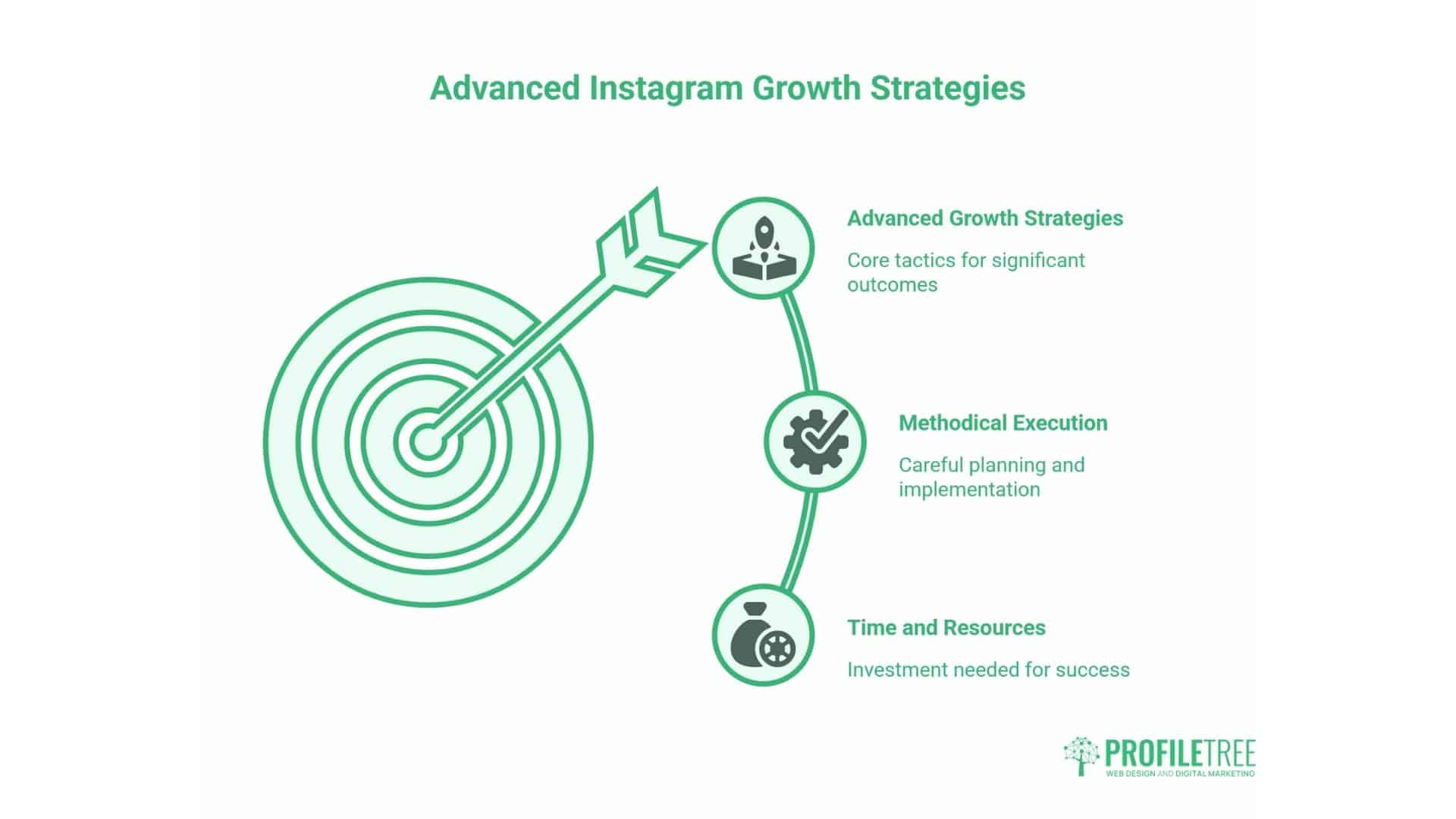
Beyond fundamental tactics, sophisticated growth strategies accelerate results for UK brands willing to invest time and resources in systematic implementation.
Influencer Partnerships Focused on Regional Micro-Communities
Influencer marketing has shifted from celebrity partnerships to hyper-local micro-communities. UK brands achieve a better ROI by working with creators who have 5,000-50,000 followers in specific regions or niche interests, rather than national influencers with generic audiences.
Regional micro-influencers offer several advantages. Their audiences concentrate in specific UK cities or regions, making them ideal for businesses with local service areas. Their engagement rates typically exceed those of macro-influencers, as smaller communities tend to interact more actively. Their partnership costs remain accessible for SME budgets while delivering measurable impact.
Identifying relevant influencers requires systematic research. Search for location-based hashtags related to your industry. Review who creates content around your business area. Analyse engagement quality rather than follower counts. Contact creators whose audiences align with your customer profiles.
Partnership structures should emphasise long-term relationships over one-off posts. Quarterly collaborations with 3-4 pieces of content build authentic advocacy. Monthly retainer arrangements for ongoing content creation and brand representation deliver consistent visibility. Product seeding to multiple micro-influencers generates aggregate reach across complementary audiences.
Compensation models vary based on influencer size and content requirements. Micro-influencers often accept product exchange for smaller campaigns. Flat fees per post work for specific campaigns. Affiliate commission structures align influencer incentives with conversion goals. Hybrid models that combine fixed fees and performance bonuses are more suitable for larger partnerships.
Instagram Shopping and Product Tagging for E-commerce
E-commerce brands can convert Instagram directly into a sales channel through Shopping features. Product tagging in posts and Stories creates browsable catalogues without leaving the platform.
Setting up the Instagram Shop requires several steps. First, connect your Instagram business account to a Facebook Page. Then create a product catalogue using Facebook Commerce Manager or integrate your existing e-commerce platform. Submit your account for review to enable Shopping features. Once approved, tag products in new and existing content.
Tagged products appear with shopping bag icons. Users tap to view product details, pricing, and links to make a purchase. This seamless experience reduces friction in the purchase journey, resulting in higher conversion rates compared to bio-link navigation.
Shopping features work particularly well in carousel posts that showcase multiple products, Stories featuring product close-ups with direct shopping tags, and Reels that demonstrate products in use with linked shopping tags.
Performance tracking for Shopping content reveals which products generate the most interest and sales. This data informs future content strategy and inventory decisions.
Systematic Content Repurposing Across Formats
Efficient content production requires systematic repurposing. A single piece of source content can generate multiple Instagram assets across different formats.
A comprehensive blog post about “Web Design Trends 2026” produced by your content marketing team can be repurposed into multiple Instagram assets. Key statistics are transformed into carousel slides or infographic posts. Main points are transformed into short Reels that explain individual trends. Supporting images provide standalone feed posts. Quotes are extracted into text-overlay graphics. The full post becomes a Story series with swipe-up links.
This approach maximises return on content investment. Instead of creating unique assets for each platform requirement, you develop source content thoroughly and adapt it systematically.
Video content offers particular repurposing potential. A single 10-minute YouTube video explaining SEO fundamentals can be broken down into 15-20 Instagram Reels, each highlighting one key point; a carousel post summarising the main framework; a Story series with chapter markers linking to the full video; and quote graphics from the most impactful statements.
Professional service firms benefit significantly from this approach. Technical expertise demonstrated in client presentations, training materials, or blog posts is effectively transformed into educational Instagram content that positions authority and attracts leads.
Instagram Campaign Integration with Business Services
Instagram campaigns deliver maximum value when integrated with broader marketing systems. For digital agencies and service providers, Instagram serves as a channel that raises awareness and consideration, ultimately feeding qualified leads into consultation funnels.
Connecting Instagram to Website Conversion Paths
Website traffic from Instagram requires deliberate journey planning. Generic homepage links waste the warm interest generated by engaging content. Strategic linking directs audiences to specific landing pages that are aligned with the content topics.
A Reel about video production techniques should link to a dedicated landing page about video services, not the agency homepage. A carousel explaining AI implementation for businesses should direct to an AI consulting service page with relevant case studies.
Landing pages optimised for Instagram traffic share specific characteristics. They open with a headline that echoes the Instagram content that drove the visit. They include the visual elements or concepts featured in the Instagram post to create continuity. They provide clear next steps, whether consultation booking, resource download, or case study viewing. They use a mobile-optimised design, as most Instagram traffic comes from mobile devices.
Traffic segmentation in Google Analytics enables the analysis of specific performance for Instagram visitors. This data reveals whether Instagram audiences convert at rates justifying ad spending and content investment.
Lead Generation Through Educational Content and Resources
Educational content positions expertise while generating qualified leads. When Instagram audiences discover valuable information, they are willing to exchange their contact details for access to more in-depth resources.
Lead magnets promoted through Instagram might include comprehensive guides on topics your services address, template collections that solve common client problems, webinar access featuring your expertise, consultation offers with assessment frameworks, or resource libraries containing curated tools and information.
The delivery mechanism matters for conversion rates. Story swipe-ups or Reel links should direct to simple landing pages with minimal form fields. The email address alone suffices for initial capture. Asking for company size, budget, or detailed needs reduces completion rates.
Once captured, email sequences nurture leads toward consultation bookings. These sequences provide additional value, share case studies, address common objections, and invite direct conversation about specific needs.
Positioning Services Through Problem-Solution Content
Service businesses often struggle with Instagram content strategy because physical products create more obvious visual opportunities. However, professional services generate equally engaging content by focusing on client problems and the transformational outcomes they achieve.
For a web design agency, effective Instagram content might include before-and-after website transformations showcasing performance improvements, Reels explaining common website mistakes that cost businesses conversions, carousel posts breaking down the website development process, Stories featuring client testimonials about the business impact, and case studies presented visually to show traffic and conversion growth.
For SEO services, content can highlight keyword research processes with real-world examples, ranking improvement timelines from actual campaigns, technical audit findings presented as educational content, and explanations of algorithm updates with strategic implications.
For digital training programmes, showcase participant transformations, explain complex concepts in simple terms, share training highlights and participant feedback, and demonstrate the practical applications of taught skills.
This content establishes authority, demonstrates results, and addresses prospect concerns before consultation calls. When leads book meetings, they arrive educated about your approach and confident in your expertise.
Instagram Campaign Tools and Platform Features
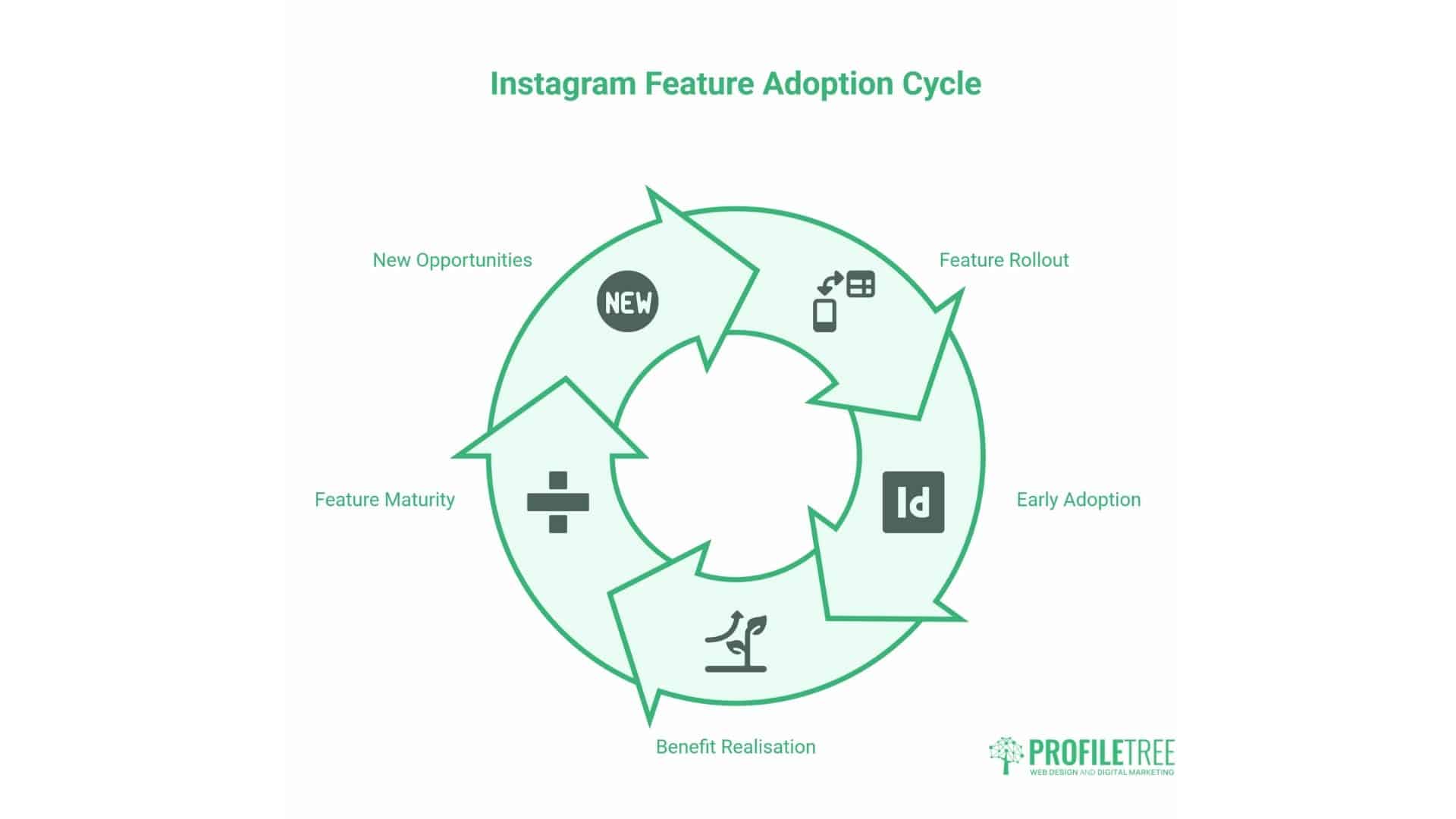
Instagram continuously introduces features that create new tactical opportunities. Staying current with platform evolution enables early adoption advantages before features become widely available.
Broadcast Channels for Direct Subscriber Communication
Broadcast Channels launched in 2024 provide one-to-many messaging for opted-in subscribers. Unlike Stories visible to all followers, Broadcast Channels reach only those who specifically join, creating a VIP communication tier.
Broadcast Channels work effectively for exclusive updates that are not suitable for the main feed. Early access offers rewards to engaged community members, educational content series are delivered in digestible instalments, and behind-the-scenes content is provided for loyal customers.
Channel growth requires promotion through Stories, feed posts, and Reels, encouraging followers to join and engage. The exclusive nature positions channel membership as valuable access rather than merely adding to the noise.
Content frequency matters for channel effectiveness. Daily messages risk overwhelming subscribers and increasing opt-outs. 2-3 weekly messages maintain engagement without fatigue. Each message should deliver genuine value, justifying subscription.
Collaborative Posts for Partnership Amplification
Collaborative Posts allow two accounts to co-author content that appears on both profiles. This feature benefits influencer partnerships, brand collaborations, and cross-promotional campaigns.
When a post goes live as a collaboration, followers of both accounts can discover it. Engagement metrics combine, and the algorithm treats the unified engagement as a stronger signal, potentially increasing distribution.
Strategic applications include partnering with complementary businesses that serve similar audiences, collaborating with micro-influencers for authentic, co-created content, and team member spotlights where both personal and business accounts are shared.
Setting up Collaborative Posts requires invitation and acceptance. The primary account creates the content and assigns the collaborator tags. Once accepted, the post appears on both profiles with combined metrics.
Instagram Notes for Timely Updates
Notes appear at the top of Direct Message inboxes as short, 60-character messages. They create quick engagement opportunities without formal content creation.
Notes work well for time-sensitive announcements, conversation starters, prompting replies, reminders about limited offers, or personality-driven updates, maintaining presence between posts.
The format’s brevity requires concise messaging. Users see Notes alongside profile pictures, creating visual prominence that cuts through typical feed noise.
FAQs
How often should UK businesses post on Instagram in 2026?
Most UK businesses achieve optimal results with 4-6 feed posts per week, daily Stories, and 3-4 Reels per week. Consistency matters more than volume. Analytics reveal your specific audience’s activity patterns, allowing schedule optimisation around peak engagement windows.
What budget should a small UK business allocate to Instagram advertising?
Small businesses should start with £300-£ 500 per month for initial testing. Once profitable campaigns are identified, scale spending proportionally to them. B2B businesses with higher customer values often require £ 1,000 or more per month for qualified lead generation. E-commerce businesses should benchmark ad spending at 5-10% of target Instagram-attributed revenue.
How do UK businesses handle Instagram campaigns after the HFSS advertising ban?
Brands affected by HFSS restrictions must focus on organic growth and social SEO. Strategies include creating educational content about ingredients, building branded hashtag communities, partnering with micro-influencers for authentic mentions, and developing Story Highlights as permanent recipe resources.
Can Instagram campaigns generate leads for professional services and B2B companies?
Instagram effectively generates B2B leads through the creation of authoritative content. Professional services should create educational Reels, share case studies as carousel posts, use Stories with consultation booking links, and build Broadcast Channels for deeper engagement. The platform works particularly well for visual industries, such as web design, video production, and creative services.
Taking Action on Your Instagram Campaign Strategy
Instagram marketing in 2026 necessitates a nuanced strategy that strikes a balance between understanding the algorithm, adhering to regulatory compliance, and achieving business objectives. UK brands face unique opportunities through regional micro-influencers, as well as challenges with ASA regulations and HFSS restrictions.
Successful campaigns start with clear objectives connected to business outcomes. Review your current Instagram presence against the strategies outlined in this section. Identify gaps in search optimisation, content variety, or conversion paths. Develop a 90-day content calendar that addresses different funnel stages and set up measurement systems to connect Instagram activity to business metrics.
The most successful campaigns evolve through systematic testing and refinement. Try different content formats, calls-to-action, and posting times whilst measuring performance. This iterative approach reveals what resonates with your specific audience.
For businesses seeking support with Instagram strategy, web design, video production, SEO services, or digital training, ProfileTree offers comprehensive solutions that address modern marketing challenges. Our Belfast-based team brings expertise across all digital marketing disciplines to help UK brands achieve measurable success on Instagram.