
Online Leadership Courses That Accelerate Your Career
Table of Contents
Some argue that exceptional leaders are born, not made. Others believe leadership capabilities can be developed through deliberate practice and structured learning. The reality sits between these extremes—while natural aptitude plays a role, research from the University of Hertfordshire reveals that charisma and leadership effectiveness are approximately 50% innate and 50% learned.
This balanced perspective opens significant opportunities for professionals seeking to strengthen their influence and advance their careers. Online leadership courses now provide accessible routes to develop these capabilities without disrupting work commitments or requiring expensive campus-based programmes.
Understanding how to select and benefit from leadership development has become increasingly relevant for business owners, marketing managers, and decision-makers across Northern Ireland, Ireland, and the UK. Digital transformation, remote team management, and rapidly evolving business models demand leaders who can inspire, communicate effectively, and make strategic decisions under pressure.
This guide examines the landscape of online leadership courses available to UK professionals, focusing on programmes that deliver recognised certificates and tangible career benefits.
Understanding Online Leadership Courses
The market for digital professional development has expanded dramatically over recent years. Where leadership training once required attending physical seminars or enrolling in lengthy MBA programmes, professionals can now access world-class instruction through their laptops or mobile devices.
This shift creates both opportunities and challenges. On one hand, geographical barriers have disappeared—a marketing manager in Belfast can learn from Harvard Business School faculty or Silicon Valley entrepreneurs. On the other hand, the proliferation of courses makes selecting high-quality options increasingly difficult.
What Makes Leadership Training Effective
Effective leadership development combines theoretical frameworks with practical application. The strongest programmes move beyond abstract concepts to address real workplace scenarios—managing conflict, conducting difficult conversations, making resource allocation decisions, or communicating vision during organisational change.
Research consistently shows that learning sticks when participants can immediately apply new knowledge. Courses incorporating case studies, peer discussion, and project-based assignments deliver better outcomes than passive video consumption alone.
For UK professionals, local context matters. Leadership approaches that succeed in American corporate cultures may require adaptation for British business environments. The best courses acknowledge these differences rather than offering one-size-fits-all prescriptions.
The Value of Formal Certification
Certificates serve multiple purposes in professional development. They provide credential verification—tangible evidence that you’ve completed structured learning and met assessment requirements.
For career advancement, certificates signal commitment to professional growth. When promotion decisions involve multiple qualified candidates, demonstrated investment in leadership development can differentiate you from peers with similar technical capabilities.
The weight of certification varies by issuing organisation. University-backed credentials typically carry more recognition than unknown online platforms. Professional bodies and established institutions add credibility that enhances certificate value.
Essential Leadership Skills for Modern Business
Leadership encompasses multiple interconnected capabilities. While individual roles and industries emphasise different competencies, several foundational skills appear consistently across successful leaders in diverse sectors.
Understanding these core areas helps when evaluating course curricula. Strong programmes address multiple skill dimensions rather than focusing narrowly on single aspects like public speaking or time management.
Communication and Influence
Communication is at the heart of effective leadership. It extends far beyond presentation skills to include one-to-one conversations, written correspondence, nonverbal cues, and the ability to adjust messaging for different audiences.
Leaders must articulate their vision clearly enough so that teams understand both strategic direction and their individual roles in achieving collective goals. They also need to deliver difficult feedback constructively, navigate disagreements productively, and listen actively to diverse perspectives.
In digital work environments, communication complexity increases. Leading remote or hybrid teams requires conscious effort to maintain connection, read engagement levels through video calls, and create psychological safety when physical proximity is absent.
Strategic Thinking and Decision-Making
Leaders face constant decisions—some minor, others with significant consequences. Strong strategic thinking involves gathering relevant information, considering multiple perspectives, assessing risks and opportunities, and committing to action despite incomplete data.
This capability extends beyond reactive problem-solving to proactive opportunity identification. Strategic leaders anticipate market shifts, recognise emerging trends before competitors, and position their organisations to capitalise on change.
Strategic thinking links daily activities to longer-term objectives for business owners and marketing managers. It prevents the “busy trap” where constant tactical work obscures whether you’re progressing toward meaningful goals.
Emotional Intelligence and Self-Awareness
Emotional intelligence—the ability to recognise, understand, and manage emotions in yourself and others—predicts leadership success more reliably than technical expertise or IQ alone.
Self-aware leaders understand their strengths, limitations, triggers, and blind spots. This awareness allows them to seek input where they lack expertise, manage stress responses productively, and recognise when personal preferences might bias decisions.
“Leadership development isn’t about becoming someone else,” notes Ciaran Connolly, Director of ProfileTree. “It’s about understanding your natural style, recognising where that serves you well, and consciously developing capabilities in areas where you need growth.”
Research from organisational psychology consistently links emotional intelligence to better team performance, lower staff turnover, and more positive workplace cultures. These outcomes matter particularly for SMEs where talent retention directly impacts business continuity.
Adaptability and Change Management
Business environments grow more volatile with each passing year. Technological disruption, regulatory changes, economic uncertainty, and shifting customer expectations create constant pressure to adapt.
Leaders who thrive in this context embrace ambiguity rather than seeking perfect certainty before acting. They experiment, learn from failures quickly, and adjust course as new information emerges.
Leaders must champion adoption for organisations implementing AI solutions, digital marketing strategies, or new web platforms while addressing reasonable concerns. The strongest change leaders acknowledge difficulties honestly rather than pretending transformation will be effortless.
Delegation and Team Development
Leaders multiply their impact through others. This requires letting go of tasks you could complete to create capacity for higher-value activities only you can perform.
Effective delegation involves more than assigning tasks. It includes establishing clear expected outcomes, providing necessary resources and authority, and delivering feedback that helps team members grow capabilities.
Delegation often presents the steepest learning curve for business owners transitioning from hands-on execution to strategic leadership. Courses addressing this transition explicitly help them navigate this shift productively.
Leading Online Leadership Courses for UK Professionals
The breadth of available leadership courses can overwhelm even experienced professionals. This section examines several established programmes, highlighting their distinct approaches and ideal audiences.
Consider your current capabilities, specific development needs, learning style preferences, and available time commitment when evaluating options. The “best” course differs based on individual circumstances rather than universal rankings.
HBX Becoming a Better Manager from Harvard Business School
Harvard Business School’s digital learning platform offers focused certificate programmes combining academic rigour with practical application. The Becoming a Better Manager course targets those in or approaching supervisory roles.
The six-week programme requires a total investment of 30-35 hours, with the flexibility to access materials on your schedule within deadline parameters. Content covers a process perspective in management, team leadership across different sizes, and organisational learning initiatives.
Harvard’s case method forms the instructional core. Rather than presenting abstract theories, you’ll analyse real business situations, make decisions with incomplete information, and discuss alternative approaches with peers.
For professionals valuing prestigious institutional credentials, HBX courses carry significant weight. The certificate verifies completion of the Harvard Business School curriculum, which enhances credibility in competitive job markets.
Leadership: Practical Leadership Skills from Udemy
Chris Croft’s course on Udemy takes a different approach—focused, accessible, and immediately practical. The 2.5-hour programme includes supplemental resources and concentrates on actionable techniques for managing two or more people.
This course prioritises application over theory. You’ll learn specific communication approaches, delegation frameworks, and motivation strategies that can be implemented immediately. The condensed format suits professionals seeking quick skill acquisition without extensive time commitment.
Udemy’s pricing model makes leadership development accessible to individuals funding their own learning. Frequent platform discounts often reduce costs significantly below list prices.
The course works well as focused skill development rather than comprehensive leadership transformation. If you’ve identified specific capability gaps—like giving effective feedback or conducting productive meetings—targeted courses like this address those needs directly.
Inspirational Leadership: Leading with Sense Specialisation from Coursera
HEC Paris offers this specialisation through Coursera, combining academic rigour from a respected European institution with the flexibility of online delivery. The programme comprises four courses, culminating in a practical project that applies learned concepts to personal leadership challenges.
Content emphasises self-awareness and emotional intelligence alongside more traditional leadership competencies. You’ll explore your natural leadership tendencies, develop communication capabilities, and work on specific areas requiring growth.
The specialisation requires 2-4 hours weekly over multiple weeks, making it suitable for working professionals willing to commit sustained effort over several months. This extended timeframe allows concepts to settle and practical application between learning modules.
For UK professionals seeking European business perspectives alongside leadership fundamentals, HEC Paris brings cultural context more relevant to European markets than American-focused programmes.
Think Like a Leader with Brian Tracy from Udemy
Brian Tracy’s course addresses leadership from a cognitive perspective. How do successful leaders think differently from others? This three-hour programme includes supplemental resources and focuses on the mental frameworks underlying effective leadership.
Content covers personal and organisational goal creation, relationship development, and strategic thinking approaches. Tracy’s methodology emphasises mindset shifts that precede behaviour changes.
The course assumes some leadership familiarity, making it better suited for those building on existing foundations rather than complete beginners. Tracy’s extensive business experience informs practical examples throughout.
Leadership and Digital Transformation
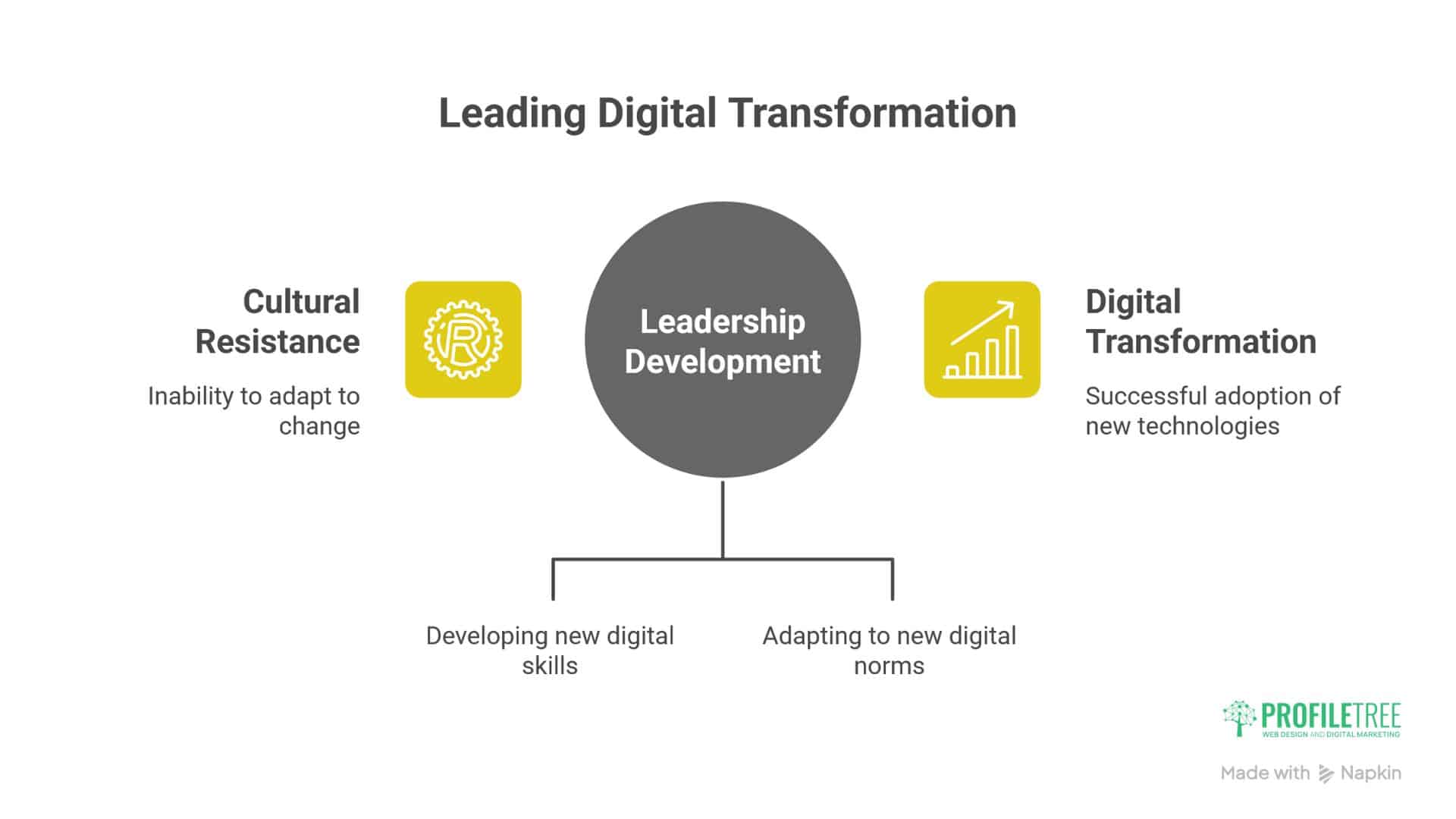
Leadership becomes particularly significant for organisations implementing AI solutions, overhauling web presence, or adopting new digital marketing approaches. Technical implementation represents only part of digital transformation—the greater challenge involves cultural change and capability development.
Leading Technology Adoption in SMEs
Small and medium enterprises face unique challenges when adopting new technologies. Unlike large corporations with dedicated change management resources, SMEs typically rely on owner-operators or small leadership teams to champion transformation while maintaining daily operations.
Leadership courses addressing change management specifically prepare you for this dual challenge. You’ll learn to communicate technology benefits to sceptical team members, manage the anxiety accompanying learning new systems, and maintain productivity during transition periods.
Leadership capability directly impacts adoption success for businesses implementing new WordPress sites, video marketing strategies, or AI-powered tools. The most sophisticated web design delivers minimal value if staff resist using new platforms or customers struggle with updated interfaces.
Strong leaders involve affected people in technology decisions early, acknowledge legitimate concerns about change, and provide appropriate training resources. They celebrate small wins during implementation and demonstrate willingness to adjust course when initial approaches don’t work as planned.
Building Digital Capabilities in Traditional Businesses
Many UK SMEs built successful businesses before digital channels dominated customer interaction. These organisations now face pressure to develop digital capabilities while preserving the strengths that made them successful.
Leaders in this context must balance respect for established practices with urgency around digital adaptation. This requires diplomatic skills—acknowledging what’s worked historically while articulating why continued success demands evolution.
Leadership training that addresses organisational culture change proves particularly valuable here. You’ll learn to identify cultural elements that support adaptation versus those creating resistance and develop approaches for shifting unhelpful patterns without alienating long-tenured staff.
Selecting the Right Leadership Programme
With dozens of courses available, systematic evaluation prevents wasting time and money on programmes that don’t address your needs or deliver promised outcomes.
Assessing Your Development Needs
Effective course selection starts with honest self-assessment. Which leadership capabilities do you already possess? Where do genuine gaps exist? What specific challenges do you face that better leadership skills would help address?
Consider soliciting input from trusted colleagues, mentors, or direct reports. Others often perceive our strengths and weaknesses more objectively than we assess ourselves.
Relevant questions for business owners include: Do teams consistently execute your vision? Do talented people stay with your organisation or leave for opportunities elsewhere? Do you spend time on strategic priorities or get consumed by operational firefighting?
Marketing managers might ask: Do cross-functional teams collaborate effectively on campaigns? Do team members take initiative or wait for detailed instructions? Can you delegate confidently or feel compelled to review everything personally?
Evaluating Course Quality and Fit
Several factors distinguish high-quality leadership courses from mediocre offerings. Instructor credentials matter—look for faculty with academic expertise and practical leadership experience. The strongest instructors have led teams, managed organisations, or consulted extensively with leaders facing real challenges.
Curriculum depth and breadth require evaluation. Comprehensive programmes cover multiple leadership dimensions rather than focusing narrowly on single skills. Check whether courses address contemporary challenges like remote team management, AI adoption, or digital transformation alongside timeless fundamentals.
Learning format alignment with your preferences affects outcomes significantly. Some people thrive with self-paced video courses, others need structured schedules and peer interaction to maintain momentum. Honest acknowledgement of how you learn best prevents choosing programmes you won’t complete.
Time and Financial Investment
Leadership development requires meaningful time commitment to generate lasting behaviour change. Programmes promising transformation in just hours typically oversimplify complex capabilities requiring sustained practice.
L lengthy courses aren’t automatically superior to shorter, focused options. A targeted 10-hour programme addressing specific skill gaps might deliver better results than a 100-hour general curriculum covering material you already understand.
Financial investment varies dramatically, from sub-£50 Udemy courses during sales to multi-thousand-pound university programmes. Higher cost doesn’t guarantee better outcomes, but deeply discounted courses sometimes compromise on curriculum development, instructor quality, or learner support.
For self-funded professionals, return on investment calculations should consider both direct costs and the opportunity cost of time invested. Employers funding staff training should evaluate whether leadership development addresses genuine business needs rather than serving as generic professional development.
Programme Formats and Learning Approaches
Self-paced programmes offer maximum flexibility—you can access content whenever your schedule permits without fixed class times. This format suits professionals with unpredictable schedules or those balancing multiple responsibilities.
Video lectures form the core instructional method, often supplemented with readings, quizzes, or downloadable resources. Self-paced learning demands strong self-discipline. Many participants start enthusiastically without fixed deadlines or peer accountability but fail to complete courses.
Cohort models bring groups through the curriculum together on synchronised schedules. Fixed start dates, assignment deadlines, and peer interaction create accountability and support course completion. Learning from other participants often equals or exceeds the value of formal instruction.
Executive leadership programmes target senior professionals with significant responsibilities. These typically involve substantial financial investment and time commitment in exchange for depth, prestige, and networking opportunities. Intensive formats condense learning into residential experiences—several days to weeks of immersive development.
Leadership Development and Business Growth
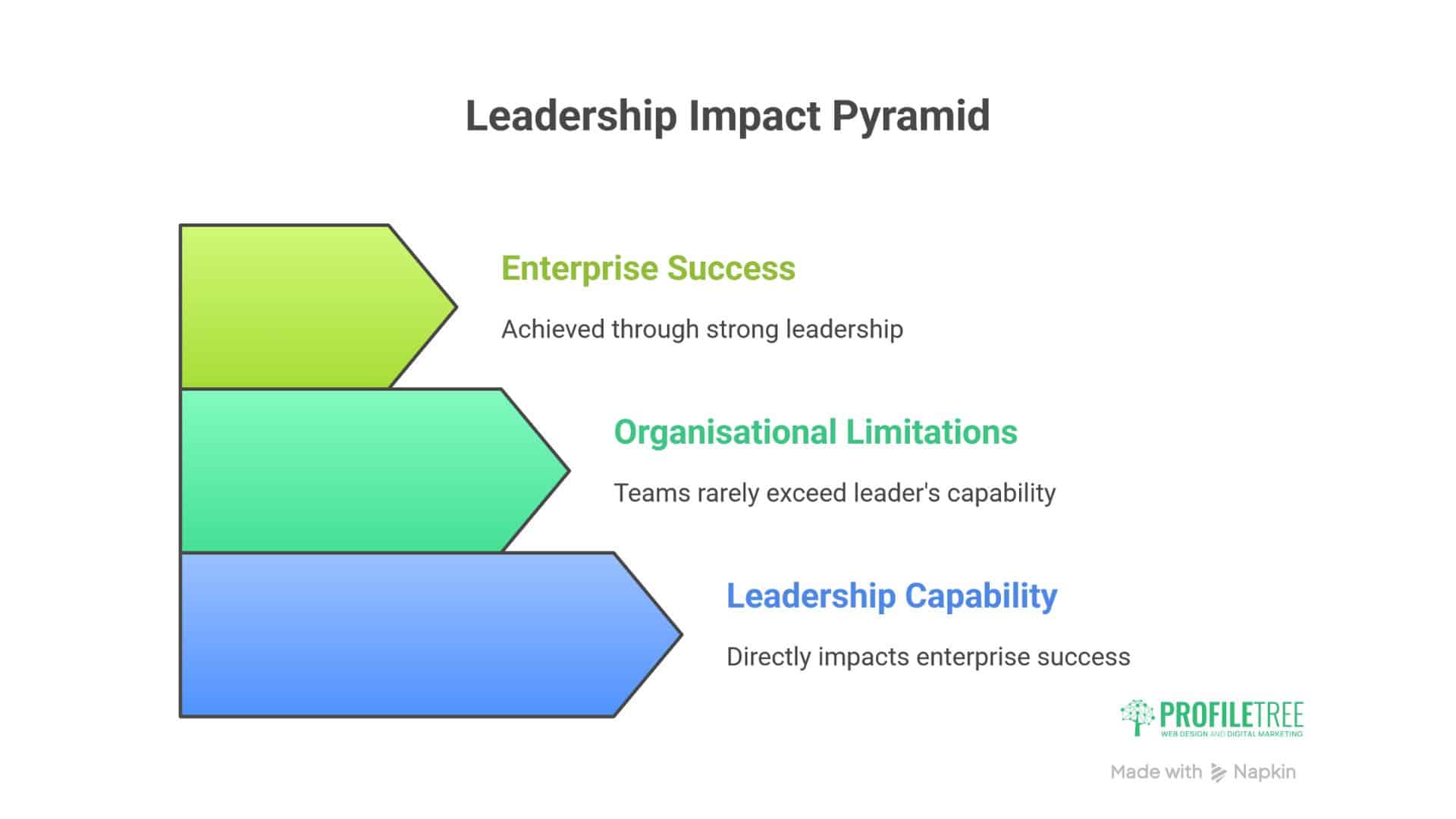
Leadership capability directly impacts enterprise success for business owners across Northern Ireland, Ireland, and the UK. Your limitations become organisational limitations—teams rarely sustainably exceed their leader’s capability ceiling.
Scaling Beyond Founder-Led Operations
Many businesses reach inflexion points where the founder’s skill becomes a bottleneck. What worked when you directly managed everything breaks down as headcount grows and operations become too complex for single-person oversight.
This transition—from doing to leading—represents one of the most challenging shifts in business growth. It requires letting go of tasks you excel at, trusting others to handle work you previously controlled, and accepting that different doesn’t necessarily mean wrong when team members approach challenges differently than you would.
Leadership development eases this transition by providing delegation, communication, and team development frameworks. You’ll learn to distinguish which decisions require your direct involvement versus where empowering others both frees your time and develops their capabilities.
Building High-Performing Teams
Leadership capability determines whether teams merely comply or genuinely engage with work. Compliance produces adequate performance—people do what’s required to avoid negative consequences. Engagement generates exceptional performance—people invest discretionary effort because they care about outcomes.
Creating engagement requires leadership skills beyond management fundamentals. It demands understanding what motivates different people, communicating a vision that connects daily work to meaningful purpose, and building environments where people feel safe taking reasonable risks.
For businesses implementing new web platforms or digital marketing strategies, team engagement determines whether initiatives generate expected returns. The most sophisticated SEO strategy or beautifully designed website delivers minimal results if staff only grudgingly participate rather than enthusiastically executing.
Attracting and Retaining Talent
Labour markets across the UK remain competitive for skilled workers. Businesses that develop and retain talent gain significant advantages over those experiencing constant turnover.
Leadership directly impacts retention. Research consistently shows people leave managers more than jobs. Skilled employees tolerate imperfect companies or roles if they work for leaders who develop their capabilities, recognise their contributions, and treat them respectfully.
Leadership quality can equalise recruitment disadvantages for SMEs competing against larger organisations with greater resources. The business case is compelling—recruitment costs, onboarding time, and productivity losses during the learning curve make turnover expensive.
Common Leadership Development Pitfalls
Even well-intentioned leadership development efforts sometimes fail to generate expected results. Understanding common pitfalls helps avoid wasting resources on approaches unlikely to succeed.
Treating Leadership as Pure Knowledge Transfer
Leadership differs from technical skills, where knowledge acquisition directly enables capability. Knowing what good leaders do doesn’t automatically allow you to do those things effectively. The gap between understanding and execution requires deliberate practice, feedback, reflection, and continued refinement over extended periods.
Courses emphasising information delivery without structured application opportunities rarely generate lasting behaviour change. Watch programmes incorporating exercises, peer feedback, coaching, or projects that force practice beyond passive learning.
Pursuing Development Without Application
The most common failure involves treating courses as ends rather than means. Professionals complete programmes, add certificates to profiles, then continue operating exactly as before because they never consciously apply learning.
Application requires intentionality. Schedule regular time to reflect on recent leadership situations—what went well, what didn’t, and what you’d do differently based on new knowledge. Identify upcoming situations where you’ll deliberately practice specific skills.
Consider working with mentors or coaches who provide accountability and feedback on application efforts. External perspectives help recognise blind spots and refine techniques faster than solo practice alone.
Taking Action on Leadership Development
Leadership capability represents one of the highest-return professional investments available. Unlike technical skills that become outdated as technologies evolve, core leadership fundamentals—communication, influence, strategic thinking, and emotional intelligence—remain relevant throughout your career.
Leadership development directly impacts enterprise value and growth potential for business owners across Northern Ireland, Ireland, and the UK. Marketing managers and functional leaders benefit through expanded career options and increased effectiveness in current roles.
The accessibility of online learning removes traditional barriers. You can now access world-class instruction without geographic constraints or career disruption, creating opportunities for professionals who previously lacked quality training.
Success requires moving beyond passive consumption to active application. Select courses aligned with specific development needs, commit fully to the learning process, and deliberately practice new skills in real situations. Leadership develops through repeated application over time, not one-time knowledge acquisition.
Begin by honestly assessing where your leadership capabilities currently stand and where development would generate the most value. Research programmes aligned with those needs, considering your learning style and available time. Then, commit to completing the chosen programme and applying learning systematically in your workplace.
FAQs
What time commitment do online leadership courses typically require?
Most online leadership courses require 5-15 hours per month for programmes lasting 3-18 months. Intensive executive formats may demand several full days, while short targeted courses can be completed in 1-3 hours. Self-paced options allow flexible scheduling, while cohort programmes require commitment to fixed deadlines.
What results should I expect from leadership training?
Effective leadership development typically generates expanded influence with peers and team members, more confident decision-making in complex situations, improved public speaking and presentation capabilities, and reduced interpersonal conflict. These outcomes translate to career progression opportunities, improved team performance metrics, and greater job satisfaction. Results require applying learned concepts consistently rather than merely completing course content.
Which format works best—self-paced or scheduled cohort programmes?
Self-paced formats suit those with unpredictable schedules or who prefer controlling the learning pace completely. Cohort programmes provide accountability through fixed deadlines and enriched learning through peer interaction. If you’ve struggled completing previous self-directed courses, structured formats typically generate better results.
Do UK employers recognise online leadership certificates?
Recognition varies by issuing institution and industry. University-backed certificates from established institutions (Harvard, HEC Paris, CMI-accredited programmes) carry significant weight. Platform certificates (Udemy, generic online courses) verify completion but may hold less recognition. Research expectations in your field—Some industries value formal credentials highly, while others focus primarily on demonstrated capability regardless of certification source.