
How Blogging Drives Business Revenue: Benefits That Matter in 2026
Table of Contents
Business owners seeking cost-effective marketing strategies often overlook one of the most potent tools available: blogging. While traditional advertising demands continuous spending with diminishing returns, a well-executed blog creates compounding value that grows stronger over time. The benefits of blogging extend far beyond simply publishing content online—strategic blogging builds authority in your industry, attracts qualified leads actively searching for your services, and positions your business as the obvious choice when buyers are ready to purchase. For UK digital agencies, professional service providers, and SMEs, these benefits translate directly into measurable revenue growth through improved search engine rankings, enhanced brand recognition, stronger customer relationships, and direct lead generation.
Consider the numbers: companies publishing 15 or more blog posts monthly generate five times more leads than those publishing fewer than four. Unlike paid advertising, which stops performing the moment you stop paying, quality blog content continues to generate results months and years after publication, working as a tireless sales representative 24/7. The digital landscape has shifted dramatically—potential clients conduct extensive research before contacting any service provider, reading reviews and evaluating expertise through the knowledge businesses share publicly. Your blog is often the first substantial interaction prospects have with your company, and first impressions determine whether they continue exploring your services or look elsewhere.
Whether you’re a Belfast-based web design agency, a Manchester SEO consultancy, or a London digital marketing firm, the principles remain consistent: create valuable content, publish consistently, and focus on serving the needs of your ideal clients. The businesses that win in digital marketing are those that share their knowledge generously—and blogging provides the perfect platform for doing exactly that.
Why UK Businesses Invest in Blogging
The business case for maintaining a blog extends far beyond simply creating content. Companies utilise blogs as strategic marketing assets that continually work to attract, educate, and convert potential customers.
At its core, blogging serves as a lead generation engine. Each published article creates a new entry point for potential clients to discover your business. When someone searches for solutions to their problems, your blog posts can provide the answers they need—positioning your company as knowledgeable and trustworthy before any sales conversation begins.
Building Digital Presence and Authority
Your blog establishes virtual presence in ways that traditional marketing channels cannot match. Every article you publish demonstrates your expertise, provides value to readers, and creates reasons for people to engage with your brand.
According to 2023 data from Edelman, 81% of consumers trust information they read in blogs. This trust translates directly into commercial opportunities when potential clients research services like web design, SEO, or digital marketing training. Well-crafted blog content influences their purchasing decisions long before they contact your sales team.
The networking aspect of blogging is often overlooked. The content you create connects you with others in your industry, opens doors for collaboration, and helps build relationships with potential partners and clients. Your blog becomes a conversation starter, not just a broadcast channel.
Strengthening SEO and Search Visibility
Search engines prioritise websites that publish fresh, relevant content regularly. Blogging directly supports your SEO strategy by creating opportunities to rank for keywords your potential clients actually search for.
HubSpot’s 2023 research confirms that 61% of marketers identify SEO as their most important inbound marketing tactic. This isn’t surprising—organic search traffic consistently delivers higher conversion rates than paid advertising because people actively searching for information are further along in their buying journey.
For agencies like ProfileTree, blogging creates opportunities to rank for terms such as “web design Belfast,” “AI training for SMEs,” and “digital marketing strategy,” among hundreds of related searches. Each ranking position represents potential revenue from clients who need exactly what you offer.
The technical benefit extends beyond individual rankings. Consistent blogging tells search engines your site is active, relevant, and worthy of frequent indexing. This activity gradually elevates your entire domain authority, making it easier to rank for competitive terms across all your pages.
How Blogging Generates Revenue for Digital Agencies
Moving from theory to practice requires understanding the specific mechanisms through which blogging drives revenue. These aren’t abstract benefits—they’re measurable outcomes that impact your bottom line.
Attracting Qualified Leads Through Organic Search
Quality blog content acts as a filter, naturally attracting people who need your specific services. Someone searching “how to improve WordPress site speed” or “AI implementation for small businesses” is actively looking for solutions you provide.
This targeting precision surpasses most paid advertising. You’re not interrupting people during their browsing—you’re providing helpful information at the exact moment they need it. The result is higher-quality leads who are already partially educated about their problem and potential solutions.
ProfileTree’s approach focuses on creating detailed, expert-level content. This positions us to capture leads from businesses that understand the value of professional services, rather than those who simply shop for price.
Neil Patel increased his website traffic tenfold within a year through consistent, high-quality blogging. His success demonstrates what happens when expertise is combined with regular publishing and genuine value creation.
Building Brand Recognition and Trust
Brand awareness remains fundamental to business growth, but traditional awareness campaigns require substantial budgets. Blogging achieves similar results through a cumulative effect rather than significant investments.
Each article you publish reinforces your brand identity, communicates your values, and demonstrates your capabilities. Over time, this consistency builds recognition. People who’ve read three or four of your articles feel they know your company—even if they’ve never spoken to anyone on your team.
Dollar Shave Club established a comprehensive brand identity through clever and engaging blog content that resonated with its target audience. They understood that modern consumers don’t just buy products—they buy into brands that align with their values and communicate in ways they appreciate.
For service businesses, this trust-building function becomes even more critical. Clients choosing a digital agency, web developer, or marketing consultant need confidence in your expertise. Published content provides tangible proof of your knowledge before any pitch meeting occurs.
Creating Relationship Foundations
Blogging enables two-way communication, transforming casual readers into engaged community members. When you respond to comments, answer questions, and incorporate reader feedback, you demonstrate that real people stand behind your brand.
Sprout Social’s 2023 data shows 73% of consumers expect brands to engage with them on social media. Your blog extends this expectation—people want to interact with the expertise you share, ask follow-up questions, and feel heard.
Sephora excels at this approach, using its blog to host Q&A sessions with makeup artists and influencers. They’ve built a loyal community of engaged customers who see the brand as a partner in their beauty journey, not just a retailer.
For UK agencies serving local markets, this community-building aspect provides a competitive advantage. Personal relationships and reputation matter tremendously in business services. Your blog facilitates these connections on a large scale.
Establishing Industry Authority
Thought leadership isn’t just a buzzword—it’s a commercial asset. Businesses that demonstrate genuine expertise command premium pricing, attract better clients, and face less price resistance.
The Content Marketing Institute reports that 67% of B2B buyers say content marketing influences their purchasing decisions. This influence grows stronger as complexity increases. For services requiring substantial investment—like website redesign, AI implementation, or comprehensive digital strategy—buyers need confidence that you truly understand their challenges.
HubSpot established dominance in the inbound marketing space largely through their comprehensive blog content and educational resources. They proved their expertise by giving away knowledge, which paradoxically made their paid tools more valuable.
“The businesses that win in digital marketing are those that share their knowledge generously,” notes Ciaran Connolly, Director of ProfileTree. “When you demonstrate expertise publicly through detailed, practical content, potential clients can assess whether you’re the right fit before any sales conversation. This self-qualification process leads to better client relationships and higher project success rates.”
Driving Direct Sales and Conversions
Whilst building authority and trust, effective blog content also moves readers toward purchasing decisions. Strategic calls-to-action, relevant service mentions, and problem-solution framing guide readers naturally toward your offerings.
HubSpot’s research shows companies that nurture leads with blog content generate 67% more leads than those that don’t. This nurturing occurs passively—readers consume multiple articles, gradually becoming more educated and ready to make a purchase.
Crazy Egg demonstrates this approach effectively. Their blog offers free website optimisation guides and case studies that naturally showcase their heatmap and analytics tools. Readers who find the content valuable become curious about the tools that enable such insights.
For agencies offering multiple services—such as ProfileTree’s combination of web design, SEO, video production, and AI training—blogging naturally creates opportunities to cross-sell. An article about website performance might introduce readers to SEO services they hadn’t considered.
Strategic Blog Planning for UK Agencies
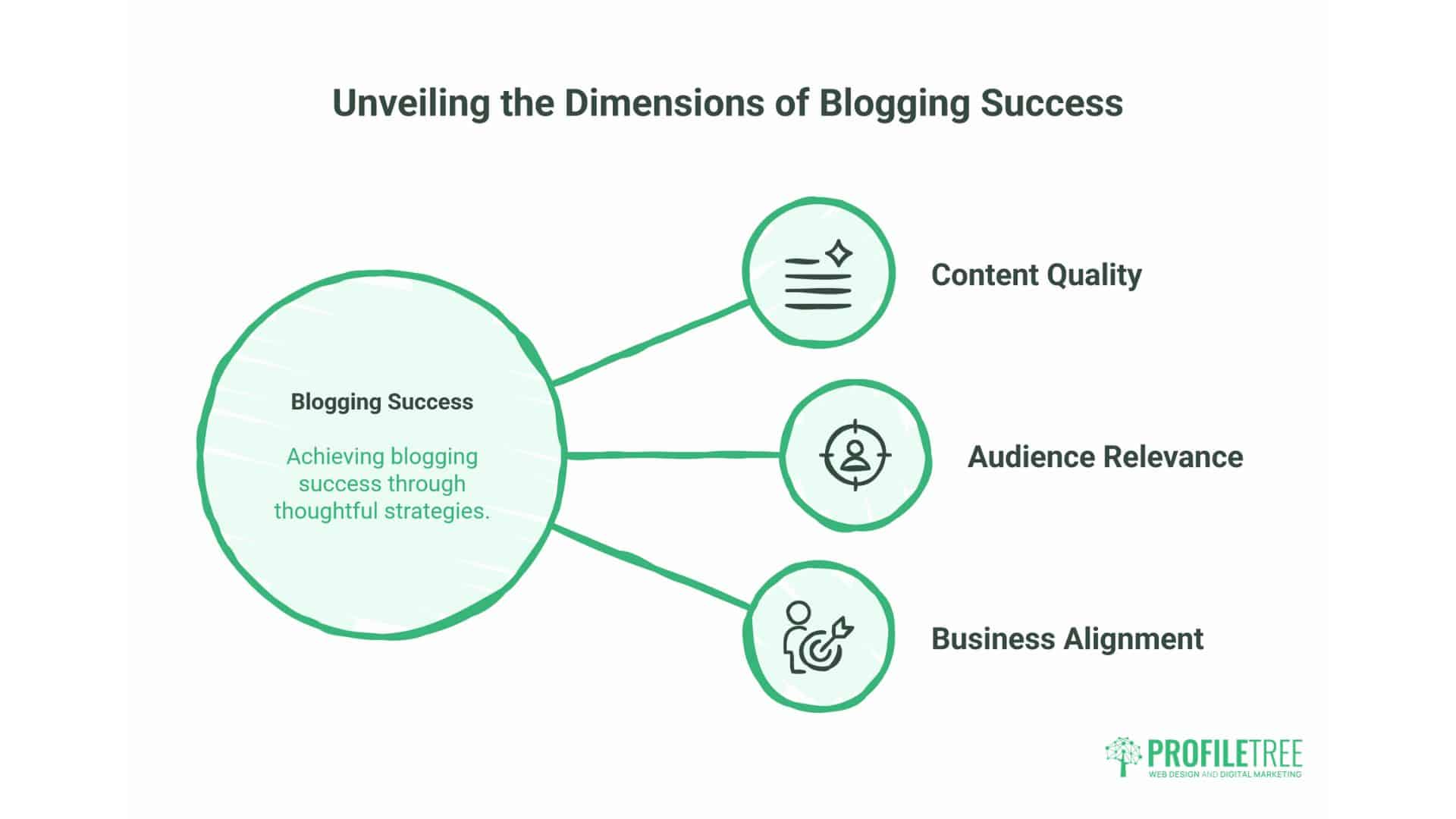
Success in blogging requires more than publishing regularly—it demands strategic thinking about what you create, who it serves, and how it supports business objectives.
Understanding Your Target Audience
An effective blog strategy begins with clarity about who you’re trying to reach. For most digital agencies, this means business owners, marketing managers, and decision-makers who can approve service purchases.
These readers need practical information they can apply immediately, alongside strategic insights that help them make better decisions. They’re sceptical of hype, appreciate honesty about limitations, and value content that respects their intelligence.
UK business audiences particularly respond to measured expertise over enthusiasm. Where American marketing content often leans toward superlatives and excitement, UK readers prefer understated confidence backed by evidence and case studies.
Your content should address real problems your ideal clients face. If you specialise in WordPress development for SMEs, write about specific challenges like plugin conflicts, performance optimisation, or security hardening. If you offer AI training, create content that focuses on practical implementation rather than theoretical possibilities.
Developing Content That Ranks and Converts
Search visibility and conversion potential often conflict in content strategy. Highly optimised content can feel robotic and sales-focused, whilst engaging content might miss SEO opportunities entirely.
The solution lies in understanding search intent deeply. When someone searches “web design costs,” they want pricing information—but they also need context about what affects pricing, how to evaluate proposals, and what questions to ask potential designers.
Create content that satisfies the immediate query whilst advancing the reader’s broader understanding. This approach naturally incorporates related keywords, provides comprehensive value, and positions your services as logical next steps.
Backlinko achieved massive organic traffic growth through this strategy—creating in-depth guides that combined keyword research with genuinely helpful information. Their content ranks well because it deserves to rank, not because it’s technically optimised whilst lacking substance.
For ProfileTree, this means articles about web design include specific technical details, realistic project timelines, and honest discussion of when businesses might not need custom development. This transparency builds trust more effectively than promotional content ever could.
Consistency Over Intensity
The blogging graveyard is filled with ambitious content calendars that lasted three months. Sustainable blogging requires realistic planning based on available resources and team capacity.
Publishing two high-quality articles monthly beats publishing eight mediocre pieces. Quality compounds over time—well-researched, properly optimised content continues to attract traffic years after publication, while rushed content quickly becomes invisible.
For small businesses and agencies, outsourcing content creation is often a sensible option. The opportunity cost of having senior staff write blog posts typically exceeds the cost of hiring skilled writers who understand your industry.
The key is maintaining consistency in voice and subject matter expertise. Your blog should sound like it comes from people who actually do the work, not generic marketing copywriters recycling surface-level information found elsewhere.
Practical Blog Monetisation Strategies
Understanding how blogs generate revenue helps prioritise content efforts and measure success appropriately.
Service-Based Monetisation
For agencies and professional services, the primary value of blogging lies in generating leads and educating clients. Each article should either attract potential clients or help existing leads understand why they need your services.
This approach differs fundamentally from monetisation through advertising or affiliate links. Your content serves your services directly—demonstrating expertise, building trust, and providing prospects with information that moves them toward making a purchase.
ProfileTree’s blog covers web design, video production, SEO, and AI training because these are our core services. Articles attracting readers interested in these topics naturally generate qualified leads for the business.
The conversion path typically involves multiple touchpoints. Someone might read three articles about website performance, download a resource about SEO fundamentals, and then contact you about a website audit. Each article plays a role in building confidence toward that initial inquiry.
Lead Nurturing Through Educational Content
Not everyone reading your blog is ready to purchase immediately. Educational content nurtures these relationships over time, keeping your business top of mind as prospects move through their decision-making process.
Email newsletter integration amplifies this effect. Readers who found value in one article can receive notifications about related content, gradually deepening their engagement with your expertise.
This nurturing happens passively once the system is established. Your published content continues to work, educating prospects and moving them toward purchase readiness without requiring ongoing effort from your team.
Display Advertising Reality
Many blogging guides promote display advertising through platforms like Google AdSense as a straightforward method of monetisation. The reality is less appealing for most businesses.
Display advertising generates tiny payments per impression—often fractions of pennies. Unless you’re achieving hundreds of thousands of monthly pageviews, the revenue barely covers hosting costs.
More importantly, display ads often conflict with service-based business objectives. Ads distract visitors, slow page loading, and potentially send readers to competitors. For agencies whose blog exists to generate leads worth thousands of pounds, sacrificing user experience for £50 monthly ad revenue makes no sense.
Display advertising is effective for content sites with massive traffic and no products or services to sell. For businesses using blogs as marketing tools, it’s usually counterproductive.
Affiliate Marketing Considerations
Affiliate marketing—earning commissions by recommending products to your audience—offers better potential than display advertising, but still requires strategic thinking.
Relevant affiliate partnerships can provide value to readers whilst generating supplementary income. If you’re writing about WordPress development, affiliate links to premium themes or hosting providers align naturally with your content.
The commission structure matters significantly. Amazon Associates typically pays 4-8%, meaning substantial traffic is required to generate meaningful income. Some SaaS products offer much higher commissions—occasionally even 100% for the first month—making them more attractive for smaller audiences.
However, affiliate marketing should never compromise content quality or reader trust. Recommending subpar products for commission damages your reputation more than the short-term revenue justifies. Only promote products and services you genuinely believe in and would recommend, regardless of financial incentive.
Premium Content and Consultancy
Successful bloggers often leverage their audience to sell premium offerings, such as courses, workshops, consultancy services, or in-depth guides that go beyond what’s available for free.
This approach works particularly well for professional services. Your free blog content demonstrates expertise, whilst premium offerings provide deeper implementation support.
For ProfileTree, this might include paid workshops on AI implementation for SMEs, advanced technical SEO training, or consultancy helping agencies develop content strategies. The blog proves you can deliver value, whilst paid offerings provide personalised support that blogs cannot.
Implementing Your Business Blog Strategy
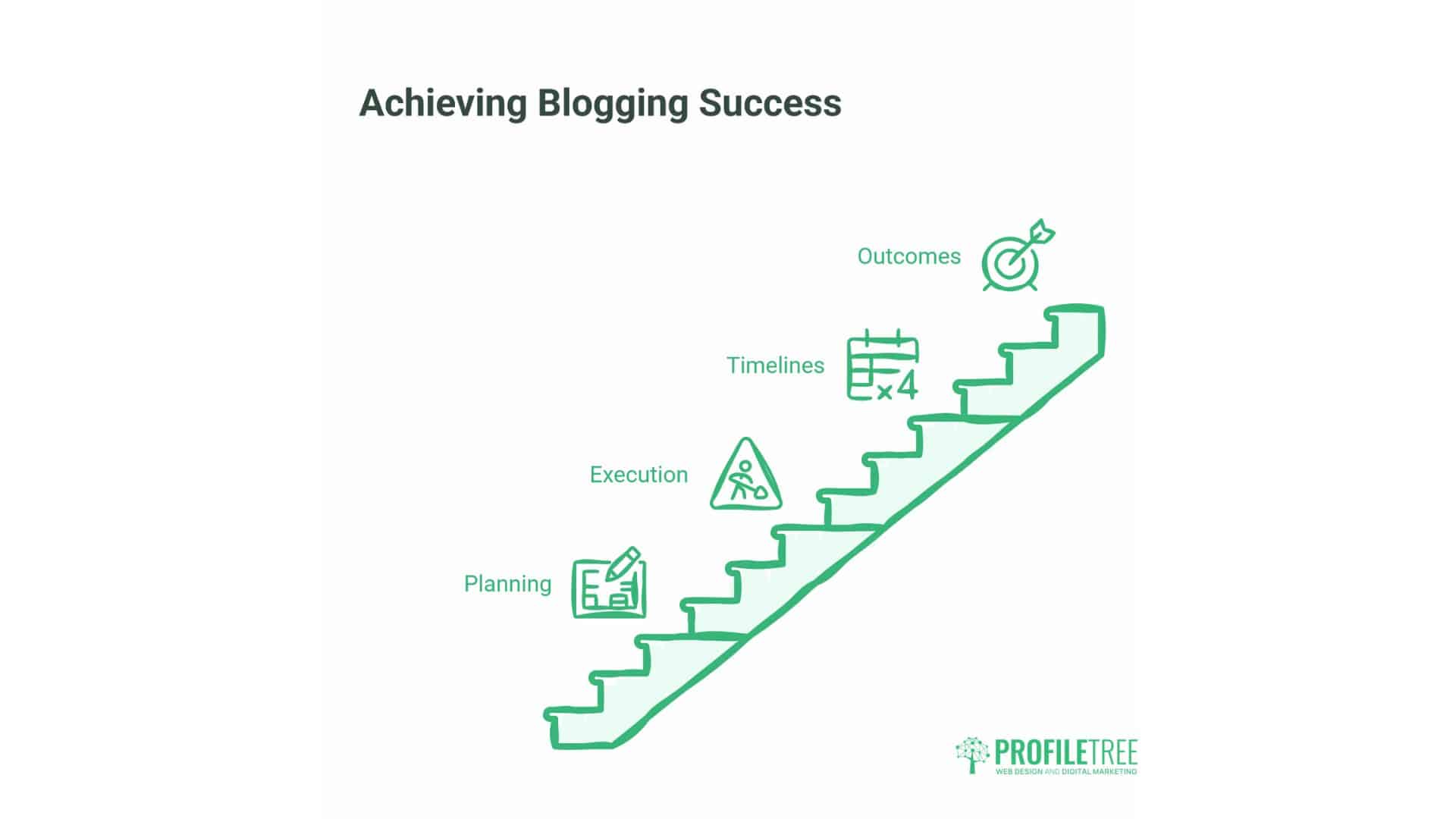
Moving from planning to execution requires practical steps and realistic expectations about timeframes and results.
Choosing Your Platform
Most business blogs run on WordPress due to its flexibility, extensive plugin ecosystem, and strong SEO capabilities. The platform handles everything from simple company blogs to complex content marketing operations.
Alternative platforms like Wix, Shopify (for e-commerce businesses), and Squarespace work for specific use cases, but typically offer less control over technical SEO elements and long-term customisation.
Your choice should strike a balance between current needs and future growth. Starting with a platform that limits your options means migrating later—a process that risks losing rankings and traffic you’ve built.
ProfileTree specialises in WordPress development precisely because it offers the flexibility our clients need as their businesses grow. We build sites focused on ranking, generating traffic, and converting visitors into leads and customers.
Content Planning Fundamentals
Effective blogging requires planning that extends beyond simply listing topics. Each article should serve specific purposes within your broader marketing strategy.
Start by identifying questions your potential clients actually ask. What information do they need at different stages of their buying journey? What misconceptions need correcting? What topics showcase your expertise most effectively?
Create a content calendar that balances different content types:
- Educational guides that teach concepts and build trust
- Problem-solving articles addressing specific challenges
- Case studies demonstrating your results
- Industry commentary establishing thought leadership
- Practical tutorials providing immediate value
Aim for depth over breadth. One comprehensive 2,000-word guide typically outperforms five 400-word articles on related topics. Search engines increasingly favour content that thoroughly addresses topics rather than superficial coverage.
Publishing Rhythm and Resource Allocation
Most agencies struggle with consistent publishing because they underestimate the time required for creating high-quality content. A well-researched, properly optimised 2,000-word article typically requires 6-8 hours of work, with more time needed for technical topics or content that requires original research.
Set realistic targets based on available resources. Two excellent articles, published monthly, often beat ambitious plans that collapse after a few weeks.
If internal resources are limited, outsourcing becomes a cost-effective solution. The opportunity cost of having senior staff spend 10 hours monthly on blog writing often exceeds the cost of hiring experienced writers who understand digital marketing.
The key is maintaining quality standards. Your blog represents your business—published content should meet the same standards you apply to client-facing work.
Measuring What Matters
Blog metrics can mislead if you focus on vanity metrics rather than business outcomes. Total pageviews matter less than generating qualified leads.
Track these key indicators:
- Organic search traffic growth over time
- Keyword rankings for terms that indicate purchase intent
- Conversion rates from blog visitors to leads
- Average time on page (indicating content engagement)
- Internal page progression (readers viewing multiple articles)
For service businesses, the ultimate metric is revenue attributed to content marketing. How many clients discovered you through blog content? What’s the lifetime value of customers acquired through organic search?
Tools like Google Analytics, Google Search Console, and CRM systems help connect content consumption to business outcomes. This data informs future content strategy, showing which topics attract valuable traffic and which underperform.
Common Pitfalls to Avoid
Understanding frequent blogging mistakes helps avoid wasted effort:
Inconsistent publishing undermines momentum. Readers and search engines both respond better to regular content publication. Publishing three articles one month, then nothing for two months, achieves less than consistent monthly output.
Insufficient topic research leads to creating content nobody searches for. Validate demand before investing time in content creation. Tools like Google Keyword Planner, Ahrefs, or SEMrush show search volume for terms you’re considering targeting.
Neglecting promotion limits the reach. Published content requires active distribution through email newsletters, social media, and relevant online communities. Great content that nobody sees generates no results.
Ignoring technical SEO wastes content quality. Proper heading structure, meta descriptions, internal linking, and image optimisation significantly impact search visibility. Technical excellence multiplies content effectiveness.
Creating purely promotional content drives readers away. Your blog should educate and inform, rather than constantly pitching services. Trust and authority come from generous knowledge sharing—the selling happens after trust is established.
Blogging for UK Agency Success
The benefits of blogging extend far beyond simply creating content. For UK digital agencies, professional services firms, and SMEs, strategic blogging creates sustainable competitive advantages that compound over time.
You’re building an asset that works continuously to attract ideal clients, demonstrate expertise, and generate qualified leads. Unlike paid advertising, which stops working when you stop paying, published content continues to drive results months and years after publication.
Success requires commitment to quality over quantity, strategic thinking about topics and targeting, and patience while results compound. The agencies dominating search results for valuable commercial terms didn’t get there through shortcuts—they invested in comprehensive, expert-level content that genuinely helps readers.
Start with clear objectives, realistic resource allocation, and focus on serving your ideal clients’ needs. Create content you’d want to read yourself—detailed, practical, and respectful of readers’ intelligence and time.
The question isn’t whether blogging works for business growth—the data conclusively shows it does. The question is whether you’ll invest the effort required to do it well.
FAQs About the Benefits of Blogging
How often should UK agencies publish blog content?
Consistency matters more than frequency. Publishing two high-quality articles monthly beats eight rushed pieces. Most successful agency blogs publish 2-4 times monthly, focusing on depth and expertise rather than volume. This frequency allows time for proper research, optimisation, and promotion whilst maintaining sustainable production.
What topics generate the best results for service businesses?
Focus on content that addresses the problems your ideal clients face. Answer questions they’re actively searching for, provide implementation guidance for concepts in your field, and showcase your problem-solving approach through case studies. The best topics naturally connect to your services whilst delivering immediate value to readers.
How long before blogging generates measurable business results?
Expect 6-12 months before seeing significant organic traffic growth and lead generation. Quality content requires time to be indexed, earn rankings, and establish domain authority. Early results typically appear around month three, with momentum building substantially after six months of consistent publishing and promotion.
Should we outsource content creation or keep it internal?
This depends on the availability of expertise and capacity. Internal creation ensures authentic voice and deep subject knowledge, but requires substantial time from senior staff. Outsourcing to writers who understand digital marketing provides efficiency whilst requiring careful briefing and quality control. Many agencies use a hybrid approach—internal experts provide insight and review, whilst experienced writers handle production.