
New Age SEO: Your Complete Guide to Modern Search Success
Table of Contents
Is your website invisible in search results despite your best efforts? Many businesses invest heavily in SEO tactics that worked years ago, only to discover those same strategies now deliver minimal results or, worse, trigger penalties that devastate their rankings.
Search engine optimisation has evolved dramatically. The mechanical processes that once drove visibility—keyword stuffing, mass link building, and technical manipulation—have given way to sophisticated evaluation systems that reward genuine quality and user satisfaction. This transformation defines what professionals call ‘New Age SEO’, an approach that balances technical precision with authentic value creation.
ProfileTree’s team in Belfast has helped businesses across Northern Ireland, Ireland, and the UK navigate this shift successfully. We’ve witnessed how companies embracing modern SEO principles consistently outperform competitors clinging to outdated methods. This comprehensive guide explores the strategies, techniques, and mindset changes required to succeed with New Age SEO.
How Search Engines Evolved From Keywords to Intent
The early days of search engine optimisation followed straightforward rules. Identify relevant keywords, insert them throughout your content and meta tags, and watch your rankings climb. Search engines primarily relied on these keyword signals to determine page relevance, creating an environment where quantity frequently trumped quality.
This simplistic approach spawned practices that prioritised search engine crawlers over human readers. Keyword stuffing—repeating target phrases unnaturally throughout content—became commonplace. Hidden text, doorway pages, and other manipulative tactics proliferated as businesses sought ranking advantages regardless of user experience.
However, search engine algorithms underwent fundamental transformations that changed everything. Google’s Hummingbird update in 2013 shifted focus from individual keywords to understanding complete queries and their context. RankBrain, introduced in 2015, brought machine learning capabilities that helped interpret ambiguous queries and identify relevant content even without exact keyword matches. The 2019 BERT update further enhanced natural language understanding, allowing search engines to grasp nuanced meanings and relationships between words.
These algorithmic advances mean modern search engines don’t simply match keywords—they interpret user intent. Someone searching “best running shoes” receives different results based on numerous contextual factors: their location, search history, device type, and even the time of day. The search engine attempts to understand whether they want to purchase shoes immediately, read reviews, learn about running shoe technology, or find local retailers.
This evolution demands a fundamental shift in how we approach optimisation. Whilst keyword research remains valuable, it must serve a deeper purpose: understanding what users actually need when they search for particular terms. Are they seeking information, trying to navigate to a specific site, researching products before purchase, or ready to buy immediately?
Understanding these intent categories—informational, navigational, commercial investigation, and transactional—shapes content strategy profoundly. An informational query requires comprehensive educational content. Commercial investigation demands detailed comparisons and reviews. Transactional intent needs clear product information and straightforward purchase paths.
At ProfileTree, our SEO services begin with thorough intent analysis. We examine what your target audience truly wants when searching for terms relevant to your business, then create content strategies that satisfy those specific needs. This alignment between content and intent dramatically improves both rankings and conversion rates.
The limitations of traditional keyword-centric approaches become obvious when considering search query diversity. Google reports that roughly 15% of daily searches are completely new—queries never entered before. Focusing exclusively on known, high-volume keywords misses enormous opportunities to capture traffic from these unique, long-tail searches. A comprehensive New Age SEO strategy addresses broad topics thoroughly rather than targeting individual keywords in isolation.
The Strategic Value of Long-Tail Keywords
Broad, high-volume keywords appear attractive at first glance. Terms like “web design” or “digital marketing” generate substantial search volume, seemingly offering significant traffic potential. However, these generic phrases present serious challenges: intense competition, ambiguous intent, and surprisingly low conversion rates.
Long-tail keywords—specific phrases typically containing three or more words—offer a more effective path to visibility and business results. These detailed queries reveal precisely what searchers want, allowing you to create content that directly addresses their specific needs.
Consider the difference between “web design” and “responsive web design for Belfast restaurants.” The latter phrase demonstrates clear intent: the searcher wants design services specifically for hospitality businesses in a particular location. Someone entering this query is likely a restaurant owner actively seeking design services, representing a far more valuable prospect than someone conducting generic research.
Why Long-Tail Keywords Drive Superior Results
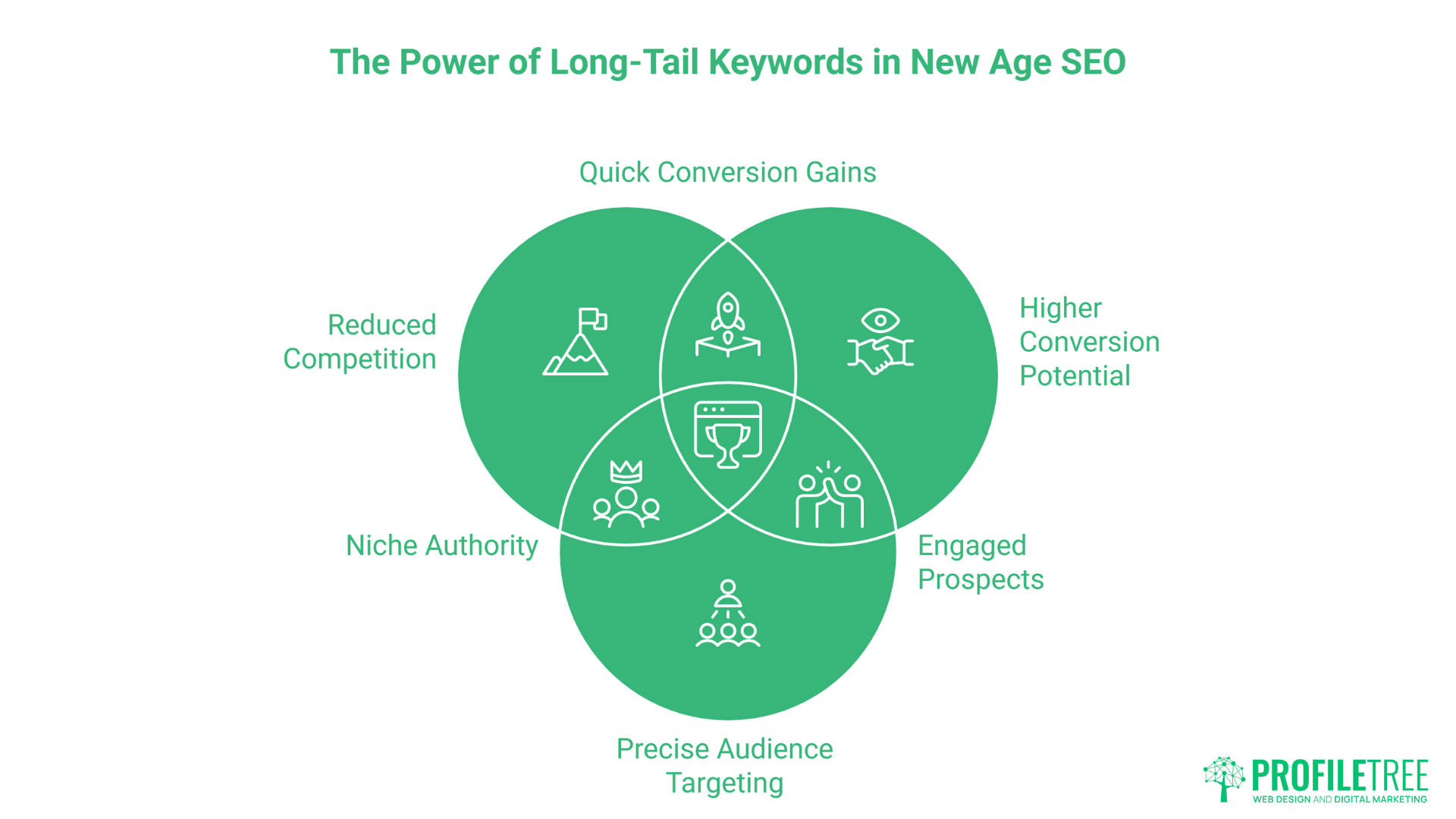
Several characteristics make long-tail keywords particularly valuable for New Age SEO strategies:
Reduced Competition: Fewer websites optimise for highly specific phrases, making it substantially easier to achieve strong rankings. Whilst ranking for “digital marketing” might require years of effort and substantial resources, ranking for “digital marketing training workshops Belfast small businesses” becomes achievable within months.
Higher Conversion Potential: Users entering specific queries typically sit further along their decision-making journey. They’ve moved past general research and now seek particular solutions. This clarity translates directly into higher conversion rates—these visitors are more likely to contact you, request quotes, or make purchases.
Precise Audience Targeting: Traffic from long-tail keywords aligns closely with your specific offerings. Rather than attracting broad audiences who quickly leave when they don’t find what they want, you attract visitors genuinely interested in your services. This relevance improves engagement metrics like time on site and pages per session, which themselves function as ranking signals.
Voice Search Alignment: As voice search grows increasingly common, long-tail optimisation becomes essential. People speak queries differently than they type them. Whilst someone might type “Belfast SEO agency,” they’d ask their voice assistant “Which SEO agency in Belfast offers the best value for small businesses?” Content optimised for natural, conversational long-tail phrases captures this growing search behaviour.
Identifying Valuable Long-Tail Opportunities
Discovering profitable long-tail keywords requires looking beyond traditional keyword research tools. Whilst platforms like SEMrush, Ahrefs, and Google Keyword Planner provide valuable data, the most powerful insights often come from understanding your audience’s actual questions and pain points.
Several effective discovery methods include:
Analyse Google’s “People Also Ask” Boxes: These reveal common questions related to your topics, each representing a potential long-tail keyword opportunity.
Mine Community Discussions: Forums, Reddit threads, LinkedIn groups, and industry-specific communities show you exactly what questions people ask and what problems they’re trying to solve.
Review Customer Enquiries: The questions prospects ask during sales conversations, through contact forms, or via email reveal their actual concerns and the language they use.
Study Competitor Content: Examine what specific queries competitors successfully target, identifying gaps where you could provide superior content.
Utilise Search Console Data: Your existing search performance data reveals unexpected long-tail queries already driving impressions or clicks, highlighting opportunities to strengthen content around these terms.
At ProfileTree, our content marketing strategies incorporate comprehensive long-tail keyword research. We identify the specific questions your target audience asks, then create content that provides genuinely helpful answers whilst naturally incorporating your services as solutions.
Creating Content That Captures Long-Tail Traffic
Successfully targeting long-tail keywords requires content specifically structured to address detailed queries:
Question-Based Content: Create articles explicitly answering common questions. A piece titled “How Does AI Implementation Improve Customer Service for Belfast Retailers?” directly targets a specific informational query whilst positioning your AI training services.
Detailed Comparison Guides: Commercial investigation queries often involve comparing options. Comprehensive guides like “WordPress vs Shopify vs Wix for Northern Ireland Small Business Websites” capture users researching decisions.
Location-Specific Resources: Local businesses benefit enormously from geographically qualified long-tail content. “Digital Marketing Training Workshops Available in Belfast” targets a specific service in a specific location, attracting highly qualified local prospects.
Problem-Solution Articles: Address specific challenges your audience faces. “Solving Slow Website Load Times That Hurt Belfast Business Rankings” targets a technical problem whilst demonstrating your web development expertise.
Niche How-To Guides: Step-by-step instructions answering very specific questions capture long-tail informational queries. “How to Optimise YouTube Videos for Local Belfast Business Visibility” provides practical guidance whilst showcasing your video production and YouTube marketing knowledge.
The key is creating genuinely comprehensive content that thoroughly addresses the specific query. Thin content might rank temporarily, but New Age SEO rewards depth, accuracy, and genuine usefulness. ProfileTree’s content strategies focus on creating definitive resources that establish authority whilst naturally guiding readers toward relevant services.
Implementing E-E-A-T for Content Authority
Google’s Quality Rater Guidelines introduce a concept that fundamentally shapes how search engines evaluate content quality: E-E-A-T, representing Experience, Expertise, Authoritativeness, and Trustworthiness. Whilst E-E-A-T isn’t a direct ranking algorithm, it reflects the qualities Google wants content to demonstrate, making it essential for New Age SEO success.
Understanding and implementing E-E-A-T principles becomes particularly critical for “Your Money or Your Life” (YMYL) topics—content that could impact someone’s health, financial security, or safety. However, these principles apply broadly across all content types, influencing how search engines assess your site’s overall quality and reliability.
Experience: Demonstrating First-Hand Knowledge
The “Experience” component, added to the original E-A-T framework in 2022, recognises that genuine first-hand experience adds immense value to content. Someone who has actually implemented AI systems for small businesses can provide insights and nuances that purely theoretical content misses.
Demonstrating experience involves:
Case Studies and Real Examples: Rather than discussing concepts abstractly, show specific implementations you’ve completed. “How We Helped a Belfast Retailer Increase Online Sales by 147% Through AI-Powered Personalisation” demonstrates actual experience whilst providing concrete evidence of capabilities.
Process Documentation: Detailed explanations of how you approach problems showcase practical knowledge. A guide explaining “Our Complete Process for Optimising WordPress Sites for Speed and SEO” reveals genuine expertise born from repeated implementation.
Lessons Learnt Content: Sharing challenges encountered and solutions discovered during actual projects demonstrates authentic experience. “5 Unexpected Challenges We Encountered Implementing AI for Northern Ireland SMEs” provides valuable insights whilst establishing credibility.
Before/After Demonstrations: Visual or data-driven comparisons showing actual project outcomes prove real-world experience and results.
ProfileTree’s approach to content creation emphasises this experiential component. We draw from actual client projects, anonymised where necessary, to provide insights grounded in real implementation rather than theoretical speculation.
Expertise: Showcasing Specialised Knowledge
Expertise means demonstrating deep, specialised knowledge in your field. This goes beyond basic competence to showing mastery of complex concepts, staying current with developments, and understanding nuances that casual observers miss.
Building demonstrable expertise requires:
Author Credentials and Bios: Clear attribution showing who created content and why they’re qualified to address the topic. Author bios should highlight relevant qualifications, certifications, years of experience, and notable achievements.
Technical Depth: Content should address topics thoroughly, covering advanced concepts alongside foundational information. Surface-level treatment signals limited expertise, whilst comprehensive coverage demonstrates mastery.
Industry Recognition: Citations, mentions, or links from recognised industry publications and authoritative sources validate expertise. Speaking engagements, published research, and professional certifications further establish credentials.
Regular Updates: Expertise means staying current. Regularly updating content to reflect new developments, algorithm changes, or emerging best practices demonstrates ongoing engagement with your field.
Accurate Information: Factual precision is non-negotiable. Errors undermine credibility catastrophically, whilst consistently accurate information builds trust over time.
Our digital training programmes at ProfileTree incorporate this expertise principle. We teach not just what to do but why it works, providing the deep understanding that allows businesses to adapt strategies as conditions change rather than simply following rigid formulae.
Authoritativeness: Building Industry Recognition
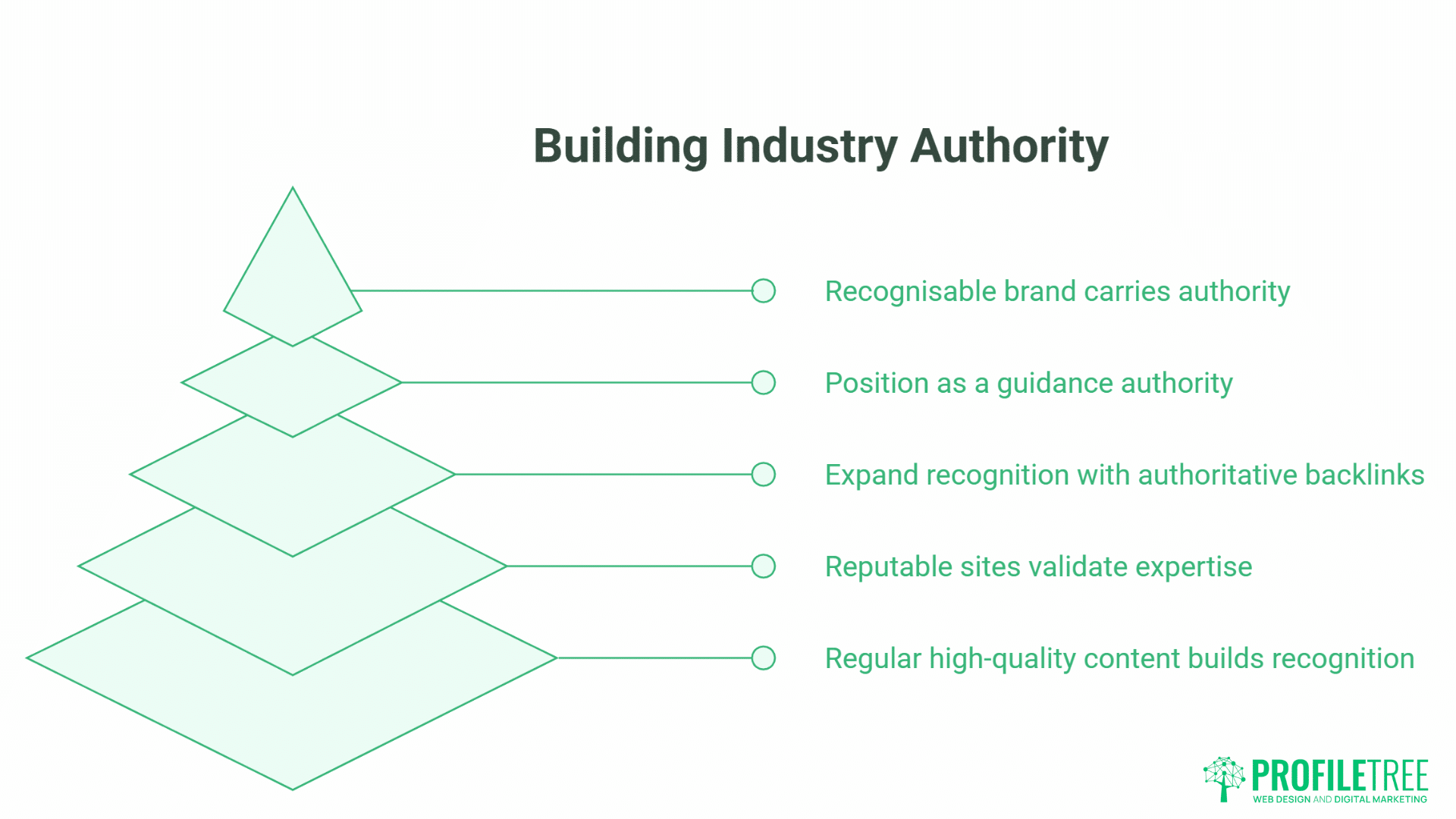
Authoritativeness reflects your reputation within your industry. It’s not something you can claim directly—it emerges from how others perceive and reference you. Building authority requires consistent demonstration of expertise over time, creating recognition as a go-to source for particular topics.
Developing authoritativeness involves:
Consistent Content Production: Regular publication of high-quality content gradually builds authority. Sporadic output struggles to establish lasting recognition, whilst consistent value delivery creates expectations and loyalty.
Earning Citations and Links: When other reputable sites reference your content, quote your insights, or link to your resources, they validate your authority. These editorial endorsements signal that industry peers recognise your expertise.
Media Appearances: Being quoted in news articles, appearing on industry podcasts, or contributing to established publications expands recognition whilst providing authoritative backlinks.
Speaking Opportunities: Presenting at industry conferences, hosting webinars, or leading workshops positions you as an authority figure others look to for guidance.
Building a Strong Brand: A recognisable, respected brand carries authority. This develops through consistent quality, clear positioning, and positive associations built over time.
At ProfileTree, we’ve built authority through years of consistent service delivery to businesses across Belfast, Northern Ireland, and the UK. Our Director’s regular contributions to industry discussions, combined with our comprehensive service offerings in web design, SEO, video production, and AI implementation, establish us as a broad-based digital authority rather than a narrow specialist.
Trustworthiness: Establishing Reliability and Transparency
Trustworthiness encompasses your overall reputation for honesty, accuracy, and reliability. It’s the foundation upon which Experience, Expertise, and Authoritativeness rest. Without trust, even demonstrated expertise struggles to convert prospects into clients.
Building trustworthiness requires:
Transparent Business Information: Clear contact details, physical address, comprehensive “About” pages, and team information show legitimacy. Hidden or vague business details raise suspicions.
Secure Website Infrastructure: HTTPS encryption is baseline. Certificate warnings, security vulnerabilities, or malware infections destroy trust instantly.
Accurate, Honest Content: Never exaggerate capabilities, misrepresent results, or make claims you can’t support. Honesty builds long-term trust even when it means acknowledging limitations.
Clear Privacy Policies: Transparent handling of user data, clear explanation of how information is used, and compliance with GDPR and other regulations demonstrate respect for user privacy.
Positive Reviews and Testimonials: Authentic customer feedback, particularly on third-party platforms like Google Business Profile, provides social proof of reliability.
Professional Presentation: High-quality design, error-free content, and professional communication establish credibility. Poor presentation creates doubt about overall quality.
Responsive Customer Service: Quick, helpful responses to enquiries demonstrate reliability and customer care.
ProfileTree’s commitment to trustworthiness extends across all client interactions. Our transparent pricing, clear service descriptions, and portfolio of successful projects provide tangible evidence of reliability. We prioritise honest assessments of what’s achievable over overpromising results we can’t deliver.
Optimising for Voice Search and Conversational Queries
The proliferation of smart speakers, virtual assistants, and voice-activated devices has fundamentally altered how people search for information. Siri, Alexa, Google Assistant, and similar technologies enable users to ask questions naturally whilst driving, cooking, or otherwise occupied. This shift from typed to spoken queries creates distinct optimisation requirements that forward-thinking businesses must address.
Voice search queries differ significantly from traditional text searches in several key ways:
Length and Specificity: Voice queries tend to be longer and more detailed. Someone might type “weather Belfast” but ask their voice assistant “What’s the weather forecast for Belfast this weekend?” This increased specificity creates opportunities for long-tail optimisation.
Question Format: Voice searches frequently take interrogative forms. Rather than keyword phrases, users ask complete questions: “Where can I find web design services in Belfast?” or “How much does AI implementation cost for small businesses?
Conversational Language: Spoken queries use natural language patterns. People speak differently than they type, employing complete sentences, colloquialisms, and the kind of phrasing they’d use in normal conversation.
Local Intent: A significant portion of voice searches include local intent. “Near me” queries and location-specific questions dominate voice search, making local SEO crucial for businesses serving geographic markets.
Strategies for Voice Search Optimisation
Capturing voice search traffic requires adapting content to match these conversational query patterns:
Create FAQ-Style Content: Frequently Asked Questions sections naturally align with how people phrase voice queries. Structure content around common questions, providing direct, concise answers. Each Q&A pair targets a potential voice search whilst providing value to traditional searchers.
Use Natural, Conversational Language: Write as people actually speak. Whilst maintaining professionalism, avoid overly formal or technical language that doesn’t match conversational patterns. Reading content aloud helps identify awkward phrasing that wouldn’t naturally occur in speech.
Implement Question-Based Headings: Structure articles using questions as H2 or H3 tags: “How Does Technical SEO Improve Rankings?” or “What Makes Content Marketing Effective for Belfast Businesses?” These headings directly match voice query patterns.
Provide Concise, Direct Answers: Voice assistants often extract and read featured snippet content. After your question-based heading, immediately provide a clear, concise answer in 40-60 words, then expand with additional detail. This format optimises for both voice search and featured snippet capture.
Optimise for Local Queries: Incorporate location terms naturally throughout content. Rather than forced keyword insertion, discuss serving specific areas, reference local landmarks or business districts, and address region-specific challenges.
Target “How,” “What,” “Where,” “When,” and “Why” Queries: These question words dominate voice searches. Create content specifically answering these query types for your industry topics.
Improve Page Speed: Voice search users often seek quick answers whilst mobile. Fast-loading pages improve chances of being selected for voice results.
Implement Structured Data: Schema markup helps search engines understand content context, improving chances of appearing in voice search results and featured snippets.
At ProfileTree, our web development approach incorporates voice search optimisation from initial design. We structure content hierarchically with clear questions and answers, implement appropriate schema markup, and optimise page speed—all factors that improve voice search visibility whilst enhancing overall user experience.
Our AI training services also address how businesses can prepare for an increasingly voice-driven search environment. Understanding how customers phrase voice queries, then creating content that naturally addresses those spoken questions, provides significant competitive advantages as voice search adoption continues growing.
Measuring Success and Adapting Strategies
Implementing New Age SEO strategies means nothing without rigorous measurement and continuous refinement. Unlike older SEO approaches where success meant simply ranking for target keywords, modern optimisation requires evaluating multiple metrics that collectively indicate whether your strategies deliver genuine business value.
Essential Metrics for New Age SEO Success
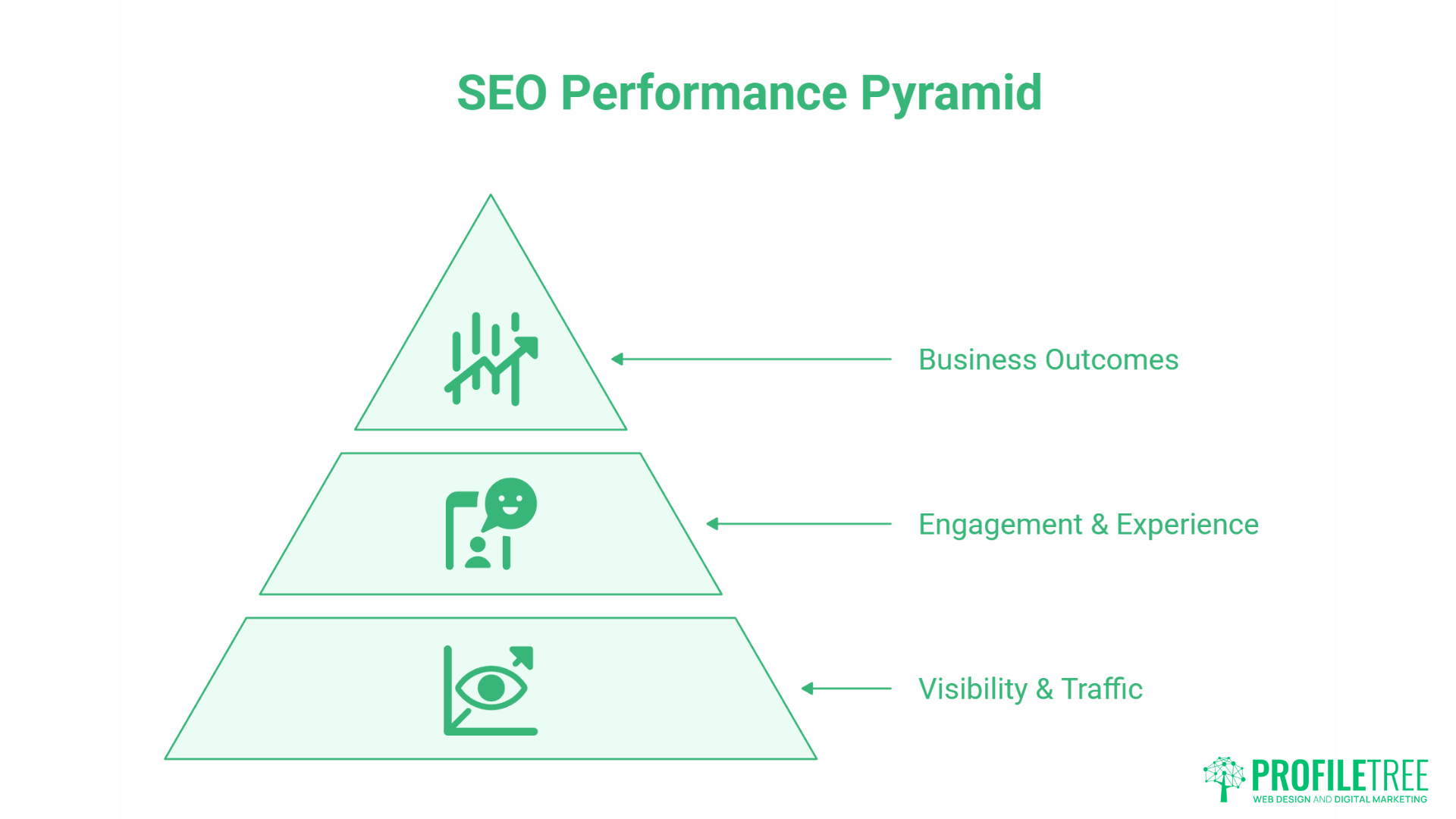
Comprehensive performance assessment examines several interconnected metric categories:
Visibility and Traffic Metrics:
- Organic Traffic Volume: The foundation metric showing how many visitors arrive from search engines. Track overall trends, seasonal variations, and traffic to specific pages or sections.
- Keyword Rankings: Whilst not the sole focus, monitoring positions for strategic terms provides visibility indicators. Track both target keywords and unexpected queries driving impressions.
- Search Impressions: How often your pages appear in search results, regardless of clicks. Growing impressions indicate expanding visibility.
- Click-Through Rates (CTR): The percentage of impressions resulting in clicks. Improving CTR means your titles and descriptions effectively attract attention.
- Featured Snippet Ownership: Count how many featured snippets, knowledge panels, or “People Also Ask” results your content captures.
Engagement and Experience Metrics:
- Bounce Rate: The percentage leaving after viewing only one page. High bounce rates may indicate content misalignment or poor user experience, though context matters—some queries require only single-page answers.
- Pages Per Session: How many pages visitors view during single visits. Higher numbers suggest engaging content and effective internal linking.
- Average Session Duration: Time spent on your site during visits. Longer sessions typically indicate valuable, engaging content.
- Scroll Depth: How far down pages users scroll. This reveals whether content maintains interest or loses readers quickly.
- Core Web Vitals: Google’s specific performance metrics—Largest Contentful Paint (LCP), First Input Delay (FID), and Cumulative Layout Shift (CLS)—directly impact rankings and user experience.
Business Outcome Metrics:
- Conversion Rate: The percentage of organic visitors completing desired actions—purchases, form submissions, phone calls, downloads, or newsletter signups.
- Lead Quality: Not all conversions equal value. Assess whether organic traffic generates qualified leads that convert into paying clients.
- Revenue Attribution: For e-commerce, track sales directly attributed to organic search. For services, estimate the value of leads generated.
- Customer Acquisition Cost (CAC): Compare the cost of SEO efforts against the value of customers acquired, measuring efficiency.
ProfileTree provides clients with comprehensive reporting that connects SEO metrics to actual business outcomes. We track not just rankings and traffic but how organic visibility contributes to enquiries, proposals, and revenue—the metrics that truly matter for business growth.
Tools for Comprehensive Analysis
Effective measurement requires combining data from multiple sources:
Google Search Console: Provides direct insight into how Google views your site, including:
- Search queries driving impressions and clicks
- Average positions for various queries
- Click-through rates by query and page
- Coverage issues preventing proper indexing
- Mobile usability problems
- Core Web Vitals performance data
- Manual action notifications
Google Analytics: Offers detailed traffic and behaviour analysis:
- Traffic sources and channels
- User demographics and interests
- Behaviour flow showing common navigation paths
- Goal completion and conversion tracking
- Content performance metrics
- Site speed analysis
- Custom reporting and segmentation
Third-Party SEO Platforms: Tools like SEMrush, Ahrefs, Moz, and others provide:
- Comprehensive keyword research and tracking
- Competitive analysis and benchmarking
- Backlink profile monitoring and analysis
- Technical site audits identifying issues
- Content optimisation recommendations
- Rank tracking across locations and devices
Heat Mapping and Session Recording: Tools like Hotjar or Crazy Egg reveal:
- Where users click, move, and scroll
- How visitors actually interact with pages
- Where users abandon forms or processes
- Real user behaviour patterns
Our digital marketing training at ProfileTree includes comprehensive modules on analytics interpretation. We teach businesses not just what metrics to track but how to interpret them meaningfully, identifying patterns that reveal opportunities for improvement.
Interpreting Data and Refining Strategies
Raw data means little without thoughtful interpretation and actionable insights. Effective analysis examines relationships between metrics, identifying correlations that reveal underlying issues or opportunities:
Traffic Growing But Conversions Declining: Suggests content attracts the wrong audience or landing pages need optimisation. Review what queries drive traffic and whether content aligns with commercial intent.
High Rankings But Low CTR: Indicates titles and meta descriptions fail to compel clicks. Test different messaging, add compelling hooks, or incorporate relevant modifiers like “2025,” “guide,” or location terms.
Strong CTR But High Bounce Rate: Points to content failing to deliver on promises made in titles. Ensure content directly addresses the query and provides expected information immediately.
Long Session Duration But Few Conversions: Suggests engaging content but weak calls-to-action or unclear next steps. Strengthen CTAs, simplify conversion paths, and make desired actions more prominent.
Slow Page Speed Affecting Engagement: If speed metrics correlate with poor engagement, prioritise technical optimisation. Our WordPress hosting and web development services specifically address performance issues that harm both user experience and rankings.
Regular analysis sessions—monthly at minimum, weekly for competitive industries—allow you to spot trends early and respond proactively. Use insights to inform content creation priorities, identify technical issues requiring attention, and refine on-page optimisation.
ProfileTree’s SEO services include ongoing performance analysis and strategic recommendations. We don’t just report metrics—we interpret what they mean for your specific business and recommend concrete actions to improve results continuously.
Preparing for Tomorrow’s Search Environment
New Age SEO isn’t a fixed destination but a continuous journey. Search technology evolves constantly, driven by advances in artificial intelligence, changing user behaviours, and emerging devices. Businesses committed to long-term visibility must anticipate future developments whilst maintaining flexible strategies that adapt as conditions change.
Emerging Technologies Shaping Search
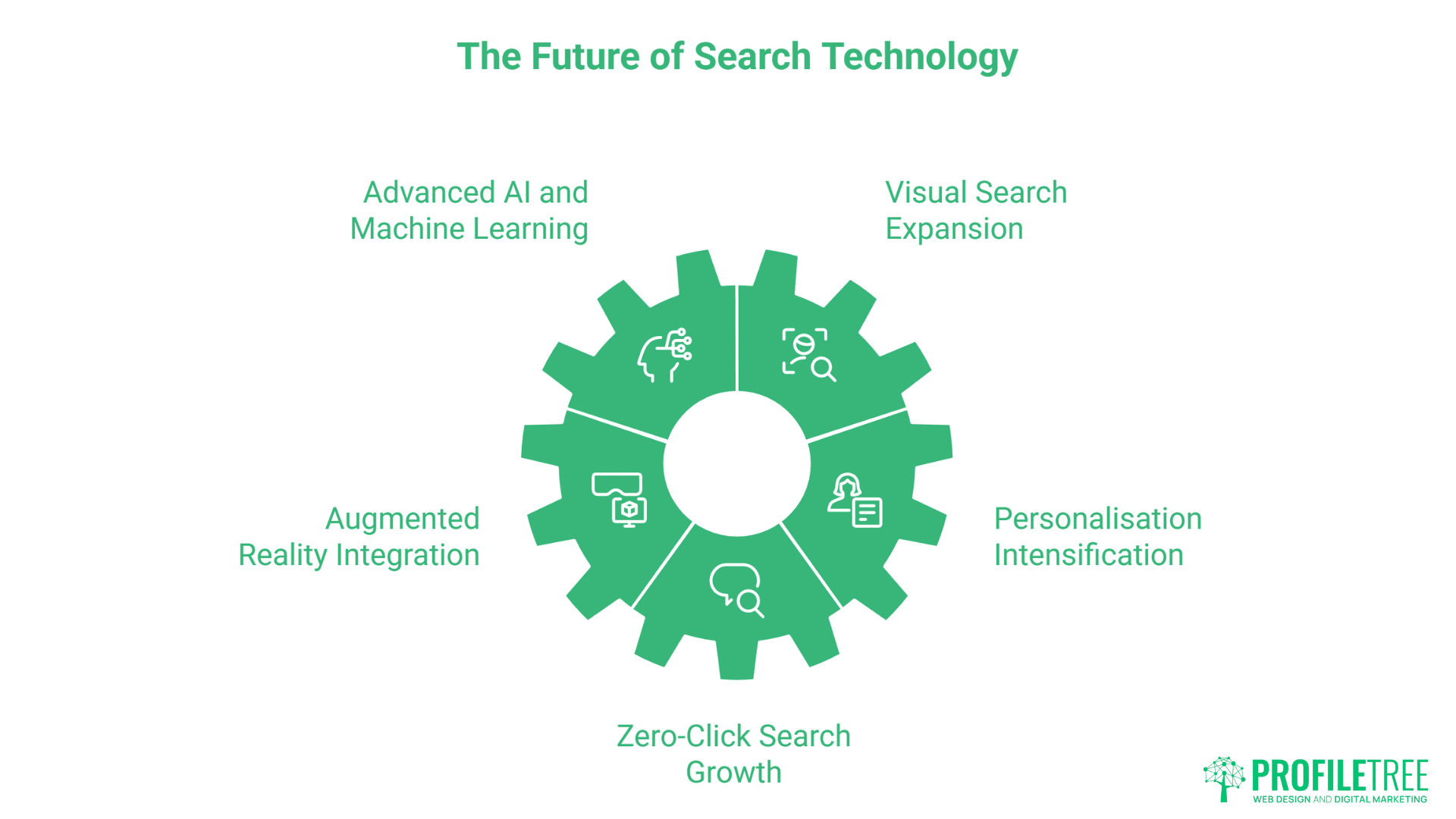
Several technological developments will profoundly influence how people search and how search engines deliver results:
Advanced AI and Machine Learning: Search engines increasingly employ sophisticated AI to understand content, interpret queries, and personalise results. Google’s MUM (Multitask Unified Model) can understand complex queries, make connections across languages, and interpret information across formats—text, images, and video simultaneously. This enhanced understanding reinforces the importance of comprehensive, high-quality content over mechanical optimisation.
Visual Search Expansion: Tools like Google Lens enable searching by image rather than text. Users can photograph products, landmarks, or items to find information or purchase options. Optimising images with descriptive filenames, comprehensive alt text, and appropriate schema markup becomes increasingly important.
Augmented Reality Integration: As AR technology matures, search experiences will incorporate virtual overlays on real-world views. Local businesses particularly benefit from ensuring their information appears accurately in these augmented experiences.
Personalisation Intensification: Search results increasingly vary between individuals based on location, search history, device, time, and numerous other signals. Creating broad-based content that remains relevant across diverse user contexts becomes essential.
Zero-Click Search Growth: More searches receive answers directly in search results through featured snippets, knowledge panels, and direct answers, reducing clicks to actual websites. Whilst this seems concerning, appearing in these prominent positions builds brand awareness and authority even without immediate traffic.
Adapting to Behavioural Shifts
Technology drives change, but evolving user behaviours matter equally:
Mobile-First Expectations: Users increasingly browse exclusively on mobile devices, expecting fast, seamless experiences. Mobile-first design isn’t optional—it’s baseline. Our web design services at ProfileTree prioritise mobile experience, recognising that satisfying mobile users determines overall success.
Video Content Dominance: Users increasingly prefer video for entertainment, education, and product research. YouTube functions as the world’s second-largest search engine. Our video production and YouTube marketing services help businesses capture attention through this increasingly dominant format.
Interactive and Immersive Experiences: Static content faces growing competition from interactive tools, calculators, quizzes, and immersive experiences that engage users actively rather than passively.
Privacy Concerns: Growing awareness about data privacy influences search behaviour and regulatory environments. Transparent data handling and compliance with regulations like GDPR build essential trust.
Maintaining Adaptability
Succeeding amid constant change requires specific mindsets and practices:
Continuous Learning: Regularly consume industry news, participate in SEO communities, attend conferences or webinars, and experiment with emerging techniques. What works today may underperform tomorrow.
Experimentation Culture: Test new approaches on your own site before making wholesale changes. A/B testing, controlled experiments, and data-driven iteration minimise risk whilst revealing opportunities.
User-First Mentality: When uncertain about strategy changes, ask whether they improve user experience or satisfaction. Search engines increasingly reward whatever genuinely helps users.
Diversified Traffic Sources: Whilst SEO provides exceptional value, over-reliance creates vulnerability. Supplement organic search with email marketing, social media, direct traffic, and other channels.
Long-Term Perspective: SEO delivers compounding returns over time. Quick wins rarely sustain. Commit to consistent, quality-focused effort that builds authority gradually but durably.
ProfileTree’s approach to client partnerships reflects this long-term perspective. We build strategies designed for sustained growth rather than temporary ranking spikes. Our comprehensive services—spanning web design, SEO, content marketing, video production, and AI implementation—provide the diversified expertise modern businesses need to thrive across evolving digital landscapes.
“Businesses that succeed in search aren’t chasing algorithms—they’re genuinely helping their audiences,” notes Ciaran Connolly, Director at ProfileTree. “When you focus on creating real value, algorithmic changes typically work in your favour rather than against you.”
FAQs
How does New Age SEO differ from traditional SEO practices?
Traditional SEO often emphasised keyword density, exact-match phrases, and link quantity regardless of quality. New Age SEO prioritises user intent understanding, comprehensive content quality, technical excellence, and genuine expertise (E-E-A-T). Keywords remain important but serve broader goals of satisfying user needs rather than manipulating rankings.
Why are long-tail keywords particularly valuable for small businesses?
Long-tail keywords face less competition, attract more qualified traffic with clearer intent, and convert at higher rates. For small businesses with limited resources, targeting specific, detailed queries provides achievable rankings and valuable visitors more effectively than competing for broad, highly competitive terms.
What’s the most important factor for voice search optimisation?
Natural, conversational content that directly answers common questions. Voice queries use spoken language patterns, so content matching how people actually talk—including complete questions and direct answers—performs best. Implementing FAQ sections and question-based headings significantly improves voice search visibility.
How often should businesses update their SEO strategies?
Ongoing monitoring and minor adjustments should occur continuously, typically weekly or monthly depending on competitive intensity. Major strategy reviews warrant quarterly assessment. However, core principles—quality content, user focus, technical excellence—remain stable whilst tactical implementations evolve with algorithm updates and industry changes.
Can businesses effectively manage SEO in-house or should they hire specialists?
This depends on internal resources, expertise, and priorities. Basic SEO can be managed internally with proper training—ProfileTree’s digital training workshops teach these fundamentals. However, competitive industries or businesses seeking aggressive growth often benefit from specialist expertise that stays current with rapid changes and implements advanced techniques efficiently.
Transform Your Search Visibility With ProfileTree
New Age SEO represents a fundamental evolution in how businesses achieve search visibility. Success requires balancing technical precision with genuine value creation, understanding user intent deeply, and maintaining flexible strategies that adapt to constant change.
The businesses thriving in modern search share common characteristics: they prioritise user needs authentically, they invest in comprehensive quality over quick shortcuts, they maintain technical foundations that support excellent experiences, and they view SEO as ongoing refinement rather than one-time implementation.
ProfileTree brings comprehensive expertise to every aspect of New Age SEO. Our Belfast-based team combines web design and development, SEO strategy, content marketing, video production, and AI implementation—providing the full spectrum of capabilities modern businesses need for sustained digital success.
Whether you require technical optimisation, content strategy development, training to build internal capabilities, or complete done-for-you management, ProfileTree delivers proven expertise tailored to your specific business objectives and market conditions.
Contact ProfileTree at the McSweeney Centre in Belfast to discuss how our New Age SEO strategies can drive measurable growth for your business. Visit profiletree.com or call to schedule a consultation and discover what’s possible when comprehensive expertise meets genuine commitment to your success.