
What is Backend Development? The Complete Guide to Backend Essentials
Table of Contents
In the world of web development, backend development plays a crucial role in ensuring that websites and applications function smoothly behind the scenes. While the frontend is what users interact with, the backend is the powerhouse that handles data storage, application logic, and server management.
Whether you’re looking to dive into the world of development or simply want to understand the foundation of how web applications run, grasping the essentials of backend development is key.
In this primer, we’ll explore the fundamental components of backend development, including programming languages, databases, security, and much more, giving you a solid starting point to appreciate the behind-the-scenes magic that powers modern websites.
So, grab a large cup of coffee and let’s hop into it!
What is Backend Development?
Backend development refers to the server-side of a web application. It handles the creation, management, and maintenance of the server, database, and application logic and ensures that user requests are processed correctly, managing data storage, retrieval, and manipulation.
While the frontend is what users interact with—the layout, design, and content—the backend powers the application’s core functionality. Actions on the frontend, such as filling out a form or clicking a button, trigger requests that the backend processes before returning the necessary data for display. This seamless collaboration ensures a responsive user experience.
For example, when you log into a website, the backend verifies your credentials, processes the data, and grants access to your account. It also handles essential functions like user authentication, payment processing, and API communication.
A strong backend is crucial for a functional website. Without robust backend development, even the most polished frontend would fail to deliver the dynamic, personalised experiences users expect.
Understanding Backend Development Fundamentals
Backend development, also known as server-side development, encompasses the creation and maintenance of the technology infrastructure that powers web applications behind the scenes. Whilst frontend development focuses on user interfaces and visual elements, backend development handles the logic, databases, and server architecture that make dynamic websites and applications function effectively.
Core Backend Development Responsibilities:
- Data Management: Storing, retrieving, and manipulating information in databases
- Server Logic: Processing business rules and application workflows
- API Development: Creating interfaces for communication between different systems
- Security Implementation: Protecting sensitive data and preventing unauthorised access
- Performance Optimisation: Ensuring applications run efficiently under various loads
What Makes Backend Development Essential: Backend development serves as the foundation for all modern web applications. Without robust backend systems, even the most polished frontend interfaces would be unable to process user requests, store data, or provide personalised experiences. The backend handles everything from user authentication and payment processing to content management and real-time communications.
Real-World Backend Examples:
- When you log into social media, backend systems verify your credentials and load your personalised feed
- E-commerce purchases require backend processing for inventory checks, payment validation, and order management
- Streaming services use backend infrastructure to deliver content based on your viewing history and preferences
ProfileTree’s web development team specialises in creating robust backend systems for businesses across Northern Ireland, Ireland, and the UK, ensuring that websites and applications perform reliably whilst supporting business growth and user satisfaction.
Key Components of Backend Development
Backend development involves several key components that work together to create a seamless experience for both developers and users. Let’s explore each of these crucial elements in more detail:
Server
A server is a computer or system that stores, processes, and serves data to other computers (often called clients) over a network.
In backend development, the server is responsible for handling requests from users or other systems, processing them, and sending back the appropriate responses. Servers host the backend logic and databases of a web application, and they manage the communication between the frontend and the backend. They can be a physical machine, but more commonly, they’re virtual machines hosted in the cloud, offering flexibility and scalability.
Database
Databases are essential in backend development as they store, organise, and manage data for web applications. They provide a way to efficiently retrieve, update, and delete data, which is critical for nearly every application—whether it’s a blog, social media platform, or e-commerce site.
There usually are two types of databases:
- SQL Databases (Relational): These databases use structured query language (SQL) to manage and retrieve data. They are based on a tabular structure where data is stored in rows and columns. SQL databases are ideal for applications that require complex queries, consistency, and relationships between data. Popular examples include MySQL, PostgreSQL, and Oracle.
- NoSQL Databases (Non-relational): NoSQL databases are more flexible and can handle unstructured data, which is useful for large-scale applications with varying data types. They allow for faster scaling and are well-suited for big data applications or real-time web apps. Common types of NoSQL databases include MongoDB, Cassandra, and Redis.
The choice between SQL and NoSQL databases depends on the project’s requirements. For instance, SQL databases are great when data relationships are important, while NoSQL databases excel at handling large, flexible datasets with high-volume traffic.
Application Logic
Application logic is the underlying code that defines how a web application behaves and processes data. It’s the “brain” of the application, handling the business rules and decisions that determine how the app responds to user actions. This logic might include things like validating a user’s input, processing payments or sending notifications. It also governs how data is managed within the system and interacts with the database and frontend.
For example, when a user places an order on an e-commerce website, the backend application logic determines whether the items are in stock, calculates the total cost, and updates the inventory. Without well-designed application logic, a web application would be unable to function properly or provide a good user experience.
APIs
Application Programming Interfaces (APIs) enable seamless communication between systems, such as retrieving data from third-party services, user authentication via Google or Facebook, or integrating payment gateways like PayPal or Stripe.
In backend development, APIs act as a bridge between servers, external services, and frontends, defining how systems request and exchange data. They also facilitate communication between mobile apps and microservices, supporting modular architecture.
By providing a standardised data exchange method, APIs enhance scalability and flexibility, allowing developers to focus on building features while ensuring smooth integration.
Backend Development Process
The Complete Backend Development Workflow
Understanding the backend development process helps businesses appreciate the complexity and planning required to build scalable, secure web applications.
Phase 1: Requirements Analysis and Planning
- Business Logic Mapping: Understanding how the application should behave and what business rules need implementation
- Data Architecture Design: Planning database structure and relationships between different data entities
- Technology Stack Selection: Choosing appropriate programming languages, frameworks, and tools
- Scalability Planning: Anticipating future growth and designing systems that can expand accordingly
Phase 2: System Architecture Design
- Database Schema Creation: Designing efficient data storage structures
- API Planning: Defining how different parts of the system will communicate
- Security Framework: Implementing authentication, authorisation, and data protection measures
- Infrastructure Planning: Selecting hosting solutions and server configurations
Phase 3: Development and Implementation
- Core Logic Development: Writing the fundamental business logic and algorithms
- Database Integration: Connecting applications to data storage systems
- API Development: Creating endpoints for frontend and third-party integrations
- Testing Implementation: Building comprehensive test suites for reliability
Phase 4: Optimisation and Deployment
- Performance Tuning: Optimising code and database queries for speed
- Security Hardening: Implementing advanced security measures and vulnerability testing
- Deployment Preparation: Setting up production environments and monitoring systems
- Documentation Creation: Producing technical documentation for maintenance and future development
Phase 5: Maintenance and Iteration
- Monitoring and Analytics: Tracking system performance and user behaviour
- Bug Fixes and Updates: Addressing issues and implementing improvements
- Feature Enhancement: Adding new functionality based on business requirements
- Security Updates: Maintaining protection against evolving threats
This systematic approach ensures that backend systems are reliable, secure, and capable of supporting long-term business objectives whilst providing excellent user experiences.
Backend Programming Languages
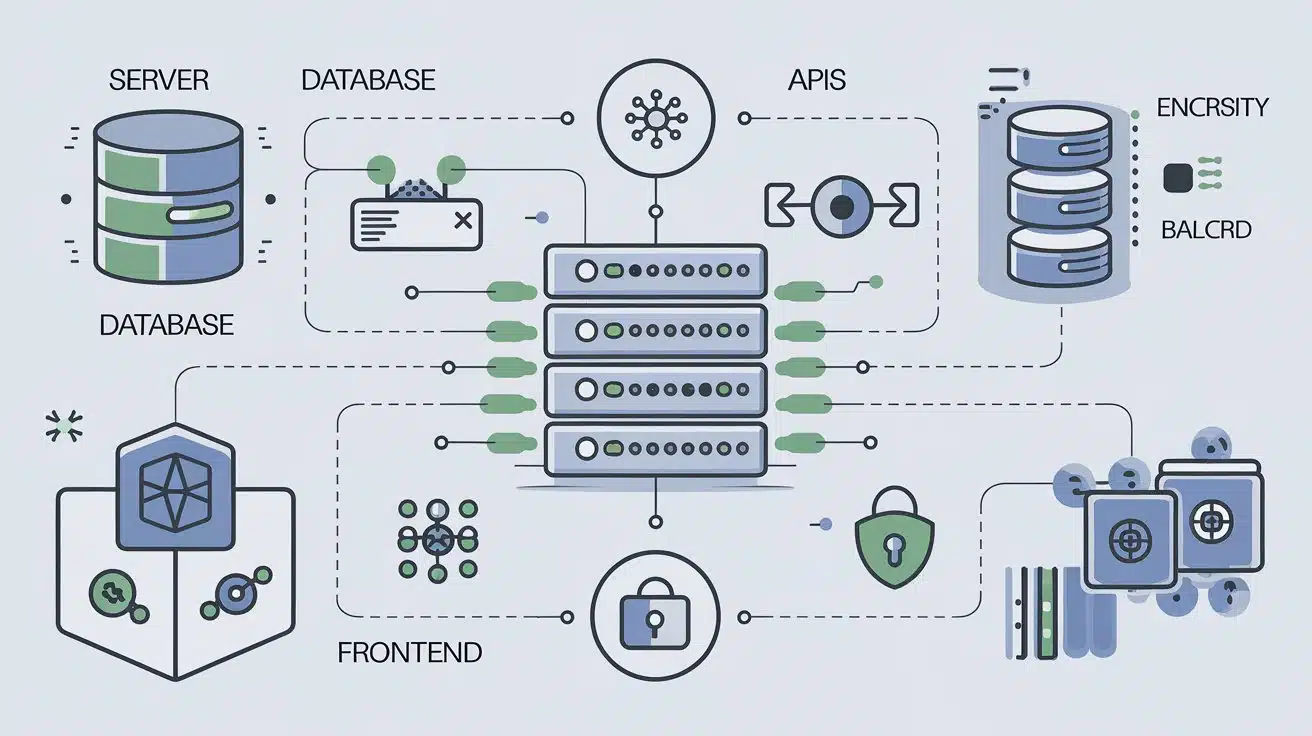
In backend development, the choice of programming language plays a significant role in determining how effectively the system functions. Various backend programming languages are suited to different types of projects based on their features, performance, and developer familiarity. Here’s an overview of some of the most popular backend programming languages and why each is chosen for specific needs:
Python
Python is known for its simplicity, readability, and versatility. It’s a general-purpose programming language that has become incredibly popular in backend development, especially for web applications and APIs. Some of its strengths include:
- Ease of Learning: Python’s syntax is easy to read and write, making it a great choice for beginners and experienced developers alike.
- Frameworks: Python has powerful backend frameworks like Django and Flask that streamline development by providing pre-built modules and tools.
- Community Support: The large Python community offers extensive libraries and resources, which speed up development and problem-solving.
Python is chosen for projects requiring rapid development, scalability, and integration with data science or machine learning tools. Its clean syntax also makes it an appealing choice for developers who want to quickly prototype and iterate.
JavaScript (Node.js)
JavaScript is primarily a frontend language, but with the advent of Node.js, it can now be used on the backend as well. Node.js enables developers to run JavaScript on the server, making it a versatile choice for full-stack development.
- Single Language for Full Stack: Using JavaScript for both frontend and backend simplifies the development process, as developers only need to be proficient in one language.
- Non-blocking, Asynchronous: Node.js is built for asynchronous programming, making it an excellent choice for applications that need to handle multiple requests simultaneously, such as real-time applications.
- Speed and Performance: Node.js is known for its fast execution due to its V8 JavaScript engine, making it suitable for high-performance applications.
- NPM Ecosystem: Node.js benefits from the Node Package Manager (NPM), which offers a vast selection of libraries to speed up development.
Node.js is ideal for real-time applications, such as chat apps, gaming servers, and collaborative tools, as well as for projects where the same language is used across both frontend and backend. For gaming servers in particular, maintaining low latency and secure connections is crucial. Using gaming proxies can help players reduce ping, bypass geo-restrictions, and protect against DDoS attacks, enhancing the overall multiplayer experience.
Ruby
Ruby is a dynamic, object-oriented programming language often used for web development, particularly with the Ruby on Rails framework. Known for its elegant syntax, Ruby prioritises developer happiness and productivity. Here are some of its characteristics:
- Ruby on Rails: This powerful framework simplifies the process of building web applications by following the “Convention over Configuration” principle, which saves time on repetitive tasks.
- Rapid Development: Ruby allows for quick prototyping and is well-suited to startups and fast-paced environments.
- Clean Syntax: Ruby’s readable and concise syntax enhances productivity and reduces the chances of errors.
- Community and Libraries: Ruby has a dedicated community and a vast collection of gems (libraries) that speed up development.
Ruby is often selected for startups and smaller teams due to its speed of development, ease of use, and the maturity of the Ruby on Rails framework. It is particularly useful for web applications with high-quality user interfaces and quick turnaround times.
PHP
PHP is one of the oldest and most widely used backend programming languages, primarily designed for server-side web development. It powers many popular websites and excels at generating dynamic content that interacts with databases while being seamlessly embedded in HTML. This makes PHP an efficient choice for creating data-driven and responsive web applications.
Its widespread adoption is evident in content management systems (CMS) like WordPress, Joomla, and Drupal, making it a preferred language for developers working on CMS-based or e-commerce platforms. Additionally, PHP boasts a vast ecosystem of frameworks like Laravel and Symfony, providing tools for building scalable and secure applications.
With strong community support and compatibility with most hosting services, PHP remains a reliable and versatile choice for web development.
Java
Java is a general-purpose, object-oriented programming language widely used in backend development for enterprise applications, Android mobile apps, and financial systems. Its “write once, run anywhere” philosophy ensures platform independence, making it highly portable across different operating environments.
Known for its scalability and high performance, Java is well-suited for handling large-scale applications while maintaining stability. Its ability to manage multiple processes concurrently makes it ideal for applications requiring heavy computational workloads. Industries like banking, insurance, and telecommunications rely on Java for its enterprise-grade reliability, and with robust frameworks like Spring, it remains the top choice for building secure, maintainable, and scalable software solutions.
High-Capacity Backend Architecture Essentials
Building Scalable Backend Systems
Modern businesses require backend systems capable of handling substantial traffic loads whilst maintaining performance and reliability. Understanding high-capacity architecture principles is essential for creating systems that scale effectively.
Essential Architecture Patterns for High Capacity:
1. Microservices Architecture Microservices break large applications into smaller, independent services that can be developed, deployed, and scaled separately. This approach offers several advantages:
- Scalability: Individual services can be scaled based on demand
- Reliability: Failure in one service doesn’t affect the entire system
- Technology Flexibility: Different services can use different technologies
- Development Efficiency: Teams can work on different services simultaneously
2. Load Balancing Strategies Load balancers distribute incoming requests across multiple servers to prevent any single server from becoming overwhelmed:
- Round Robin: Requests are distributed evenly across available servers
- Least Connections: New requests go to the server with the fewest active connections
- Geographic Distribution: Requests are routed to the nearest server location
- Health Monitoring: Automatic detection and routing around failed servers
3. Caching Mechanisms Caching stores frequently accessed data in memory for faster retrieval:
- Application-Level Caching: Storing computed results to avoid repeated calculations
- Database Query Caching: Keeping common query results in memory
- Content Delivery Networks (CDNs): Distributing static content geographically
- Redis and Memcached: Popular in-memory caching solutions
4. Database Optimisation Techniques
- Indexing: Creating efficient data lookup structures
- Query Optimisation: Writing efficient database queries
- Database Sharding: Distributing data across multiple database instances
- Read Replicas: Using separate databases for read operations to reduce load
Redis in High-Capacity Systems: Redis serves as a powerful tool for building high-performance backend systems:
- In-Memory Data Storage: Extremely fast data access for frequently used information
- Session Management: Storing user session data across multiple application instances
- Real-Time Analytics: Processing and storing real-time data for immediate analysis
- Message Queuing: Facilitating communication between different system components
ProfileTree’s technical expertise helps businesses implement these advanced architectural patterns, ensuring that backend systems can handle growth whilst maintaining excellent performance and reliability.
Web Servers and Hosting
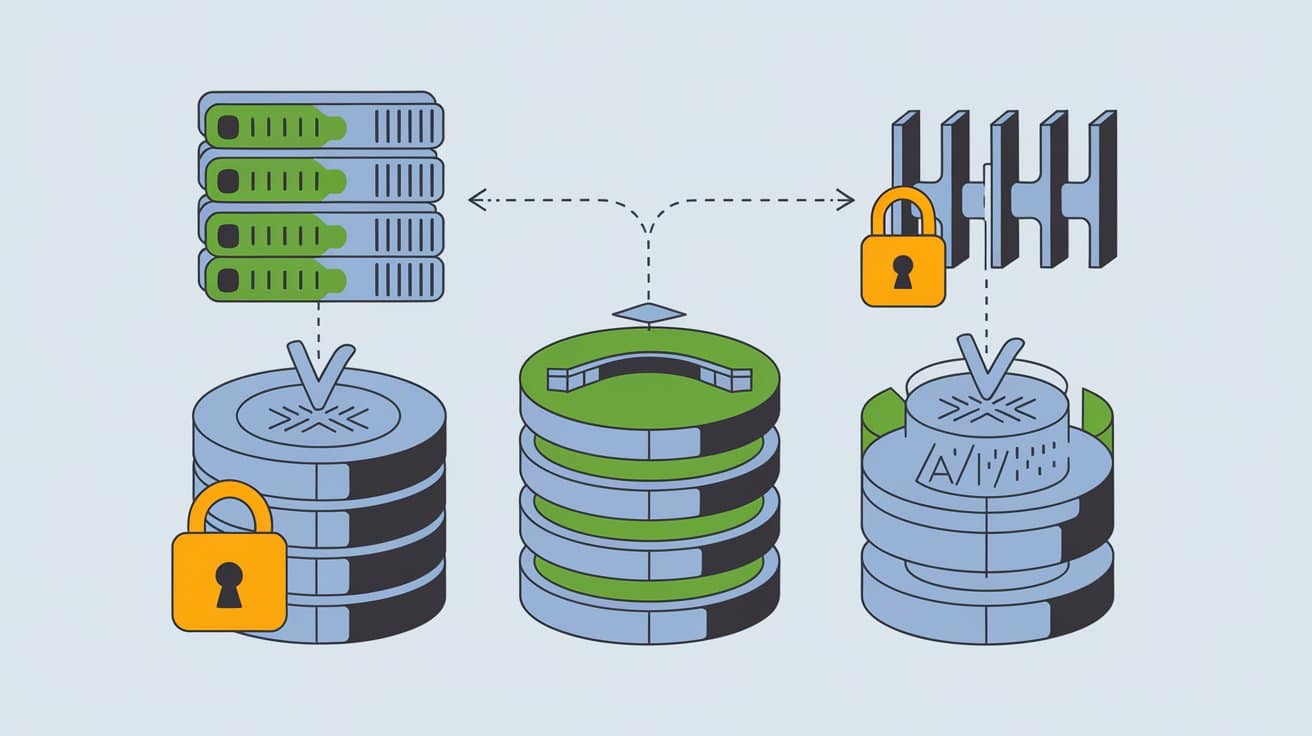
Web servers and hosting are critical components of backend development as they facilitate the delivery of web applications to users. Understanding how web servers work and how hosting environments impact performance is crucial for optimising the scalability and functionality of an application.
Web Servers
A web server is software that handles incoming requests from clients (typically browsers) and serves them the requested content, such as web pages or files. It processes HTTP requests, communicates with databases, and runs backend code to deliver dynamic content. Some popular web servers include:
- Apache: Apache HTTP Server is one of the oldest and most widely used web servers. It’s known for its flexibility and ability to run on various operating systems. Apache is highly customisable and can handle complex configurations. It’s suitable for applications requiring more complex server-side processing, such as those relying on PHP.
- Nginx: Nginx is a high-performance web server designed for scalability and speed. It is often used as a reverse proxy server, load balancer, and HTTP cache. Nginx is particularly known for its ability to handle a high number of concurrent connections efficiently, making it ideal for high-traffic websites needing fast, efficient handling of static content.
Hosting Environments and Backend Development
The choice of hosting environment has a direct impact on the performance, scalability, and security of a web application. Here are some common hosting environments and their effects on backend development:
Cloud Hosting
Cloud hosting services like AWS, Google Cloud, and Microsoft Azure provide scalable and flexible hosting solutions. They allow developers to adjust resources based on demand, making them ideal for applications with fluctuating traffic.
One key benefit of cloud hosting is scalability, as it can dynamically allocate resources to maintain high performance during peak usage. This flexibility ensures smooth operation without over-provisioning. Cloud hosting is also cost-effective, offering pay-as-you-go pricing models that help startups and small businesses manage expenses efficiently. Users only pay for the resources they use, avoiding unnecessary costs.
Reliability is another major advantage. Cloud providers offer high uptime and built-in redundancies to ensure applications remain available even if a server fails. This makes cloud hosting a dependable choice for businesses of all sizes.
Dedicated Servers
A dedicated server is a physical server exclusively used by one client, offering complete control over the server environment. It’s ideal for resource-intensive applications that require high performance and security.
One major benefit of a dedicated server is full control. Developers can configure the server and install software according to their specific needs, ensuring optimal performance for their applications.
Performance is another advantage, as dedicated servers are not shared with other users. This results in faster response times and better overall efficiency, making them suitable for demanding workloads.
Since the server is isolated from other tenants, security is enhanced. This reduces the risk of cyber threats and unauthorised access, providing a safer environment for sensitive data and critical applications.
Shared Hosting
In shared hosting, multiple websites share a single server’s resources, such as CPU, memory, and storage. It’s very popular for small websites and personal blogs. With shared hosting, users typically don’t have to manage the server, as the hosting provider handles most technical aspects.
One of the main benefits of shared hosting is its cost-effectiveness. Since resources are shared among multiple users, the cost is divided, making it an attractive choice for beginners or those with limited budgets.
However, shared hosting may not be suitable for websites with high traffic or complex requirements. The lack of dedicated resources can lead to slower load times and limited control over server settings. For growing businesses or websites requiring higher performance, upgrading to VPS or dedicated hosting may be necessary.
Backend Efficiency and Performance Optimisation
Maximising Backend System Performance
Efficient backend systems are crucial for business success, directly impacting user experience, operational costs, and scalability. Understanding performance optimisation techniques helps create systems that deliver excellent results whilst minimising resource consumption.
Database Performance Optimisation:
1. Query Optimisation Techniques
- Index Strategy: Creating appropriate database indexes for frequently queried fields
- Query Analysis: Using database profiling tools to identify slow or inefficient queries
- Connection Pooling: Reusing database connections to reduce overhead
- Prepared Statements: Using parameterised queries for better performance and security
2. Caching Strategies
- Application-Level Caching: Storing computed results in memory to avoid recalculation
- Database Query Caching: Keeping frequently accessed query results readily available
- Content Caching: Using CDNs to serve static content from geographically distributed servers
- Session Caching: Storing user session data in fast-access memory stores like Redis
3. Code Efficiency Improvements
- Algorithm Optimisation: Choosing efficient algorithms for data processing tasks
- Memory Management: Minimising memory usage and preventing memory leaks
- Asynchronous Processing: Using non-blocking operations for improved concurrency
- Resource Pooling: Reusing expensive resources like network connections and threads
Scalability Planning:
1. Horizontal vs Vertical Scaling
- Horizontal Scaling: Adding more servers to handle increased load
- Vertical Scaling: Upgrading existing server hardware for better performance
- Auto-Scaling: Automatically adjusting resources based on demand
- Load Distribution: Spreading traffic across multiple servers effectively
2. Monitoring and Analytics
- Performance Metrics: Tracking response times, throughput, and resource utilisation
- Error Monitoring: Identifying and addressing system failures quickly
- User Experience Metrics: Measuring actual user experience and satisfaction
- Capacity Planning: Predicting future resource requirements based on growth trends
3. Infrastructure Optimisation
- Cloud Resource Management: Optimising cloud service usage for cost and performance
- Network Optimisation: Minimising latency and maximising bandwidth utilisation
- Storage Efficiency: Choosing appropriate storage solutions for different data types
- Security Performance: Implementing security measures that don’t compromise system speed
ProfileTree’s technical team helps businesses optimise their backend systems for maximum efficiency, ensuring that applications perform well whilst controlling operational costs and supporting business growth objectives.
Backend Development for UK Businesses
Tailoring Backend Solutions for British Companies
Backend development for UK businesses requires understanding local requirements, compliance standards, and market expectations whilst leveraging modern technology to drive competitive advantage.
UK-Specific Backend Considerations:
1. Data Protection and GDPR Compliance British businesses must ensure backend systems comply with data protection regulations:
- Data Minimisation: Collecting and storing only necessary personal information
- Right to be Forgotten: Implementing systems that can completely remove user data
- Consent Management: Building systems that track and manage user consent preferences
- Data Breach Notification: Creating systems that can detect and report security incidents
2. Financial Services Integration Many UK businesses require integration with British financial systems:
- Open Banking APIs: Connecting with UK banking systems for payment processing
- PCI DSS Compliance: Meeting credit card industry security standards
- VAT Calculation Systems: Implementing accurate tax calculations for UK and EU transactions
- FCA Compliance: Meeting Financial Conduct Authority requirements where applicable
3. Multi-Currency and International Trade Brexit and international trade create specific backend requirements:
- Currency Conversion: Real-time exchange rate integration and calculation
- Tax Jurisdiction Handling: Managing different tax requirements for various markets
- Customs Integration: Connecting with HMRC systems for import/export documentation
- Multi-Regional Data Storage: Ensuring data sovereignty whilst serving global customers
4. Integration with UK Government Systems Many businesses need backend connections to government services:
- Making Tax Digital: Integration with HMRC digital tax submission systems
- Companies House API: Accessing company information and filing requirements
- NHS Systems: Healthcare providers require integration with NHS digital services
- Education APIs: Schools and universities need connections to government education systems
Local Hosting and Infrastructure Considerations:
- Data Residency: Keeping sensitive data within UK boundaries
- Performance Optimisation: Ensuring fast loading times for UK users
- Disaster Recovery: Implementing backup systems that meet UK business continuity requirements
- Support Timezones: Providing technical support during UK business hours
ProfileTree understands these unique requirements for UK businesses, helping companies across Northern Ireland, Ireland, and Great Britain build backend systems that meet local compliance requirements whilst supporting international growth ambitions.
Security in Backend Development
Securing the backend of a web application is crucial to protect sensitive user data, ensure privacy, and maintain the integrity of the system. Backend security involves implementing strategies to safeguard the application from potential threats and vulnerabilities.
The backend is responsible for processing and storing sensitive data, such as user credentials and financial information, making it a prime target for cyberattacks. Effective backend security focuses on protecting the server, databases, and communication channels that support web applications.
Here are some key security measures:
- Encryption: Encrypting sensitive data ensures that even if it’s intercepted, it cannot be read or tampered with. Both data in transit (via SSL/TLS) and data at rest (in databases) should be encrypted.
- Secure APIs: APIs are the backbone of modern web applications, enabling communication between different services. Securing APIs using authentication mechanisms and encryption ensures that only authorised users can access sensitive resources.
Securing User Data Best Practices
Securing user data and preventing vulnerabilities is vital in protecting against attacks such as data breaches and system exploits. Here are some best practices for backend security:
SQL Injection Protection
SQL injection happens when attackers insert malicious SQL code into queries, enabling them to manipulate or access sensitive database information. To prevent this, it is crucial to use prepared statements and parameterised queries, ensuring user input is not executed as part of SQL commands.
Additionally, sanitising inputs and validating them properly can prevent malicious characters from being included in queries. Limiting database privileges for users is also an essential measure to reduce the risk of SQL injection exploitation.
Cross-Site Scripting (XSS) Prevention
XSS attacks occur when attackers inject malicious scripts into web pages, which are executed by users’ browsers. To prevent XSS, it’s important to escape user inputs to ensure that data rendered in the frontend doesn’t execute HTML or JavaScript.
Additionally, implementing a Content Security Policy (CSP) can restrict the types of scripts that can run on your site. Sanitising HTML by removing potentially dangerous tags and attributes from user-submitted content is also essential to protect against XSS vulnerabilities.
Cross-Site Request Forgery (CSRF) Protection
CSRF attacks manipulate authenticated users into performing unwanted actions on a web application. To prevent CSRF, implementing anti-CSRF tokens is crucial. These tokens must accompany any state-changing request, making it difficult for attackers to trick users into submitting malicious requests.
In addition to using anti-CSRF tokens, it’s also important to ensure that requests that modify data are restricted to specific HTTP methods, like POST. This helps reduce the risk of unwanted actions being triggered by simple GET requests. Combining these measures strengthens overall application security.
Data Encryption
Always encrypt sensitive data both in transit (via SSL/TLS) and at rest (in databases) using strong encryption standards like AES-256 to protect user information.
For added security, passwords should be stored securely using hashing algorithms such as bcrypt, scrypt, or Argon2 instead of storing them as plain text. Enforcing HTTPS ensures that all data exchanged between clients and servers is encrypted, further safeguarding sensitive information.
Authentication and Authorisation in Backend Systems
Authentication and authorisation are crucial elements of backend security. They ensure that only authorised users can access specific resources and that their actions are appropriately restricted.
Authentication
Authentication verifies the identity of a user. It’s the first step in securing a system, ensuring that users are who they say they are.
- Username and Password: The most common form of authentication, though it’s essential to enforce strong password policies.
- Multi-Factor Authentication (MFA): Adds an extra layer of security by requiring users to provide more than one form of verification (e.g., a password and a code sent to their phone).
- OAuth: A protocol for authorising third-party services to access user data without sharing credentials. OAuth allows users to log in using their credentials from other services (like Google or Facebook), making the process secure and convenient.
Authorisation
Once a user is authenticated, authorisation determines what resources and actions they are permitted to access or perform.
- Role-Based Access Control (RBAC): This involves defining roles (such as admin, user, or guest) and assigning specific permissions to each role, ensuring that users can only access resources appropriate to their role.
- JWT (JSON Web Tokens): JWT is often used for authorisation in modern web applications. Once a user is authenticated, they are issued a token containing their permissions. The token can be sent with each request, allowing the server to validate the user’s identity and permissions.
Backend Frameworks
Backend frameworks provide a structured foundation for developing web applications, streamlining the process of building and maintaining scalable, secure, and efficient systems. Here are the primary reasons why developers choose frameworks:
- Speed of Development: Frameworks provide a set of tools and libraries that handle common backend tasks like routing, authentication, and database interactions. This allows developers to focus on writing business logic rather than reinventing the wheel. With pre-built components, developers can build applications faster and more efficiently.
- Structure and Organisation: Frameworks help developers organise their code in a standardised way, making it easier to manage large projects. Frameworks often enforce best practices, such as Model-View-Controller (MVC) architecture, which promotes clear separation of concerns and maintainable code.
- Scalability: Many frameworks are designed with scalability in mind, offering solutions that can grow with the application. Features like database caching, load balancing, and modular code structures make it easier to scale backend systems and handle increased traffic or data load.
- Security: Security is a critical concern in backend development, and frameworks often come with built-in features to protect against common vulnerabilities, such as SQL injection, cross-site scripting (XSS), and cross-site request forgery (CSRF). By using a framework, developers can avoid security pitfalls and ensure that best practices are followed.
- Community and Support: Popular frameworks have large, active communities that provide support, tutorials, plugins, and updates. This means developers can find solutions to common issues more quickly and leverage a wealth of pre-built resources.
Types of Backend Frameworks
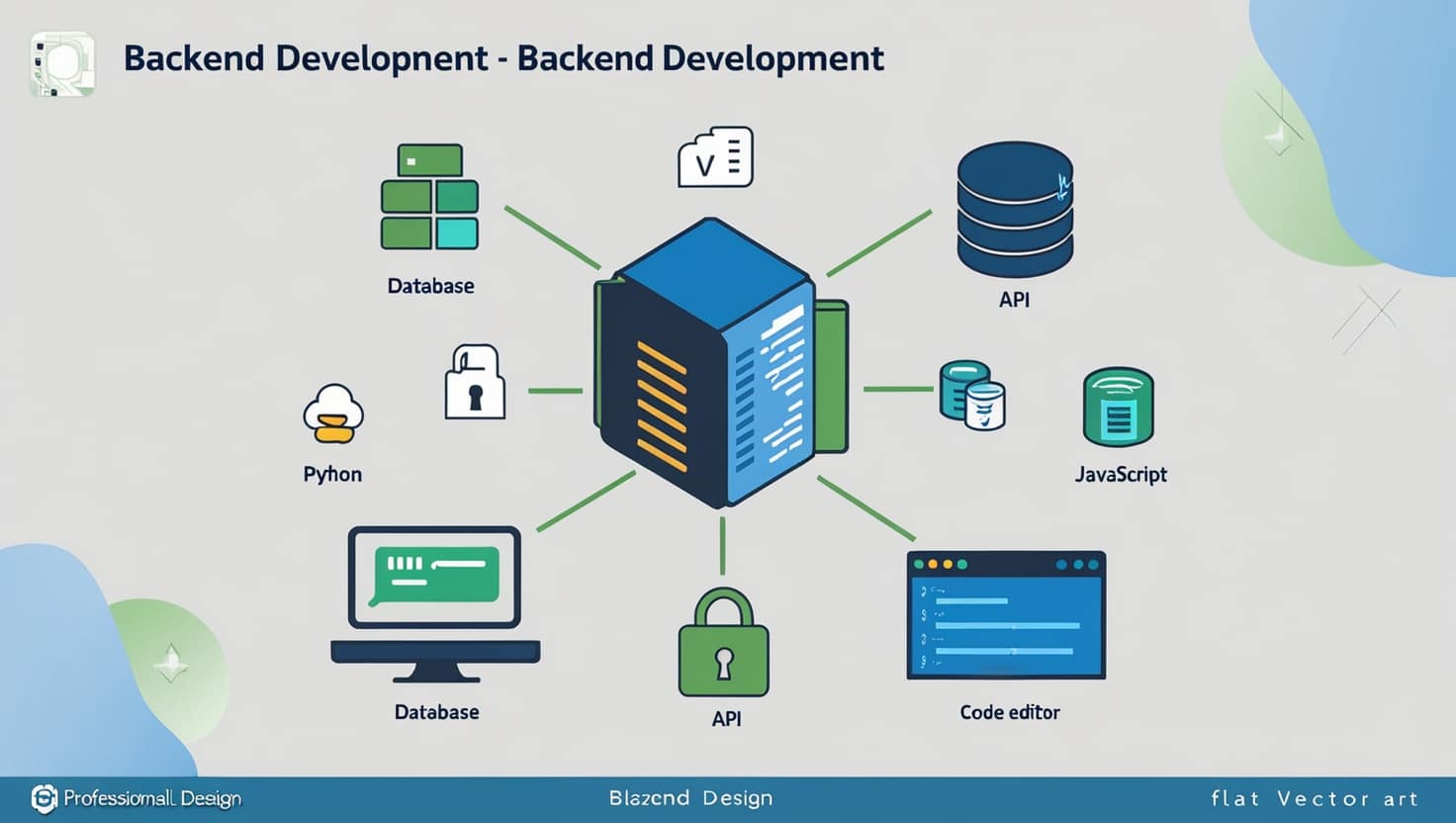
There are different types of frameworks that cater to various development needs, as each framework offers unique features, tools, and approaches suited to specific tasks or project requirements.
Let’s explore some of the most popular ones:
Django (Python)
Django is a high-level Python web framework known for its rapid development capabilities and clean, pragmatic design. Adopting the “batteries-included” philosophy, it comes with a comprehensive set of built-in features, including an admin panel, authentication system, and ORM (Object-Relational Mapping).
Django stands out for its strong security features, offering built-in protections against common threats like SQL injection, XSS, and CSRF. Additionally, its scalability makes it suitable for both small projects and large applications, while its rich feature set accelerates the development process, reducing the need for custom code.
Express.js (Node.js)
Express.js is a minimalistic, flexible framework built on top of Node.js, designed for creating web applications and APIs. It offers essential tools for handling HTTP requests, routing, and middleware, making it both lightweight and highly efficient.
Express.js is chosen for its simplicity and flexibility, allowing developers to build robust applications with minimal overhead. Running on Node.js, it benefits from non-blocking I/O operations, ensuring high performance when handling numerous concurrent requests. Its widespread popularity also provides developers with easy access to resources, libraries, and community support.
Ruby on Rails (Ruby)
Ruby on Rails (Rails) is an opinionated framework built in Ruby, designed to maximise developer productivity by emphasising the principles of convention over configuration and DRY (Don’t Repeat Yourself). It offers full-stack capabilities, allowing developers to handle everything from database migrations to asset management and authentication.
Rails is known for its rapid development cycle, which is facilitated by its focus on convention and pre-built tools that reduce the time spent on development. The large and active Rails community provides extensive documentation and a wealth of gems (libraries) to extend functionality, making it a powerful and well-supported choice for developers.
Laravel (PHP)
Laravel is a PHP framework designed to build modern, robust web applications. It provides a range of powerful features, such as the Eloquent ORM, authentication tools, and routing capabilities, making backend development efficient and organized.
Laravel stands out for its elegant and expressive syntax, which simplifies development and enhances developer experience. The framework also comes with built-in tools like Blade (a templating engine), a task scheduler, and a comprehensive ORM (Eloquent) for seamless database interaction. With a large, active community, Laravel offers a vast ecosystem of packages, tutorials, and resources, further streamlining web development.
Career Path for Backend Development
Backend development offers a rewarding career, involving the design and maintenance of the server-side logic, databases, and APIs that drive web applications.
Skills Required for Backend Development
- Programming Languages: Proficiency in languages like Python, JavaScript (Node.js), Ruby, PHP, and Java is essential for building backend systems.
- Database Management: Knowledge of SQL (MySQL, PostgreSQL) and NoSQL (MongoDB) databases is key for managing and storing data.
- API Development: Understanding how to create and secure APIs (RESTful, GraphQL) is vital for communication between systems.
- Version Control: Familiarity with tools like Git for managing code changes.
- Server Management and Security: Understanding web servers (Apache, Nginx) and cloud services (AWS, Google Cloud) for application deployment. Awareness of security practices like encryption, authentication, and preventing vulnerabilities (SQL injection, XSS).
- Frameworks: Knowledge of frameworks like Django (Python), Ruby on Rails, and Laravel (PHP) for faster development.
Career Progression
- Junior Backend Developer: Focus on learning the basics of backend technologies and working on small tasks under guidance.
- Mid-Level Developer: Take on more complex projects, manage databases, and optimise code. Begin mentoring juniors.
- Senior Backend Developer: Lead system design, performance optimisation, and security. Mentor a team and manage projects.
- Lead Developer/Architect: Oversee backend architecture, ensure scalability and lead teams.
Staying Updated with Backend Trends
- Online Courses: Platforms like Coursera and Udemy help stay current with new technologies.
- Blogs & Articles: Follow resources like Dev.to and Smashing Magazine.
- Developer Communities: Engage in forums like GitHub and Stack Overflow.
- Conferences & Meetups: Attend events like Google I/O or local tech meetups for the latest insights.
- Hands-on Projects: Experiment with new tools and frameworks in personal projects.
- Open-Source Contributions: Contribute to projects to gain real-world experience and learn from others.
Backend Development Career Path in the UK
Building a Backend Development Career
The UK technology sector offers excellent opportunities for backend developers, with strong demand for skilled professionals who can build scalable, secure systems for modern businesses.
UK Backend Development Landscape:
- London Tech Hub: Major financial services and fintech companies requiring robust backend systems
- Edinburgh and Glasgow: Growing technology sectors with focus on financial services and healthcare
- Manchester and Birmingham: Emerging tech centres with diverse industry requirements
- Belfast and Dublin: Strong technology presence with international companies and local startups
- Remote Opportunities: Many UK companies now offer flexible working arrangements for skilled developers
Skills in High Demand:
- Cloud Technologies: AWS, Microsoft Azure, and Google Cloud Platform expertise
- Microservices Architecture: Experience with distributed systems and containerisation
- API Development: RESTful services and GraphQL implementation skills
- Database Expertise: Both SQL and NoSQL database management
- DevOps Integration: Understanding of CI/CD pipelines and infrastructure as code
UK-Specific Technical Skills:
- Open Banking Standards: Understanding of UK financial technology requirements
- GDPR Implementation: Practical experience with data protection in backend systems
- Government Digital Service Standards: Knowledge of GDS design principles and accessibility requirements
- British Standards: Understanding of UK-specific compliance and security standards
Professional Development Opportunities:
- Tech Meetups: Regular backend development meetups in major UK cities
- University Partnerships: Collaboration opportunities with UK universities and research institutions
- Government Initiatives: Skills development programmes supported by UK government digital initiatives
- Industry Conferences: UK-hosted events focusing on backend development and system architecture
Salary Expectations and Career Progression:
- Junior Developer: £25,000-£40,000 annually
- Mid-Level Developer: £40,000-£65,000 annually
- Senior Developer: £65,000-£90,000 annually
- Lead Developer/Architect: £90,000-£120,000+ annually
- Additional Benefits: Many UK companies offer pension contributions, healthcare, and professional development funding
ProfileTree contributes to the UK’s technology ecosystem by providing training, mentorship, and career development opportunities for aspiring backend developers across Northern Ireland and Ireland, helping build the next generation of skilled technology professionals.
Frequently Asked Questions
Q: What is backend development? A: Backend development refers to server-side programming that handles the logic, database interactions, and infrastructure required to power web applications. It encompasses everything users don’t see but that makes websites and applications function, including data storage, security, and business logic processing.
Q: What is the backend development process? A: The backend development process typically involves requirements analysis, system architecture design, database planning, coding implementation, testing, optimisation, and deployment. This systematic approach ensures that backend systems are reliable, secure, and scalable whilst meeting business requirements.
Q: How does backend web development differ from frontend development? A: Backend development focuses on server-side logic, databases, and application infrastructure, whilst frontend development handles user interfaces and client-side interactions. Backend developers work with servers, databases, and APIs, whilst frontend developers work with HTML, CSS, and user experience design.
Q: What are backend efficiencies and why do they matter? A: Backend efficiencies refer to optimisations that improve system performance, reduce resource consumption, and enhance scalability. They matter because efficient backends provide faster user experiences, lower operational costs, and better system reliability whilst supporting business growth.
Q: What backend content should businesses prioritise? A: Businesses should prioritise backend content including robust security measures, scalable architecture, efficient database design, comprehensive APIs, and proper monitoring systems. The specific priorities depend on business requirements, user base size, and growth projections.
Q: How important is Redis in modern backend architecture? A: Redis is highly valuable for modern backend systems, providing in-memory data storage for caching, session management, real-time analytics, and message queuing. It significantly improves application performance and supports high-capacity service architectures.
Q: What skills are needed for backend development careers in the UK? A: UK backend developers need programming language proficiency (Python, JavaScript, Java, etc.), database management skills, API development experience, cloud platform knowledge, and understanding of UK-specific requirements like GDPR compliance and financial services integration.
Q: How do I choose between different backend programming languages? A: Choose based on project requirements, team expertise, performance needs, and ecosystem support. Python offers simplicity and rapid development, JavaScript (Node.js) provides full-stack consistency, Java offers enterprise-grade scalability, and PHP remains popular for web-focused applications.
Conclusion
Backend development forms the backbone of any modern web application, enabling the functionality, performance, and security of the services we rely on daily. From understanding the key components like servers, databases, and APIs to mastering backend programming languages and frameworks, backend developers play a crucial role in building scalable, efficient, and secure systems.
As technology continues to evolve, backend developers must stay adaptable, continuously learning new tools and best practices to meet the demands of the ever-changing digital landscape. Whether you’re just starting out or looking to refine your skills, mastering the essentials of backend development sets the foundation for a successful and rewarding career in tech.