
What Is IGTV? The Complete Guide to Instagram’s Video Platform
Table of Contents
Instagram’s launch of IGTV marked a significant shift in how businesses approach video marketing on social media. This dedicated vertical video platform was explicitly designed for the mobile-first generation, recognising that most users hold their phones upright when browsing content. For UK businesses, particularly SMEs looking to expand their digital presence, understanding IGTV’s capabilities and limitations is crucial for building an effective video marketing strategy.
This guide examines the platform’s functionality, compares it with established competitors such as YouTube, and provides practical guidance for businesses considering IGTV as part of their content marketing strategy. We’ll explore the technical requirements, strategic considerations, and realistic expectations for this platform in the current digital landscape.
Understanding IGTV: Instagram’s Vertical Video Platform
Before diving into IGTV strategy, it’s essential to understand what the platform offers and how it differs from other video options. The following sections examine IGTV’s core functionality and design philosophy to help you determine whether it fits your business needs.
What IGTV Offers Businesses
IGTV represents Instagram’s attempt to capture the growing demand for longer-form vertical video content. Unlike standard Instagram posts, limited to 60 seconds, IGTV allows videos ranging from 15 seconds to 10 minutes for most accounts, with verified accounts able to upload content up to 60 minutes in length.
The platform appears as a distinct icon within the Instagram app interface, displaying a television symbol integrated into Instagram’s familiar logo. When you access IGTV, you’ll find four main navigation options: ‘For You’ (a curated mix of popular and followed content), ‘Following’ (creators you already follow), ‘Popular’ (trending videos), and ‘Continue Watching’ (allowing users to resume partially viewed content).
For businesses operating in Northern Ireland, Ireland, and the broader UK market, IGTV offered an opportunity to extend brand storytelling beyond the constraints of traditional Instagram posts and Stories. The platform allowed for product demonstrations, behind-the-scenes content, tutorials, and customer testimonials in a format optimised for mobile viewing.
The Mobile-First Design Philosophy
IGTV’s defining characteristic is its commitment to vertical video—specifically, a 9:16 aspect ratio—which aligns with how people naturally hold their smartphones. This approach differs fundamentally from traditional video platforms that were built around landscape (16:9) viewing.
For content creators and businesses, this meant rethinking video production from the ground up. Rather than simply cropping existing horizontal footage, successful IGTV content needed to be conceived and explicitly filmed for vertical viewing. This included considerations like framing subjects centrally, ensuring text overlays remained within safe zones, and designing compositions that worked within the portrait orientation.
The platform also encouraged a more intimate, personal style of content. Vertical video creates a one-to-one feeling—similar to a video call—rather than the broadcast feel of traditional horizontal video. This made it particularly suitable for founder-led content, direct customer communications, and authentic behind-the-scenes glimpses.
Platform Features and User Experience
Understanding how to navigate and utilise IGTV’s features is fundamental to creating a successful presence. The platform offers specific tools for content creation, organisation, and discovery that shape how your audience interacts with your videos.
Creating Your IGTV Channel
Setting up an IGTV presence is straightforward, but it requires careful planning. The process begins by accessing the settings icon within the IGTV interface, which then transforms into your profile picture once your channel is established. From there, uploading content involves selecting the plus button and choosing your prepared video file.
Instagram also released a standalone IGTV app, which many users found more convenient for dedicated video consumption compared to navigating through the main Instagram application. This separate app offered a cleaner viewing experience, focusing entirely on long-form content.
For businesses managing multiple social platforms, IGTV required consideration of how video content fits within the broader content strategy. The platform worked best when content was purpose-built rather than repurposed from other channels.
Content Organisation and Discovery
Unlike YouTube’s robust playlist functionality, IGTV initially lacked comprehensive content organisation features. This limitation meant creators needed alternative strategies for grouping related content. The recommended approach was to use consistent, specific hashtags to create pseudo-playlists.
For example, if ProfileTree were creating a series about WordPress website development, we might use a distinctive hashtag, such as #PTWordPressBuild, to link related episodes. While any video using this hashtag would appear in searches, a sufficiently unique tag helped maintain content cohesion.
The search functionality within IGTV proved more fluid than YouTube’s, allowing users to browse for new content while watching current videos simultaneously. This reduced friction in content discovery but also meant creators needed stronger hooks to maintain viewer attention in a more distraction-rich environment.
IGTV vs YouTube: Understanding the Differences
These two platforms serve different purposes within a comprehensive video marketing strategy. Comparing them helps businesses make informed decisions about resource allocation and content distribution.
Video Format and Length Considerations
The most apparent distinction lies in video orientation. IGTV exclusively supports vertical video (9:16 aspect ratio), while YouTube primarily displays horizontal content (16:9) with limited support for vertical formats. This fundamental difference affects every aspect of production, from shooting to editing to final presentation.
Video length parameters also differ significantly. IGTV restricts most accounts to 10-minute uploads, with longer durations available only to verified users. YouTube accommodates videos up to 12 hours, making it better suited for comprehensive tutorials, webinars, or detailed explanations.
For businesses that produce content, these constraints require different approaches. IGTV favours concise, focused pieces that deliver value quickly, while YouTube supports more expansive, detailed content that builds authority through thoroughness.
Audience Demographics and Behaviour
Instagram’s user base skews younger, with significant representation from the 18-34 demographic. These users typically engage with content during mobile browsing sessions, often in short bursts throughout the day. IGTV content performs best when it acknowledges this behaviour—delivering value quickly and maintaining energy throughout.
YouTube attracts a broader demographic range, with users often dedicating focused viewing sessions to specific topics. The platform functions as a search engine, with users actively seeking solutions to problems or seeking to learn new skills. This intent-driven discovery differs from Instagram’s more passive, entertainment-focused browsing behaviour.
For UK businesses, particularly those offering professional services or B2B solutions, YouTube often provides better opportunities for detailed product explanations, case studies, and educational content. IGTV is more effective for brand awareness, sharing quick tips, and maintaining engagement with existing audiences.
Monetisation and Analytics Capabilities
YouTube offers comprehensive monetisation through advertising revenue, channel memberships, Super Chat, and merchandise integration. The platform’s detailed analytics provide insights into audience retention, traffic sources, demographics, and engagement patterns—critical data for refining content strategy.
IGTV’s monetisation options remain more limited, primarily relying on brand partnerships and influencer marketing rather than direct platform revenue sharing. Analytics provide basic metrics like views, likes, comments, and demographic information, but lack the depth required for sophisticated performance analysis.
For businesses measuring return on investment from video content, YouTube’s robust data makes it easier to track performance, identify successful topics, and optimise future content. IGTV serves better as a brand-building and engagement tool rather than a direct revenue channel.
Developing Your IGTV Content Strategy
Creating content without a strategy wastes resources and produces inconsistent results. A deliberate approach to IGTV content planning enables businesses to make videos that serve specific objectives while resonating with their target audiences.
Identifying Content Opportunities
Successful IGTV content strikes a balance between platform expectations and business objectives. The format naturally suits certain content types, such as product demonstrations that benefit from vertical framing, founder stories that leverage the intimate format, customer testimonials delivered directly to the camera, and quick tutorials that fit within time constraints.
“Businesses often underestimate the strategic planning required for effective video content,” notes Ciaran Connolly, Director of ProfileTree. “IGTV isn’t just about posting videos—it’s about creating content that serves specific business goals while respecting platform conventions and audience expectations.”
For service-based businesses in digital marketing, web design, or AI implementation, IGTV can showcase expertise through bite-sized insights. Rather than comprehensive tutorials, focus on single concepts, quick wins, or thought leadership snippets that demonstrate knowledge while driving viewers to more detailed resources.
The Batch Production Approach
Producing individual videos for each IGTV upload quickly becomes unsustainable. High-performing brands adopt batch production methodologies—filming multiple pieces of content in single sessions, then editing them into separate videos for scheduled release.
This approach requires upfront planning but dramatically improves efficiency. A single filming day might yield 10-15 final videos when properly structured. The process involves:
- Planning: Develop a script or outline that addresses 10-15 common customer questions or concerns.
- Set up: Arrange lighting, audio, and framing once to maintain consistency across all recordings.
- Recording: Film all content in sequence, changing only wardrobe or minimal props between segments to create variation.
- Post-Production: Edit individual segments with branded intros, captions, and calls-to-action appropriate for each topic.
For businesses without in-house video capabilities, partnering with agencies offering video production services designed for batch workflows can make this approach accessible and cost-effective.
Adapting Content Across Platforms
While IGTV requires vertical video, this doesn’t mean content must exist in isolation. Strategic businesses create content that works across multiple platforms with minimal adaptation.
Filming content in 4K resolution offers flexibility for various aspect ratios. The duplicate footage can be exported in three formats: vertical (9:16) for IGTV and Reels, square (1:1) for Instagram feed posts, and horizontal (16:9) for YouTube. This requires careful framing during filming—keeping subjects and critical visual elements in the centre “safe zone” that works across all formats.
Audio considerations matter equally. IGTV videos often play with sound on, unlike other social formats. This means dialogue must be clear, background noise minimised, and music choices strategic rather than merely decorative.
Technical Requirements and Video Formatting
Getting the technical details right separates professional-looking content from amateur productions. IGTV has specific requirements that impact both filming and editing decisions, including resolution specifications and file size limitations.
Core Technical Specifications
IGTV accepts videos in MP4 format with specific parameters for optimal performance:
- Resolution: Between 1080×1920 (minimum) and 4096×4096 (maximum), though 1080×1920 covers most needs.
- Aspect Ratio: 9:16 (vertical) is required. The platform doesn’t accommodate horizontal or square formats.
- File Size: Maximum 600MB, which typically accommodates 10 minutes of properly compressed video.
- Length: 15 seconds minimum, 10 minutes maximum for standard accounts, 60 minutes for verified accounts.
These technical constraints influence creative decisions. The file size limitation requires a balance between quality and compression—overly compressed videos appear pixelated, especially on newer smartphones with high-resolution displays.
Optimising for Engagement
Beyond meeting minimum requirements, successful IGTV content follows best practices for viewer retention:
- Hook Development: The opening 3 seconds determine whether viewers continue watching. Open with immediate value—a provocative question, surprising statement, or clear benefit proposition.
- Caption Integration: Many users browse with sound off initially. Burned-in captions (text overlay permanently part of the video) maintain comprehension regardless of audio status.
- Visual Pacing: Attention spans on social platforms are compressed. Edit for dynamic pacing, changing shots or angles every 3-5 seconds to maintain visual interest.
- Safe Zones: Keep critical elements (faces, text, products) in the centre 75% of the frame to accommodate interface elements that may overlay video edges.
For businesses managing their own video production, investing in editing software that supports vertical video workflows saves significant time. Adobe Premiere Pro, Final Cut Pro, and even mobile editing apps like InShot provide templates and tools specifically for 9:16 content.
Thumbnail and Title Optimisation
First impressions determine whether users engage with content. IGTV thumbnails require careful consideration:
- High-Quality Imagery: Use sharp, well-lit images that remain clear even when displayed as small thumbnails.
- Text Overlay: Brief, readable text that communicates the video topic at a glance. Limit to 3-5 words maximum.
- Branding Consistency: Maintain visual consistency across thumbnails through colour schemes, fonts, or logo placement.
- Curiosity Generation: Create thumbnails that provoke interest without misleading viewers about content.
Titles should be descriptive, keyword-rich, and front-loaded with the most essential information. IGTV displays a limited number of characters before truncating, so place key terms within the first 40-50 characters.
Strategic Considerations for UK Businesses
British businesses face unique considerations when implementing IGTV strategies. From regulatory compliance to market dynamics, several factors influence how UK-based organisations should approach vertical video content on Instagram.
Platform Viability and Evolution
The vertical video landscape continues evolving rapidly. IGTV’s role within Instagram’s broader ecosystem has shifted since launch, with the platform integrating features from IGTV directly into the main Instagram feed and emphasising Reels for short-form content.
For businesses evaluating where to invest video production resources, consider IGTV alongside Instagram Reels, YouTube Shorts, and TikTok as part of a comprehensive vertical video strategy rather than an isolated channel.
The most sustainable approach treats vertical video as an asset class rather than platform-specific content. Produce once, distribute many—creating content that works across multiple vertical video platforms simultaneously.
Measuring Success Beyond Vanity Metrics
Views and likes provide limited insight into actual business impact. More valuable metrics include:
- Watch Time: How much of each video do viewers consume? High drop-off rates indicate content isn’t meeting audience expectations.
- Click-Through Rate: For videos driving traffic to websites or specific pages, monitor the percentage of viewers who take action.
- Follower Growth: Does video content attract new followers interested in your services?
- Direct Enquiries: Track whether video campaigns generate measurable business enquiries or leads.
For service businesses, particularly those offering web design, SEO, or digital marketing training, video content should serve specific funnel purposes—such as awareness building, education provision, or direct conversion encouragement.
Compliance and Professional Standards
UK businesses using IGTV for marketing must adhere to Advertising Standards Authority (ASA) regulations. This includes clear disclosure when content contains advertising, accurate representation of products or services, and appropriate labelling of paid partnerships.
For professional services firms, video content should maintain brand standards while feeling authentic. Overly polished, corporate-style content often underperforms compared to more natural, conversational pieces that showcase genuine expertise and personality.
Integration with Broader Digital Marketing Strategy
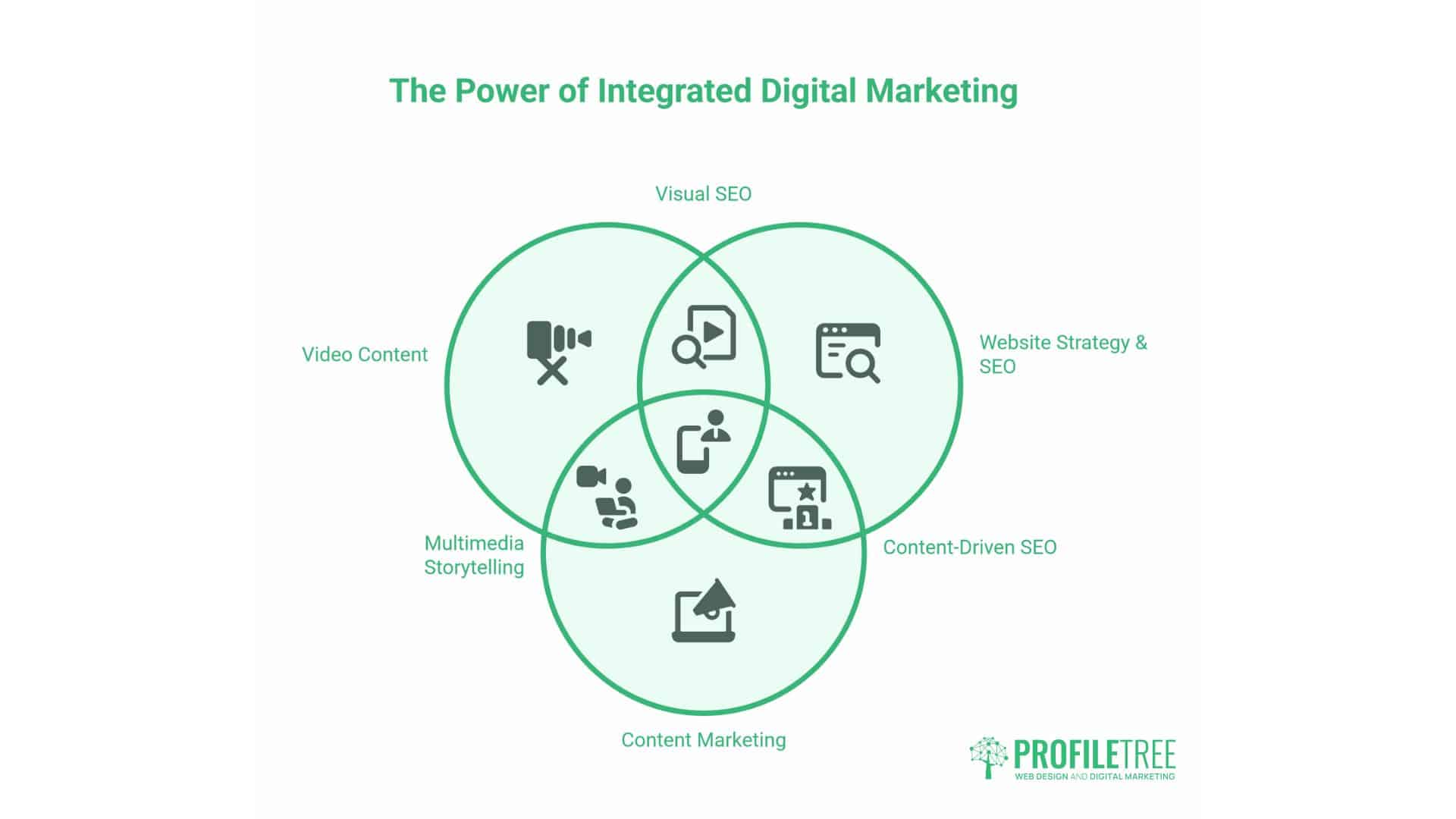
IGTV shouldn’t exist in isolation from your other digital marketing efforts. The most effective approaches integrate video content with website strategy, SEO initiatives, and comprehensive content marketing to create a cohesive customer experience across all touchpoints.
Content Marketing Alignment
IGTV works best when integrated with comprehensive content marketing efforts rather than existing in isolation. Video content can amplify blog posts, visualise written concepts, or provide alternative formats for consuming the same information.
For agencies offering content marketing services, this multi-format approach provides clients with diverse touchpoints across their customer journey. A single topic might exist as a detailed blog post, summary IGTV video, infographic, and social media snippets—each serving different audience preferences and consumption contexts.
SEO and Discovery Implications
While IGTV content doesn’t directly influence website search rankings, it contributes to a broader SEO strategy through:
- Brand Visibility: Appearing in Instagram searches for relevant topics increases overall brand awareness.
- Traffic Generation: Videos can drive viewers to websites through profile links and call-to-action prompts.
- Dwell Time: Keeping users engaged with your content longer sends positive signals about content quality.
For businesses focused on local SEO—particularly those serving Northern Ireland, Ireland, and UK markets—location-tagged IGTV content can strengthen local visibility when combined with other geo-targeted efforts.
Video Production Investment Decisions
Determining appropriate investment in IGTV content requires evaluating several factors:
- Audience Presence: Does your target market actively consume content on Instagram?
- Content Resources: Do you have the capacity to produce consistent, quality video content?
- Strategic Fit: Does the video align with how your audience prefers to consume information?
- Competitive Landscape: Are competitors successfully using video, creating expectations you need to meet?
For SMEs with limited resources, starting small makes sense—testing content performance before committing significant resources is a prudent approach. Simple smartphone filming with basic editing can provide valuable insights into what resonates before investing in professional production.
Agencies offering video production services can guide this decision-making process, helping businesses identify the optimal video formats, production approaches, and distribution strategies based on their specific goals and constraints.
Practical Implementation Steps
Moving from planning to execution requires concrete actions. These practical steps help businesses launch IGTV initiatives efficiently while avoiding common pitfalls that derail video marketing efforts before they gain momentum.
Getting Started with IGTV
Beginning your IGTV journey involves several practical steps:
- Audit Existing Content: Review any existing video content for potential IGTV adaptation. Can horizontal videos be reframed for vertical? Do you have footage that could be re-edited for the platform?
- Identify Topics: List 10-15 topics your audience frequently asks about. These become your initial content pipeline.
- Plan Production: Decide whether to film in-house or partner with a video production agency. Consider what equipment, skills, and time you have available.
- Create Templates: Develop branded intro and outro templates that can be quickly applied to any video, ensuring consistency.
- Schedule Consistently: Commit to a manageable posting frequency—once a week, for example—rather than sporadic uploads.
Common Challenges and Solutions
Businesses new to IGTV frequently encounter predictable obstacles:
- Challenge: Videos appear awkward when cropped from horizontal footage.
- Solution: Create new content specifically for the vertical format, or use strategic close-ups that work well in portrait orientation.
- Challenge: Low view counts despite quality content.
- Solution: Promote IGTV videos through Stories, feed posts, and other channels. Cross-platform promotion drives initial views.
- Challenge: Uncertain about content topics.
- Solution: Mine customer service enquiries, sales questions, and search console data to identify topics your audience actually cares about.
- Challenge: Time-intensive production is preventing consistency.
- Solution: Adopt batch filming and template-based editing to streamline workflow.
Platform-Specific Best Practices
Several practices improve IGTV performance:
- Post at Optimal Times: Analyse when your followers are most active and schedule uploads accordingly.
- Utilise Hashtags Strategically: Include 3-5 relevant hashtags that strike a balance between searchability and specificity.
- Engage with Comments: Respond to comments promptly to encourage conversation and signal the quality of your content to the algorithm.
- Create Series Content: Episodic content encourages viewers to return for subsequent instalments.
- Test Thumbnail Variations: Different visual approaches resonate differently with audiences—track which styles generate higher click-through rates.
ProfileTree’s Perspective on Video Marketing
As a digital agency based in Belfast, serving clients across Northern Ireland, Ireland, and the UK, ProfileTree recognises the increasing importance of video in comprehensive digital strategies. Our approach to video marketing extends beyond single platforms to create cohesive strategies that work across the digital ecosystem.
For businesses considering IGTV specifically, we recommend viewing it as one component of a vertical video strategy rather than an isolated initiative. The same content assets can serve IGTV, Instagram Reels, TikTok, and YouTube Shorts when produced with platform flexibility in mind.
Our video production services focus on creating content that serves business objectives—such as lead generation, brand awareness, and customer education—rather than simply producing visually appealing videos. This means understanding how video fits within broader digital marketing efforts, including website design optimised for video integration, SEO strategies that leverage video content, and content marketing approaches that use video alongside written content.
For businesses exploring AI implementation, we also consider how AI tools can streamline video production—from script generation to automated captioning to editing assistance—making regular video content more accessible for resource-constrained SMEs.
The Future of Vertical Video
The vertical video landscape continues to evolve at a rapid pace, with new platforms, features, and opportunities emerging regularly. Understanding these trends enables businesses to make informed decisions about where to allocate their video production resources for maximum long-term value.
Platform Consolidation Trends
The vertical video landscape continues consolidating. Instagram has increasingly integrated IGTV features directly into the main feed, while emphasising Reels for short-form content. This suggests platform priorities are shifting toward seamless content experiences rather than separate destination apps.
For businesses, this means flexibility matters more than platform-specific expertise. Producing quality vertical video content that adapts across platforms provides more resilience than optimising exclusively for any single channel.
Emerging Opportunities
Several trends suggest where vertical video is heading:
- Programmatic Vertical Video: Advertising networks are increasingly supporting vertical video formats, enabling brands to expand their reach beyond social platforms.
- Digital Out-of-Home: Vertical screens in transport hubs, retail environments, and public spaces create new distribution opportunities for vertical content.
- LinkedIn Vertical Video: Professional platforms are adopting vertical formats, opening up B2B opportunities that were previously limited to horizontal content.
For forward-thinking businesses, producing versatile vertical video assets now positions you to capitalise on these emerging opportunities as they mature.
FAQs
How long should IGTV videos be for optimal engagement?
Research suggests 5-10 minutes provides the sweet spot for most business content. This duration allows sufficient depth to provide value while respecting viewer attention spans. However, let the content dictate the length—some topics warrant 2 minutes, while others justify 15.
Can I repurpose YouTube content for IGTV?
Technically, yes, but strategic repurposing requires more than format conversion. Successful IGTV content is explicitly filmed for vertical viewing with mobile consumption in mind. Simply cropping horizontal content typically produces awkward framing and a poor viewer experience.
What equipment do I need to start creating IGTV content?
Modern smartphones provide sufficient quality for a beginning. Supplement with an inexpensive tripod, a clip-on microphone for improved audio, and basic lighting (even a ring light). Professional quality matters less than consistency and content value for most business applications.
How frequently should I post to IGTV?
Consistency matters more than volume. Weekly posting that you can sustain outperforms daily uploads that quickly become unsustainable. Build your posting rhythm around your content production capacity rather than arbitrary frequency targets.
Taking Action: Your Next Steps
Implementing an effective IGTV strategy starts with auditing your current video content. What assets already exist? How could they be adapted? What gaps could video address?
Evaluate your production capabilities honestly. Do you have team members who are comfortable on camera? What filming and editing skills exist internally? Would partnering with a video production agency accelerate progress?
Create a simple content calendar with 8-10 video topics for the next quarter. Film 2-3 videos initially, publish them, and analyse performance before scaling up.
For businesses seeking comprehensive digital strategies that integrate video with web design, SEO, and content marketing, professional guidance accelerates progress. ProfileTree works with companies across Northern Ireland, Ireland, and the UK to develop cohesive approaches that align video content with business objectives.
Whether IGTV becomes central to your strategy or serves as one element in a broader vertical video approach, the principles remain consistent: understand your audience, produce purpose-driven content, maintain high-quality standards, and integrate video with broader marketing efforts rather than treating it as an isolated element.
The vertical video revolution continues—mobile consumption is growing, and vertical formats are increasingly dominating content consumption. Businesses developing vertical video competence now position themselves advantageously for future platform innovations.