
What Is Influencer Marketing? Guide to Campaigns That Drive Results
Table of Contents
Influencer marketing has transformed how businesses connect with their target audiences. Traditional advertising methods—television commercials, print advertisements, and banner ads—increasingly struggle to capture consumer attention in an oversaturated media environment. Modern consumers scroll past advertisements, install ad blockers, and instinctively dismiss corporate messaging. Yet these same individuals trust recommendations from people they follow and admire on social media.
This shift in consumer behaviour has created unprecedented opportunities for businesses willing to adapt their marketing strategies. At ProfileTree, our Belfast-based digital marketing team has helped numerous SMEs across Northern Ireland, Ireland, and the UK implement successful influencer strategies that generate measurable business growth. We’ve witnessed first-hand how partnerships with the right content creators can deliver results that traditional advertising simply cannot match—from Belfast coffee shops filling their tables through local food blogger recommendations to UK-wide e-commerce brands achieving six-figure sales from targeted influencer campaigns.
The influencer marketing landscape has matured considerably. What began as informal product gifting to popular social media users has evolved into a sophisticated marketing discipline requiring strategic planning, careful partner selection, performance measurement, and regulatory compliance. Businesses that approach influencer marketing strategically—treating it as an integrated component of comprehensive digital marketing rather than an isolated tactic—consistently outperform those pursuing ad-hoc influencer partnerships.
What Is Influencer Marketing?
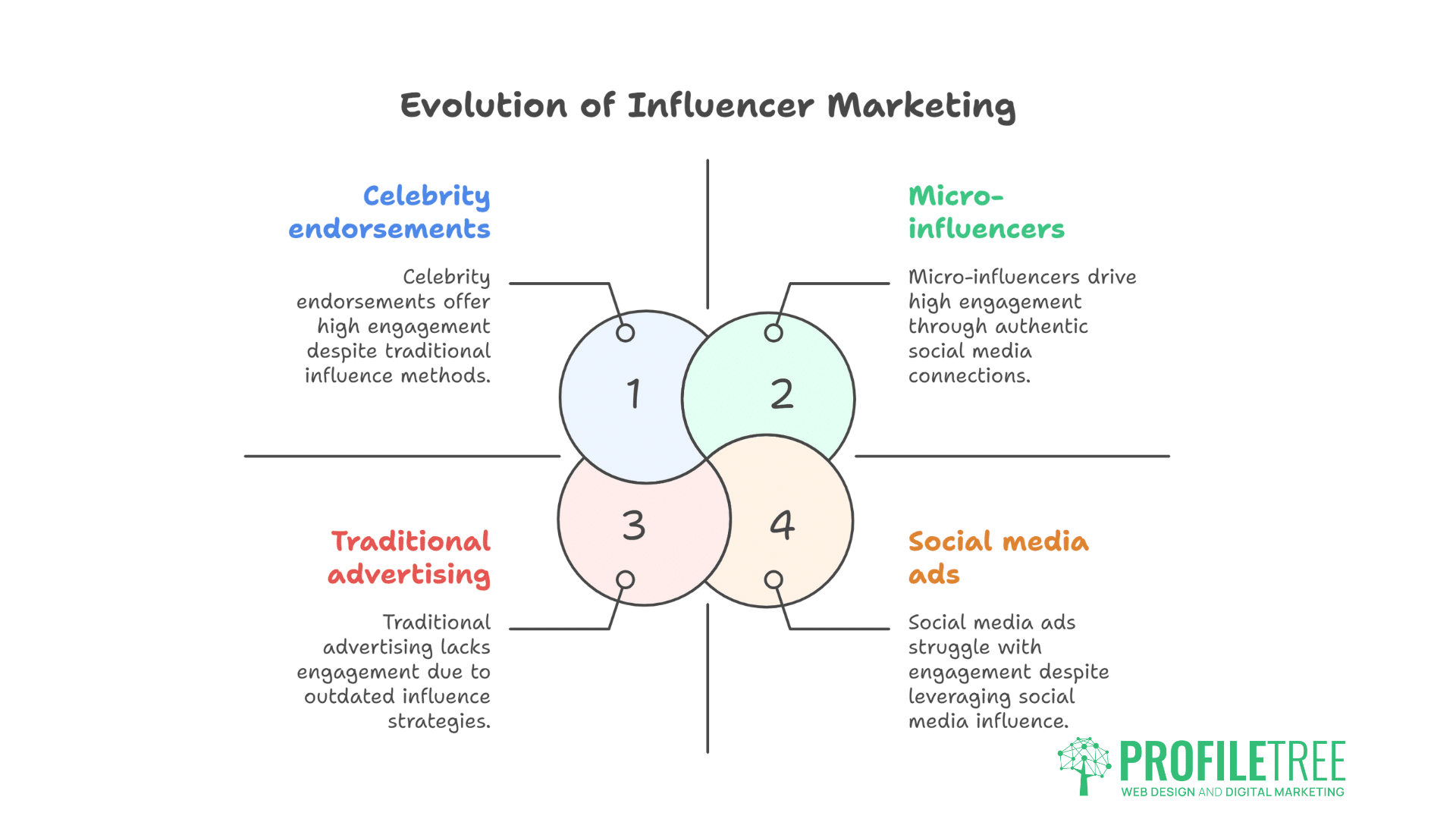
Influencer marketing is a strategic marketing approach that focuses on partnering with individuals who have built engaged followings on social media platforms to promote your brand, products, or services. These individuals—known as influencers—have established trust and credibility with their audiences, making their recommendations particularly valuable for businesses seeking to reach specific demographics.
The practice combines two fundamental concepts: influence and marketing. Influence refers to the ability to affect the development, behaviour, or purchasing decisions of others. Marketing encompasses the actions businesses take to promote and sell products or services. Together, influencer marketing represents the process of promoting your offerings through people who possess the capacity to create high-impact conversations with your customers.
This marketing discipline has existed for decades. Athletes, celebrities, and industry leaders have long served as brand ambassadors, helping companies command significant market share. However, social media has democratised influence, creating opportunities for everyday people to build substantial followings and become trusted voices in their niches.
“Influencer marketing has evolved from celebrity endorsements to authentic partnerships with creators who genuinely connect with their communities,” says Ciaran Connolly, Director of ProfileTree. “For businesses in Northern Ireland and across the UK, working with the right influencers—whether local micro-influencers or established content creators—can deliver remarkable returns when integrated into a comprehensive digital marketing strategy.”
Why Influencer Marketing Matters for Your Business
Most consumers remain sceptical of traditional marketing messages. People inherently distrust anyone attempting to sell them something. This scepticism has created a significant gap that influencer marketing fills effectively.
Influencers bridge the trust gap between brands and consumers. These content creators—typically blogging and social media experts—command loyal followings that trust their opinions and recommendations. This trust translates into genuine influence over consumer decisions.
Authenticity drives influencer marketing success. Audiences trust influencers more than they trust brands directly. When an influencer genuinely recommends a product or service they’ve used and believe in, their followers pay attention. This authentic endorsement carries significantly more weight than traditional advertising.
For businesses operating in competitive markets, influencer marketing offers several distinct advantages:
- Access to Established Audiences: Rather than spending years building your own following, you can tap into audiences that influencers have already cultivated. This saves considerable time and resources.
- Targeted Reach: Influencers typically operate within specific niches, allowing you to reach precisely the demographics most likely to purchase your products or services. Whether you need to connect with fitness enthusiasts, technology professionals, or food lovers, relevant influencers exist in every sector.
- Enhanced Credibility: When trusted voices recommend your business, their credibility extends to your brand. This social proof significantly influences purchasing decisions, particularly amongst younger demographics who have grown up with social media.
- Cost-Effective Marketing: Compared to traditional advertising channels, influencer marketing often delivers superior return on investment, particularly when working with micro-influencers who maintain highly engaged niche audiences.
Understanding the different approaches to influencer marketing helps businesses select the strategy that best aligns with their goals, budget, and target audience.
Types of Influencer Marketing
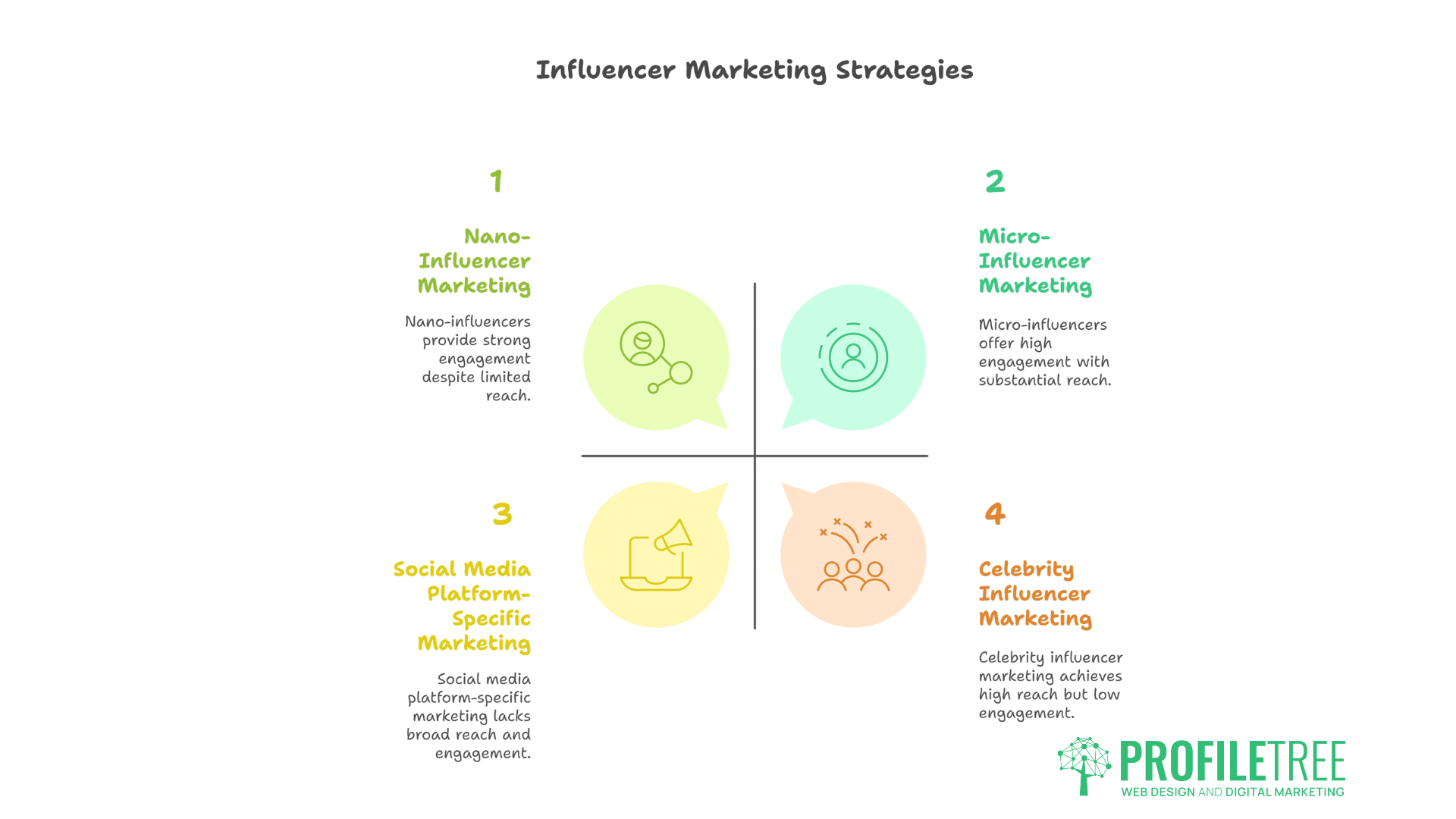
Not all influencer partnerships follow the same model. Understanding the different types of influencer marketing available helps you select the approach that best aligns with your business objectives, budget constraints, and target audience characteristics.
Celebrity Influencer Marketing
involves partnering with well-known personalities who command massive followings across multiple platforms. These individuals—including actors, musicians, athletes, and television personalities—can deliver broad awareness campaigns that reach millions. However, celebrity partnerships typically require substantial budgets and may lack the authenticity that drives conversions.
Micro-Influencer Marketing
focuses on collaborating with niche content creators who maintain smaller but highly engaged followings within specific industries or interest areas. Micro-influencers typically have between 5,000 and 50,000 followers and often deliver higher engagement rates and better conversion metrics than their celebrity counterparts. Their recommendations feel more personal and trustworthy to their audiences.
Nano-Influencer Marketing
represents the newest category, involving partnerships with everyday users who have built modest followings of 1,000 to 5,000 people. Whilst their reach remains limited, nano-influencers often maintain the strongest connections with their audiences and can prove particularly effective for local businesses and hyper-targeted campaigns.
Social Media Platform-Specific Marketing
Tailor campaigns to individual platforms where particular influencers have built their strongest presence. Instagram influencers excel at visual storytelling through photos and short videos. YouTube creators produce longer-form content that allows for detailed product reviews and tutorials. TikTok influencers create engaging short-form video content that can rapidly achieve viral reach. LinkedIn influencers target professional audiences with business-focused content.
Building a Successful Influencer Marketing Strategy
Effective influencer marketing requires careful planning and execution across several key areas:
Identify Relevant Influencers
Select content creators who align with your brand values, target audience, and campaign objectives. ProfileTree’s content marketing team can help you research influencers whose followers match your ideal customer profile. Consider factors beyond follower counts, including engagement rates, content quality, audience demographics, and previous brand partnerships.
Establish Clear Objectives
Define specific, measurable goals for your influencer marketing campaign. Are you seeking to increase brand awareness, drive website traffic, generate leads, boost sales, or launch a new product? Clear objectives guide strategy development and enable accurate performance measurement.
Develop Authentic Content
Collaborate with influencers to create engaging, genuine content that resonates with their audience whilst showcasing your offerings. The most successful campaigns allow influencers creative freedom to present your brand in ways that feel natural to their content style. Overly scripted or promotional content undermines the authenticity that makes influencer marketing effective.
Set Appropriate Budgets
Influencer compensation varies widely based on factors including follower count, engagement rates, content type, platform, and exclusivity requirements. Micro-influencers might charge £150-£400 per post, whilst established creators can command £1,000-£5,000 or more for comprehensive campaigns. Budget accordingly based on your objectives and expected returns.
Track Campaign Performance
Monitor key metrics throughout your campaign to assess effectiveness and optimise future efforts. Relevant metrics include engagement rates (likes, comments, shares), website traffic from influencer content, lead generation, conversion rates, and overall return on investment.
Maintain Ongoing Relationships
The most successful influencer marketing programmes nurture long-term partnerships rather than one-off transactions. Ongoing relationships with influencers who genuinely appreciate your brand create authentic advocacy that delivers sustained results.
Ethical Considerations in Influencer Marketing
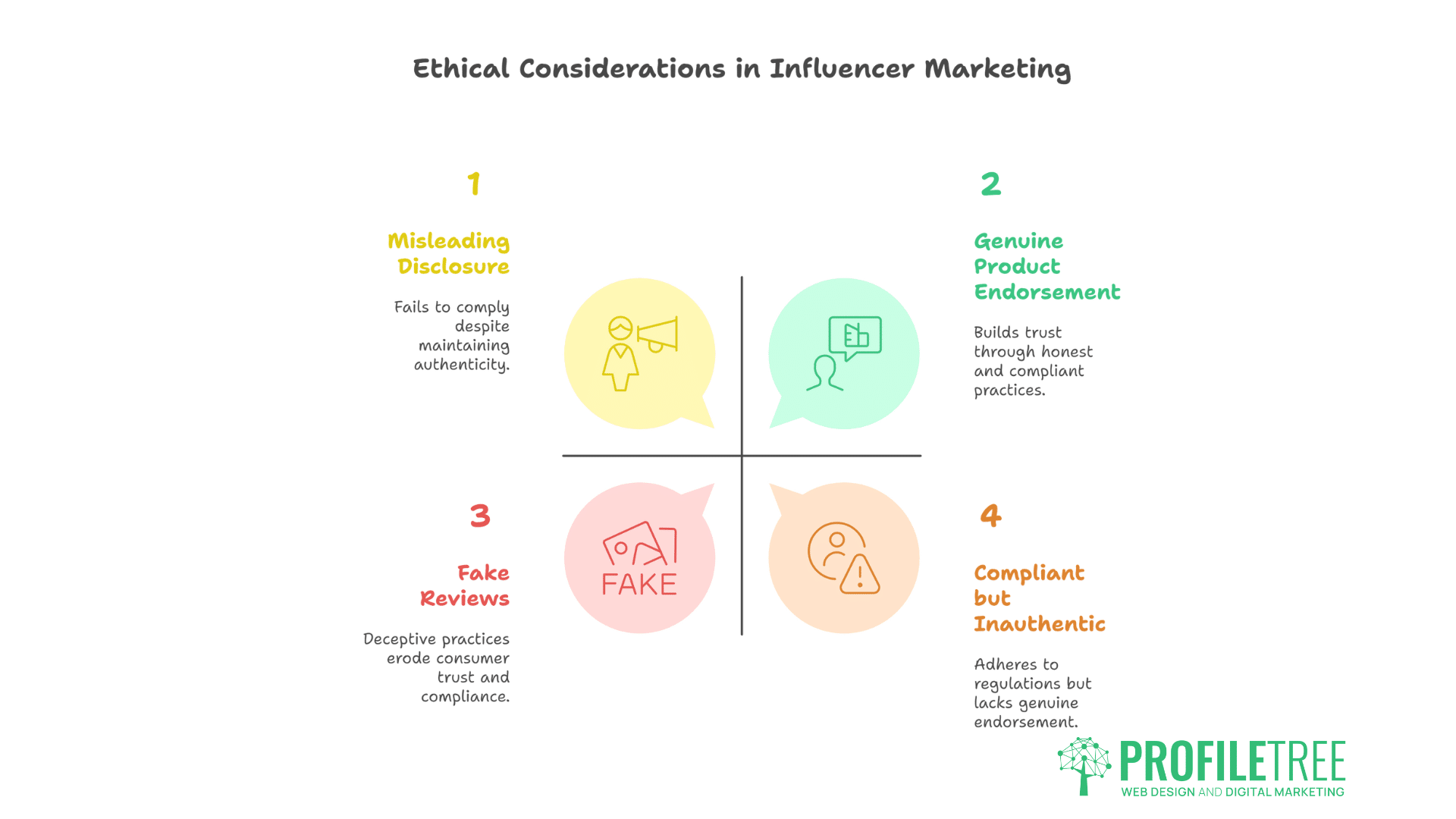
Maintaining ethical standards in influencer marketing protects both brands and consumers whilst building sustainable partnerships:
Transparency and Disclosure
Influencers must clearly disclose paid partnerships with brands to maintain transparency with their audiences. In the UK, the Advertising Standards Authority (ASA) requires clear labelling of advertising content. Failing to properly disclose sponsored content can damage both the influencer’s and the brand’s reputations, while potentially violating advertising regulations.
Authenticity and Honesty
Influencers should only recommend products or services they genuinely believe in and have actually used. Inauthentic endorsements ultimately harm everyone involved—the influencer loses audience trust, the brand associates itself with dishonesty, and consumers receive misleading information.
Avoiding Deception
Influencer marketing must never involve deceptive practices such as fake reviews, purchased followers, or misleading claims about products or services. These practices violate consumer trust and advertising regulations.
Compliance with Regulations
Adhere to all relevant advertising regulations and guidelines. In addition to ASA requirements in the UK, businesses operating across the Irish border must also consider regulations from Ireland’s Advertising Standards Authority. ProfileTree’s digital strategy team can help you navigate these compliance requirements.
Measuring Success and Understanding Influencer Compensation
Effective measurement and realistic expectations about influencer compensation help businesses maximise their investment in influencer marketing.
How Influencers Generate Income
Content creation across social media platforms has evolved from a hobby to a viable career for many influencers. Understanding how influencers monetise their platforms helps businesses structure fair partnerships.
Influencer income depends on several factors: their chosen platform, content category or niche, audience size and engagement, and the specific terms of brand partnerships. Top-tier influencers can generate substantial income from their content, with some earning six-figure annual salaries entirely from social media activities.
Compensation varies significantly across influencer tiers. Nano-influencers might accept product gifts or modest payments of £50-£150 per post. Micro-influencers typically charge £150-£500 per post, depending on their niche and engagement rates. Established content creators with substantial followings can command £2,500-£20,000 or more for comprehensive campaign partnerships.
The platform also influences rates. YouTube creators often charge premium rates due to the time-intensive nature of video production. Instagram influencers’ rates vary based on whether clients request static posts, Stories, or Reels. TikTok influencers may offer more competitive rates due to the platform’s relatively lower production requirements.
The most successful influencers have built their platforms through consistent, high-quality content creation over the years. When businesses partner with these creators, they’re not simply paying for a single post—they’re accessing the trust, credibility, and audience relationships the influencer has carefully cultivated.
Key Performance Indicators for Influencer Marketing
The global influencer marketing sector continues to expand rapidly, with market value expected to exceed £24 billion by 2025, up from £16.4 billion in 2022. This growth reflects increasing adoption by businesses of all sizes who recognise influencer marketing’s effectiveness.
Several factors drive this expansion: the continued dominance of social media in consumer behaviour, the growing influence of content creators across all demographics, and the proven return on investment that influencer marketing delivers compared to traditional advertising channels.
Successful influencer marketing campaigns generate measurable results:
- Engagement Rates: Influencer marketing posts achieve average engagement rates of 5.7%—significantly higher than organic social media posts from brand accounts. This enhanced engagement reflects the authentic relationships influencers maintain with their audiences.
- Return on Investment: Well-executed influencer marketing campaigns can generate 2-22 times return on investment, making this one of the most cost-effective marketing channels available to businesses.
- Micro-Influencer Performance: Despite smaller followings, micro-influencers often deliver superior ROI compared to macro-influencers. Their highly engaged niche audiences convert at higher rates, making them particularly valuable partners for SMEs with limited marketing budgets.
- Content Longevity: Influencer content continues generating value long after initial publication. Quality content remains discoverable through search and social media algorithms, providing ongoing exposure without additional investment.
Content That Resonates with Audiences
Understanding what content performs best helps businesses brief influencers effectively:
- Authenticity remains paramount. Consumers increasingly recognise and reject inauthentic advertising. Influencers who genuinely use and appreciate products create more persuasive content than those who simply read scripts provided by brands.
- Engaging Formats capture audience attention. Video content—particularly short-form videos on platforms like TikTok and Instagram Reels—consistently outperforms static images. Live streaming creates real-time engagement opportunities. Behind-the-scenes content humanises brands and builds stronger connections.
- Relevant Content addresses audience interests and needs. Influencers succeed when they understand their followers’ preferences and create content that provides value—whether entertainment, education, inspiration, or practical solutions to problems.
- High Production Quality signals professionalism and credibility. Whilst authenticity matters more than perfection, well-produced content with good lighting, clear audio, and thoughtful composition performs better than hastily created posts.
Businesses operating in Northern Ireland face unique opportunities and challenges in influencer marketing that require tailored approaches.
The Northern Ireland Digital Marketing Landscape
Northern Ireland’s relatively small population of 1.9 million creates a distinct marketing environment. The tightly-knit community culture means word-of-mouth recommendations travel rapidly, making influencer marketing particularly effective for local businesses.
Local influencers often maintain stronger connections with their audiences than their counterparts in larger markets. When a respected Belfast-based content creator recommends a restaurant, retail shop, or service provider, their followers can easily visit that location. This geographic proximity drives higher conversion rates compared to influencer marketing in dispersed markets.
The cross-border dimension adds strategic complexity and opportunity. Northern Ireland-based influencers frequently cultivate audiences across both Northern Ireland and the Republic of Ireland. This dual-market reach allows businesses to access customers throughout the island of Ireland through single partnerships—a unique advantage for companies seeking to expand beyond Northern Ireland.
Platform preferences in Northern Ireland mirror broader UK trends, with Instagram, TikTok, and YouTube dominating social media usage. However, local community Facebook groups remain influential for certain demographics and business categories, particularly for service-based businesses targeting older audiences.
Navigating Cross-Border Compliance
Businesses operating in Northern Ireland must consider advertising regulations from both the UK and the Republic of Ireland when running influencer campaigns:
- UK Regulations: The Advertising Standards Authority (ASA) and Committee of Advertising Practice (CAP) govern advertising in the UK, including influencer marketing. Key requirements include clear disclosure of commercial relationships using terms like “#ad” or “#sponsored” prominently placed where audiences will see them before engaging with content.
- Irish Regulations: The Advertising Standards Authority for Ireland (ASAI) enforces similar disclosure requirements for content targeting Irish audiences. Businesses running campaigns that reach audiences in the Republic of Ireland must comply with ASAI guidelines alongside UK requirements.
- Payment Considerations: Cross-border campaigns may involve payments in both Sterling and Euros, requiring careful contract management and accounting practices.
ProfileTree’s digital marketing team can help you navigate these regulatory requirements whilst developing influencer strategies that effectively target your desired markets.
ProfileTree’s Approach to Influencer Marketing Integration
At ProfileTree, we integrate influencer marketing within comprehensive digital strategies that deliver sustainable business growth for SMEs across Northern Ireland, Ireland, and the UK.
Our approach combines influencer partnerships with complementary services:
SEO-Optimised Content Marketing
We develop content strategies that amplify influencer campaigns through blog posts, case studies, and landing pages optimised for search engines. This approach extends campaign reach beyond social media whilst building long-term organic visibility.
Web Design and Development
Our WordPress development team creates websites optimised to convert traffic from influencer campaigns into leads and customers. Strategic landing pages, clear calls-to-action, and mobile-responsive design maximise the value of influencer-driven traffic.
Video Production
ProfileTree’s video production services can supplement influencer content with professional brand videos, product demonstrations, and customer testimonials that reinforce influencer messaging across multiple touchpoints.
AI Implementation and Training
We help businesses leverage artificial intelligence tools to identify relevant influencers, analyse campaign performance, and optimise future investments based on data-driven insights.
Digital Training
Our workshops and training programmes teach business owners and marketing teams how to identify, approach, and manage influencer relationships effectively, building internal capabilities for ongoing campaign management.
Real-World Influencer Marketing Success Stories
Several brands have demonstrated the remarkable impact of well-executed influencer marketing:
Gymshark’s Community Building
The fitness apparel brand Gymshark partnered with fitness influencers to promote their #StrongNotSkinny campaign, celebrating body positivity and strength. The campaign generated over 1 million social media posts whilst establishing Gymshark as one of the world’s most popular fitness brands—all with relatively modest advertising spend compared to traditional sportswear companies.
Dove’s Authentic Advocacy
Personal care brand Dove launched the Real Beauty Sketches campaign to challenge conventional beauty standards. The video featuring women describing themselves to a sketch artist went viral with over 114 million YouTube views, dramatically boosting Dove’s sales whilst reinforcing their brand positioning around authentic beauty.
Chipotle’s User-Generated Content
Mexican restaurant chain Chipotle partnered with food influencers to promote their #ChipotleSpices Challenge, encouraging creators to develop recipes using Chipotle’s spices. The campaign generated over 120,000 entries whilst increasing sales and strengthening customer engagement.
Glossier’s Beauty Community
Skincare and makeup brand Glossier built its entire business model around influencer marketing, partnering with beauty content creators to share tutorials and tips using Glossier products. The #GetGlossy campaign generated over 1 million social media posts whilst establishing Glossier as a cult favourite beauty brand.
ASOS’s Fashion Democracy
Online fashion retailer ASOS partnered with diverse fashion influencers for their #AsSeenOnMe campaign, encouraging creators to style ASOS outfits and share their looks on social media. The campaign generated over 100,000 posts whilst reinforcing ASOS’s positioning as an inclusive, accessible fashion destination.
These examples demonstrate how influencer marketing drives results across diverse industries when brands select appropriate partners and allow creative freedom.
Conclusion
For businesses in Northern Ireland, Ireland, and the UK, ProfileTree offers comprehensive digital marketing services that integrate influencer strategies with SEO, content marketing, web development, video production, and AI implementation. Our Belfast-based team understands the unique opportunities and challenges of marketing in our local market whilst delivering campaigns that drive measurable business growth.
Whether you’re just beginning to explore influencer marketing or seeking to optimise existing campaigns, start by defining clear objectives, researching relevant influencers in your industry, and developing authentic partnerships that deliver value to both your business and the influencer’s audience.
FAQ
How does influencer marketing differ from traditional advertising?
Influencer marketing focuses on partnering with individuals who have built trust and credibility with specific audiences to promote brands authentically. Traditional advertising typically involves paid placements of brand-controlled messages on websites, social media platforms, television, radio, or print media. Influencer marketing generally feels more authentic and personal to audiences, driving higher engagement and conversion rates than traditional advertising.
How can I measure the success of an influencer marketing campaign?
Establish clear, measurable key performance indicators before launching campaigns. Relevant metrics include brand awareness (reach, impressions, mentions), engagement (likes, comments, shares, saves), website traffic from influencer content, lead generation (email signups, contact form submissions), conversions (purchases, bookings, downloads), and return on investment (revenue generated compared to campaign costs). ProfileTree’s analytics services can help you track these metrics and optimise future campaigns.
How do I avoid common mistakes in influencer marketing?
Common pitfalls include selecting influencers who don’t align with your brand values or target audience, creating overly scripted content that feels inauthentic, failing to properly disclose paid partnerships, neglecting to set clear campaign objectives and success metrics, and treating influencer marketing as a one-time tactic rather than part of an integrated strategy. Working with experienced digital marketing professionals helps avoid these mistakes.
Ready to develop a marketing strategy that drives real results for your business? Contact ProfileTree to discuss how our digital marketing services can help you connect with the right influencers and achieve your growth objectives.