
What Is Corporate Strategy? Your Complete Guide to Digital Success
Table of Contents
What is corporate strategy? Simply a well-defined long-term portfolio approach set by an organisation after analysing its business carefully. Its primary purpose is to create maximum corporate value while motivating its workforce to implement the right actions to win customer satisfaction.
A well-defined corporate strategy serves as the foundation for organisational success, particularly as businesses navigate the complexities of digital transformation. At its core, corporate strategy represents a long-term portfolio approach that organisations develop after careful analysis of their business operations, market position, and competitive landscape. The primary objective is to create maximum value whilst motivating teams to take the right actions that drive customer satisfaction and sustainable growth.
For UK businesses operating across Northern Ireland, Ireland, and beyond, the strategic landscape has undergone a dramatic shift. The question is no longer whether to undergo digital transformation, but how to govern the transformation already underway. As we progress through 2026, the era of experimental digitisation has come to a close. In its place stands a new imperative: integrating autonomous systems, artificial intelligence capabilities, and data-driven decision-making into the very core of corporate strategy.
Digital Strategy Fundamentals
The distinction between corporate strategy and business unit strategy has become increasingly critical for organisations seeking competitive advantage. Whilst corporate strategy provides the overarching framework and direction for the entire organisation, business unit strategy addresses the specific plans and actions required for each department or product line.
Understanding Modern Corporate Strategy
Corporate strategy encompasses an organisation’s overall mission, vision, and goals. It outlines the long-term direction of the company, defining how it will position itself in the market and compete against rivals. This typically includes decisions around diversification, acquisitions, resource allocation, and technological investments across the entire organisation.
The modern approach to corporate strategy has evolved beyond traditional planning. Businesses now face the challenge of integrating digital capabilities whilst maintaining compliance with UK and EU regulatory frameworks. This requires a shift from viewing digital as a separate department to recognising it as the primary engine of value creation.
Three Essential Steps for Strategic Success
Building a corporate strategy that delivers positive results requires focusing on three fundamental areas:
Develop a Clear Vision
Create and communicate a long-term vision that keeps teams motivated while engaging investors and stakeholders. Consider where you want your organisation to be in five to ten years. This may involve setting profit targets, expanding the workforce, increasing geographical reach, or enhancing industry positioning. For instance, you might aim to enter a new market entirely or increase annual profits by a specific percentage.
Define Your Approach
Your strategy must clearly define how to achieve the vision. Identify areas requiring investment and opportunities for expansion. Establish corporate processes and policies that reflect your organisation’s nurturing approach and values.
Set the right goals using the SMART framework. Your objectives should be:
- Specific
- Measurable
- Achievable
- Relevant
- Timely
Make Strategy Continuous
Corporate strategy cannot be a one-time exercise. Make it an ongoing process that delivers value creation faster than competitors can match. Regular reviews and updates keep your strategy relevant as market conditions evolve. With a clear picture of what you want to achieve, establishing procedures to measure progress becomes straightforward.
Five Pillars Framework
The Digital Value Chain represents a holistic view of how organisations capture, refine, and convert data into measurable business value. For UK businesses, this framework addresses the unique challenges of operating within a complex regulatory environment whilst managing the persistent productivity gap that has characterised the domestic market.
Governance and Ethical AI Leadership
Governance should not be viewed as an obstacle to innovation. In 2026, effective governance represents a competitive advantage. Ethical AI governance ensures that as organisations automate processes, they remain compliant with evolving UK consumer protection laws and data regulations.
The businesses that will thrive in the next five years are those that treat digital governance not as a compliance burden, but as a strategic differentiator that builds customer trust,” notes Ciaran Connolly, Director of ProfileTree.
Establish a digital ethics committee that reports directly to the board. This body should not merely manage risk but identify “trust dividends”—the increased customer loyalty gained through transparent data usage and ethical business practices.
Unlike US models, UK organisations must navigate specific nuances of data protection legislation. Your strategy must explicitly state how you handle automated decision-making whilst maintaining appropriate human oversight where necessary.
Data Liquidity and Cloud Infrastructure
A strategy is only as robust as the data that fuels it. Many UK enterprises face “data constipation”—valuable information trapped in legacy ERP systems and unable to flow freely across the organisation.
The modern approach moves from traditional data warehousing to data liquidity. This involves creating an architecture that enables seamless information flow between customer-facing interfaces and back-end logistics systems.
Consider a “cloud-smart” rather than “cloud-first” approach. For many UK corporates, hybrid models that use local data centres offer the best balance of latency, security, and compliance with national sovereignty requirements. This is particularly relevant for organisations that handle sensitive customer data or operate in regulated industries.
ProfileTree’s web development and AI implementation services enable businesses to create the technical infrastructure necessary for true data liquidity. This includes WordPress development optimised for integration with modern data systems and cloud services.
Agile Operating Models
Traditional hierarchical structures struggle to keep pace with market changes. Agile operating models enable organisations to respond quickly to customer needs whilst maintaining operational efficiency.
For UK businesses, this pillar addresses the productivity gap that has plagued the domestic economy. Agile methodologies, when properly implemented, can significantly improve output per worker—a key metric for organisational success.
This involves cross-functional teams, iterative development cycles, and empowering employees to make decisions within their areas of expertise. Digital training programmes help staff adapt to these new ways of working whilst maintaining service quality.
Customer-Centric Ecosystems
Moving beyond basic user experience (UX) to “total experience” (TX) represents the next evolution in customer strategy. This approach considers every touchpoint a customer has with your organisation, from initial awareness through post-purchase support.
Content marketing, video production, and SEO services work together to create a cohesive customer journey. Each piece of content serves a strategic purpose, guiding prospects through the sales funnel whilst building brand authority.
Animation and video content have become essential components of customer engagement. These formats communicate complex information quickly whilst maintaining viewer attention—critical in an era of decreasing attention spans.
Technology Integration and Innovation
The final pillar involves selecting and implementing technology solutions that support your strategic objectives. This goes beyond simply adopting the latest tools; it requires careful evaluation of how each technology investment contributes to your goals.
AI training and implementation services help organisations move beyond experimental projects to production-ready systems. This includes identifying use cases where artificial intelligence delivers measurable ROI, training staff to work effectively with AI tools, and establishing governance frameworks for responsible AI usage.
Web design must support your strategic objectives, not just be visually appealing. Sites should be built with ranking, traffic generation, lead capture, and sales conversion as primary goals. This performance-focused approach ensures that your digital presence directly contributes to business outcomes.
Implementation Steps
Translating strategy into action requires careful planning and execution. Many organisations struggle with the gap between strategic planning and operational reality.
Strategic Planning Considerations
When applying corporate-level strategy, several factors require careful consideration:
Long-Term Objectives
The strategic plan should have specific, long-term objectives. Consider the services or products you want to offer and identify your target customers. Consider the markets you’ll serve and the activities you wish to pursue.
This becomes particularly complex in the corporate world, as you’re potentially dealing with the livelihoods of hundreds of people. Many corporations operate across borders, introducing numerous variables that can be difficult to predict.
Opportunity Analysis
Take time to analyse available opportunities and how they might change over time. Gather substantial information about possible developments before making final decisions. Weigh anticipated challenges and risks, developing solutions in advance.
Innovation and Differentiation
Services or products should be unique with clear differentiation that can only be aligned with your company. This centres on brand creation. Apple’s iPhone serves as a prime example—since its introduction, the quality and ecosystem have made it difficult for competitors to match, allowing Apple to maintain premium pricing.
Competitive Positioning
Choose markets that are underserved or not served at all. This allows you to lead from the beginning because competition is minimal or non-existent. You can capture the market before others discover it and position your business for long-term success. Building a brand in an emerging industry can be challenging for new entrants to gain traction.
Economies of Scale
Be innovative whilst managing costs effectively. Include high-quality service delivery and unique features. Retailers like ASDA (Walmart in the UK) demonstrate this principle—low prices combined with high sales volume generate higher profits than many stores with premium pricing.
Time to Market
Carefully weigh the decision between building and buying services or products you plan to sell. Determine which approach is more cost-effective and profitable. Outsourcing some services or purchasing ready-made solutions can reduce costs and accelerate market entry.
Testing and Validation
Continue to update and review your strategy periodically to ensure its effectiveness. Test in small phases. This reveals whether the approach is valid and suitable for your organisation’s market needs and objectives.
Risk Management
Identify risks in your plan and develop solutions beforehand. Allow your organisation to accept and move beyond failures using insights gained from both positive and negative experiences. Use every experience as a learning opportunity to inform and improve future decision-making.
Stakeholder Engagement
After completing the plan, share and discuss with employees how to implement it. Guide them and provide information about various initiatives. Help them understand the relationship between their roles and organisational objectives.
Don’t forget external stakeholders, including suppliers, customers, industry analysts, partners, and investors. Explain what the strategy means, the reasoning behind it, and how it will change revenue generation and impact shareholder value.
Funding the Transformation
One critical aspect often overlooked by competitors is the financial dimension of digital transformation. How do organisations pay for these strategic initiatives?
ROI and Capital Allocation
Digital transformation necessitates substantial investments in technology, training, and process redesign. However, the returns can be substantial when executed properly. Focus on projects with clear ROI metrics and shorter time-to-value periods.
Consider phased implementation that allows you to demonstrate early wins whilst building momentum for larger investments. This approach makes it easier to secure ongoing funding as stakeholders see tangible results.
Measuring Success Beyond Vanity Metrics
Traditional metrics, such as website traffic or social media followers, don’t tell the complete story. Focus on “time to value” (TTV)—how quickly new initiatives begin contributing to business objectives.
Track metrics such as:
- Customer acquisition cost
- Lifetime customer value
- Conversion rates across channels
- Employee productivity improvements
- Process efficiency gains
Digital marketing training empowers teams to identify the most crucial metrics and effectively interpret data for informed strategic decision-making.
UK Regulatory Context
The UK regulatory landscape presents both challenges and opportunities for organisations implementing corporate strategy. Understanding these requirements is essential for avoiding costly mistakes whilst gaining a competitive advantage through compliance excellence.
Navigating Data Protection
The UK GDPR and Data Protection Act 2018 establish strict requirements for how organisations collect, store, and use personal data. Your corporate strategy must explicitly address these requirements, particularly as you implement AI and automation technologies.
Automated decision-making requires careful consideration. Systems must allow for human oversight in decisions that significantly affect individuals. Document your decision-making processes and be prepared to explain how algorithms arrive at their conclusions.
AI Safety and Ethics
The UK AI Safety Institute has established frameworks for the responsible development and deployment of AI. These guidelines help organisations navigate the ethical considerations of artificial intelligence whilst maintaining innovation momentum.
Your strategy should address:
- Transparency in AI decision-making
- Bias detection and mitigation
- Data quality and representativeness
- Human oversight and control
- Security and privacy protection
AI implementation services from experienced agencies help organisations navigate these requirements whilst deploying effective solutions.
Environmental and ESG Reporting
Sustainability has moved from a voluntary initiative to a strategic imperative. The UK’s commitment to Net Zero by 2050 affects corporate strategy across all sectors.
Digital efficiency directly contributes to environmental goals. Cloud computing, remote work capabilities, and process automation all reduce carbon footprints when properly implemented. Link your digital transformation initiatives to sustainability objectives for a comprehensive strategic approach.
ESG (Environmental, Social, and Governance) reporting requirements continue to expand. Your corporate strategy should address how digital transformation supports ESG objectives and how you’ll measure and report progress.
Common Strategy Failures
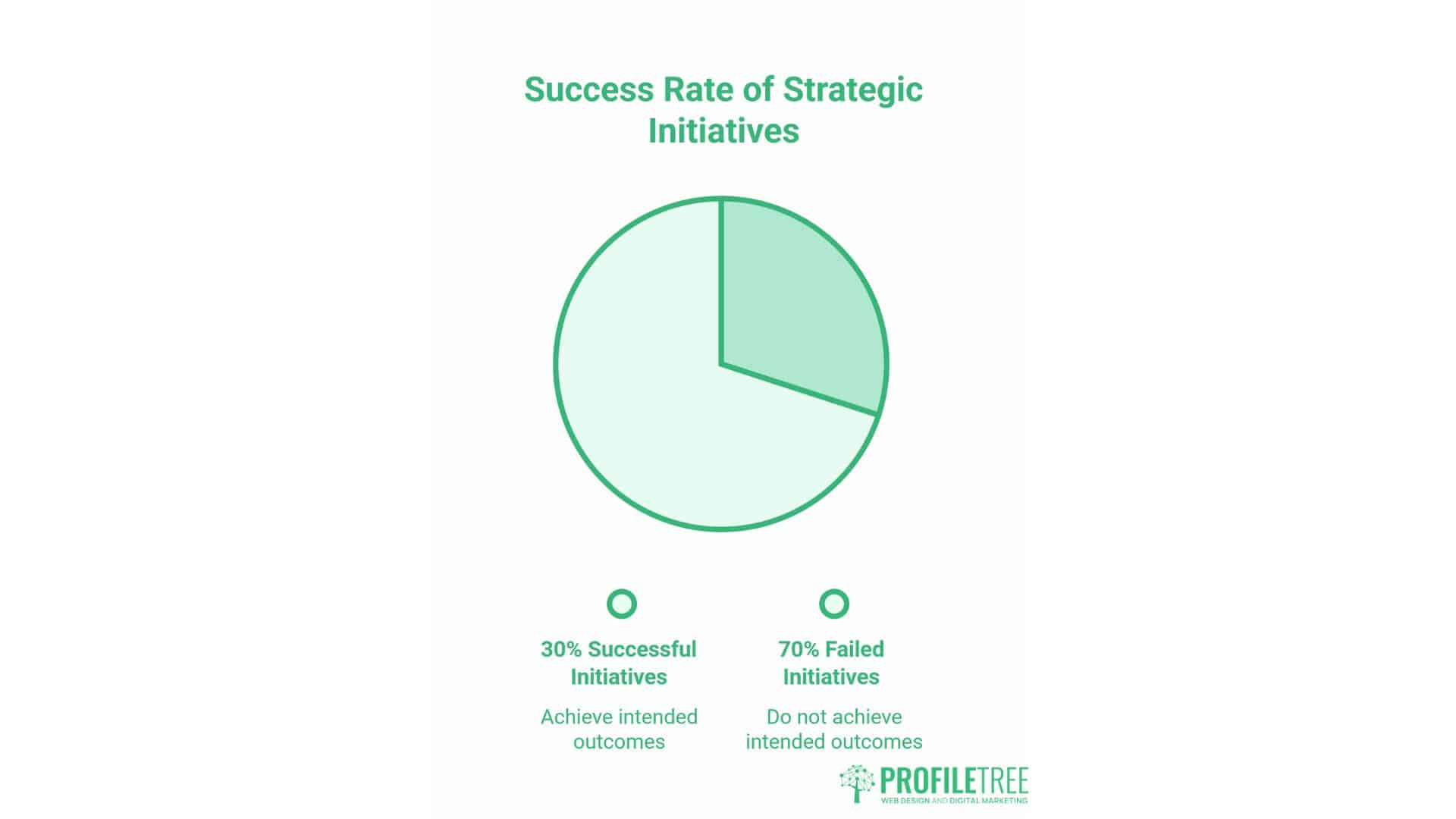
Understanding why strategies fail helps organisations avoid similar pitfalls. Research suggests that approximately 70% of strategic initiatives do not achieve their intended outcomes.
Why Strategies Fail
Several factors contribute to strategy failure:
Lack of Execution Focus
Many strategies remain aspirational documents that never translate into operational reality. The gap between planning and execution proves fatal. Successful strategies include detailed implementation plans with clear responsibilities, timelines, and success metrics.
Insufficient Change Management
Digital transformation necessitates cultural change, not just the deployment of technology. Organisations that neglect the human element of change see resistance, low adoption rates, and ultimately, failure.
Investing in digital training ensures that staff have the skills and confidence to work effectively with new systems and processes. This includes not just technical training but also helping employees understand why changes are necessary and how they contribute to organisational success.
Poor Communication
When employees don’t understand the strategy or their role in executing it, alignment becomes impossible. Regular, transparent communication about strategic objectives, progress, and challenges keeps everyone working towards common goals.
Inadequate Resources
Strategies fail when organisations underestimate the resources required for successful implementation. This includes financial investment, staff time, technology infrastructure, and external expertise.
Ignoring Market Realities
Strategies developed in isolation from market conditions and customer needs struggle to gain traction. Regular market research, customer feedback, and competitive analysis keep strategies grounded in reality.
Case Study: Success vs Failure
Consider two UK retailers approaching digital transformation:
Company A developed a comprehensive digital strategy that included staff training, a gradual rollout of technology, and continuous customer feedback. They invested in web design that prioritised user experience whilst optimising for search engines. Content marketing supported SEO efforts, driving organic traffic and building brand authority. After 18 months, they saw a 45% increase in online sales and a 30% improvement in customer satisfaction scores.
Company B rushed to implement an e-commerce platform without adequate preparation. Staff received minimal training, the website prioritised aesthetics over functionality, and customer needs weren’t properly researched. Within six months, they faced high cart abandonment rates, poor search visibility, and frustrated customers. The initiative was deemed a failure despite significant financial investment.
The difference? Company A treated digital transformation as a strategic priority with proper planning, resources, and change management. Company B viewed it as a technology project to be completed quickly.
Types of Corporate Strategy
Different strategic approaches serve different organisational needs and market conditions. Understanding these options enables leaders to select the most suitable approach for their unique circumstances.
Growth Strategy
Growth strategy focuses on expanding operations through new markets, products, or services. This can occur through the current business or new ventures. Growth may require hiring additional employees, increasing market presence, or expanding revenue streams.
Organisations grow through:
- Concentration: Focusing on core competencies whilst expanding market share
- Diversification: Adding new products or services to reduce risk
- Vertical Integration: Acquiring suppliers or distributors to control the value chain
- Horizontal Integration: Merging with or acquiring competitors
For digital agencies, a growth strategy might involve expanding service offerings from web design to include video production, SEO services, and AI implementation. This diversification meets more client needs whilst building a competitive advantage.
Stability Strategy
Some organisations choose to maintain their current position rather than pursue aggressive growth. Stability strategy involves continuing current operations, maintaining market share, and selling the same services or products. The focus shifts to incremental improvement rather than dramatic change.
This approach suits organisations operating in mature markets where conditions don’t favour rapid expansion. Stability doesn’t mean stagnation—organisations still invest in efficiency improvements, customer satisfaction, and operational excellence.
Renewal Strategy
Also known as a turnaround strategy, renewal represents an emergency response to declining performance. Managers must implement strategies to address falling sales, unexpected costs, or other challenges threatening organisational viability.
Timing Considerations
Corporate renewal works best before an organisation enters deep trouble like bankruptcy. Taking action whilst the business remains profitable makes it easier to appeal to new stakeholders and secure necessary funding.
Division Analysis
For corporations with multiple divisions, the renewal strategy considers the future profitability of each division. Address problems in divisions with strong potential whilst considering closure or sale of consistently unprofitable units.
However, closing entire divisions creates obligations to redeploy affected staff where possible. This requires careful planning and often, significant investment in retraining programmes.
Implementation Challenges
Some industries find implementing turnaround strategies more challenging than others. A manufacturing company with broken equipment must pay repair costs to continue operations, regardless of expense. Software companies enjoy more flexibility—they can reduce office expenses by enabling remote work and don’t need physical presence in every market they serve.
Company Purpose
Corporate renewal may fundamentally change the organisation’s core business. If manufacturing costs prove too high, a company might shift to importing finished products from regions with lower costs. A newspaper might transition from print to digital delivery. These changes can dramatically reduce production costs whilst maintaining or increasing profitability.
Product Evolution
Organisations can use corporate renewal to change product lines or target markets. Perhaps you’ve been targeting the wrong demographic. Redesigning products, changing packaging, or repositioning brand messaging can increase sales without dramatic operational changes.
Strategic Positioning and Brand Building
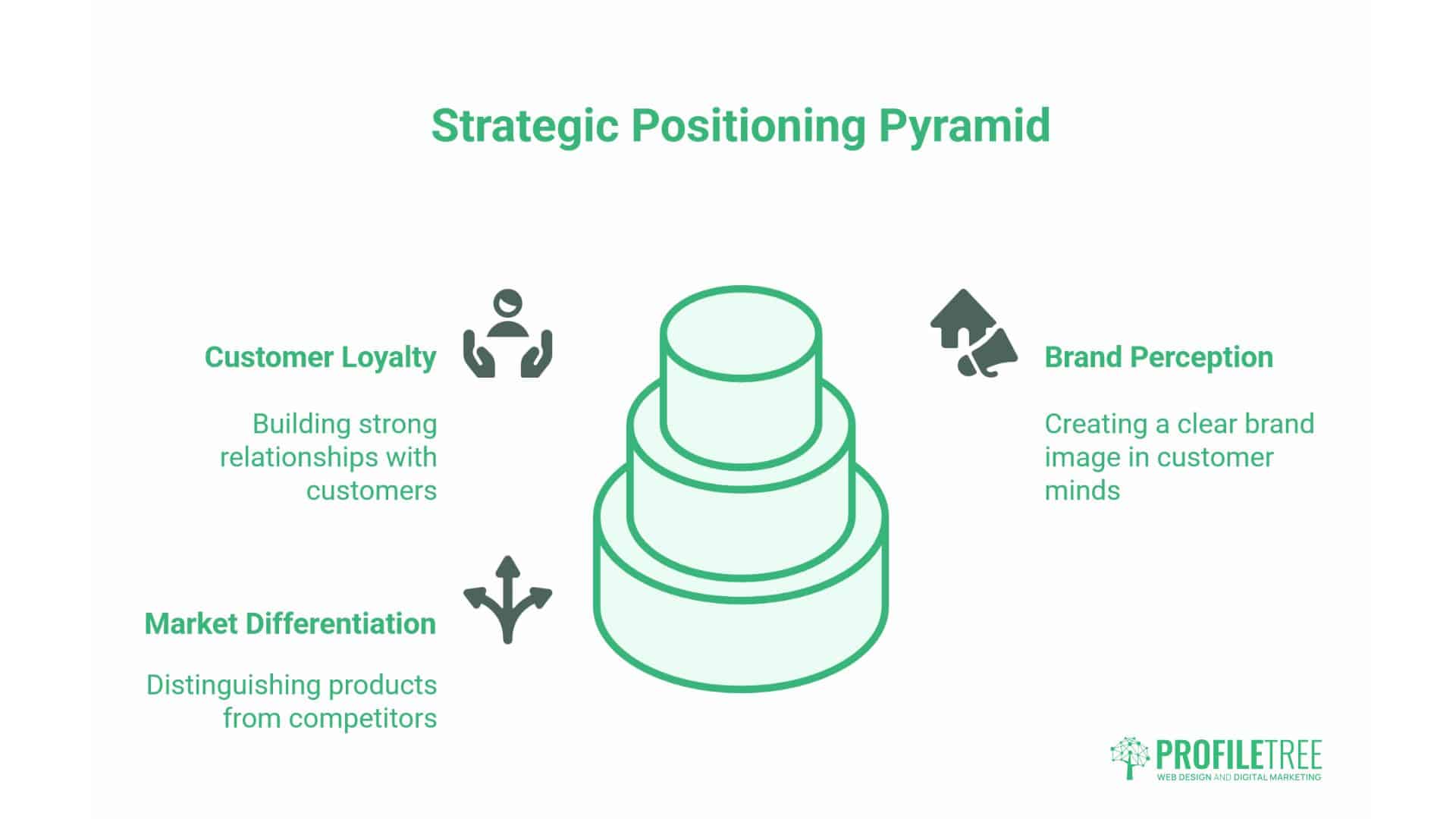
Positioning establishes a distinctive place in the market for your products or services. It involves crafting a clear perception of your brand in the minds of target customers, differentiating it from competitors, while building customer loyalty.
Key Positioning Elements
Target Market Identification
Clearly define the specific group of consumers you aim to serve. For ProfileTree, this includes business owners, marketing managers, and decision-makers in SMEs across Northern Ireland, Ireland, and the UK who need digital services.
Competitive Analysis
Thoroughly understand competitors’ strengths, weaknesses, opportunities, and threats. This analysis informs how you differentiate your offerings and communicate unique value.
Unique Value Proposition
Articulate what sets your organisation apart. Emphasise the distinct benefits and advantages offered to customers. For digital agencies, this might centre on ranking-focused web design, comprehensive training programmes, or industry-specific expertise.
Consistent Communication
Effectively convey positioning messages across all marketing channels. This creates a cohesive brand image that reinforces your strategic position in customers’ minds.
Positioning Examples
Successful companies demonstrate effective positioning through focused strategies:
Red Bull positions itself as an energy drink that boosts mental and physical performance, appealing to active individuals and athletes through association with extreme sports and adventure.
Apple maintains a premium positioning through innovative, user-friendly products. Focusing on design aesthetics and user experience creates aspirational branding that justifies premium pricing.
Nike inspires and empowers athletes at all levels through association with sports excellence, performance innovation, and motivational messaging that connects with athletic aspirations.
These examples demonstrate how clear positioning drives strategic decisions across product development, marketing, and customer engagement.
Benefits of Corporate Strategy
A well-executed corporate strategy delivers multiple benefits beyond simply stating intentions. It provides credible means to achieve goals whilst determining the scope of activities and how business processes support objectives.
Resource Allocation
Corporate strategy helps organisations allocate resources to the best available investment opportunities. Each business unit’s performance is assessed during budget and strategic planning processes. Resource allocation may be revised or assets acquired based on assessment results.
Allocate funds according to market opportunities. High-potential areas receive investment priority whilst underperforming segments face scrutiny or divestment.
Establishing Expectations
Strategy communicates expectations to business units, enhancing performance and establishing accountability for internal and external stakeholders. Objectives typically focus on profitability, productivity, and market standing.
Set measurable objectives, including specific targets for return on investment, market share, or customer satisfaction. These established expectations help stakeholders align activities with strategic goals whilst providing clear success criteria.
Competitive Improvement
Corporate strategy examines business profit and growth performance. It helps improve competitive positioning by effectively managing and structuring business units.
Strategy varies between organisations based on risk tolerance, available resources, and return expectations. Managers succeed when they consider all relevant factors before making strategic decisions.
Corporate Strategy vs Business Unit Strategy
Understanding the distinction between these strategic levels helps organisations effectively allocate resources and align initiatives.
| Feature | Corporate Strategy | Business Unit Strategy |
|---|---|---|
| Scope | Entire organisation | Specific business unit or product line |
| Focus | Overall direction and objectives | Specific strategies and tactics |
| Time Horizon | Long-term (3-5+ years) | Medium-term (2-3 years) |
| Decision-Making | Senior executives | Business unit managers |
| Alignment | Provides framework for business units | Must align with corporate strategy |
Corporate Strategy Examples
- Apple focuses on innovation, user experience, and premium positioning, driving remarkable growth and market dominance across product categories.
- Amazon expands into cloud computing, e-commerce, and digital advertising, transforming into a leading technology and retail giant through strategic diversification.
- Alphabet (Google’s parent company) invests in artificial intelligence, cloud computing, and autonomous vehicles, positioning for long-term growth and innovation across emerging technologies.
Business Unit Strategy Examples
- Nike’s footwear division focuses on performance innovation, athlete partnerships, and targeted marketing to specific sports categories, aligning with the broader corporate strategy of achieving athletic excellence.
- Procter & Gamble’s beauty care unit develops innovative products, acquires complementary brands, and expands into emerging markets, thereby contributing to the company’s corporate growth objectives.
- Amazon Web Services offers comprehensive cloud computing services, attracting enterprise customers and expanding into new geographic markets, thereby supporting Amazon’s corporate diversification strategy.
The 100-Day Execution Plan
Translating strategy into action requires a structured approach that generates early momentum whilst building towards long-term objectives.
First 30 Days: Foundation
Establish governance structures, form execution teams, and communicate strategy across the organisation. Identify quick wins that demonstrate commitment and generate enthusiasm for change.
Key activities:
- Form a strategic oversight committee
- Assign project ownership
- Conduct stakeholder briefings
- Identify immediate opportunities
- Establish communication channels
Days 31-60: Initial Implementation
Begin executing priority initiatives whilst maintaining focus on quick wins. Start measuring progress against defined metrics and adjust approaches based on early results.
Key activities:
- Launch pilot programmes
- Implement training initiatives
- Deploy technology solutions
- Gather performance data
- Refine implementation plans
Days 61-100: Momentum Building
Scale successful pilots, address challenges encountered in initial implementation, and prepare for long-term sustained execution. Use early successes to build organisational confidence and secure ongoing commitment.
Key activities:
- Plan next phase activities
- Scale successful initiatives
- Address implementation challenges
- Celebrate early wins
- Refine resource allocation
Conclusion: What Is Corporate Strategy?
Effective corporate strategy provides the foundation for organisational success as businesses navigate digital transformation and evolving market conditions. The distinction between visionary planning and practical execution determines whether strategies deliver intended outcomes.
For UK businesses, success requires striking a balance between innovation and regulatory compliance, global best practices and local market realities, and long-term vision and short-term execution. The framework presented here, from the five pillars of the Digital Value Chain to practical implementation steps, provides a roadmap for achieving strategic success.
Whether you’re developing a corporate strategy for the first time or refining an existing approach, focus on clarity, alignment, and execution. Invest in the capabilities needed to compete effectively, including digital infrastructure, skilled workforce, and strategic partnerships with agencies that understand your market and objectives.
Begin your strategic journey by evaluating your current position, clarifying your desired destination, and pinpointing the necessary capabilities to bridge the gap. With proper planning, adequate resources, and commitment to execution, corporate strategy transforms from an aspirational document to a powerful engine for organisational growth and market success.
FAQs
What is the difference between corporate strategy and business unit strategy?
Corporate strategy defines the overall direction and objectives of the entire organisation, including decisions about diversification, resource allocation, and long-term positioning. Business unit strategy outlines specific plans and actions for particular departments or product lines, focusing on how each unit contributes to corporate objectives within its particular market context.
What are the key elements of corporate strategy?
Key elements include defining the organisation’s mission, vision, and goals; identifying core competencies; analysing the competitive landscape; making decisions about diversification and acquisitions; allocating resources across business units; and establishing governance frameworks for strategic execution.
How do corporate and business unit strategies work together?
Corporate strategy provides the overarching framework that guides business unit strategies. All units must align with corporate objectives whilst tailoring their approaches to specific market conditions and customer needs. Business unit strategies translate corporate direction into actionable plans that drive daily operations and contribute to overall organisational success.
How often should corporate strategy be reviewed?
Corporate strategy should be reviewed annually at a minimum, with quarterly assessments of progress against strategic objectives. However, significant market changes, competitive threats, or internal challenges may require more frequent strategic reassessment. The key is maintaining strategic direction whilst remaining flexible enough to adapt to changing circumstances.
Transform Strategy Into Digital Results
Understanding corporate strategy is essential, but successful execution requires coordinating efforts across every department, including your digital presence. ProfileTree helps businesses across Northern Ireland, Ireland, and the UK translate strategic objectives into effective digital marketing strategies that drive measurable growth. From establishing your online presence through professional web design and SEO to implementing AI-powered marketing automation and content strategies, we align your digital capabilities with your broader corporate goals.
Whether you’re pursuing growth, diversification, or digital transformation initiatives, our integrated approach ensures that your digital marketing supports, rather than works against, your strategic direction. Contact our digital strategy team to discuss how we can help your business achieve its corporate objectives through strategic digital implementation.