
Start a Podcast for Your Business in 9 Steps: The Complete UK Guide
Table of Contents
If you have been considering whether to start a podcast for your business, 2026 is the year to act. Audio content now reaches more than 23 million people in the UK every week, and branded podcasts are becoming one of the most cost-effective tools available to agencies, consultants, and service businesses. At ProfileTree, Belfast’s web design and digital marketing agency, we have seen first-hand how businesses that start a podcast can shift from being unknown voices in a crowded market to becoming the trusted authority their ideal clients actively seek out.
This guide gives you everything you need to start a podcast: from choosing your topic and buying the right equipment to distributing your show, optimising it for search, and turning listeners into leads. We cover the nine steps to start a podcast, including UK-specific details, AI workflow tools, and SEO integration points that most generic guides leave out.
Why Start a Podcast for Your Business
Before you start a podcast, it is worth understanding precisely what the medium does for your business beyond simple brand awareness. Audio is the only content format people consume during commutes, gym sessions, and household tasks. That time is otherwise unavailable to any other marketing channel. When you start a podcast, you are buying 20 to 40 minutes of undivided attention per episode, per listener, every single week.
For UK B2B companies, this sustained attention translates into trust at a scale that blog posts and social media rarely achieve. A prospective client who has listened to 12 episodes of your show before your first sales call already understands your thinking, respects your expertise, and has mentally pre-qualified your service. That dynamic is difficult to manufacture through any other channel.
The Business Case for Audio in the UK
The UK podcast market is growing faster than the global average. RAJAR data consistently shows double-digit year-on-year growth in monthly listeners, and podcast ad spend in the UK exceeded £50 million in 2024. The listener demographics skew towards ABC1 professionals aged 25 to 54: exactly the decision-makers most B2B businesses want to reach.
There is also a direct SEO benefit. Podcast transcripts are indexed by Google, and episode show notes create new keyword-rich pages. Our SEO services are built around this kind of entity-rich content strategy, and audio feeds directly into it. According to Edison Research’s Infinite Dial report, monthly podcast listeners in the UK spend an average of six hours per week listening, making it one of the most time-intensive media habits available to marketers.
Ciaran Connolly, founder of ProfileTree, puts it plainly: “When we advise clients on whether to start a podcast, we always begin by asking what problem it solves and who it is for. A podcast without a clear business objective is just a hobby. But when it is built around a specific audience and linked to a commercial outcome, it becomes one of the most powerful relationship-building tools we have seen.”
Step 1: Define Your Objective Before You Start a Podcast
Most guides tell you to start a podcast by picking a topic you enjoy. For businesses, that is the wrong starting point. Your podcast needs to serve a specific commercial objective, and that objective shapes every decision that follows.
There are three primary business reasons to start a podcast. The first is direct lead generation, using the show to build relationships with prospective clients by featuring them as guests. The second is brand authority, becoming the go-to educational voice in your sector. The third is customer retention, keeping existing clients engaged through in-depth product or service education.
Aligning Your Podcast with Your Sales Funnel
Once your objective is clear, map your podcast format to your sales funnel. A top-of-funnel show reaches people who do not yet know they need your service and should cover broad, searchable topics. A mid-funnel show targets prospects already evaluating options and should go deeper on methodology and proof. A bottom-of-funnel show supports conversion and retention with more technical content for a warm audience.
When you start a podcast with funnel alignment built in from the beginning, every episode has a measurable role. You can tag listeners who convert into leads in your CRM, attribute consultations to specific episodes, and justify the production cost against real outcomes. This is how content marketing works at its most effective: each asset is connected to a stage in the buying journey, not published in isolation.
Step 2: Choose Your Topic and Format
Choosing what your podcast will cover is one of the most consequential decisions you will make before you start a podcast. The topic needs to be narrow enough to attract a specific audience but broad enough to sustain 20 to 30 episodes without repetition. The sweet spot is the intersection of your core expertise and the questions your ideal clients ask most frequently. A clear digital strategy helps you map your podcast topic directly to your commercial goals before you ever press record.
Podcast Formats for Business
When you decide to start a podcast for a business audience, format matters as much as topic.
| Format | Best For | Production Complexity |
|---|---|---|
| Interview | Lead generation via guest relationships | Medium |
| Solo Expert | Brand authority, SEO-driven education | Low to Medium |
| Panel Discussion | Industry commentary, diverse perspectives | High |
| Narrative / Storytelling | Case studies, brand values | High |
| Q&A / Listener Questions | Customer retention, community building | Low |
For most businesses starting out, a solo or interview format is the most practical entry point. Both require minimal production infrastructure, can be batched efficiently, and deliver clear business value from the first episode.
Researching Your Audience
Before you start a podcast, spend time with your sales team and your CRM. The questions that come up most frequently in discovery calls, the objections that slow deals down, and the topics clients email about after onboarding are your content calendar. These are the questions your ideal listeners are already searching for online. If you use Google Search Console, look at the queries driving impressions to your existing content. Long-tail queries of seven or more words are often the best podcast topics.
Step 3: Name Your Podcast and Build Your Brand
When you start a podcast, the name carries more strategic weight than most people realise. A clear, searchable name helps new listeners find your show on Spotify, Apple Podcasts, and Amazon Music. A vague or clever-sounding title that means nothing to an outsider is one of the most common early mistakes.
Your podcast name should tell the listener exactly who it is for and what they will gain. For a web design agency targeting Northern Ireland SMEs, a name like “Digital Growth NI” is more discoverable than a generic title. If your personal brand is already established, your name can anchor the show, but only if you are already known to the audience you want to attract.
Cover Art and Sonic Branding
Cover art is the first thing a potential listener sees on any streaming platform. It needs to communicate your show’s identity at the thumbnail size most platforms display in browse mode. Use your logo, a clear typeface, and a maximum of two to three colours that match your brand palette. Avoid generic stock photography; it signals low production value before anyone has heard a word.
Sonic branding, your intro music and audio signature, is often overlooked by businesses that start a podcast. A short, professionally produced intro of 15 to 20 seconds creates an immediate sense of quality. Royalty-free music services such as Epidemic Sound and Artlist offer UK licensing and remove any PPL/PRS complications.
Step 4: Get the Right Equipment to Start a Podcast
The good news is that you do not need a professional recording studio to start a podcast with broadcast-quality audio. Poor audio quality is one of the leading reasons listeners abandon shows after the first episode, so basic equipment investment pays back quickly in listener retention.
Starter Kit for UK Businesses
| Item | Budget Option | Recommended Option | Approx. UK Cost |
|---|---|---|---|
| Microphone | Audio-Technica ATR2100x-USB | Rode PodMic USB | £60 to £150 |
| Headphones | Sony MDR-7506 | Audio-Technica ATH-M50x | £80 to £150 |
| Recording Software | Audacity (free) | Adobe Audition / Descript | Free to £30/month |
| Remote Recording | Zencastr (free tier) | Riverside.fm | Free to £24/month |
| Acoustic Treatment | Foam panels | Quiet room with soft furnishings | £0 to £80 |
Apple users already have GarageBand, which handles basic recording and editing well. Windows users should start with Audacity before committing to a paid editor.
AI-First Production Workflows
One of the most significant changes for businesses that start a podcast in 2026 is the availability of AI tools that compress the production lifecycle from days to hours. Recording a 30-minute episode can now generate a blog post draft, five LinkedIn posts, two YouTube Shorts scripts, and an email newsletter excerpt within a single afternoon. For businesses already exploring AI chatbots and automation, the same AI-first mindset applies directly to podcast production.
At ProfileTree, we use a repurposing workflow that begins with a Riverside.fm recording, runs the transcript through a large language model to extract key insights, and publishes the episode alongside a 1,500-word show notes article. This connects directly to our video marketing services, where the same recording is packaged into short-form clips for YouTube, LinkedIn, and Instagram.
Step 5: Understand UK Legal and Compliance Considerations
Most guides written for a US audience skip this section entirely. If you start a podcast in the UK, there are specific legal and licensing requirements that can create real problems if ignored.
Music Licensing: PPL and PRS for Music
If you use any commercially released music in your podcast, including intros, outros, or background music, you need the appropriate licences. In the UK, this means clearing rights with both PPL (for the sound recording) and PRS for Music (for the composition). The simplest approach is to use royalty-free music from platforms such as Epidemic Sound or Artlist, which offer blanket licences covering podcast use. Do not use YouTube’s free audio library for podcasting without checking the specific licence terms; many tracks are not cleared for commercial podcast distribution.
GDPR and Guest Data
When you start a podcast and record guests, you are processing personal data. Under UK GDPR, you need a lawful basis for recording and publishing conversations that feature identifiable individuals. Explicit verbal consent at the start of the recording is sufficient in most cases, but it is best practice to confirm consent in writing beforehand. If you collect listener data through a mailing list, ensure you have a compliant privacy policy linked from your podcast website.
Step 6: Record, Edit and Produce Your Episodes
Once your equipment is set up and your compliance obligations are understood, you are ready to record. Building a repeatable production process from the start makes it possible to produce episodes consistently without burnout.
The Recording Process
Record in the quietest room available. Close windows, switch off fans and air conditioning, and hang curtains to reduce reverb. Start every episode with the same routine: check your gain levels, do a 30-second test recording, listen back on headphones, and adjust before you start the real take. When you start a podcast interview, brief your guest in advance on the format, the questions you plan to cover, and how long the episode will run.
How Long Should Episodes Be?
The 20 to 45-minute range correlates with average UK commute times, which is when a significant portion of podcast listening happens. Solo episodes tend to run between 15 and 25 minutes, while interview episodes naturally extend to 30 to 50 minutes. When you start a podcast, test different lengths across your first season. Most hosting platforms provide listening drop-off data that will show you exactly where people stop.
Step 7: Use Guest Appearances to Grow Your Audience
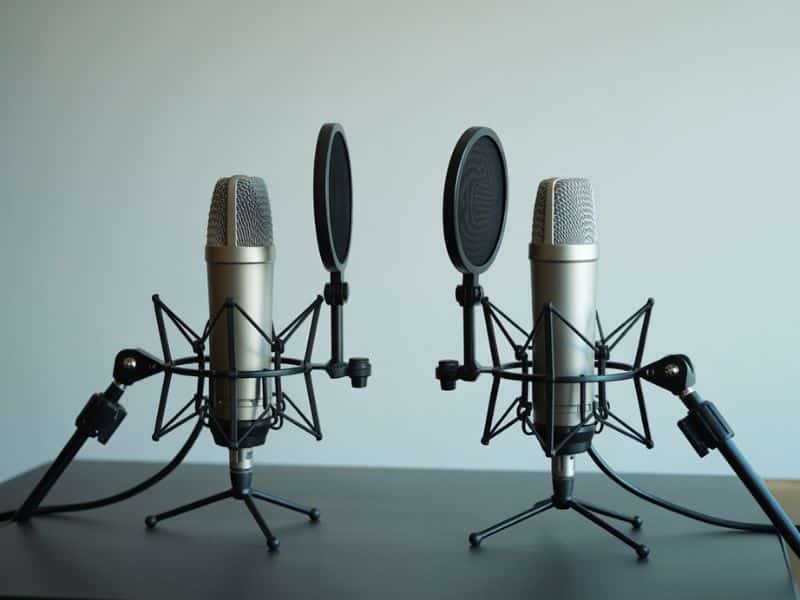
Bringing guests onto your podcast is one of the fastest ways to grow your audience when you start a podcast. Every guest brings their own network, and a well-promoted episode can significantly extend your reach in a single week.
The Guest-to-Client Framework
For B2B businesses, inviting prospective clients to appear as guests is one of the most underused sales strategies available. When you start a podcast and pitch a guest appearance to a senior decision-maker at a company you want to work with, you create a genuine reason to connect that bypasses standard gatekeeping. The conversation builds rapport before any commercial discussion takes place. ProfileTree has seen clients use this approach to open conversations with enterprise buyers who were previously unresponsive to cold outreach.
Getting the Most from Guest Episodes
When you start a podcast featuring guests, set clear expectations upfront. Send a written brief covering the topic, the format, the likely duration, and how the episode will be promoted. Provide pre-formatted social media posts and a short audiogram to make sharing as easy as possible.
Step 8: Record Your Intro, Outro and Show Notes
The intro and outro of your podcast are the components listeners hear every single episode. A strong business podcast intro covers three things in under 30 seconds: the name of the show, who it is for, and what they will gain from listening. The outro is where your return on investment lives. Direct listeners to your website or contact page with a single, specific call to action.
Writing Effective Show Notes
Show notes are the SEO component of your podcast strategy. When you start a podcast, treat each show notes page as a standalone article targeting the keywords discussed in the episode. Include a brief summary, three to five key takeaways, links to resources mentioned, and an internal link to at least one service page relevant to the topic.
For ProfileTree’s clients, this means linking episode notes about web performance back to web design service pages, or linking episodes about content strategy back to the content writing service. This creates natural internal link equity and turns every episode into a traffic and conversion asset, not just an audio file.
Step 9: Upload, Distribute and Promote Your Podcast
Publishing your first episode is the step most people focus on, but distribution strategy matters just as much as the content itself. When you start a podcast, your goal is to make the show as easy as possible to discover across every platform your target audience uses.
Choosing a Hosting Platform
Your podcast needs a hosting platform before it can appear on Spotify, Apple Podcasts, or any other directory. Hosting platforms store your audio files and generate the RSS feed that streaming services pull from. For businesses that start a podcast in the UK, the most widely used platforms are Buzzsprout, Podbean, and Transistor. If you need a dedicated podcast landing page or a fully integrated episode archive, our website development team can build a solution that connects your audio content directly to your lead generation funnel.
When evaluating hosting platforms, prioritise those that provide download data broken down by episode, listening platform, and geographic location. Most serious business podcasters also host episodes on YouTube as video recordings, which adds a second distribution channel and creates additional searchable content.
Promotion Strategy for New Shows
The most common mistake businesses make when they start a podcast is publishing an episode and waiting for listeners to find it. Organic discovery on podcast platforms is slow for new shows with no reviews or ratings. Before your launch episode goes live, post short audiogram clips on LinkedIn and Instagram. Send a launch announcement to your email list at least one week before release. Ask colleagues and existing clients to subscribe and leave a review during the first week.
Each episode should be accompanied by a social media post on LinkedIn, a short show notes article optimised for search, and an email to your subscriber list. If you need support building that distribution plan, our social media marketing team can help you develop a consistent content schedule around your show.
Measuring the Success of Your Podcast
Knowing whether your podcast is working requires deciding upfront what success looks like. Downloads are a vanity metric for most business podcasts; the metrics that matter are listener retention, website referral traffic, lead attribution, and guest-to-client conversion rates.
| Metric | What It Measures | Target (First 6 Months) |
|---|---|---|
| Episode downloads | Reach and audience size | 100 to 500 per episode |
| Listener retention | Content quality and length | 60%+ past the halfway point |
| Website referral traffic | Commercial impact | 10%+ increase on show notes pages |
| Lead attribution | Direct ROI | 2 to 5 attributed leads per quarter |
| Subscriber growth | Audience loyalty | 10 to 20% month-on-month |
For lead attribution, use UTM parameters on your show notes links and a custom landing page URL mentioned in your outro so you can track conversions in Google Analytics or your CRM.
How ProfileTree Supports Businesses That Start a Podcast
ProfileTree is a Belfast-based web design and digital marketing agency that has been helping UK and Irish businesses build their digital presence since 2011. Over that time, the team has completed more than 1,000 web projects and seen audio content evolve from a niche channel to a mainstream business tool.
When businesses that start a podcast want to integrate audio into a wider digital strategy, our team provides support across web design for podcast landing pages, SEO for show notes and transcripts, content strategy for episode planning, video production for YouTube repurposing, and AI marketing and automation for the tools that make podcast production more efficient. Our Future Business Academy also delivers digital training to help SMEs across Northern Ireland and the UK adopt workflows that reduce production time and increase reach.
If you are ready to start a podcast and want strategic support, get in touch with the ProfileTree team to discuss how audio fits into your broader digital marketing strategy.
Your Next Step: Start a Podcast That Works for Your Business
The nine steps covered in this guide give you everything you need to start a podcast that serves a genuine business purpose. Define your objective first. Choose a format that matches your resources. Invest in decent audio quality. Build a repurposing workflow from day one. Promote actively rather than waiting for organic discovery.
The businesses that succeed with podcasting are not the ones with the best studios. They are the ones that start a podcast with a specific audience in mind, stay consistent, and treat every episode as part of a broader commercial strategy.
If you want to start a podcast that integrates with your web presence, content strategy, and lead generation funnel, speak to the team at ProfileTree. We have worked with businesses across Northern Ireland, Ireland, and the UK to build digital strategies that deliver measurable results. Whether you need website hosting and management for your podcast site or a full content strategy that incorporates audio, we can help.
FAQs
What equipment do I need to start a podcast?
A USB microphone, headphones, and free recording software such as Audacity or GarageBand. A quiet room matters more than expensive gear.
How much does it cost to start a podcast in the UK?
Under £200 if you already have a laptop. A quality USB microphone costs £60 to £150 and podcast hosting starts at around £9 per month.
How often should I release new episodes?
Fortnightly is sustainable for most business owners. Consistency matters more than frequency; a reliable fortnightly show outperforms a weekly one that falls behind.
How do I promote a new podcast with no audience?
Email your existing clients and network first. Ask for Apple Podcasts reviews in your first week, share clips on LinkedIn, and write SEO-optimised show notes so new listeners can find you through Google.
Does a podcast help with SEO?
Yes. Transcripts and show notes create keyword-rich indexed pages. Publishing on YouTube adds a second channel and generates additional backlinks over time.
What is the best podcast format for a B2B business?
The interview format. It builds relationships with prospective clients, grows your audience through guest networks, and produces natural content without requiring you to fill 45 minutes solo.