
Essential Analytics Tools for Small and Medium Businesses
Table of Contents
Small and medium businesses face a critical challenge: making informed decisions without the data teams that larger companies possess. Analytics tools bridge this gap by turning raw data into clear insights about customer behaviour, marketing effectiveness, and operational performance. The right tools help business owners move from guessing to knowing what works.
UK businesses operating on tight budgets need analytics solutions that deliver value without draining resources. Many SMBs collect data but fail to use it effectively, missing opportunities to increase sales, reduce costs, and improve customer satisfaction. This guide examines the analytics tools that small businesses actually need, not just what vendors want to sell.
ProfileTree works with SMBs across Northern Ireland, Ireland, and the UK to implement analytics strategies that match their resources and goals. Through digital training and strategic consulting, we help business owners understand which metrics matter and how to act on them.
Why SMBs Need Analytics Tools
Business decisions based on assumptions cost money. When a retailer guesses which products to stock or a service provider estimates which marketing channels work best, they waste budget on ineffective tactics while missing real opportunities.
Analytics tools show what actually happens. They reveal which website pages convert visitors into customers, which email campaigns generate sales, and which social media posts create engagement. This information transforms how small businesses allocate time and money.
For UK SMBs competing against larger companies with bigger marketing budgets, analytics provide an equaliser. A small business that knows its numbers can outperform competitors who spend more but measure less. Data-driven decisions consistently beat gut instinct when resources are limited.
Web Analytics: Understanding Your Online Visitors
Your website generates valuable data every day. Web analytics tools capture this information and show how people find your site, what they do there, and why they leave without buying.
Google Analytics
Google Analytics remains the most widely used web analytics platform for good reason: it costs nothing and provides extensive data about website visitors. The tool tracks user behaviour, traffic sources, page performance, and conversion paths.
Small businesses should focus on these core Google Analytics metrics:
Traffic sources show whether visitors come from search engines, social media, direct visits, or referrals. This reveals which marketing channels actually work. A Belfast retailer might discover that Instagram drives more traffic than Facebook, prompting a reallocation of social media effort.
Bounce rate indicates the percentage of visitors who leave after viewing just one page. High bounce rates on key pages signal problems with content, load speed, or user experience. An e-commerce site with an 80% bounce rate on product pages needs immediate attention.
Conversion tracking measures how many visitors complete desired actions like purchases, form submissions, or phone calls. This metric directly connects website performance to business outcomes. A service provider tracking quote requests can calculate the exact cost per lead.
Landing page performance shows which pages convert visitors most effectively. If your homepage converts at 5% but a specific service page converts at 15%, you need more traffic to that high-performing page.
Google Analytics 4 introduced event-based tracking that captures more detailed user interactions. Whilst the learning curve exists, GA4 provides better insights into how people actually use your website rather than just which pages they visit.
Google Search Console
Search Console complements Analytics by showing how your site performs in Google search results. This free tool reveals which search terms bring traffic, how often your pages appear in results, and technical issues that hurt rankings.
The performance report shows impressions (how often your site appears in search), clicks, average position, and click-through rate for every keyword. A business ranking 8th for a valuable search term might increase traffic significantly by improving to position 3.
Search Console identifies technical problems that prevent proper indexing. Mobile usability issues, slow page load times, and security problems all appear in the tool. For SMBs without dedicated IT staff, these warnings prevent small issues from becoming major problems.
The coverage report shows which pages Google can and cannot index. Pages with errors miss opportunities to rank. A retailer with 100 products but only 60 indexed pages loses potential sales from 40 products.
ProfileTree’s SEO services include Search Console audits that identify quick wins for improving rankings. Many SMBs have easily fixable issues that prevent them from appearing in relevant searches.
Social Media Analytics: Measuring Engagement and Reach
Social media platforms provide built-in analytics that show post performance, audience demographics, and engagement patterns. These native tools cost nothing and offer sufficient data for most small businesses.
Platform-Specific Analytics
Facebook Insights shows page likes, post reach, engagement rates, and audience demographics. The tool reveals when your followers are online, helping you schedule posts for maximum visibility. A business posting at 3pm might discover their audience is most active at 7pm.
Instagram Insights provides similar data plus information about story views, profile visits, and website clicks from your bio. The platform’s focus on visual content means engagement rates often exceed other channels for product-based businesses.
LinkedIn Analytics matters for B2B companies and professional services. The platform tracks post impressions, engagement, and follower demographics, including job titles and industries. This data helps businesses refine their content for the right audience.
Twitter Analytics displays tweet impressions, profile visits, mentions, and follower growth. The platform’s real-time nature makes it valuable for tracking immediate responses to announcements or promotions.
Ciaran Connolly, Director of ProfileTree, notes: “Social media analytics show which content actually connects with your audience. Stop guessing which posts work and start measuring engagement. The data tells you what your customers want to see.”
Key Social Metrics for SMBs
Engagement rate matters more than follower count. A business with 500 engaged followers who comment, share, and buy generates more value than 5,000 inactive followers. Calculate engagement by dividing total interactions by reach.
Click-through rate on links shows whether social media drives website traffic. Posts with high engagement but low clicks might entertain but fail to generate business outcomes. Test different calls-to-action to increase clicks.
Audience growth rate indicates whether your social presence expands. Stagnant or declining follower numbers suggest content problems or platform changes affecting reach.
Best-performing content types reveal which formats resonate with your audience. Some businesses succeed with educational posts, whilst others see better results from behind-the-scenes content or customer testimonials.
Email Marketing Analytics Tools: Tracking Campaign Performance
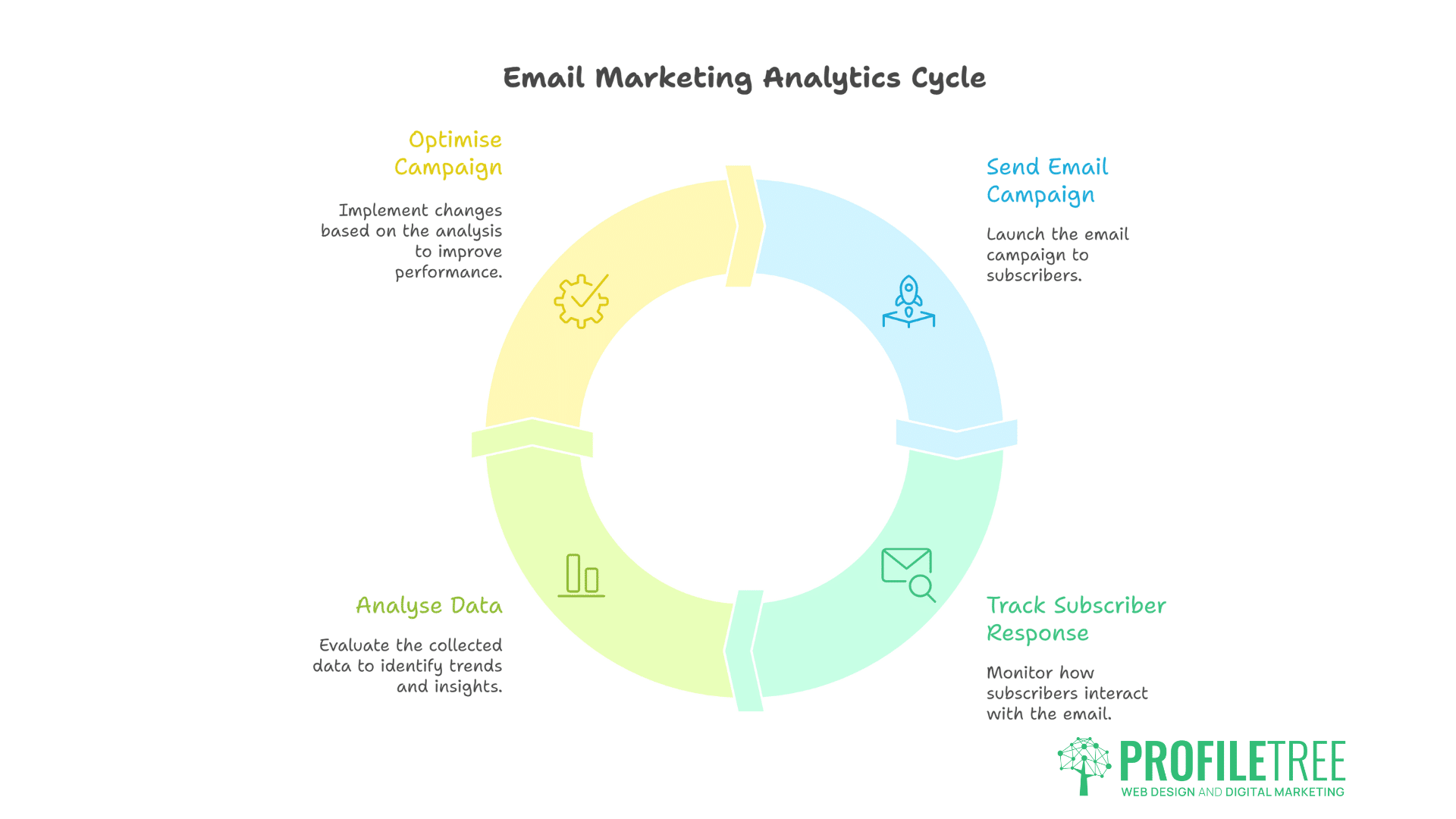
Email marketing remains one of the highest-ROI channels for small businesses. Analytics built into email platforms show exactly how subscribers respond to campaigns.
Core Email Metrics
Open rate measures the percentage of recipients who open your emails. Average open rates vary by industry but typically range from 15% to 25%. Rates below 10% indicate problems with subject lines, sender reputation, or list quality.
Click-through rate shows what percentage of recipients click links in your emails. This metric directly correlates with sales and conversions. A newsletter with a 20% open rate but 1% click rate needs more compelling content or clearer calls-to-action.
Conversion rate tracks how many email recipients complete desired actions like making purchases or booking appointments. This connects email marketing directly to revenue. Calculate the value of each email subscriber by dividing total email-driven sales by list size.
Unsubscribe rate indicates content relevance and frequency. Rates above 0.5% per campaign suggest you are emailing too often or sending irrelevant content. Some unsubscribes are healthy as they clean your list, but sudden spikes require attention.
Bounce rate separates into hard bounces (permanent delivery failures from invalid addresses) and soft bounces (temporary issues like full inboxes). High bounce rates hurt sender reputation and reduce overall deliverability.
Email Platform Analytics Tools
Mailchimp provides detailed campaign reports, audience insights, and A/B testing capabilities. The platform’s free tier suits businesses building their email programmes. Automation features allow triggered emails based on customer behaviour.
Brevo (formerly Sendinblue) combines email marketing with SMS campaigns and CRM functionality. The platform’s analytics dashboard shows campaign performance across channels.
ActiveCampaign offers advanced segmentation and automation for growing businesses. The tool’s analytics track individual contact behaviour over time, helping businesses personalise future campaigns.
ProfileTree’s content marketing services include an email strategy that connects messaging to measurable business goals. We help SMBs build email programmes that generate returns rather than just sending newsletters.
CRM Analytics Tools: Understanding Customer Relationships
Customer relationship management systems track interactions across the sales process. CRM analytics show which leads convert, how long sales cycles take, and which customers generate the most value.
Sales Pipeline Metrics
Conversion rate by stage shows where leads drop out of your sales process. If 50% of leads become qualified opportunities but only 10% close, focus on improving the closing stage rather than generating more leads.
Sales cycle length affects cash flow and resource planning. A business with 90-day average sales cycles needs different strategies than one closing deals in two weeks. Track cycle length by customer type to identify patterns.
Customer lifetime value calculations show the total revenue a customer generates over their relationship with your business. This metric guides decisions about acquisition costs. Spending £200 to acquire a customer worth £2,000 makes sense; spending £200 for a £300 customer does not.
Win rate by source reveals which marketing channels produce the best-quality leads. Leads from referrals might convert at 40% whilst leads from paid ads convert at 10%. This information should influence marketing budget allocation.
CRM Platform Options
HubSpot CRM offers free core functionality with paid upgrades for advanced features. The platform integrates with email, social media, and website analytics to provide a complete view of customer interactions.
Zoho CRM suits small businesses with limited budgets. The platform includes sales pipeline management, email integration, and reporting dashboards at accessible price points.
Pipedrive focuses specifically on sales pipeline management with visual interfaces that show deal progress. The tool’s simplicity helps businesses adopt CRM without overwhelming complexity.
Salesforce remains the market leader, but it typically suits larger businesses better than SMBs due to cost and complexity. However, the platform’s extensive capabilities match companies with complex sales processes.
E-Commerce Analytics: Tracking Online Sales
Online retailers need specialised analytics that connect website behaviour to actual sales. E-commerce platforms include built-in reporting, but additional tools provide deeper insights.
Critical E-Commerce Metrics
Conversion rate shows the percentage of visitors who make purchases. Average e-commerce conversion rates hover around 2-3%, meaning 97-98% of visitors leave without buying. Small improvements in conversion rate significantly impact revenue.
Average order value measures typical purchase amounts. Increasing this metric through product bundling, recommendations, or free shipping thresholds grows revenue without acquiring more customers.
The cart abandonment rate indicates how many shoppers add products but fail to complete purchases. Rates of 60-80% are common. Recovery strategies like abandoned cart emails can recapture significant revenue.
Product performance analysis shows which items drive sales and which waste inventory space. Discontinue poor performers and promote best sellers to optimise stock and marketing spend.
Customer acquisition cost compares marketing spend to new customers gained. Divide total marketing costs by new customers to calculate this figure. Compare against lifetime value to verify profitability.
Choosing the Right Analytics Tools for Your Business
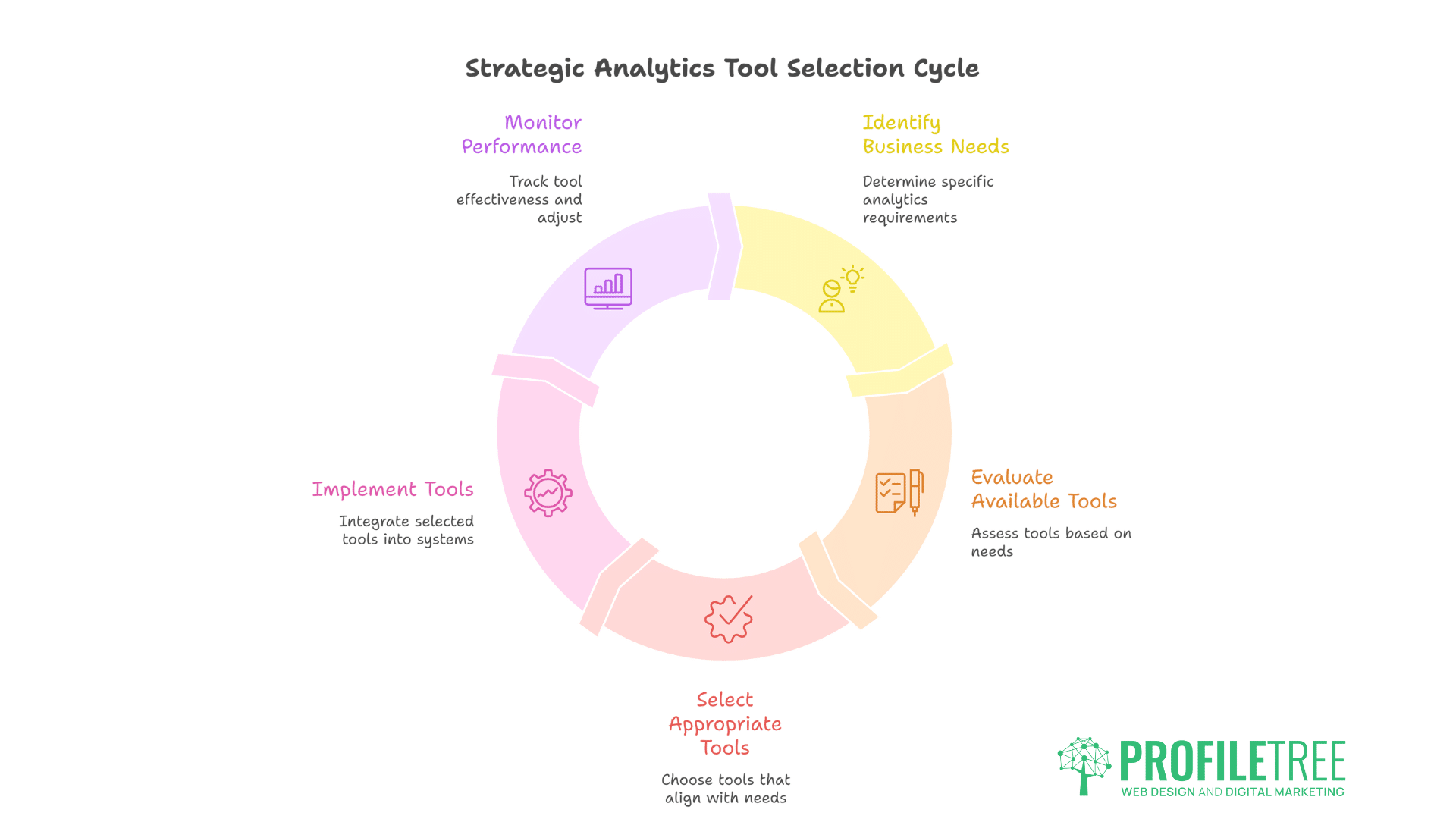
Small businesses face thousands of analytics tools, each claiming to be essential. The right approach starts with understanding your specific needs rather than adopting every available platform.
Start with Free Core Tools
Begin with Google Analytics and Search Console for web analytics. These free tools handle most small business requirements. Add platform-native social media analytics for Facebook, Instagram, LinkedIn, or Twitter, depending on where your customers are active.
Use your email marketing platform’s built-in analytics before purchasing additional tools. Most email services provide sufficient reporting for SMBs. Similarly, leverage the analytics included with your e-commerce platform or CRM system.
Identify Specific Gaps
Add paid tools only when free options fail to answer important business questions. A retailer needing detailed inventory analytics might invest in specialised software. A service provider requiring appointment booking insights needs different capabilities.
Integration capabilities matter when choosing tools. Platforms that connect with your existing systems save time and provide better insights. A CRM that integrates with your email marketing platform creates a complete customer view.
Consider Implementation Resources
Complex analytics platforms require setup time and learning curves. Small teams must balance tool sophistication against available resources. A powerful analytics suite that nobody uses wastes money.
Look for tools with accessible interfaces and quality documentation. The best analytics platform for your business is one your team will actually use. Simple dashboards that show key metrics at a glance beat complex systems that require extensive training.
ProfileTree’s digital training programmes include analytics implementation that matches SMB resources. We help businesses set up tracking that provides value without overwhelming their teams.
Implementing Analytics Successfully
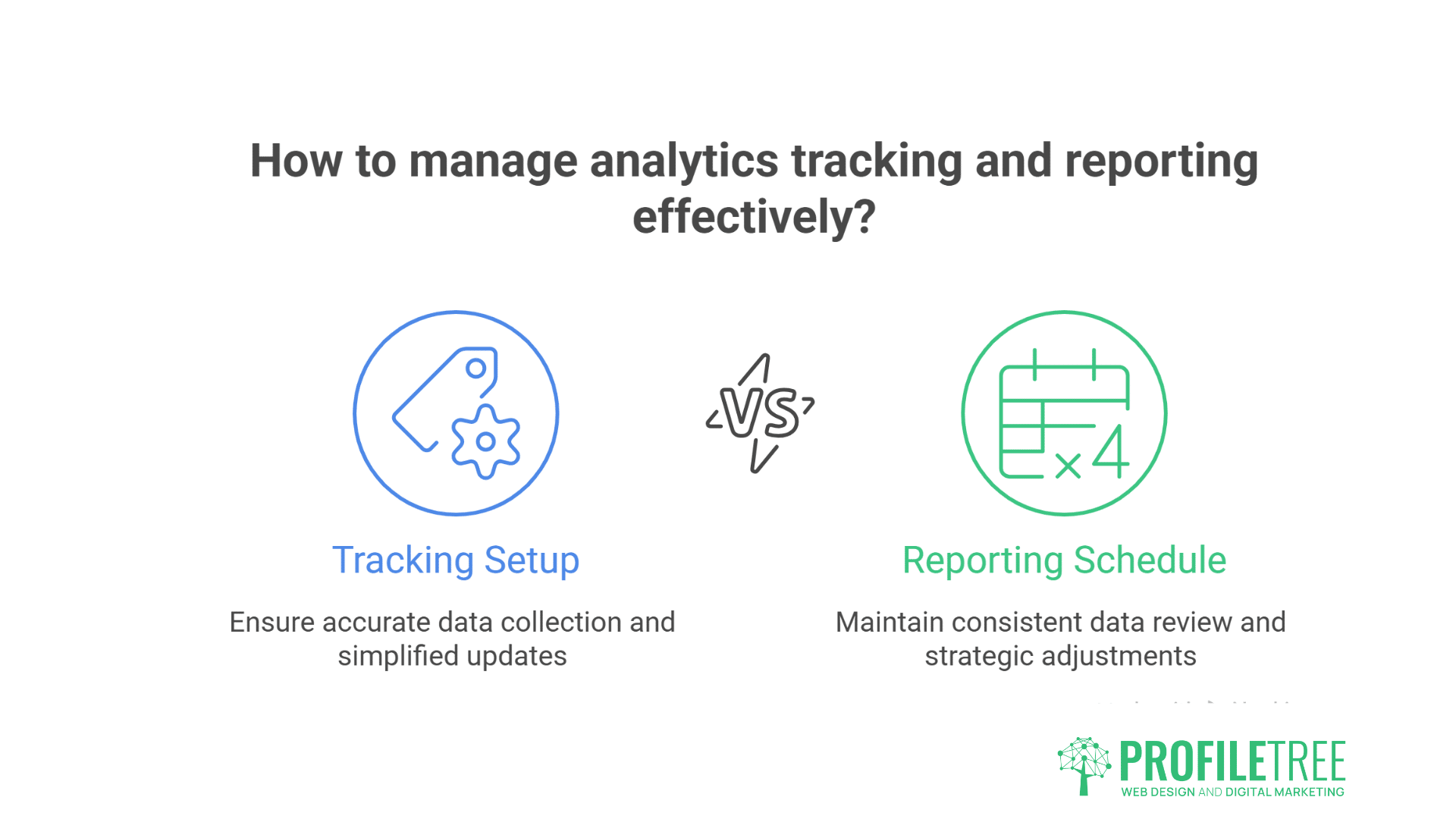
Installing analytics tools represents only the first step. Small businesses must configure tracking properly, review data regularly, and act on insights to gain value.
Set Up Tracking Correctly
Proper Google Analytics setup requires more than adding tracking code to your website. Configure goals for important actions like purchases, form submissions, or phone calls. Set up e-commerce tracking if you sell products online. Filter out internal traffic from employees.
Tag management systems like Google Tag Manager simplify tracking implementation and updates. These platforms let you modify analytics tracking without editing website code, reducing dependence on developers.
Test your tracking before relying on the data. Complete test conversions to verify that everything records properly. Check that UTM parameters work correctly for campaign tracking. Confirm mobile tracking functions as expected.
Create a Reporting Schedule
Schedule regular analytics reviews rather than checking sporadically. Weekly reviews identify trends and issues quickly. Monthly deep dives allow strategic adjustments. Quarterly reports track progress against annual goals.
Focus on metrics that connect to business outcomes. Vanity metrics like page views feel good but mean little without context. Track metrics tied to revenue, leads, or customer satisfaction instead.
Create simple dashboards that show key metrics at a glance. Custom reports save time by automatically generating the data you need. Most analytics platforms allow scheduled email delivery of reports.
Turn Data into Action
Analytics serve no purpose without action. When data reveals problems or opportunities, implement changes. Test different approaches and measure results. This continuous improvement cycle separates businesses that grow from those that stagnate.
Document what you learn from analytics. When you discover that Tuesday emails outperform Thursday emails, record this finding. Build a knowledge base of what works for your specific business and audience.
Share analytics insights with your team. Marketing data helps sales teams understand lead quality. Sales insights inform marketing about which messages resonate. Customer service data reveals product or experience issues.
Common Analytics Mistakes to Avoid
Small businesses frequently make predictable analytics errors that limit effectiveness. Recognising these mistakes helps avoid wasted effort.
Collecting Data Without Purpose
Installing analytics tools without defining what you need to know creates data overwhelm. Start with specific questions: Which marketing channels generate the most leads? What percentage of website visitors become customers? Which products drive the most revenue?
Every metric you track should connect to a business decision if you cannot explain why a metric matters or what you would do differently based on changes, stop tracking it.
Ignoring Data Quality
Inaccurate data leads to poor decisions. Broken tracking produces misleading reports. Regular audits verify that analytics tools capture information correctly. Check for tracking gaps, duplicate transactions, or bot traffic inflating numbers.
Clean your email lists regularly by removing inactive subscribers. Update CRM records to eliminate duplicates and outdated information. Verify that conversion tracking fires correctly after website changes.
Focusing Only on Acquisition
Many small businesses obsess over acquiring new customers while ignoring retention. Analytics about repeat purchase rates, customer lifetime value, and churn identify opportunities to increase revenue from existing customers. Retaining customers costs less than acquiring new ones.
Track post-purchase behaviour to understand customer satisfaction. Monitor product returns, support requests, and review ratings alongside sales data. These metrics predict long-term business health.
Making Changes Without Testing
Analytics show what happens, but not always why, before making major changes based on data, test hypotheses. A/B testing lets you compare different approaches with real users. This scientific approach prevents costly mistakes based on misinterpreted data.
Test one change at a time when possible. Changing multiple variables simultaneously makes it impossible to identify what drove the results. Patient, methodical testing produces reliable insights.
Getting Professional Analytics Support
Small businesses often lack internal expertise to implement analytics effectively. Professional support accelerates results and avoids common pitfalls.
ProfileTree’s digital strategy services include analytics implementation and ongoing support for SMBs across the UK and Ireland. We help businesses identify the right tools, configure tracking properly, and create reporting frameworks that drive decisions.
Our digital training programmes teach internal teams to use analytics independently. This approach builds capability whilst providing expert guidance during initial implementation. Training covers practical skills like setting up conversion tracking, creating custom reports, and interpreting data correctly.
We work with businesses to connect analytics to broader digital marketing strategies. Tracking website visitors means little without plans to improve conversion rates. Email open rates matter only when connected to a content strategy. Our approach integrates analytics with SEO, content marketing, and web design to drive measurable growth.
Conclusion
Analytics tools transform small business decision-making by replacing assumptions with evidence. The right tools depend on your specific business model, goals, and resources. Start with free core platforms like Google Analytics, Search Console, and platform-native social media analytics before adding paid tools.
Success requires more than installing software. Proper configuration, regular review, and action on insights separate businesses that benefit from analytics from those that collect unused data. Focus on metrics connected to real business outcomes rather than vanity numbers.
UK small and medium businesses competing with larger companies gain an advantage through data-driven decisions. Analytics level the playing field by showing what works without requiring enterprise-level resources. The businesses that measure, learn, and adapt consistently outperform those relying on guesswork.
ProfileTree helps SMBs across Northern Ireland, Ireland, and the UK implement analytics strategies that match their capacity and goals. Whether you need training to build internal capability or ongoing support to maximise results, we provide practical guidance that drives growth.