
What Is a Good Blog Subject? A UK SME Framework
Table of Contents
A good blog subject sits at the intersection of three things: what your audience is actually searching for, what your business can speak to with genuine experience, and what hasn’t already been said a hundred times by every competitor in your market. For UK SMEs, that means moving past generic round-ups and choosing a blog subject tied to a real commercial outcome, whether that is cutting customer acquisition costs, explaining a process prospects find confusing, or answering the exact question a client asked in last week’s consultation.
This guide sets out a practical framework for picking a blog subject, then it gives you 120+ categorised blog topics you can adapt for your own blog niche.
What Makes a Good Blog Subject for a UK Business
A blog subject only earns its place on your content calendar if it does two jobs at once: it serves a reader with a genuine question, and it lets you say something a generic search result can’t. The sections below break that down into two practical tests.
Where Audience Need Meets Real Experience
The strongest blog subject sits where three circles overlap: what people are searching for, what you know from doing the work, and what your business wants to be found for. A topic search engines will reward, but nobody at your company who really understands tends to read as thin. A topic your team could write brilliantly, but nobody searches for won’t earn traffic either. Test any subject against both questions before committing time to it. Getting this right matters most while you’re still shaping your blog niche, since the first dozen blog topics you publish define how search engines read your site’s expertise.
“Understanding your audience isn’t just about demographics. It’s about knowing their daily challenges, what keeps them awake at night, and how your solutions genuinely improve their business outcomes,” says Ciaran Connolly, Director of ProfileTree.
That audience-first thinking should shape every blog subject on your list, not just the ones aimed at converting readers. A content marketing partner can help structure this research, but the underlying questions belong to whoever talks to clients most often; that’s usually sales, support, and account management.
Why Real Experience Beats Generic Advice
Search engines increasingly favour content written from direct, first-hand experience over recycled advice. Google’s own guidance on creating helpful, reliable, people-first content asks whether a page demonstrates first-hand expertise and whether it would leave a reader satisfied after reading. A blog subject built entirely from what other articles already say fails that test before you’ve written a word. Blog subjects built from client work, honest mistakes, and specific numbers from your own projects pass it every time.
This doesn’t mean every post needs a case study. It means picking subjects where you have something to add: a process you follow, a mistake you have seen clients make, or a number you can actually stand behind. The same test applies across every one of your blog topics, not just the ones you expect to rank quickly.
How to Choose a Blog Subject: A Five-Step Framework
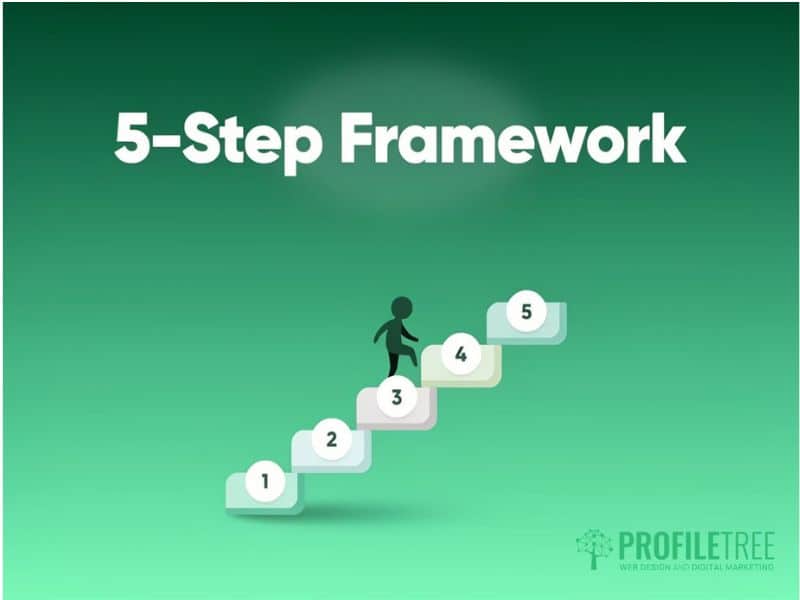
Waiting for inspiration isn’t a content strategy. The five steps below give you a repeatable way to generate and validate a blog subject whenever your calendar runs low. They work whether you’re picking individual blog topics or defining an entire blog niche from scratch.
Step 1: List the Questions Clients Actually Ask
Before you open a keyword tool, write down the questions that come up repeatedly in sales calls, onboarding meetings, and support tickets. If you explain the difference between on-page and technical SEO every fortnight, that is a blog subject waiting to be written. These questions rarely show up in generic keyword lists, which is exactly why they make strong, differentiated content. Building a shortlist of blog topics this way also keeps you from drifting outside your blog niche into subjects nobody on your team can speak to with authority.
Step 2: Check Keyword Demand and Intent
Once you’ve got a shortlist, check search demand with Google Search Console data, Google Keyword Planner, or a paid tool. Prioritise intent over volume. A keyword with 500 monthly searches and clear commercial intent, such as “SEO services Belfast,” usually converts better than one with 5,000 searches and vague intent, such as “what is SEO.” Google’s “People Also Ask” results are also useful here for surfacing the specific phrasing real searchers use.
Step 3: Study Competitor Gaps
Look at what already ranks for your shortlisted terms, then ask what’s missing. Perhaps competitors cover the benefits of a service but skip the objections UK buyers actually raise, such as cost, timelines, or contract length. Gaps like this are stronger blog subject opportunities than topics competitors have already covered well, because you are adding something rather than repeating it. Gaps like this often produce the strongest blog topics in an otherwise crowded blog niche.
Step 4: Listen on Social Platforms and Communities
Business-focused groups on LinkedIn, relevant subreddits, and comments on your own published content surface recurring questions in the words your audience actually uses. A question that comes up across several threads, or repeatedly in your blog’s own comments, is a strong signal that the topic deserves its own post rather than a single paragraph buried in something else.
Step 5: Score Each Subject for Business Fit
Not every viable blog subject deserves equal priority. Score shortlisted topics against three questions: does it serve a genuine reader need, does it connect naturally to something you sell, and can you say something about it that a competitor cannot? A subject that scores well on all three moves to the top of the calendar; one that scores well on only search demand can wait.
120+ Blog Subject Ideas by Category

The list below is organised by funnel stage and by UK sector, so you can pick a blog subject that matches both where your reader is in their decision and what your business actually does. Adapt the wording to your own niche, location, and audience rather than publishing any of these as they’re written here.
Brand Awareness and Authority Subjects
These blog subject ideas introduce your business to people who are not yet ready to buy, building recognition and topical authority over time.
- The Future of AI in UK Digital Marketing
- How Voice Search Is Changing SEO for British Businesses
- Emerging Web Design Trends UK Companies Should Watch
- Video Marketing Trends Belfast Businesses Should Know
- Website Accessibility Requirements in the UK Market
- How GDPR Continues Shaping UK Digital Marketing
- Is a Headless CMS Right for Your UK Website?
- Mobile-First Indexing: What It Means for Northern Ireland Businesses
- How AI Tools Are Changing Content Creation for UK SMEs
- SEO Basics Every UK Business Owner Should Understand
- Web Design Principles That Improve User Experience
- Understanding Google Analytics for UK Businesses
- Content Marketing Fundamentals for SMEs
- Social Media Marketing Essentials for Northern Ireland Companies
- Video Production Basics on a Small Business Budget
- WordPress Fundamentals for a New UK Business Website
- Local SEO Explained: Ranking in Your Regional Market
- Email Marketing Best Practices for British Businesses
- Understanding Website Hosting Options for UK Companies
- Why Most UK Business Websites Fail to Generate Leads
- The Biggest SEO Mistakes Northern Ireland Businesses Make
- Rethinking Digital Marketing ROI: Metrics That Actually Matter
- Why Website Speed Affects UK Conversion Rates
- Why Accessibility Is a Legal and Commercial Issue, Not an Extra
- Why Your Belfast Business Needs Video Content This Year
- The Real Cost of Poor Web Design for UK Companies
- How AI Will Change SME Operations Over the Next Decade
- Why Digital Strategy Should Drive Business Strategy, Not Follow It
Lead Generation and Conversion Subjects
These blog subject ideas help a reader who is comparing options move towards a decision.
- WordPress vs Squarespace vs Wix for UK Businesses
- In-House vs Agency Digital Marketing: A Cost Comparison
- White Hat vs Black Hat SEO: What UK Businesses Should Know
- Custom Website Development vs Template Solutions
- Organic SEO vs Paid Advertising: Where Should You Invest First?
- Animation vs Live Action: Choosing a Video Style
- DIY SEO vs Professional Services: The Real Costs
- Cloud Hosting vs Shared Hosting for Belfast Businesses
- Email Marketing vs Social Media: Where to Focus Effort First
- Traditional Marketing vs Digital Marketing for NI SMEs
- How to Choose a Web Design Agency in Northern Ireland
- Questions to Ask Before Hiring an SEO Provider
- What to Look for in a Video Production Partner
- A UK Business Owner’s Checklist for Evaluating Digital Marketing Agencies
- Switching CMS Platforms Without Losing SEO Rankings
- How to Select AI Tools for Your Business Operations
- Finding Quality Content Writers for Your Business Blog
- Selecting Website Hosting: Technical Considerations for UK Firms
- How to Choose Between Freelance and Agency WordPress Developers
- Evaluating Social Media Management Services for Your Business
- Setting Up Google Business Profile for Local Visibility
- Implementing AI Chatbots on a UK Business Website
- Building Email Lists That Actually Convert
- Creating Landing Pages That Generate Leads
- Optimising WordPress Site Speed: A Technical Walkthrough
- Step-by-Step: Launching Your First Business Blog
- How to Conduct Keyword Research for a UK Business
- Creating Your First Business Video: A Complete Guide
- Setting Up Conversion Tracking for Your Website
- How to Create an Effective Content Calendar
- My Website Isn’t Ranking: Diagnosing the Likely Causes
- Solving High Bounce Rates on a Business Website
- Fixing Slow Load Times: Practical Technical Fixes
- Addressing Poor Mobile Experience on a Business Website
- Improving Low Conversion Rates: Practical CRO Tactics
- Solving Common WordPress Security Issues
- Fixing Broken SEO After a Website Migration
- Solving Email Deliverability Problems
- Fixing Google Business Profile Listing Issues
Industry-Specific Subjects for UK Sectors
Matching a blog subject to a sector gives it far more commercial relevance than a generic version of the same idea.
Professional Services
- SEO for UK Solicitors: Attracting Clients Through Search
- Website Design for Accounting Firms: Building Trust Online
- Content Marketing for UK Consultants: Establishing Authority
- Local SEO for Belfast Law Firms
- Lead Generation Strategies for UK Financial Advisers
- Video Marketing for Professional Services: Showcasing Expertise
- Social Media for Professional Services: What Actually Works
- Building Authority Through Thought Leadership Content
- Website Accessibility for UK Professional Services
- AI Tools for Automating Administrative Tasks
Retail and E-commerce
- E-commerce SEO for UK Online Retailers
- Shopify vs WooCommerce for UK Stores
- Abandoned Cart Recovery Strategies That Work
- Mobile Commerce Optimisation for UK Retailers
- Email Automation for E-commerce Businesses
- Product Photography Tips for Online Shops
- Seasonal Marketing Strategies for UK Retail Businesses
- Video Product Demonstrations That Increase Conversions
- Local Inventory Ads for UK Retail Locations
- Social Commerce: Selling Through Instagram and Facebook
Hospitality and Tourism
- Local SEO for Northern Ireland Hotels and B&Bs
- Restaurant Website Design: Converting Visitors to Diners
- Google Business Profile Optimisation for Belfast Hospitality
- Reputation Management for UK Hospitality Businesses
- Seasonal Content Marketing for Tourism Businesses
- Video Marketing for UK Tourism Attractions
- Social Media Strategy for UK Restaurants and Cafes
- Choosing an Online Booking System for Hospitality Venues
- Photography That Sells: Showcasing Hospitality Venues
- Influencer Partnerships for Northern Ireland Attractions
Trades and Construction
- Local SEO for Builders and Contractors in Northern Ireland
- Website Design for Construction Companies: Showcasing Projects
- Video Testimonials That Build Trust for Contractors
- Website Features Every Trade Business Needs
- Mobile-Friendly Design for On-Site Estimating
- Before-and-After Photography for Trade Businesses
- Google Ads for UK Trade Businesses: Quick Lead Generation
- Social Media for Tradespeople: Practical Approaches
- Managing Online Reviews for Construction Companies
- Content Marketing for Specialist Contractors
Seasonal and Timely Subjects
- Preparing Your UK Website for the Christmas Shopping Season
- Spring Marketing Ideas for Northern Ireland Retailers
- Summer Content Strategy for UK Tourism Businesses
- Black Friday Preparation for UK E-commerce Businesses
- New Year Digital Goals for UK Companies
- Wedding Season Marketing for Northern Ireland Venues
- Tax Season Content for UK Accounting Firms
- Holiday Period Website Maintenance Checklist
- January Sales Strategy for UK Retailers
- Back-to-School Marketing for UK Educational Services
Turning Your Blog Subject List Into a Content Strategy
A list of good ideas only becomes a content strategy once it is scheduled, resourced, and measured. The two sections below cover planning and performance tracking.
Building a Realistic Content Calendar
Plan three to six months ahead so you have time to research, write, and promote each blog subject properly. Balance the calendar across funnel stages rather than publishing only awareness content or only conversion content. The table below shows how that balance typically works in practice.
| Funnel Stage | Purpose | Example Blog Subject |
|---|---|---|
| Awareness | Attract new visitors researching a problem | What Is Local SEO and Why Belfast Businesses Need It |
| Consideration | Help prospects compare options | WordPress vs Wix: Which Platform Suits Your Business? |
| Conversion | Support a decision-ready reader | What to Expect From a Professional SEO Engagement |
Measuring Which Subjects Actually Perform
Review Google Search Console regularly to see which queries and pages are gaining impressions, and which blog subject choices are actually earning clicks at their current position. Track engagement signals such as time on page and scroll depth alongside conversions such as consultation requests or newsletter sign-ups.
A subject that draws traffic but converts nobody usually signals a mismatch between the title and the content, and it’s worth rewriting rather than abandoning. A wider digital strategy review can help connect this data back to business goals rather than treating each post as an isolated experiment.
Final Thoughts on Choosing Your Next Blog Subject
Selecting a strong blog subject is part research and part honest self-assessment about where your business genuinely adds value. The framework and ideas above give you a starting point, but your best-performing subjects won’t come from a list, they’ll come from understanding your own clients’ questions better than anyone else covering the same topic.
Consistency beats any single post by some distance. Businesses that treat their blog as a long-term asset, building one well-chosen subject at a time, consistently outperform those chasing a single viral result.
If you need support building a content strategy around the right blog subjects for your business, ProfileTree provides content strategy support, search engine optimisation services, video marketing production, and website design services for businesses across Northern Ireland, Ireland, and the UK.
FAQs
1. What is a good blog subject?
A good blog subject answers a genuine question your audience is searching for, draws on experience your business actually has, and adds something a competitor’s article does not already cover. Subjects that fail any one of these three tests tend to underperform regardless of search volume.
2. How do I choose a blog niche for my business?
Start with the intersection of your team’s expertise, your services, and the questions clients ask most often. A narrow, well-defined niche builds authority faster than a broad one, so resist the urge to cover every topic your industry touches. If you cannot list twenty realistic blog subjects within that niche, it is probably too narrow to sustain.
3. Can a blog subject genuinely make money for a business?
Yes, but indirectly. A blog subject rarely converts a reader on the first visit. Its commercial value comes from repeatedly demonstrating expertise, building trust over several visits, and supporting the decision-making of a prospect who eventually contacts you or requests a quote.
4. How often should I publish new blog subjects?
Consistency matters more than frequency. A UK SME publishing one well-researched blog subject every two weeks will typically outperform one publishing five thin posts a week. Match your schedule to what you can sustain at a high standard over the next twelve months.
5. What is the difference between a popular blog subject and a good one?
A popular blog subject has high search volume; a good one also has clear intent, a realistic path to ranking, and a genuine connection to what your business sells. Chasing popularity alone often means competing with major publishers you cannot outrank, while a well-chosen, good subject can realistically rank and convert.