
Web Design Northern Ireland: How NI Businesses Build Sites That Work
Table of Contents
ProfileTree is a Belfast-based web design agency serving businesses across Northern Ireland. This page covers how web design for NI businesses differs from GB-focused approaches, the cross-border considerations for sites serving both NI and the Republic, the sectors ProfileTree works with across the region, and how remote project delivery works when you’re not in Belfast.
Running a business in Northern Ireland brings particular considerations that most GB web agencies aren’t set up to handle. Your customers might cross the border in either direction. Your supply chain might span three jurisdictions. Your funding might come from Invest NI, the UK Government, or an Irish enterprise body. A web design agency based in Glasgow or Manchester rarely has the context to build around that. ProfileTree, based in Belfast, does.
We’ve worked with NI businesses since 2010, from sole traders in County Fermanagh to manufacturers on the outskirts of Antrim. This page is aimed at business owners and marketing managers in Northern Ireland who are thinking about a new website or a redesign and want to understand what a local agency can offer that national agencies typically can’t.
Why Web Design for Northern Ireland Businesses Is Different
The practical differences between designing a website for a Belfast business and one based in Birmingham are bigger than most people realise. They’re not differences in technology; WordPress, Shopify, and the rest work the same anywhere. They’re differences in context, in audience, and in the specific commercial environment that NI businesses operate in every day.
The Cross-Border Reality
Northern Ireland is the only part of the UK that shares a land border with another country. For most NI businesses, that border is genuinely porous. A hotel in Enniskillen draws guests from Cavan and Monaghan as readily as from Tyrone. A construction supplier in Newry serves clients on both sides. An accountancy firm in Derry advises clients in Donegal.
That dual audience has real implications for web design. Currency display is the obvious one: do you show prices in sterling, euros, or both? But there are subtler issues too. Date formats, telephone number formats, VAT labelling, and even the language around certain locations and institutions can affect how a site reads to visitors from different communities. A well-built NI website handles these things gracefully, often without the visitor noticing. A poorly considered one creates friction that costs you business.
ProfileTree builds sites with this dual-audience dynamic in mind by default. When a client operates on both sides of the border, we plan for it in the content architecture, the contact details, and the technical setup, rather than treating it as an afterthought.
Funding Schemes and Grant Eligibility
Beyond the cross-border dimension, Northern Ireland also has access to a distinct set of digital support programmes that simply don’t exist in GB. Understanding these can make a meaningful difference to the cost and scope of a web project.
Invest NI runs programmes supporting SME digitalisation. Several local councils have funded free or subsidised web design and digital marketing training for businesses in their area. ProfileTree has delivered training under a number of these council-funded schemes, which means we understand how these programmes work and what eligibility criteria look like.
If you’re a small business considering a website investment and you haven’t checked whether any current Invest NI or council schemes apply to you, it’s worth doing before you commit budget. We can point clients in the right direction when we’re aware of relevant active programmes.
Local Search Behaviour
Search behaviour in Northern Ireland also has its own distinct patterns that a GB-focused agency will often miss entirely. Getting this right is the difference between a site that generates enquiries from the right people and one that attracts traffic that never converts.
Searches for local services often include town or county names that wouldn’t appear in English searches from GB. People search for businesses in Ballymena, Omagh, Bangor, and Coleraine, not just Belfast. Rural search intent is a real factor: someone in Strabane looking for a local solicitor has different search behaviour from someone doing the same search in central Belfast.
Local SEO for NI businesses needs to account for this. That means Google Business Profile optimisation for the right service areas, location-specific content that goes beyond swapping city names in a template, and an understanding of which search terms actually have volume in NI versus those that look logical but see almost no queries. We build this into every project from the start, not as an optional extra.
Sectors We Work with Across Northern Ireland
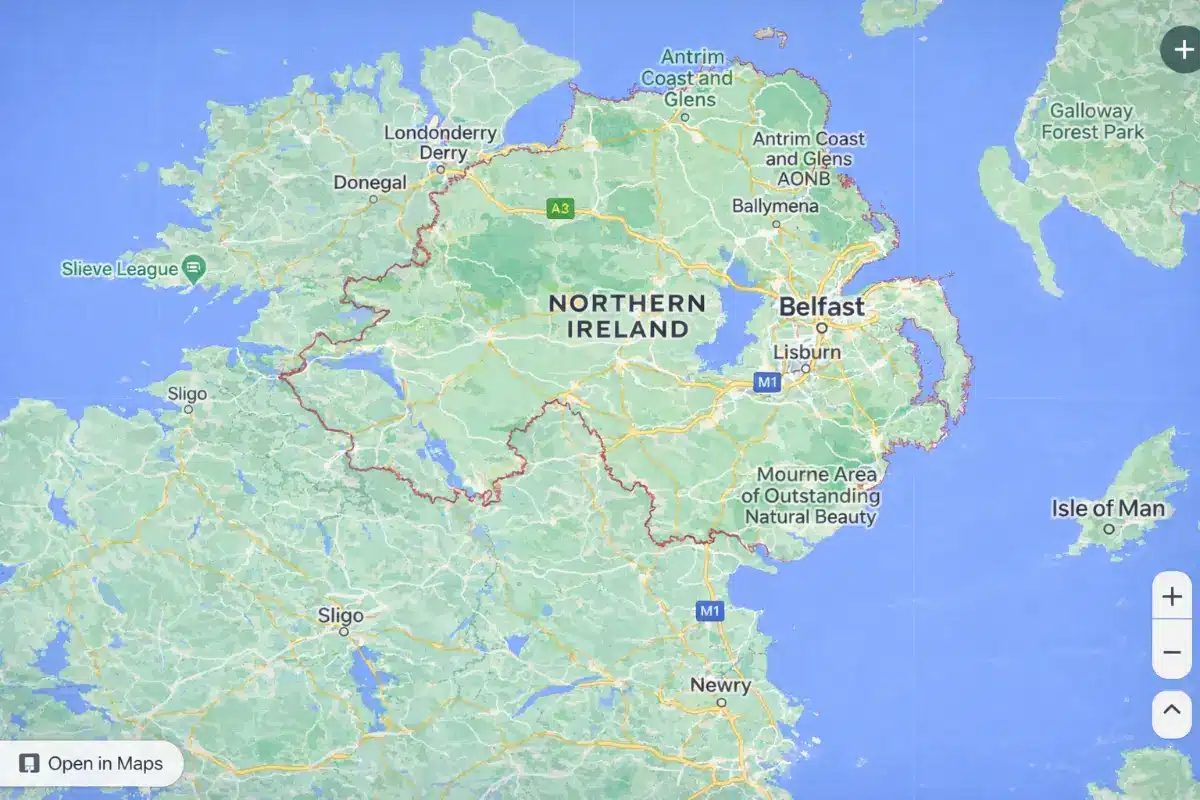
ProfileTree works with businesses across a wide range of industries throughout NI, and the web design requirements vary considerably from one sector to the next. A tourism operator in the Causeway Coast has fundamentally different needs from a manufacturer in Antrim or a solicitor in Newry. Understanding those differences is what makes a web project work.
Tourism and Hospitality
Tourism is one of Northern Ireland’s most active sectors online. The Causeway Coastal Route, the Giant’s Causeway, the Titanic Quarter, the Mourne Mountains: these are internationally recognised draws, and the businesses that benefit most are those with websites capable of converting that interest into direct bookings.
Hotels, self-catering properties, tour operators, and visitor attractions across NI all compete for attention from visitors who often begin their search months before they travel. For tourism businesses, the website is the primary sales tool. Direct bookings from a well-designed, fast, mobile-responsive site are worth significantly more than bookings through OTA platforms that take commission. We’ve worked with hospitality businesses from the Glens of Antrim to the Fermanagh Lakelands, and the core challenge is consistent: convince the visitor to book direct, before they navigate to a third-party booking platform.
Manufacturing and Industry
Northern Ireland has a substantial manufacturing base, from advanced engineering firms in the Greater Belfast area to food processing businesses spread across rural counties. These businesses have traditionally underinvested in digital, but that’s changing as procurement increasingly moves online.
Buyers in the UK, Ireland, and further afield increasingly want to research suppliers before making contact, and the website is usually the first thing they look at. Industrial and manufacturing websites require a different approach to consumer-facing sites. The audience is procurement professionals, engineers, or business owners doing due diligence. They want technical specifications, capability statements, accreditation information, and enough substance to justify a phone call. A site that looks professional but says very little doesn’t convert this audience.
Professional Services
Solicitors, accountants, financial advisers, architects, and consultancy firms across NI face a specific credibility challenge online. Potential clients are often making significant decisions when they make contact, and the website plays a direct role in whether they get in touch at all.
The website needs to convey genuine expertise, local knowledge, and trustworthiness, without lapsing into the generic corporate language that makes one professional services firm indistinguishable from the next. We’ve worked with professional services firms in Belfast, Derry, and across NI to build sites that reflect the substance of what they do. That often involves case study content, team profiles with real credentials, and an editorial approach that demonstrates expertise rather than merely claiming it.
Retail and E-commerce
High street retail in Northern Ireland faces the same headwinds as everywhere in the UK and Ireland, and the businesses that are growing are typically those that have built a credible online channel alongside their physical presence. Getting e-commerce right in NI involves considerations that don’t come up in a purely GB or purely ROI context.
Fulfilment logistics often need to account for both GB and ROI delivery zones. VAT handling may differ for customers in different jurisdictions. Payment processing needs to work for customers using both sterling and euro. For retailers considering e-commerce for the first time, the platform choice also matters. WooCommerce on WordPress suits businesses that already have or plan to invest in a content strategy. Shopify suits retailers who want a simpler technical environment and are willing to pay the ongoing platform fee. We help clients make that decision based on their actual business requirements, not on which platform is currently fashionable.
Public Sector and Third Sector
Northern Ireland has a significant public sector and a large, active network of community organisations, charities, and social enterprises. These clients often operate under different constraints from commercial businesses, and those constraints need to be built into the project from the start rather than treated as complications.
Strict accessibility requirements, procurement processes that require formal tendering, and stakeholder audiences that include funders, beneficiaries, and the general public simultaneously all shape what a successful website looks like in this space. We’ve built websites for organisations operating here and understand the additional requirements around WCAG accessibility compliance, public sector digital standards, and the need for content management systems that non-technical staff can update without agency involvement every time.
How Remote Project Delivery Works
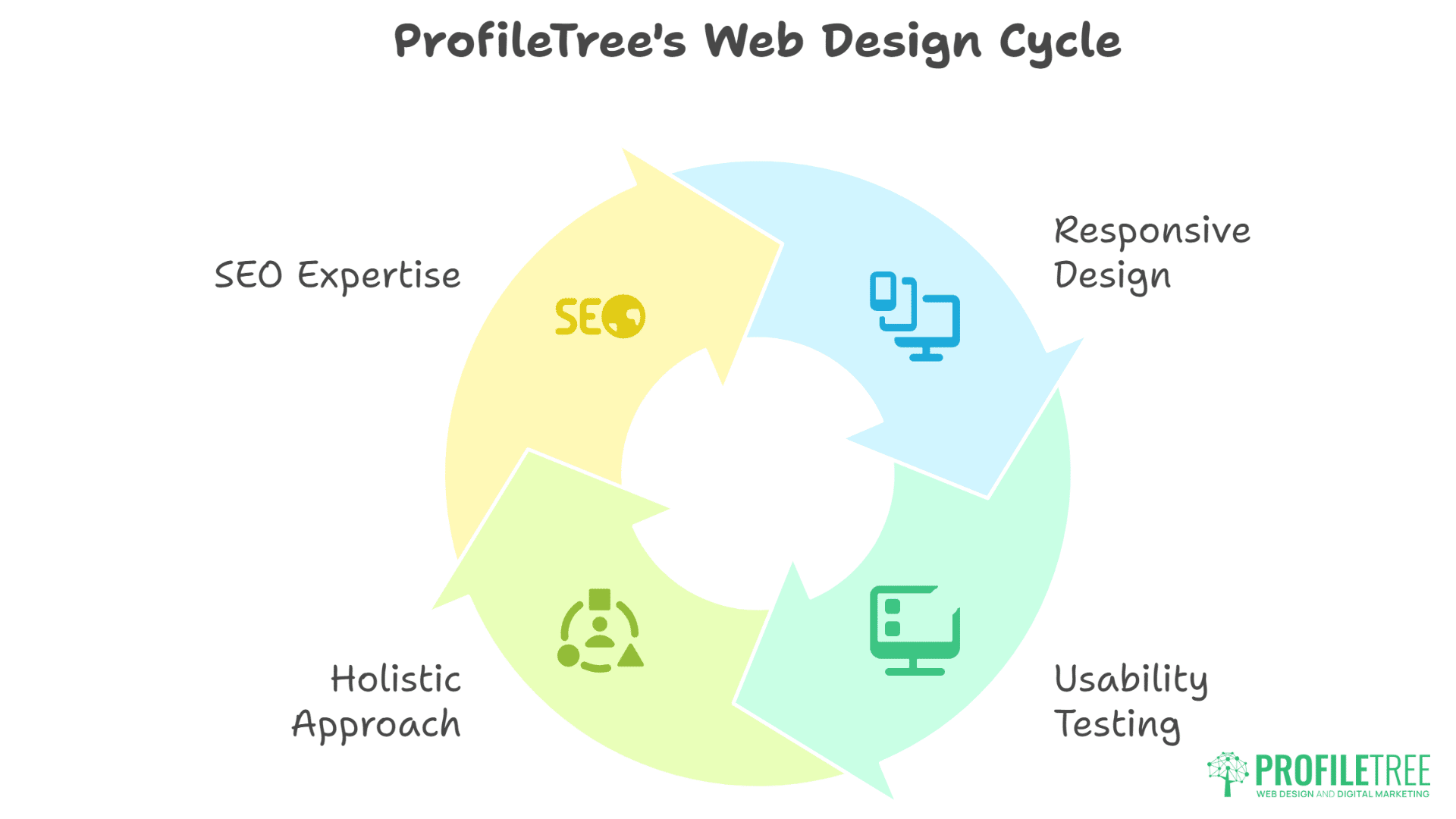
ProfileTree is based in Belfast, but the majority of our work has always been delivered without requiring clients to travel to us. This was true before the shift to remote working became universal, and it remains our standard approach. Businesses across Northern Ireland, from the north coast to the border counties, work with us on exactly the same basis as clients in the city.
Discovery and Brief
Every project begins with a structured discovery process that establishes what success looks like before any design work starts. Getting this right at the outset saves significant time and cost later in the project.
Initial discovery calls cover your business objectives, target audience, existing digital presence, and what you need the site to achieve. These run as video calls and typically last 45 to 90 minutes. We ask specific questions about your customers, your competitors, and the practical constraints of the project: budget, timeline, internal resource for content provision, and approval processes. For complex projects, we follow the initial call with a written brief document for your review before any design work begins.
Design and Content Collaboration
Once the brief is agreed, design concepts are shared via screen share or as PDF documents with annotation capability. Content review happens through shared documents. Most clients find this more efficient than in-person meetings, because the record of decisions is built into the process rather than needing to be written up separately afterwards.
Content is one of the most common causes of project delays, so we address it early. We work with clients to develop content briefs and, where needed, write copy for the site. For clients who prefer to supply their own content, we provide structured templates so the material arrives in the right format for the developers, to a clear timeline.
Development, Review, and Launch
Development builds on a staging environment that clients can access from any device with a browser, which means you can review progress at any point without needing specialist tools or software. Review rounds are structured: we provide a review checklist and ask for consolidated feedback rather than multiple rounds of individual comments, which keeps the project moving efficiently.
Launch involves DNS updates, hosting migration if applicable, final SEO checks, and a handover call to walk through the content management system. For clients on our hosting and support packages, ongoing technical maintenance is handled by our team. For businesses outside Belfast, whether you’re in Omagh, Newry, Enniskillen, or Derry, the process is identical to that for a client in the city.
How ProfileTree Approaches Web Design in Northern Ireland
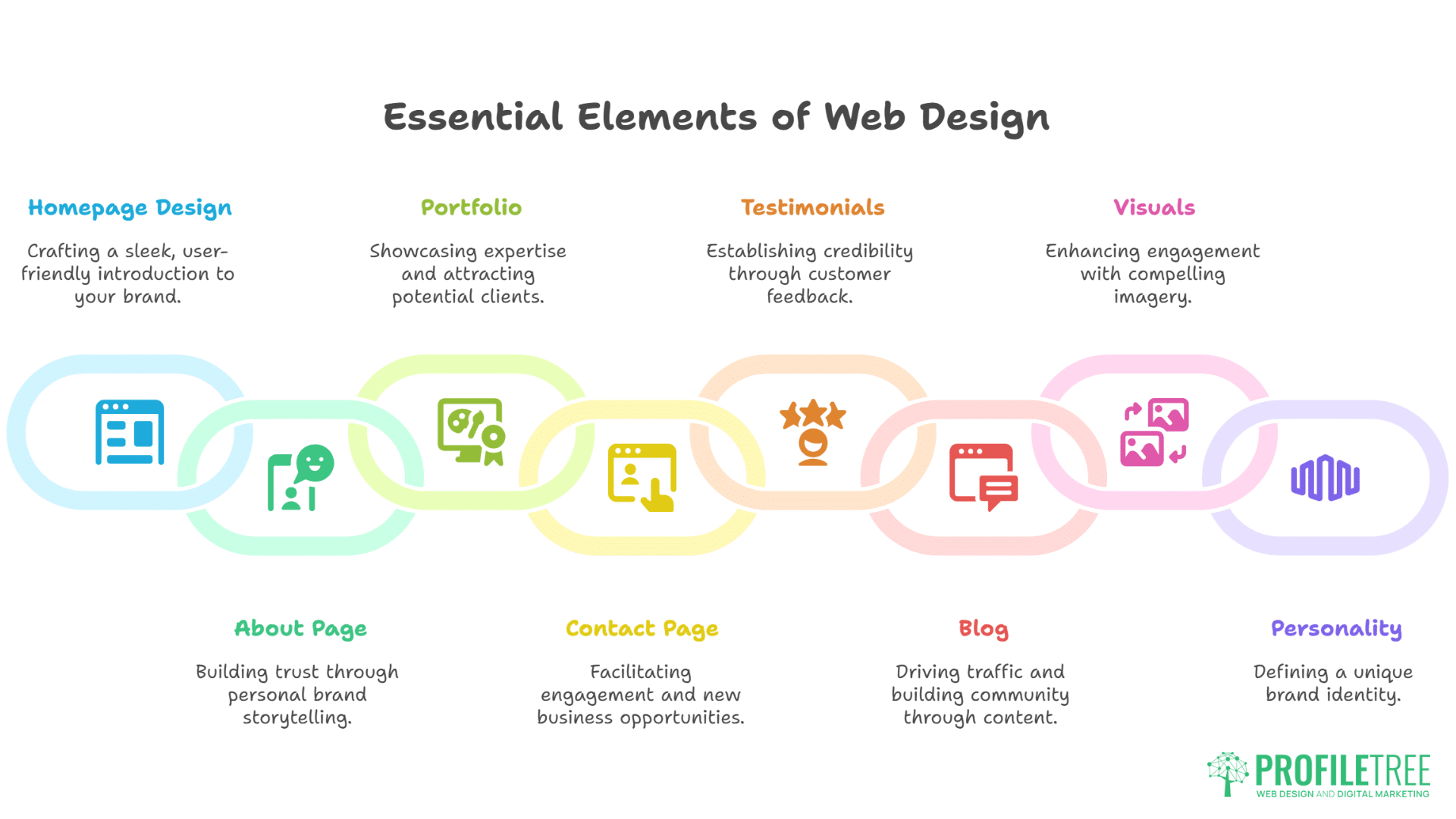
Our approach combines technical build quality with a content and SEO foundation, because a website that looks right but doesn’t rank or convert isn’t doing its job. The two things need to be built together, not treated as separate workstreams.
Every project begins with a clear understanding of who the site is for and what action you want them to take. From that starting point, we build the information architecture, then the design, then the technical build. SEO considerations run through the whole process: page structure, heading hierarchy, page speed, mobile responsiveness, and internal linking are all addressed during development rather than retrofitted afterwards.
Ciaran Connolly, founder of ProfileTree, describes the approach: “We built ProfileTree’s own online presence using the same methods we apply for clients. That means we can show exactly what we do, how it works, and what results to expect, rather than asking clients to take our word for it.”
For businesses considering a new or redesigned website, our website design services page covers what’s included in a standard project scope, from initial discovery through to post-launch support. Businesses based in Belfast specifically may also find our web design Belfast page useful, which covers the same approach with more specific focus on the local Belfast market.
More Services: Social Media Northern Ireland, SEO Northern Ireland, Digital Training Northern Ireland, Digital Marketing Northern Ireland
Frequently Asked Questions About Web Design in Northern Ireland
The questions below come from conversations with NI business owners at different stages of a web project, from initial research through to post-launch. If your question isn’t covered here, get in touch and we’ll give you a straight answer.
How is web design for Northern Ireland businesses different from GB?
The core technical work is the same, but the context differs in meaningful ways. NI businesses often serve audiences on both sides of the border, which affects how you handle currency, location references, and certain regulatory or VAT-related content. Local search behaviour includes specific place names and search patterns that differ from English searches. Funding and support schemes available to NI businesses through Invest NI and local councils don’t exist in GB. A web agency with NI experience builds these considerations in as standard rather than treating them as edge cases.
Do I need to meet the agency in person?
No. ProfileTree works with businesses across Northern Ireland remotely as standard. Discovery, design review, content collaboration, and launch handover all happen through video calls and shared documents. Clients in Derry, Enniskillen, Newry, Bangor, and across rural NI receive the same service as clients in Belfast. If you prefer to meet in person, we can accommodate that for Belfast-area clients, but it isn’t a requirement for the project to run well.
Can you build a website that serves customers in both Northern Ireland and the Republic?
Yes, and we do this regularly. The considerations include how you present pricing (sterling, euros, or both), how you handle VAT-inclusive versus VAT-exclusive display for different audiences, telephone number formats, and any location-specific content differences. We also plan the technical setup so the site loads quickly from both directions of the border, which matters for both user experience and search rankings.
What’s the typical cost of a website in Northern Ireland?
The average project cost at ProfileTree is £7,000, which covers discovery, UX and design, development, SEO setup, and content migration. This varies depending on scope: a straightforward brochure site for a service business costs less than an e-commerce build with custom functionality. We can give a clearer figure once we understand your requirements. We don’t publish fixed package prices because they tend to obscure the factors that actually drive cost.
How long does a web design project take?
A standard brochure website typically takes eight to twelve weeks from project kick-off to launch, assuming content is supplied on schedule. E-commerce projects or sites with custom development requirements take longer. The most common cause of delays is content: copy, images, and product information that arrive later than planned. We provide content briefs and templates to help clients supply material in the right format and to a clear timeline.
Do you offer ongoing support after the site launches?
Yes. We offer hosting and support packages that include technical maintenance, security updates, performance monitoring, and minor content updates. We also work with clients on ongoing SEO, content marketing, and digital marketing beyond the initial build. Many of our NI clients have been with us for several years and continue to develop their digital presence over time, rather than treating the website as a one-off project.
Which sectors do you work with most in Northern Ireland?
Our NI client base spans tourism and hospitality, manufacturing, professional services, retail and e-commerce, third sector organisations, and public sector bodies. We also work with businesses in construction, agri-food, healthcare, and education. The web design principles are broadly consistent across sectors; what changes is the content approach, the user journey design, and the specific technical requirements of each industry.