
Influencer Marketing Trends Reshaping UK Brand Partnerships
Table of Contents
Influencer marketing trends now decide where a large share of UK social spend goes, and the rules around them have tightened sharply. The Advertising Standards Authority continues to act on undisclosed ads, audiences have grown sceptical of polished sponsorships, and AI tools have changed how brands find and vet creators. For marketing managers across Northern Ireland, Ireland, and the wider UK, the question is no longer whether to work with influencers, but how to do it credibly.
This guide looks at the shifts that matter most right now: the move towards smaller, trusted creators, the dominance of short video, the pull towards longer partnerships, and the compliance demands shaping every campaign. ProfileTree, the Belfast digital agency, works with SMEs on exactly these decisions, so the focus here is practical rather than speculative.
Each section below sets out what is changing, why it matters for a UK audience, and the steps you can take to act on it.
The Rise of Micro and Nano Creators
Audience trust has shifted away from celebrity-scale accounts towards smaller creators with tight, engaged followings. Brands that once chased reach now chase relevance, and that change runs through almost every other trend in this guide.
Why Engagement Beats Follower Count
A creator with 8,000 followers in a defined niche often drives more action than one with 800,000 casual followers. Engagement rates tend to fall as audiences grow, because large accounts attract passive viewers who scroll past. Smaller creators reply to comments, answer questions, and keep a sense of direct contact that converts. That back-and-forth reads as a personal recommendation rather than a paid slot.
This matters most for service businesses with a clear local or sector focus. The reach is narrower, but the people reached are far closer to buying. A regional accountant, a specialist retailer, or a trades business gains more from a trusted local voice than from a national account whose audience sits outside the service area. Cost follows the same logic: nano creators charge a fraction of celebrity rates, which lets SMEs test several voices before committing a larger budget.
Matching Creators to Niche Audiences
The value of a nano creator lies in how well their audience overlaps with yours. A Belfast fitness coach with 5,000 local followers is worth more to a regional gym than a national lifestyle account with no geographic anchor. Strong audience targeting depends on the same thinking that drives good organic content, which is why a clear social media strategy should sit underneath any creator partnership. Without that foundation, even a well-chosen creator pushes content into a vacuum.
Vetting still matters at this scale. Check that followers are real rather than bought, that past brand work fits your sector, and that the tone suits your business. Look at how the creator handles negative comments, since that response says more about reliability than any follower figure. A quick audit of three or four recent posts usually reveals whether the engagement is genuine.
Building a Creator Roster, Not a One-Off Buy
Many SMEs now keep a small group of nano creators on standby rather than booking single posts. This gives steady output, lower per-post costs, and a body of content that builds familiarity over time. For a deeper look at how the levels compare, see ProfileTree’s breakdown of micro influencers and where each tier fits. A roster also spreads risk: if one creator’s engagement dips or a partnership ends, the campaign keeps running through the others.
That roster approach leads naturally into the next shift, which is the growing pull towards video as the default format. The creators who build the strongest local followings tend to be the ones producing regular short clips, so format and creator choice are closely linked.
Short Video as the Default Format
Short vertical video has moved from one option among many to the format creators reach for first. TikTok, Instagram Reels, and YouTube Shorts now carry the bulk of influencer output, and brands that cannot produce or commission video are losing ground.
Platforms Driving the Shift
The three main short-video platforms reward consistency and watch time over production polish. A clip filmed on a phone often outperforms a studio shoot, because audiences read the rough version as more honest. For SMEs, this lowers the barrier to entry: you no longer need a large budget to compete for attention, only a steady idea and a creator willing to show up regularly.
Each platform carries its own habits. TikTok rewards trends and sound, Reels leans on discovery through the wider Instagram graph, and Shorts feeds off the broader YouTube ecosystem. A creator who knows one platform deeply will outperform one spread thinly across all three. ProfileTree has tracked how this format spread across sectors in its analysis of short-form video, which is worth reading before you commit a budget.
What Makes Branded Video Work
The strongest branded clips put the creator’s voice first and the product second. A hard sell in the opening seconds loses viewers; a genuine demonstration or honest review holds them. Let creators script in their own words rather than handing them ad copy, because the audience follows the creator precisely for that personal style.
The first three seconds carry the most weight. If the opening reads as an advert, the view count collapses before the message lands. Brief the creator on the outcome you want and the disclosure you need, then trust them to find the hook. Quality production still has its place for hero content, and a structured approach to video marketing helps brands decide when to invest in a polished piece and when to keep things light and fast.
Repurposing Across Channels
One creator video can feed a Reel, a Short, a paid ad, and a website embed. Planning for reuse at the brief stage stretches every pound and keeps messaging consistent. Agree on usage rights up front so you can run the content as paid media later, since renegotiating rights after a clip performs well is slow and expensive.
Reuse works best when the original is shot with later edits in mind: clean audio, no platform-specific captions baked in, and a few seconds of flexible footage at the start and end. A single shoot can then supply weeks of output. Consistent reuse only works when the brand voice holds steady across each version, which brings us to how partnerships themselves are evolving.
Long-Term Partnerships Over One-Off Posts
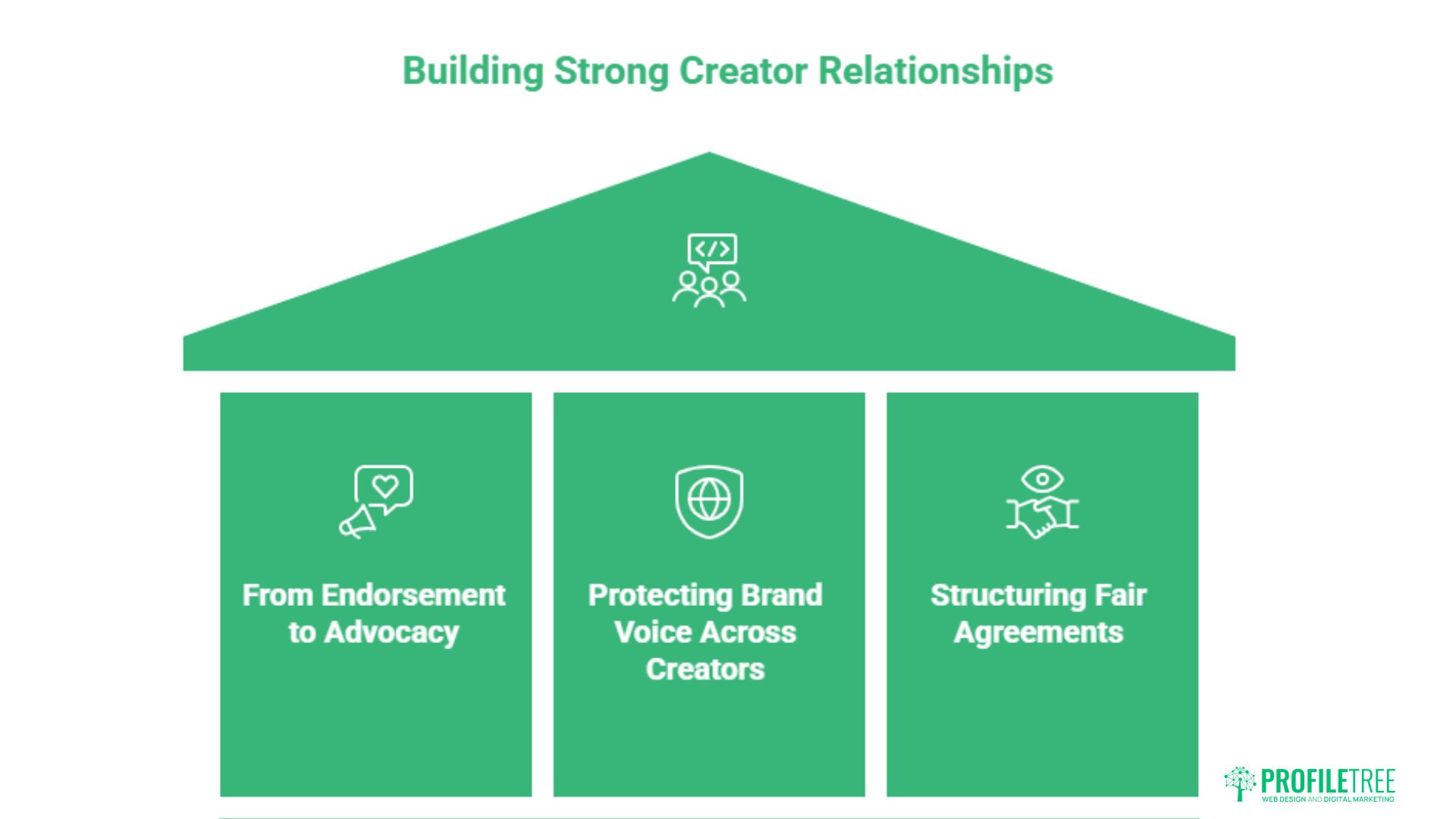
Brands are moving away from single sponsored posts towards ongoing relationships with a small number of creators. Repeated exposure builds recognition, and audiences treat a familiar creator’s recommendation as more reliable than a one-time mention.
From Endorsement to Advocacy
A creator who works with a brand for months speaks about it with the detail that a single post cannot carry. They reference real use, answer follower questions, and become a credible voice for the product. This depth is hard to fake and difficult for competitors to copy, which is part of why ambassador-style deals have spread so quickly.
Repeated exposure also compounds. The first mention registers; the fifth feels like genuine preference. Audiences who see a creator return to the same brand read it as loyalty rather than a one-off cheque. The trade-off is commitment. Long partnerships need clear briefs, agreed deliverables, and honest feedback on both sides, and they ask the brand to plan content months ahead rather than reacting week to week.
Protecting Brand Voice Across Creators
When several creators speak for one brand, tone can drift. A shared set of guidelines keeps messaging aligned without scripting every word. ProfileTree’s guidance on brand voice covers how to set those boundaries while leaving room for each creator’s style. The aim is a recognisable thread across very different personalities, not a chorus of identical scripts.
A practical brief lists the things that must stay constant, such as core claims, banned phrases, and disclosure wording, and leaves everything else open. Strong guidelines also make measurement easier, because you are comparing like with like across the roster rather than judging each post on its own terms.
Structuring Fair Agreements
Longer deals need clear terms: deliverables, timelines, usage rights, exclusivity, and payment schedule. Fair, transparent agreements keep creators motivated and reduce disputes. Many SMEs benefit from digital strategy support to set realistic budgets and goals before approaching creators, since a vague brief tends to produce vague results.
Exclusivity deserves particular thought. Asking a creator to avoid your competitors carries a cost, and that cost belongs in the fee. Payment terms also signal respect: creators talk to one another, and a brand that pays promptly earns a reputation that opens doors to better partnerships. Whatever the structure, every paid relationship now sits under disclosure rules that brands cannot afford to ignore.
UK Disclosure Rules and Compliance
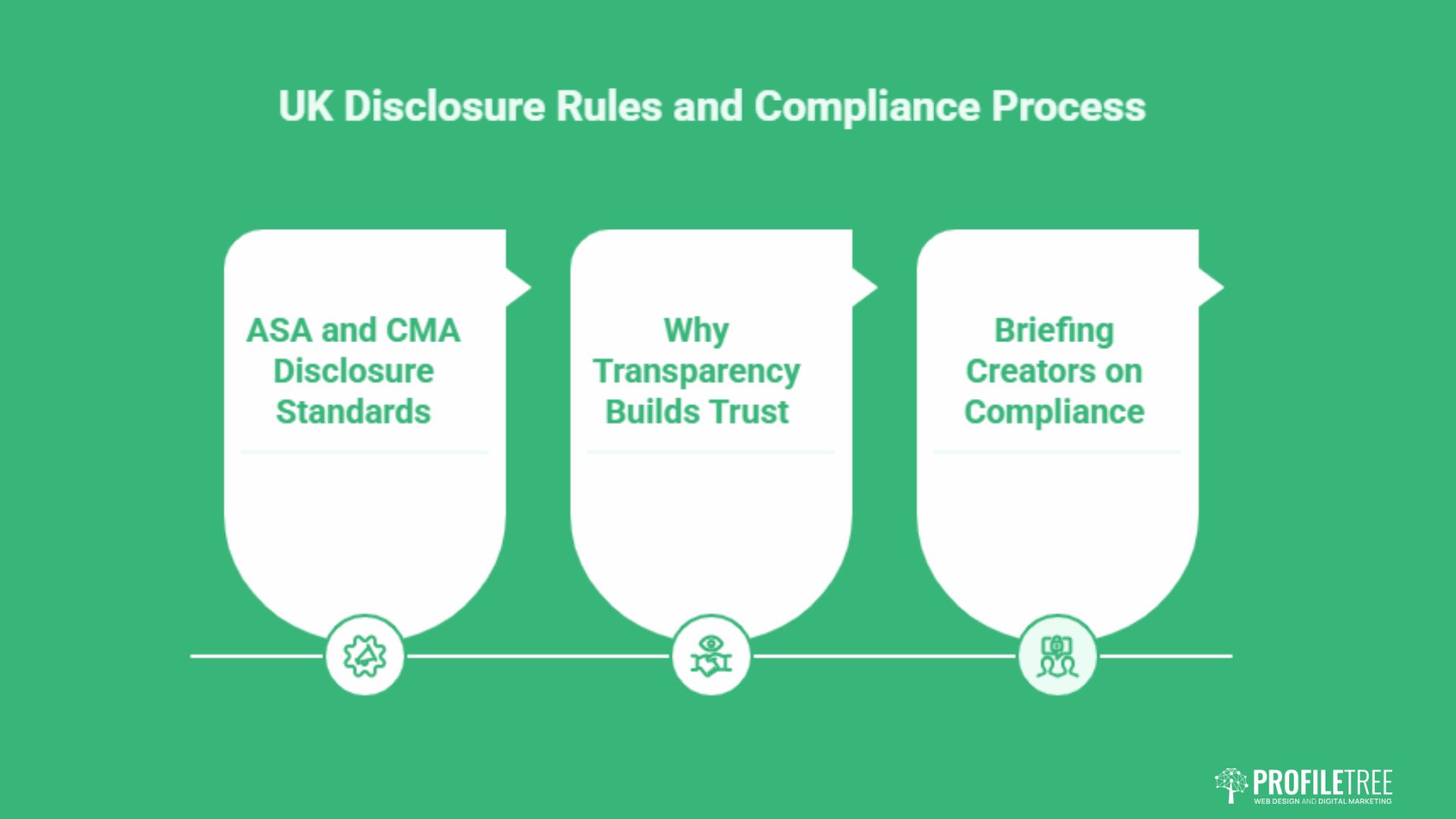
Compliance has become a defining feature of UK influencer marketing, not an afterthought. The ASA and the Competition and Markets Authority both act on hidden ads, and the cost of getting it wrong now includes reputational damage as well as regulatory action.
ASA and CMA Disclosure Standards
UK guidance is clear: any paid or incentivised post must be labelled so the audience understands it is an ad before they engage. A buried hashtag at the end of a caption does not meet that standard. Labels such as “Ad” or the platform’s “Paid partnership” tag should sit where viewers see them first, not hidden behind a “more” link or stacked among a dozen other tags. The ASA publishes rulings regularly, and the Advertising Standards Authority sets out current expectations in detail.
Free products, gift stays, and affiliate links all count as incentives, so they all need disclosure. The test is whether the creator received anything of value in return for the post. Affiliate arrangements catch many brands out, since the commission counts even when no upfront fee changes hands. When in doubt, label it.
Why Transparency Builds Trust
Clear labelling does not weaken a campaign. Audiences already assume that polished posts are paid, and honest disclosure tends to raise rather than lower trust. Creators who disclose openly hold credibility longer, which protects the brands that work with them. The opposite also holds: a creator caught hiding a paid relationship loses standing fast, and the brand attached to it shares the fall.
This is one area where the legal requirement and the commercial interest point in the same direction. Disclosure is not a tax on the campaign; it is part of what makes the recommendation believable in the first place.
Briefing Creators on Compliance
The brand carries responsibility for compliance alongside the creator. Build disclosure requirements into every brief, confirm the creator understands them, and review posts before they go live. ProfileTree’s digital training helps in-house teams keep pace with changing standards, so this becomes routine rather than a scramble before each campaign.
A short pre-flight checklist saves trouble later: confirm the label wording, check that it appears before the fold, and keep a record of what was agreed. If a ruling ever lands, that paper trail shows the brand acted in good faith. Treating disclosure as a standard step, rather than an obstacle, keeps campaigns running smoothly and protects the relationships behind them.
Northern Ireland brands carry the same obligations as the rest of the UK, and local audiences are quick to notice when a campaign feels less than honest. The cultural draw of the region, from Belfast’s waterfront to the wider appeal of its top cities to visit in Northern Ireland, gives local creators material that national accounts cannot match, which makes regional partnerships both valuable and visible.
AI, Measurement, and What Comes Next
Two forces are shaping the near future of influencer marketing: AI tools that change how brands find and assess creators, and a harder focus on proving return rather than counting likes.
AI in Creator Discovery and Vetting
AI now helps brands scan thousands of accounts, flag fake followers, and predict which creators suit a given audience. Used well, it cuts the time spent on shortlisting and reduces the risk of partnering with inflated accounts. Used carelessly, it can recommend creators who look right on paper but lack genuine fit with the brand’s tone or values.
The most useful tools surface signals a manual review would miss: sudden follower spikes, comment patterns that suggest bots, or audiences based in the wrong country. Human judgment still decides the final choice. The tools narrow the field; people confirm the match by watching the content and reading the comments.
Measuring Real Return
Vanity metrics no longer satisfy marketing managers who answer to a budget. Promo codes, tracked links, and brand-lift studies now matter more than follower counts. The goal is to tie creator activity to enquiries, sign-ups, or sales, and that requires planning before the campaign rather than guesswork after it.
A simple structure works: give each creator a unique code or link, set a baseline before the campaign, and review the lift against that baseline afterwards. Even rough attribution beats counting likes.
Ciaran Connolly, founder of ProfileTree, puts it plainly: “The brands seeing the best results from creators are the ones treating influencer work as a measured channel, not a favour. They agree on what success looks like before a single post goes out, and they hold the creator and themselves to it.”
Virtual Creators and Emerging Formats
AI-generated creators are starting to appear in campaigns, offering brands full control over message and image. They raise fresh disclosure questions, since UK audiences are entitled to know when a creator is not a real person. Expect regulators to address this directly as the format grows, and brands that adopt it early should over-disclose rather than risk a ruling.
Other formats are gaining ground too, from live shopping streams to creator-led podcasts and newsletters that sit outside the main social platforms. The common thread is depth: audiences reward creators who give them something substantial rather than a quick plug.
Conclusion
The brands winning with creators in the UK treat the work as a measured channel built on trust, clear disclosure, and the right format for the audience. Smaller creators, short videos, and longer partnerships all reward businesses that plan properly. ProfileTree helps SMEs across Northern Ireland, Ireland, and the UK build creator campaigns that stay compliant and deliver real results. Talk to our team to plan your next campaign.
FAQs
Why has influencer marketing become so popular with UK brands?
It reaches defined audiences through voices that those audiences already trust. For SMEs, smaller creators offer strong engagement at a manageable cost.
What are the current influencer marketing trends?
The main shifts are towards micro and nano creators, short vertical video, long-term partnerships, AI-assisted vetting, and stricter disclosure under UK rules.
How do UK disclosure rules affect influencer posts?
Any paid or gifted content must be clearly labelled as an ad before the audience engages. Both the brand and the creator share responsibility for compliance.
Are micro influencers better than larger accounts?
For most SMEs, yes. Micro and nano creators tend to drive higher engagement and stronger niche relevance than large, general-audience accounts.
How do you measure influencer marketing return?
Use promo codes, tracked links, and brand-lift measures rather than follower counts. Agree on success metrics before the campaign begins.