
Video Marketing Belfast | ProfileTree Video Production & Strategy
Most businesses that come to us have already spent money on a video that nobody watched. A production company filmed something polished, handed it over, and that was the end of it. No distribution plan, no SEO, no channel strategy. The video sits on a homepage and quietly gathers dust.
ProfileTree, a Belfast-based video marketing agency, works differently. We treat production as one part of a broader strategy: what gets filmed, where it goes, how it ranks, and what it needs to do for your business. Since 2011 we’ve delivered over 500 video projects for companies across Northern Ireland, Ireland, and the UK, and we’ve grown three YouTube channels to more than 250,000 subscribers combined.
This page explains what our video marketing service actually includes, what types of video suit different business goals, and what working with us looks like from first conversation to published content.
Video Production
Video Marketing
What ProfileTree's Video Marketing Service Includes
Video marketing is not a single product. It's a set of connected activities that run from strategic planning through to distribution and performance measurement. Here is what our service covers.
Video Strategy
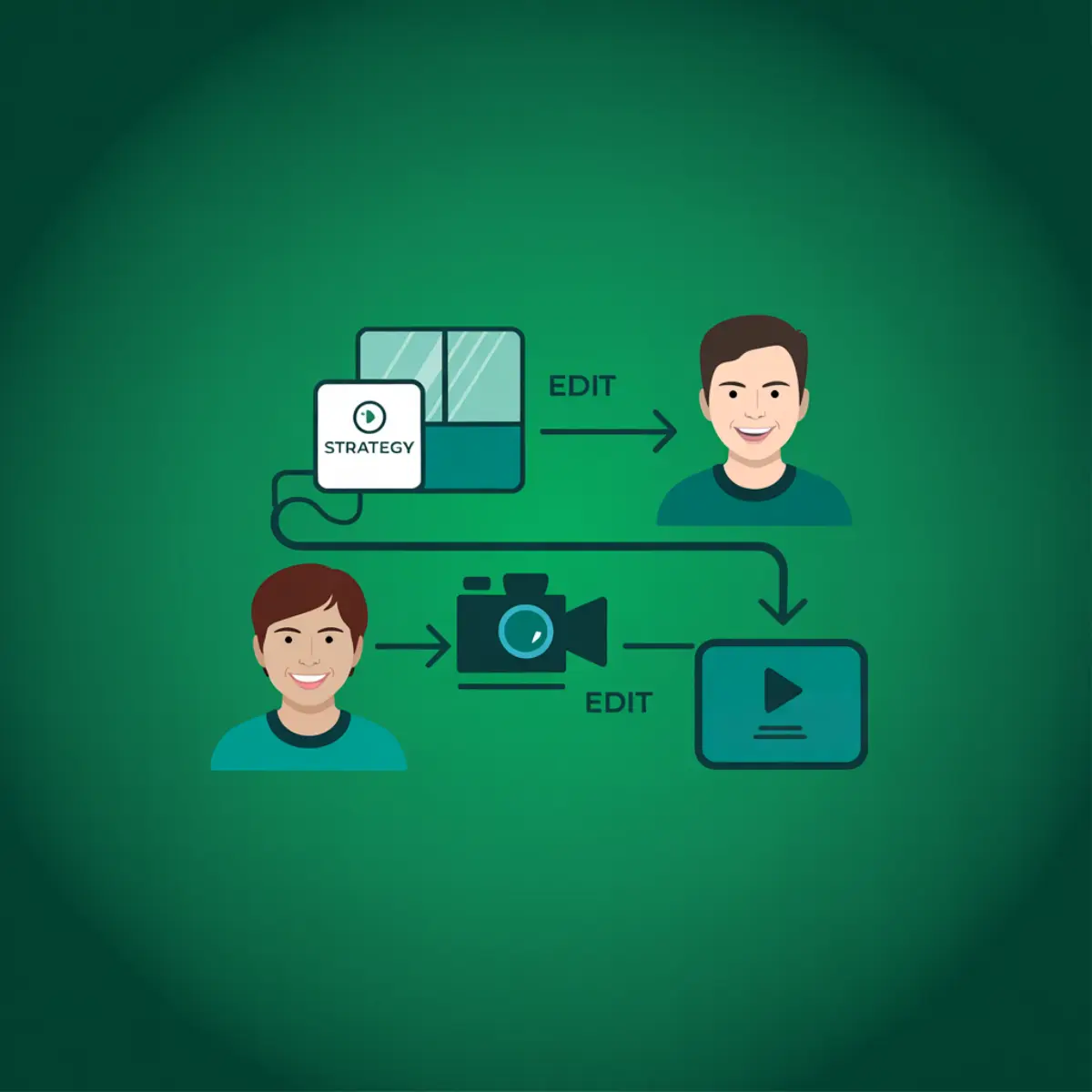
Before any filming starts, we work out what the video needs to achieve and who it needs to reach. That means looking at your existing content, your customer journey, what your competitors are producing, and where video can close a gap. We build a content plan that gives every video a purpose and a distribution route, rather than just a brief.
Video Production Belfast
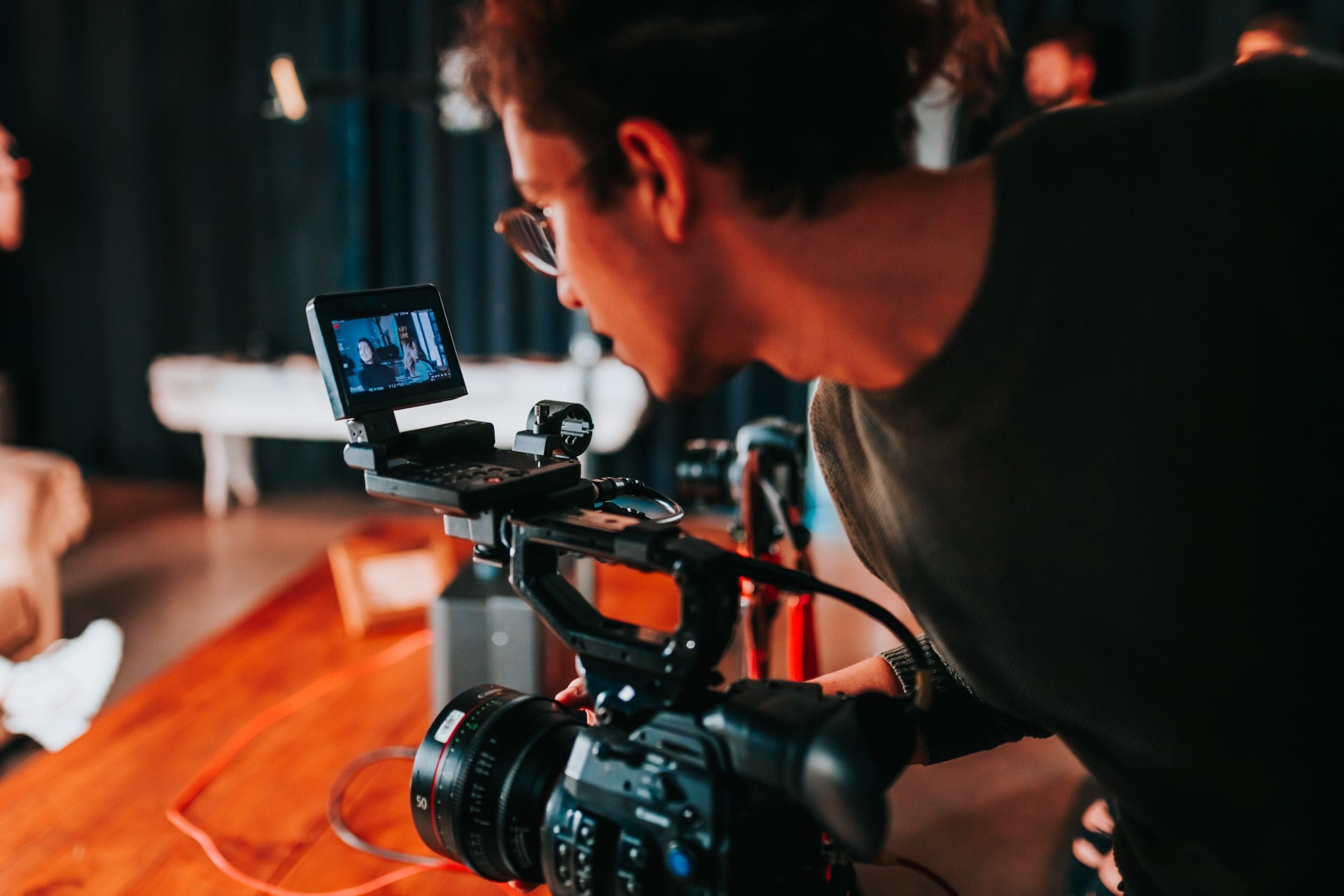
Our production team films on location across Northern Ireland: Belfast offices, Antrim factories, Derry retail spaces, and anywhere else your business operates. We handle scripting, filming, editing, colour grading, and sound design. Most filming sessions wrap in half a day, with minimal disruption to your team.
For corporate video Belfast clients, we also manage pre-production fully: location scouting, call sheets, on-screen talent direction, and graphics packages. The brief stays tight; costs stay controlled.
Animation via Educational Voice
Where live action isn’t the right fit, we work with Educational Voice, our sister animation studio, to produce 2D animated content. This is particularly useful for explaining processes, products, or services that are difficult to film, or for brands that want a consistent visual identity across content without repeated production days. Educational Voice has an established track record in animated e-learning and explainer video for businesses across Ireland and the UK.
YouTube Marketing and Channel Management
A YouTube video that isn’t optimised is effectively invisible. We set up and manage channels, write titles and descriptions built for search, produce thumbnails that generate clicks, build out playlists, and track subscriber and view growth over time. For businesses starting from scratch, we can grow a channel from zero. For businesses with an existing presence, we audit what’s there and fix what’s holding performance back.
Video SEO
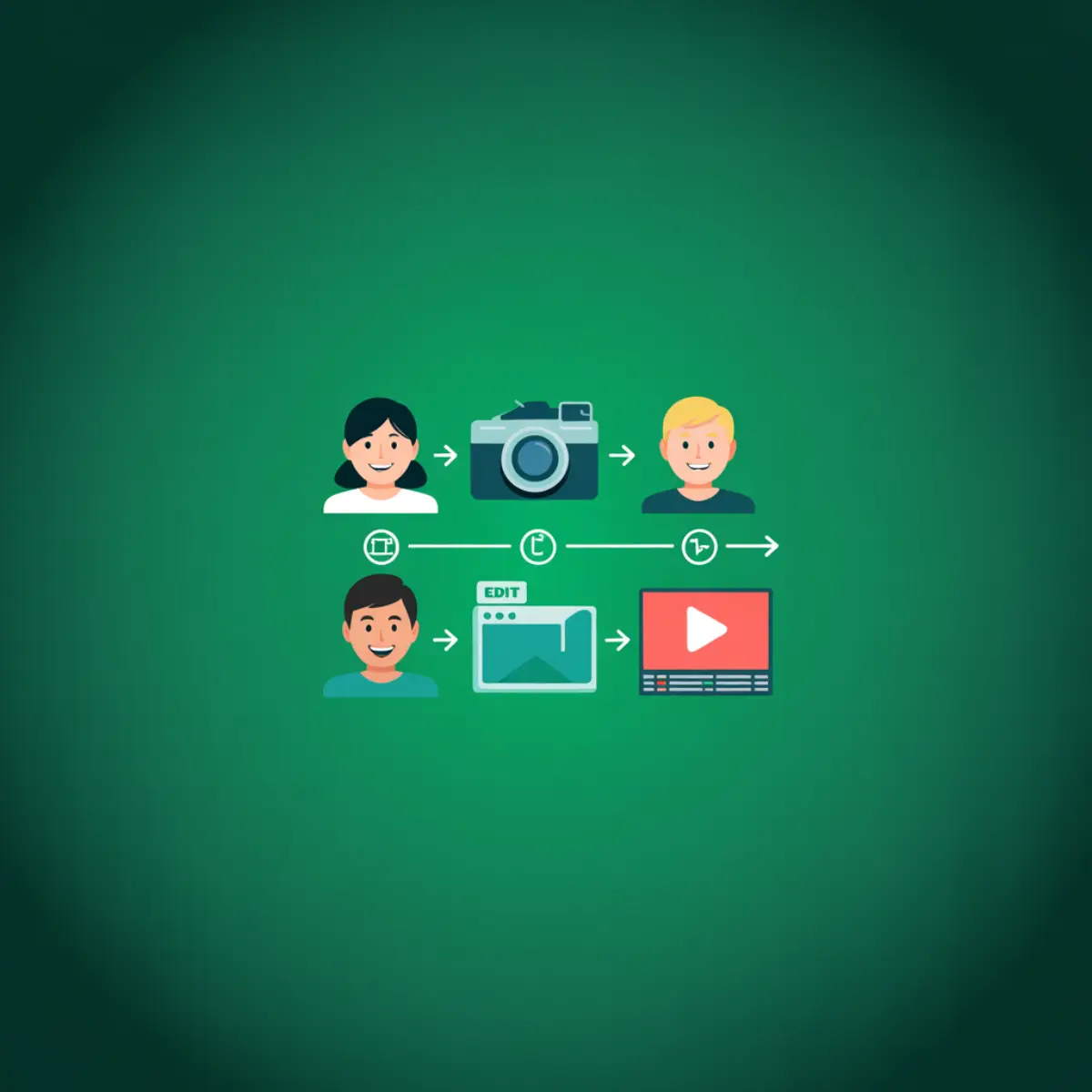
Video SEO is the practice of getting your video content to appear in Google and YouTube search results for the right queries. This includes keyword research specific to your service area, metadata optimisation across every upload, schema markup for your website’s video embeds, and integration with your Google Business Profile. A Belfast restaurant shouldn’t just have a great video. It should appear when someone searches “best restaurants Belfast” and sees your video in the results.
Social Media Video
Different platforms have different requirements. A 90-second brand film that works on your website won’t automatically perform on Instagram Reels or TikTok. We produce platform-specific edits from the same shoot: square crops for Facebook, vertical cuts for Instagram, captioned clips for LinkedIn. This stretches the value of a single production day significantly.
Our social media marketing service covers the broader distribution and paid promotion strategy that sits alongside this content.
Video as Part of Content Marketing
Video doesn’t sit in isolation. The same filming day that produces a brand film can also generate blog content, social clips, email campaign assets, and material for case studies. We work this into our content marketing service so that production investment goes further. A single day on location can produce content that feeds a content calendar for months.
“Most businesses think video is a production problem. It isn’t. It’s a distribution problem. Getting the footage right matters, but getting it seen by the right people in the right places is what drives results. That’s what we’ve been building systems for since 2011.” — Ciaran Connolly, Founder, ProfileTree
What Type of Video Does Your Business Need?
The right video format depends on where your audience is, what you’re trying to achieve, and what stage of the buying journey you’re targeting. The table below gives a practical starting point.
| Video Type | Best For | Typical Use | Distribution |
| Brand film | Businesses building trust or credibility | Homepage, About page | Website, LinkedIn, YouTube |
| Product demo | Retailers, manufacturers, e-commerce | Product pages, sales emails | Website, YouTube, email |
| Customer testimonial | Any business with happy clients | Social proof, proposals | Social media, website |
| Explainer / animation | Complex products or services | Landing pages, onboarding | Website, paid ads |
| Social media clips | Businesses active on Facebook, Instagram, TikTok | Platform feeds, ads | Instagram, TikTok, Facebook |
| Educational series | Businesses building topical authority | YouTube channel, blog embeds | YouTube, website |
| Corporate / internal | Larger organisations | Recruitment, training, investor comms | Internal channels, LinkedIn |
If you’re not sure which format fits your goals, that conversation is exactly what our initial strategy session is for. We’ll tell you honestly if video isn’t the right move at this stage, and what would serve you better.
How a Video Project Works: From Brief to Delivery
Here is what working with us looks like in practice, from the first conversation through to content that's live and performing.
Week 1
We start with a conversation about your business goals, audience, and what you already have in place. We look at your existing content, your website performance, and any previous video work. By the end of this stage, we've agreed on the video type, the distribution plan, and the success metrics. Nothing gets filmed until the brief is solid.
Week 2
We handle scripting, location scouting, shot lists, and scheduling. For corporate video Belfast projects, we coordinate with your team on participants, messaging, and any brand guidelines. For animation projects, this is the storyboard and script approval stage before work begins with Educational Voice.
Week 3
Our crew arrives with professional cameras, lighting, and audio equipment. Most Belfast filming sessions run for half a day and cause minimal disruption. We direct on-camera participants, manage the schedule, and capture B-roll and supporting footage in the same session.
Week 4
Post-production includes editing, colour grading, sound design, music licensing, and any graphics or motion work. You receive a first cut for review, with revisions handled until the final version meets the brief. We then prepare platform-specific exports: a website version, social media cuts, and YouTube-optimised files with all metadata included.
Ongoing
Publishing the video is not the end. We optimise every upload for search, monitor performance data across platforms, and report on views, engagement, and any leads or conversions the content generates. For retainer clients, we build this into a monthly content cycle rather than treating each video as a one-off project.
Video Production Costs and Timelines: What to Expect
We don’t publish fixed prices because every brief is different. A 90-second brand film for a Belfast restaurant involves different logistics, talent, and post-production time than a series of product demonstration videos for a County Antrim manufacturer. What we can give you here is a realistic sense of what different types of project involve.
| Project Type | Typical Timeline | What Affects Cost |
| Social media clips (3–5 short videos) | 2–3 weeks | Number of locations, editing complexity, platform edits required |
| Brand or corporate film (1–3 minutes) | 3–4 weeks | On-camera participants, scripting requirements, graphics work |
| Product demo series (5–10 videos) | 4–6 weeks | Number of products, B-roll requirements, voiceover or subtitles |
| Animated explainer video | 4–6 weeks | Duration, complexity of illustration, voiceover and sound design |
| YouTube channel build (ongoing) | Monthly retainer | Upload frequency, thumbnail design, keyword research, analytics review |
Contact us for a quote based on your specific brief. We’ll give you a realistic figure before any commitment is made.
Ready to Transform Your Business with Video? Start Your Video Project Today.
Video Marketing FAQs
Corporate video Belfast projects vary depending on the scope. A straightforward brand film with one location, one filming day, and a single edited output typically starts from a few thousand pounds. Projects involving multiple locations, on-camera talent, motion graphics, or a full series will cost more. The best way to get an accurate figure is to share a brief with us. We’ll quote based on what you actually need, not a one-size package.
Start with the question that matters most to your business right now. If you need to build trust with a new audience, a brand film or customer testimonial is usually the right starting point. If you have a product that’s hard to explain, an animated explainer or demonstration video will do more work than a written page. If you want to grow an audience over time, a YouTube content series gives you compound value that a one-off production can’t match. We’ll help you work this out before any filming is agreed.
Video performs best when it has a home and a distribution plan. Embedding video on the relevant service or product page on your website helps with search rankings and keeps visitors engaged for longer. Publishing on YouTube with properly optimised metadata puts your content in front of people searching for what you offer. Sharing platform-specific edits on social media extends reach without additional production spend. The key is connecting each video to a clear goal and a defined audience, rather than publishing and hoping.
Video SEO is the process of making your video content visible in search results on Google and YouTube. This means researching the specific search terms your target audience uses, writing titles and descriptions that include those terms, adding accurate closed captions to improve indexability, embedding videos on relevant web pages with schema markup, and integrating your YouTube channel with your Google Business Profile. Done properly, video SEO means the right people find your content when they’re actively looking for what you offer.
Most single-video projects run over three to four weeks from confirmed brief to final delivery. That covers scripting and pre-production, the filming day itself, editing, client review, and final export. Animated video projects typically take four to six weeks due to the storyboarding and illustration stages. Ongoing retainer projects work to a monthly content cycle, with filming sessions batched to produce multiple pieces of content efficiently. Rush timelines are sometimes possible; contact us to discuss.

Web Design
We design stunning, user focused websites that present your brand beautifully and convert visitors into customers.

Web Development
We use the latest development tools to build websites that are optimised for peak performance at all times.

Website Hosting
We manage everything from site updates and reports to hosting, allowing you to focus on running your business.

Search Engine Optimisation
Using the latest SEO techniques, we help your brand get found for the right terms and by the right people.

Digital Marketing Strategy
Navigate the digital landscape with a marketing strategy. Our team crafts comprehensive plans that resonate with your target audience, drive engagement, and boost conversions.

Digital Marketing Training
Elevate your digital proficiency. Our in-depth training sessions equip your business with cutting-edge digital marketing techniques to outperform competitors and thrive online.

Social Media Strategy
Captivate and grow your social following. We create tailored social media strategies that ignite engagement, amplify your brand's online presence, and foster lasting connections.

Email Marketing Solutions
Harness the power of your mailing list. Our precision-targeted email marketing campaigns are engineered to nurture relationships and drive tangible business outcomes.

Content Marketing Services
Elevate your brand with our content marketing mastery. From thought-provoking blogs to eye-catching infographics, we craft content that captivates, informs, and converts your ideal audience.

Video Production
Capture your audience with compelling video content. Our production team creates visual stories that engage, inform, and leave a lasting impression.

Brand Storytelling
Bring your brand's story to life with authenticity. We craft compelling narratives that strike a chord with your audience, forging a powerful emotional bond with your brand.

Content Strategy Development
Strategic content that drives action. We develop content strategies that align with your business goals, ensuring every piece of content counts.

AI Training
Empower your business with AI expertise. Our tailored training demystifies AI, equipping your team with the knowledge to leverage its potential for growth and innovation.

AI Chatbots
Transform customer service with AI chatbots. We develop sophisticated chatbots that elevate user experience, streamline interactions, and deliver unparalleled efficiency.

AI Marketing
Transform your reach with AI-driven marketing. Harness data-driven insights for laser-targeted campaigns that captivate, engage, and convert your audience.

AI Tools for Business
Optimise your operations with cutting-edge AI tools. We integrate intelligent solutions that streamline processes, enhance efficiency, and support data-driven decision-making.
Join Our Mailing List
Grow your business with expert web design, AI strategies and digital marketing tips straight to your inbox. Subscribe to our newsletter.