
Business Tourism: The Complete Guide to MICE, Impact and Strategy
Table of Contents
Business tourism is one of the most economically productive forms of travel in the world, yet it remains poorly understood by many of the businesses that stand to benefit most from it. Widely classified under the MICE acronym (Meetings, Incentives, Conferences, and Exhibitions), business tourism describes the full ecosystem of professional travel driven by commercial purpose rather than personal leisure. It covers everything from a founder flying to Edinburgh for a partnership meeting to a three-thousand-delegate industry conference filling a city’s hotels for three days.
At ProfileTree, a Belfast-based digital agency, we have worked with businesses across Northern Ireland, Ireland, and the UK operating in and adjacent to the travel and tourism marketing sector for over a decade. In 2026, business tourism is being rebuilt in a more strategic, technology-enabled, and sustainability-conscious form, making it more relevant than ever for SMEs, corporate travel managers, and event planners alike.
What Is Business Tourism? Definition and the MICE Framework
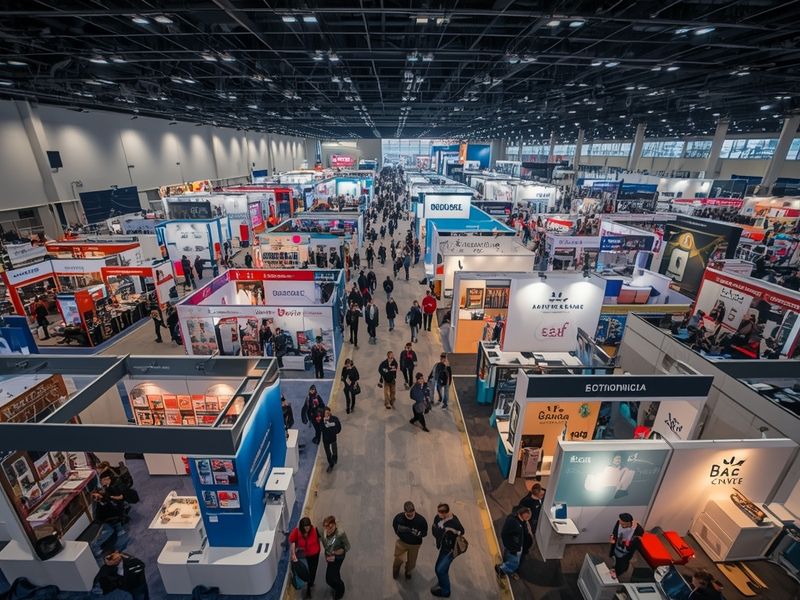
Business tourism is a broad sector, and understanding its component parts is the necessary starting point before examining the economic and strategic implications. The MICE framework is the most widely used classification system in the industry. For destinations, it provides a lens through which to plan investment in venues, transport, and accommodation. For businesses, it clarifies which type of event serves which commercial purpose. ProfileTree’s guide to tourism marketing strategies explores how destinations attract each of these audiences digitally.
Meetings
Meetings in the context of business tourism refer to organised gatherings between professionals, whether within a single organisation or across multiple companies. These range from small internal strategy days to large cross-company summits. In 2026, distributed and remote-first teams have made the physical meeting more valuable, not less. When teams that ordinarily work across different cities or time zones come together in person, the depth of collaboration achieved in a single day often exceeds weeks of remote communication.
Incentives
Incentive travel is used by organisations as a performance reward tool. High-performing employees or partners are offered travel experiences as recognition of results achieved. This form of business tourism is closely linked to the hospitality and luxury travel sectors, carrying a dual economic function: rewarding individuals while stimulating destination economies. UK businesses increasingly use incentive travel to retain talent in competitive sectors such as technology, financial services, and professional services.
Conferences
Conferences are large-scale, structured events centred on a specific theme, profession, or industry. They typically combine keynote presentations, panel discussions, workshops, and networking sessions. For industries including technology, healthcare, education, and finance, conferences are where trends are set, partnerships are formed, and reputations are built. The UK hosts thousands of conferences annually, with venues such as the ExCeL in London, the NEC in Birmingham, and the Belfast Waterfront serving as major hubs for business tourism in their respective regions.
Exhibitions
Exhibitions and trade shows provide a commercial platform where businesses showcase products and services to buyers, distributors, and media. Unlike conferences, which focus on content and learning, exhibitions are primarily about commercial transactions and brand visibility. For manufacturers, technology companies, and consumer brands, exhibiting at the right trade show can generate months of pipeline in a single event. Business tourism centred around exhibitions drives substantial spend on logistics, stand design, travel, and accommodation.
| MICE Category | Primary Purpose | Typical Scale | Key UK Examples |
|---|---|---|---|
| Meetings | Strategy, alignment, decision-making | Small to medium | Corporate retreats, board meetings |
| Incentives | Reward and motivation | Small groups | Luxury travel programmes |
| Conferences | Knowledge sharing, networking | Medium to large | Belfast Waterfront, ExCeL London |
| Exhibitions | Sales, brand visibility | Large | The NEC Birmingham, Olympia London |
The Economic Impact of Business Tourism: Why the Numbers Matter
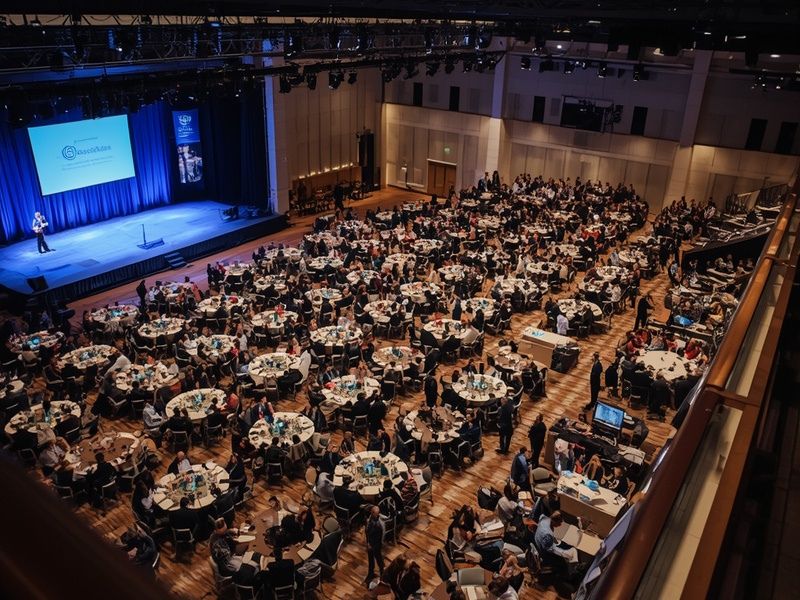
Business tourism punches well above its weight economically. The per-visitor spend from a business traveller is consistently three to four times higher than that of a leisure tourist, making it a disproportionately valuable segment for hotels, transport operators, restaurants, and event venues. Understanding this scale is important context for businesses, policymakers, and destinations alike. The structural challenges destinations face in growing this sector are explored in ProfileTree’s interview with consultant Mike Ball on overcoming tourism sector challenges.
Global Economic Footprint
Before the COVID-19 pandemic reshaped global mobility, business tourism was one of the fastest-growing segments of the travel industry. According to data from the Global Business Travel Association, business travel spending reached approximately $1.4 trillion in 2019. The World Travel and Tourism Council estimated that business travel accounted for 21% of all global tourism spending in the same year. Business tourism contributed an estimated $1.1 trillion to global GDP in 2019, representing around 6.7% of total economic output, while supporting 100 million jobs worldwide. The Events Industry Council estimated that the meetings and events sector alone supported over 26 million of those jobs.
The UK Business Tourism Market
In the UK, business tourism is a significant export earner. International delegates attending UK conferences and exhibitions spend on accommodation, dining, transport, and leisure activities, injecting money directly into local economies. Cities like London, Manchester, Edinburgh, and Belfast compete actively for major international association meetings because of the economic multiplier effect they generate. A single international conference of 3,000 delegates can deliver millions of pounds of economic activity to a host city within days. Destinations that invest in destination marketing through social media consistently attract more of this high-value delegate traffic than those relying on reputation alone.
In Northern Ireland specifically, tourism is worth approximately 4.9% of GDP and sustains over 40,000 jobs. Business tourism contributes a meaningful share of that figure, particularly through Belfast’s growing conference and events infrastructure.
Key Statistics at a Glance
- Business travel spending: $1.4 trillion globally in 2019 (Global Business Travel Association)
- Share of global tourism spend: 21% (World Travel and Tourism Council, 2019)
- Global GDP contribution: $1.1 trillion, or 6.7% of total output
- Jobs supported: 100 million worldwide, 26 million directly in meetings and events
- 2020 revenue loss: approximately 70%, erasing nearly $800 billion from the global economy
- Jobs lost in 2020: an estimated 44 million positions
Key Trends Reshaping Business Tourism in 2026
Business tourism in 2026 looks substantially different from 2019. Technology, sustainability, and changing workforce expectations have each reshaped how professional travel is planned, delivered, and evaluated. Businesses that understand these shifts are better positioned to extract value from their participation in the sector. The broader digital context shaping modern business tourism is covered in ProfileTree’s guide to online advertising for tourism businesses.
Hybrid Events and the New Normal
The pandemic accelerated adoption of virtual meeting tools, and the business events sector responded by developing hybrid formats that combine in-person attendance with remote participation. Rather than treating virtual engagement as a lesser alternative, forward-thinking organisers design hybrid events where both audiences receive content and networking opportunities appropriate to their format. This model extends the reach of business tourism events beyond those who can travel, increasing participation while maintaining the commercial and relationship-building value of in-person attendance. ProfileTree’s video production and marketing services are regularly used by organisations to capture and distribute event content across both live and on-demand formats, turning a single conference into months of usable content.
Bleisure: The Business and Leisure Blend
Bleisure, the practice of combining business travel with leisure time, has become a mainstream expectation among business travellers. Research from the Global Business Travel Association indicates that over half of business travellers now extend at least some trips for personal time. This trend has significant implications for business tourism: destinations that offer strong leisure and cultural experiences alongside their conference infrastructure are better positioned to attract events. For the UK, cities with rich heritage, arts, and food scenes, including Belfast, Edinburgh, Bristol, and York, benefit substantially from this shift.
Sustainability and Green MICE
Sustainability has moved from a peripheral consideration to a central procurement criterion in business tourism. Corporate travel policies increasingly include carbon budgets, and event organisers face pressure from clients and delegates to demonstrate environmental responsibility. Green MICE practices include selecting venues with strong environmental credentials, minimising single-use materials, sourcing food locally, and offsetting unavoidable emissions. ProfileTree’s articles on sustainable tourism principles and green marketing practices explore how sustainability functions both as an operational requirement and a marketing differentiator.
Technology and AI in Business Tourism
Artificial intelligence is reshaping how business tourism events are planned and personalised. AI-driven tools assist with delegate matchmaking at conferences, enabling attendees to identify the most relevant networking contacts before an event begins. Virtual reality is being used for remote venue inspections, reducing the need for site visits while maintaining decision-making quality. ProfileTree’s work on AI for cultural heritage and tourism illustrates how emerging technology is changing what is possible across the broader tourism sector, with direct applications for event planning and delivery.
The ROI Conversation
One of the most significant shifts in business tourism is the increased focus on measurable return on investment. Businesses that send staff to conferences or exhibitions now expect clear reporting on leads generated, partnerships formed, and knowledge gained. Event organisers have responded by building more robust data capture and analytics into their programmes. For businesses evaluating whether to attend or exhibit at a particular event, the ROI framework has replaced simple brand presence as the primary decision criterion.
| Trend | Business Impact | UK Opportunity |
|---|---|---|
| Hybrid Events | Wider reach, lower attendance barriers | Distribute event content globally via video |
| Bleisure Travel | Longer stays, higher spend per visitor | Destinations with culture and leisure win |
| Green MICE | Sustainability as a procurement requirement | Accreditation and green venue investment |
| AI and Technology | Smarter matchmaking and planning | AI tools for personalisation and ROI tracking |
| ROI Focus | Accountability for travel spend | Clearer event selection and reporting criteria |
Business Tourism Strategy for SMEs and Growing Businesses
Business tourism is not the exclusive territory of large corporations. For SMEs, strategic participation, whether as attendees, exhibitors, or event organisers, can accelerate growth in ways that digital marketing alone cannot replicate. The face-to-face dimension of business tourism creates trust and commercial momentum that remote relationships struggle to match. ProfileTree’s guide to digital marketing for travel agencies covers many of the digital tools that complement a physical event strategy.
Choosing the Right Events
The first strategic decision in any business tourism plan is identifying which events are worth attending or exhibiting at. Not all conferences deliver equal value, and the cost of travel, accommodation, and staff time requires careful evaluation. The key criteria are topical relevance (does the audience match your target client profile?), delegate quality (are the right decision-makers present?), format (does the event create genuine networking opportunities or just passive content consumption?), and return potential (have previous attendees reported tangible business outcomes?).
Maximising Value at Business Events
Attending a conference or exhibition without preparation is one of the most common mistakes SMEs make in business tourism. The businesses that generate the best return invest time before the event in identifying who they want to meet, prepare their team with clear objectives, follow up consistently within 48 hours of meeting new contacts, and document outcomes for internal review. Understanding how to communicate effectively in high-stakes face-to-face settings is directly relevant here; ProfileTree’s guide to mastering the communication cycle covers the principles that apply equally well in a conference room as in any other professional context.
Using Search to Support Event Activity
A potential client met at a conference will search for your business online within hours of that conversation. Your search presence determines whether a warm connection converts or goes cold. ProfileTree’s guide to search engine marketing for tourism businesses provides a practical framework for ensuring that organic search performance supports business development activity, including the post-event discovery phase. Businesses with a strong SEO strategy in place are better positioned to convert the interest generated by business tourism into measurable commercial outcomes.
Hosting Your Own Business Events
For established SMEs with genuine expertise to share, hosting a business event can position the company as a sector authority in ways that paid advertising rarely achieves. A well-run workshop, seminar, or small conference creates genuine value for attendees, generates press coverage, builds an email list, and produces content that can be repurposed across multiple channels. The barrier to entry is lower than many businesses assume, particularly for regional events targeting Northern Ireland or broader UK audiences.
“The clients we see generating the best business development outcomes from events are those who treat attendance as a campaign, not a day out. They plan their objectives in advance, create content around the event, and follow up with a clear process. Business tourism works best when it is integrated with a broader digital strategy.” — Ciaran Connolly, Founder, ProfileTree
The Impact of COVID-19 on Business Tourism and the Road to Recovery
No sector of the travel and hospitality industry was hit harder by COVID-19 than business tourism. The combination of travel restrictions, social distancing requirements, and corporate travel bans brought the MICE sector to an almost complete standstill in 2020 and 2021. Understanding the nature of that disruption, and how the sector has since adapted, is important context for anyone planning a business tourism strategy today.
The Scale of Disruption
In 2020, business travel revenue fell by approximately 70%, erasing nearly $800 billion from the global economy. An estimated 44 million sector jobs were lost or furloughed. For venues, airlines, hotel groups, and event organisers, the financial impact was severe and in some cases permanent. Many smaller independent venues and event businesses did not survive the closures, consolidating the market around larger operators with the financial resilience to weather the shutdown.
Digital Adoption and Its Limits
The pandemic forced rapid adoption of video conferencing and virtual event platforms. Businesses that had resisted remote meeting culture for years found themselves running entire operations through screens within weeks. This digital acceleration delivered genuine productivity gains in some areas, but it demonstrated clearly what virtual formats cannot replicate. The spontaneous conversations in a conference corridor, the trust built over a shared meal, and the energy of a well-run live event are not reproducible through a screen. The recovery of business tourism has been driven in part by widespread recognition of precisely what was lost when physical events stopped.
Hybrid Models and Future Resilience
The business tourism sector has emerged from the pandemic with more resilient and flexible delivery models. Hybrid events, contingency planning for future disruptions, and investment in broadcast-quality streaming infrastructure have become standard considerations for serious event organisers. The lesson for businesses is that digital capability and in-person connection are complementary, not competing. The most effective business tourism strategy in 2026 integrates physical events with strong digital amplification before, during, and after each event.
Building a Business Tourism Strategy That Works
Business tourism remains one of the most powerful drivers of economic activity, professional development, and commercial growth available to businesses operating in the UK and globally. In 2026, the sector is evolving into something more intentional, more technology-enabled, and more sustainability-conscious than what preceded the pandemic. Businesses that approach business tourism as a deliberate part of their growth strategy, integrating event activity with clear ROI frameworks, consistent follow-up, and a digital presence that supports conversion, will generate significantly better returns than those who treat event attendance as an ad hoc activity.
For businesses in Northern Ireland and across the UK, ProfileTree offers the digital expertise to ensure that business tourism activity translates into measurable outcomes. From search visibility that captures post-event interest to video content that extends the life of conference participation, the most effective approach treats physical events and digital strategy as two parts of the same plan.
Business tourism will continue to grow as the global economy becomes more interconnected and as organisations recognise that the strongest professional relationships are built and sustained through face-to-face interaction. The question for most businesses is not whether to invest in business tourism, but how to do so with the strategy and infrastructure to make every event count.
FAQs
What is the difference between business tourism and leisure tourism?
Business tourism is travel for professional purposes: meetings, conferences, exhibitions, or incentive programmes. Leisure tourism is travel for rest and personal enjoyment. The key practical difference is spend: business tourists typically spend three to four times more per day than leisure visitors.
What does MICE stand for?
MICE stands for Meetings, Incentives, Conferences, and Exhibitions. It is the standard industry acronym for the four main categories of business tourism. Some professionals now prefer the term Business Events as it is more self-explanatory to general audiences.
How has business tourism changed since COVID-19?
Hybrid formats are now standard, sustainability is a procurement requirement, and ROI measurement expectations have increased significantly. Delegates are more selective about in-person attendance, so the quality of the live event experience matters more than it did before 2020.
Why is business tourism important for the UK economy?
It generates export income through international delegate spending, creates a multiplier effect for host cities, and supports tens of thousands of jobs in hospitality, venues, transport, and event management across the country.
How can SMEs benefit from business tourism?
Select events where your target clients are present, set clear objectives before attending, follow up with new contacts within 48 hours, and ensure your digital presence supports conversion after the event. If you have genuine expertise to share, hosting your own small-scale event builds authority quickly.
What role does technology play in modern business tourism?
AI tools support delegate matchmaking, scheduling, and post-event analytics. Virtual reality enables remote venue inspections. Event apps deliver personalised schedules and real-time networking suggestions. Technology makes business tourism more measurable without removing the value of in-person connection.