
SEO for Restaurants: Fill More Tables Through Search
Table of Contents
When someone’s hungry and looking for somewhere to eat, they reach for their phone. “Restaurants near me,” “best Italian Belfast,” “Sunday lunch Derry”—these searches happen thousands of times daily, and the restaurants appearing in those results fill their tables while competitors stay empty.
SEO for Restaurants differs from other industries because intent is immediate. Someone searching for a restaurant typically wants to eat within hours, not weeks. They’re making quick decisions based on what appears in search results, what photos look appetising, what reviews say, and whether they can book easily. The window between search and decision is minutes, not days.
The good news for independent restaurants is that local search rewards genuine local presence over marketing budgets. A neighbourhood bistro with a well-optimised Google Business Profile and strong reviews can outrank chain restaurants for local searches. You don’t need to outspend larger competitors—you need to show up properly when nearby customers search.
ProfileTree works with hospitality businesses across Northern Ireland and beyond to build search visibility that translates into actual covers. For restaurants, that means appearing prominently when hungry people search, looking appetising when they find you, and making it easy to book or visit.
Why Search Visibility Matters for Restaurants
The restaurant industry has fundamentally changed. Walk-in traffic still matters, but an enormous proportion of dining decisions now start with a search. Understanding this shift is essential for any restaurant wanting to stay competitive.
The Mobile Search Reality
Most restaurant searches happen on mobile devices, often while people are already out. Someone is finishing shopping and is ready for lunch. A group deciding where to meet for dinner. Tourists exploring a new area. These searches have immediate intent and quick decision timelines.
Research consistently shows that “near me” restaurant searches have grown dramatically year over year. People expect to search, find options, check reviews, view photos, and make decisions within minutes. Restaurants invisible in these moments lose business they never knew existed.
Beyond Just Being Found
Appearing in search results is only the beginning. What searchers see determines whether they choose you:
- Photos: Does the food look appetising? Does the venue look appealing?
- Reviews: What do other diners say? How does the restaurant respond to feedback?
- Information: Is the menu accessible? Are opening hours clear? Can they book easily?
- Location: Exactly where are you? Is parking available?
A complete, compelling presence converts searches into bookings. A thin, outdated profile sends customers elsewhere.
Competing with Aggregators
Restaurants face competition from delivery platforms (Deliveroo, Just Eat, Uber Eats) and booking platforms (OpenTable, TheFork) that often dominate search results for restaurant-related terms. These platforms have their place, but they take commissions and own the customer relationship.
A strong direct SEO presence means customers find you directly, book directly, and build a relationship with your restaurant rather than with a platform. This improves margins and builds a loyal customer base that sustains restaurants in the long term.
Google Business Profile for Restaurants
Your Google Business Profile is the single most important factor in restaurant local SEO. It determines Map Pack appearance, displays critical information directly in search results, and often generates more customer contact than your website.
Essential Setup
Business Categories: Select the most accurate primary category:
- Restaurant (generic, broad)
- Italian Restaurant, Indian Restaurant, etc. (cuisine-specific)
- Café
- Bar & Grill
- Fine Dining Restaurant
- Fast Food Restaurant
- Bistro
Choose based on what you primarily are. A pizza restaurant should use “Pizza Restaurant” as primary, not generic “Restaurant.” Add secondary categories for additional offerings—a restaurant with significant bar trade might add “Bar” as a secondary category.
Cuisine and Attributes: Google offers extensive restaurant attributes:
- Cuisine types served
- Service options (dine-in, takeaway, delivery)
- Accessibility features
- Payment methods
- Atmosphere (casual, romantic, family-friendly)
- Amenities (Wi-Fi, outdoor seating, parking)
Complete every relevant attribute. These appear in search results and help Google match your restaurant to specific searches.
Menu Integration
Google allows menu integration directly into your Business Profile. Add your menu—it helps customers decide and provides Google with detailed information about what you serve.
Keep menu information current. Outdated menus frustrate customers and damage trust. If prices or dishes change frequently, ensure your Google menu stays updated or link to your website menu if that’s easier to maintain.
Photos That Sell
Restaurant photography significantly impacts customer decisions. Invest in quality images:
Food photos: Your best dishes, professionally lit and styled. These are what customers imagine eating. Poor food photography actively harms you—better to have fewer excellent photos than many mediocre ones.
Interior shots: Show your atmosphere. Romantic lighting for date-night restaurants, family-friendly spaces for casual dining, and stylish décor for trendy venues. Help customers picture themselves there.
Exterior photos: Help people find you. Show your shopfront, signage, and any distinctive features that help with recognition.
Team photos: Personal connection matters. Photos of chefs, front-of-house team, and owners build a relationship before customers even visit.
Add photos regularly—Google favours active profiles, and fresh photos keep your listing current and engaging.
Managing Opening Hours
Accurate opening hours are critical for restaurants. Nothing frustrates customers more than arriving to find you closed when Google said you’d be open.
Regular hours: Set standard weekly hours accurately.
Special hours: Update for bank holidays, Christmas period, and any closures. Set these in advance.
Temporary changes: If you’re closed for refurbishment, holiday, or other reasons, update your profile immediately.
Consider adding more specific information to your description—kitchen closing times if they differ from venue hours, last booking times, or any session information for busy periods.
Reservation Integration
If you use a booking system (OpenTable, ResDiary, DesignMyNight, or your own), integrate it with your Google Business Profile. The “Reserve a table” button appears directly in search results, reducing friction between search and booking.
Direct booking integration means customers can reserve without leaving Google—meeting them where they already are.
Reviews: Your Most Important Asset
Restaurant reviews influence decisions more than almost any other factor. A restaurant with 4.5 stars and 200 reviews substantially outcompetes one with 4.0 stars and 20 reviews.
Encouraging reviews:
- Train staff to mention reviews to satisfied customers
- Include review requests on receipts or bill folders
- Follow up with booking system emails requesting feedback
- Display QR codes linking to your Google review page
- Never offer incentives for reviews—this violates guidelines and customers can tell
Responding to reviews:
- Respond to every review, positive and negative
- Thank positive reviewers specifically—mention what they enjoyed
- Address negative reviews calmly and professionally
- Acknowledge problems, apologise where appropriate, and invite them to return
- Never argue or become defensive publicly
- Offer to discuss serious complaints offline
Your review responses show potential customers how you treat people. Professional, caring responses to criticism often impress more than the criticism itself.
“Restaurant customers make fast decisions based on what they see in search results. A complete Google Business Profile with appetising photos, strong reviews, and easy booking captures the customer in that moment. Everything else is secondary to getting that right.” — Ciaran Connolly, ProfileTree
Website Essentials for Restaurants
While Google Business Profile captures many searchers directly, your website remains important for detailed information, online ordering, and customers researching more thoroughly.
Critical Website Elements
Menu: Make your menu easily accessible—not buried in a hard-to-read PDF on mobile. Ideally, present menu items as HTML text that search engines can read and customers can browse easily on any device.
Include prices. Customers want to know what they’ll spend. Hiding prices frustrates people and often leads them to choose a competitor who’s transparent.
Location and directions: Embed a Google Map showing your exact location. Include written directions, parking information, and public transport options. Make it as easy as possible to find you.
Opening hours: Display prominently and keep them up to date. Match your Google Business Profile exactly.
Booking functionality: If you take reservations, make booking easy. Embed your booking system or provide clear phone/email booking options. Don’t make customers hunt for how to make a reservation.
Contact information: Phone number, email, and any social media presence. Make contact options obvious on every page.
About and story: Your history, philosophy, chef background, sourcing approach. Customers increasingly care about the story behind their meal. This content also provides text for search engines to understand what makes you distinctive.
Mobile Experience
Restaurant websites must work flawlessly on mobile. Most restaurant searches happen on phones, often by people trying to make quick decisions. If your website is slow, difficult to navigate, or hard to read on mobile, customers will find somewhere else.
Test your website on various phone sizes. Can customers easily:
- Find your menu?
- See your location?
- Make a booking?
- Call you with one tap?
Any friction loses customers to competitors who’ve made things easier.
Technical Foundations
Basic technical SEO supports visibility:
Speed: Restaurant websites with large image galleries often load slowly. Compress images, use efficient hosting, and ensure pages load quickly.
HTTPS: Security matters. An unsecured website looks unprofessional.
Local markup: Implement LocalBusiness schema with your address, phone, opening hours, and cuisine type. This helps search engines understand and display your information correctly.
Our guide to SEO fundamentals at profiletree.com/seo-basics/ covers these technical foundations.
Local SEO Strategy for Restaurants
Restaurants live or die on local search visibility. Everything else supports this core goal.
Local Keyword Targeting
Think about how customers actually search:
Cuisine + location: “Thai restaurant Belfast,” “Italian near me,” “best curry Derry”
Occasion + location: “Sunday lunch Lisburn,” “birthday dinner Belfast,” “romantic restaurant Portstewart”
Feature + location: “dog-friendly café Bangor,” “restaurant with private dining,” “vegan options Newry”
Immediate intent: “restaurants open now,” “late night food near me,” “breakfast Belfast”
Your Google Business Profile attributes and categories help you appear for these searches. Website content can target longer, more specific queries.
Building Local Citations
Directory listings reinforce your local presence:
Restaurant-specific platforms:
- TripAdvisor
- Yelp
- OpenTable
- TheFork
- Zomato
- SquareMeal
Delivery platforms (if applicable):
- Deliveroo
- Just Eat
- Uber Eats
General directories:
- Yell.com
- Thomson Local
- Yelp
- Local tourism websites
Regional directories:
- Tourism NI / Discover Northern Ireland
- Local council listings
- Regional food guides and blogs
Ensure Name, Address, and Phone number are identical across all listings. Inconsistencies confuse search engines and customers.
Hyperlocal Presence
Restaurants benefit from hyperlocal focus:
Neighbourhood targeting: Content and optimisation for your specific neighbourhood, not just city. “Cathedral Quarter restaurants” or “Botanic Avenue cafés” target specific areas.
Nearby attractions: Content connecting your restaurant to nearby venues—”dinner before SSE Arena,” “lunch near Titanic Belfast,” “pre-theatre menu options.”
Local events: Content around local events, festivals, and occasions where people might seek dining options.
Our hyperlocal SEO guide at profiletree.com/hyperlocal-seo/ details these strategies.
Local Link Building
Local links strengthen geographic visibility:
- Partner with local hotels for dining recommendations
- Connect with local tourism boards and visitor guides
- Sponsor local events or sports teams
- Build relationships with local food bloggers and journalists
- Participate in local food festivals and events
- Collaborate with neighbouring businesses
These relationships generate links while building a genuine local presence.
Content Strategy for Restaurants
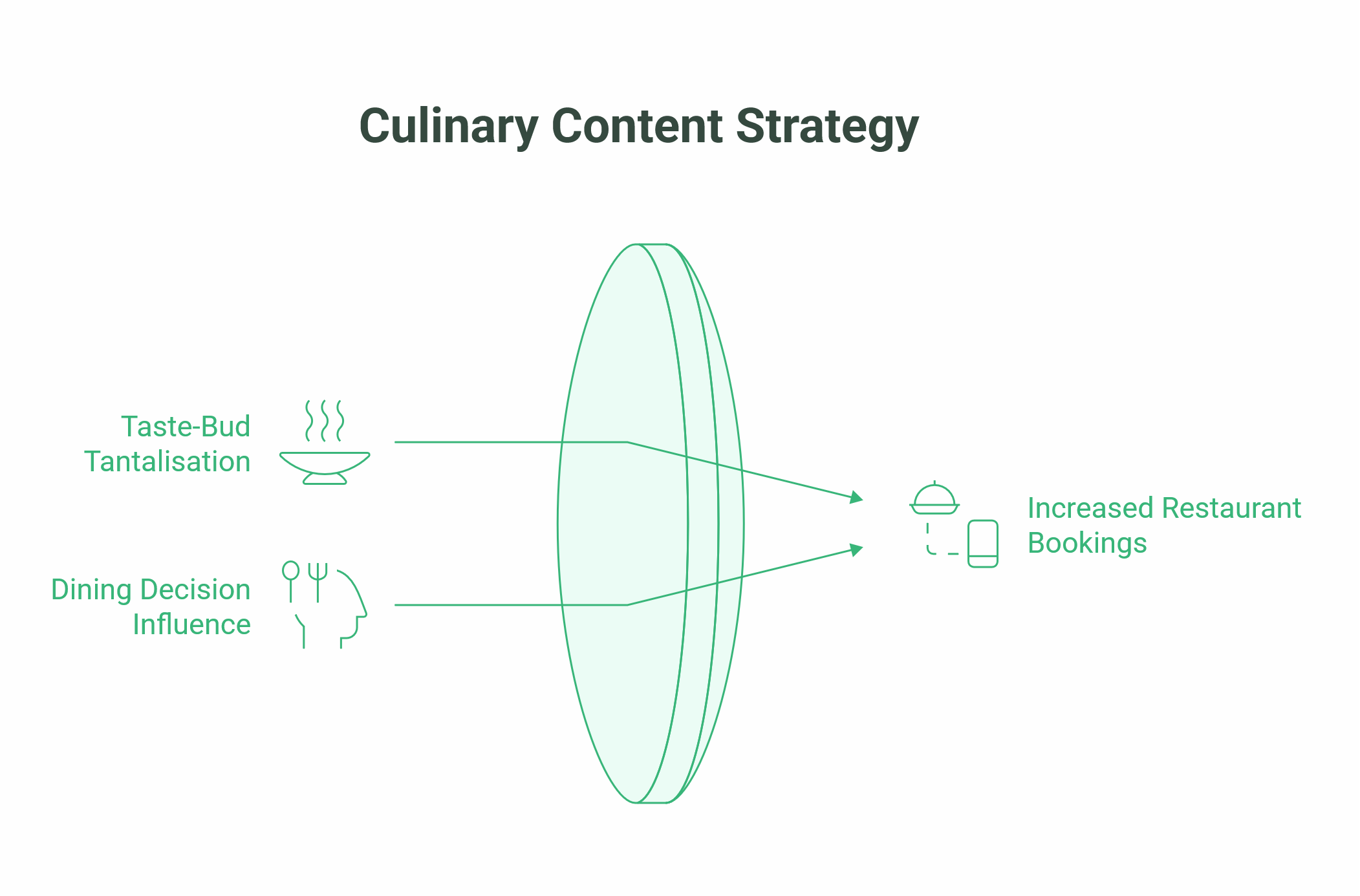
Content marketing for restaurants differs from many industries. You’re not writing lengthy guides—you’re creating content that makes people hungry and helps them choose you.
Blog and News Content
Regular content keeps your website fresh and provides ranking opportunities:
Menu updates: New dishes, seasonal menus, special offerings. Each update is content worth sharing.
Behind the scenes: Chef profiles, sourcing stories, kitchen insights. People love watching their food being made.
Event announcements: Special dinners, wine tastings, live music, themed evenings.
Local food content: Commentary on the local food scene, ingredient sourcing from local suppliers, and seasonal local produce.
Recipes: Share simplified versions of popular dishes. This builds connection and demonstrates expertise.
Visual Content
Restaurants should invest heavily in visual content:
Photography: Regular professional photography of new dishes. Build a library of appetising images for social media, website, and Google.
Video: Kitchen tours, chef interviews, dish preparation. Video content ranks in its own right and performs well on social platforms. Our video storytelling guide at profiletree.com/video-storytelling/ covers effective approaches.
User-generated content: Encourage customers to share photos. Repost the best (with permission). Authentic customer content often outperforms professional photography in terms of trust.
Seasonal and Event Content
Restaurants have natural content calendars:
Seasonal: Spring menu launches, summer outdoor dining, autumn comfort food, Christmas bookings Holidays: Valentine’s Day, Mother’s Day, Easter, Christmas party season Local events: Content timed around local festivals, concerts, sporting events
Plan content around these moments when people actively search for dining options.
Managing Multiple Platforms
Restaurants must maintain a presence across multiple platforms. Consistent, active management across all is essential.
Platform Priorities
Tier 1 (Essential):
- Google Business Profile
- Your website
- Instagram (a visual platform ideal for food)
Tier 2 (Important):
- TripAdvisor
- Booking platforms you use
Tier 3 (Valuable):
- Yelp
- Other social platforms relevant to your audience
- Local directories
Consistency Across Platforms
Maintain consistency:
- Same business name everywhere
- Identical address format
- Same phone number
- Consistent opening hours
- Similar descriptions and positioning
- Current menu information
Inconsistencies confuse both customers and search engines. Regular audits ensure everything stays aligned.
Review Management Across Platforms
Reviews appear on multiple platforms. Monitor and respond across all of them:
- Google reviews (most important for SEO)
- TripAdvisor (heavily used by tourists)
- Facebook recommendations
- Yelp
- Booking platform reviews
Set up alerts or use review management tools to ensure you don’t miss feedback across platforms.
Competing with Chains and Aggregators
Independent restaurants face competition from chain restaurants with marketing budgets and from aggregator platforms that dominate search results.
Your Advantages
Independent restaurants have genuine advantages in local SEO:
Authenticity: Real local story, genuine character, personal ownership. Customers increasingly value authenticity over corporate consistency.
Local knowledge: You understand your neighbourhood, your customers, and your community. This means that content and presence chains can’t be replicated.
Agility: You can respond quickly to local events, seasonal opportunities, and customer feedback. Chains move slowly.
Relationships: Personal connections with regular customers, local suppliers, and community organisations. These relationships generate reviews, links, and word of mouth that compound over time.
Differentiation Strategy
Focus on what makes you different:
Specific cuisine or style: Being the best at something specific beats being generically good at everything.
Particular occasions: Position for specific uses—date night, family celebrations, business lunches, casual weeknight dinners.
Unique features: Chef’s background, sourcing philosophy, historic building, and unique ambience. What can customers only get from you?
Local connection: Local ingredients, local employment, community involvement. These stories resonate and differentiate.
Measuring Restaurant SEO Success
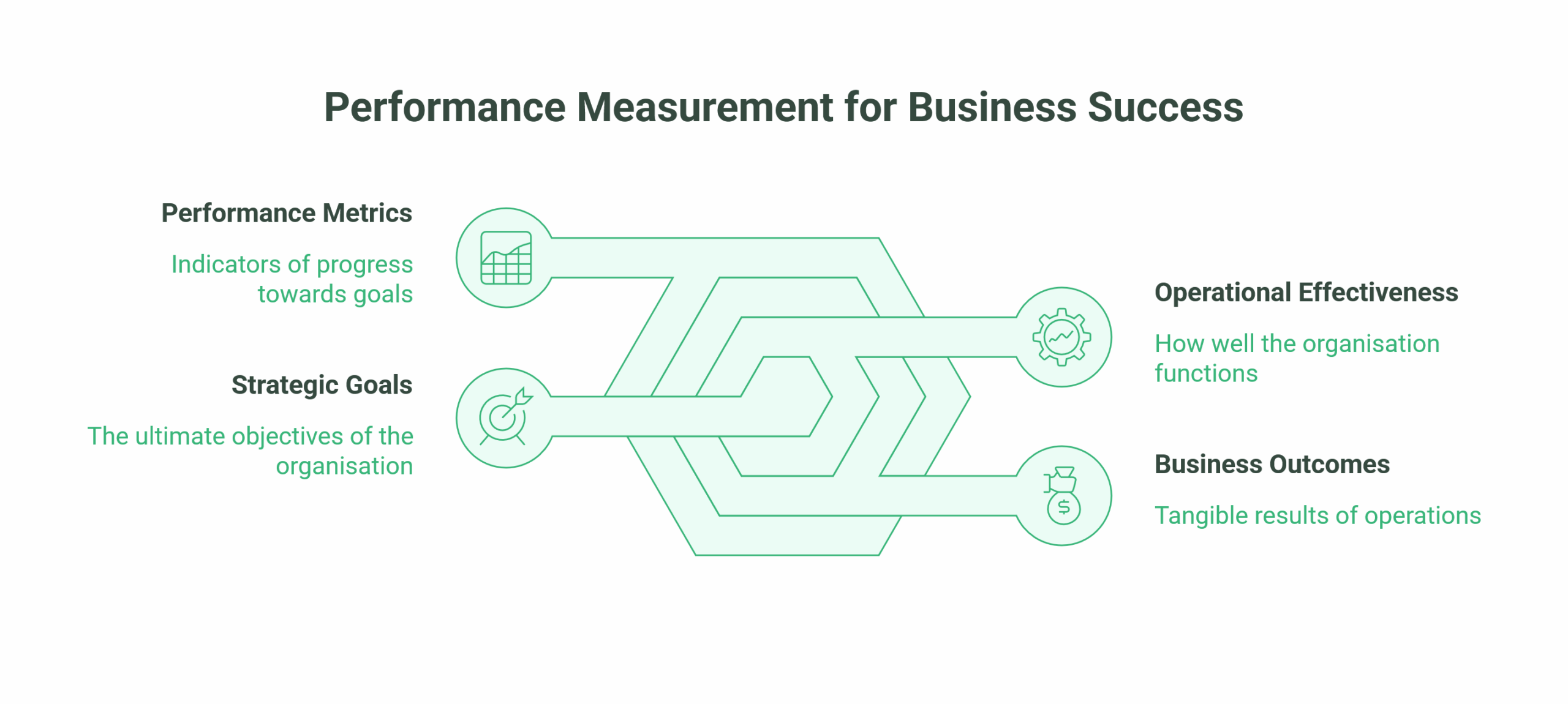
Track metrics that connect to actual business outcomes.
Key Metrics
Visibility:
- Google Business Profile views
- Search queries triggering your listing
- Map Pack appearances
- Website organic traffic
Engagement:
- Click-to-call from Google
- Direction requests
- Website visits from search
- Booking page visits
Conversions:
- Online reservations from organic search
- Phone reservations attributed to the search
- Walk-ins mentioning they found you online
Business outcomes:
- Covers from search-attributed bookings
- Revenue from organic search customers
- Reservation-to-cover ratio
Google Business Profile Insights
Google provides valuable data:
- How customers find you (direct search vs discovery)
- Actions customers take (calls, directions, website clicks)
- Photo views compared to competitors
- Popular times based on customer visits
Review these insights monthly to understand what’s working and where to improve.
Attribution Challenges
Restaurant attribution is genuinely difficult. Customers might:
- Search on phone, book later from desktop
- Find you on Google, book via phone
- Research online, walk in without booking
- Visit based on a friend’s recommendation who found you online
Ask customers how they found you. Track booking sources where possible. Accept that precise attribution is impossible, but directional trends are valuable.
Common Mistakes Restaurants Make
Avoid these frequent errors:
Neglecting Google Business Profile: Many restaurants set up basic profiles and forget them. Regular updates, fresh photos, and review responses significantly improve performance.
Poor photography: Bad food photos actively harm you. Invest in quality photography or don’t include food images at all.
Outdated information: Wrong opening hours, old menus, or discontinued offerings frustrate customers and damage trust.
Ignoring reviews: Unanswered reviews—especially negative ones—suggest you don’t care about customer experience.
PDF-only menus: PDF menus that are hard to read on mobile and invisible to search engines. Present menu information as accessible web content.
No booking path: Making reservations difficult loses customers to competitors who’ve made booking easy.
Inconsistent information: Different hours, addresses, or phone numbers across platforms confuse customers and weaken search presence.
Ignoring mobile: Restaurant searches are predominantly mobile. Websites that don’t work well on phones lose immediate business.
Getting Started with Restaurant SEO
If you’re beginning SEO or reviewing existing efforts:
Immediate priorities (this week):
- Claim and verify the Google Business Profile if not already done
- Complete every available field and attribute
- Add quality photos—minimum 10 strong images
- Ensure opening hours are accurate
- Set up booking integration if available
First month:
- Respond to all existing reviews
- Ensure the website has an accessible menu and booking options
- Verify consistent NAP across major platforms
- Implement the review request process
First three months:
- Build citations across restaurant directories
- Develop regular content rhythm (menu updates, news, events)
- Invest in professional photography
- Monitor and respond to reviews across all platforms
Ongoing:
- Regular photo updates
- Prompt review responses
- Seasonal content and offers
- Monitor performance and adjust based on results
FAQs
How quickly can SEO fill more tables?
Google Business Profile improvements can deliver results within weeks—better photos, complete information, and quick review responses can improve visibility and conversions. Broader SEO building takes three to six months for a meaningful impact. The urgency of restaurant searches means improvements convert faster than many industries once visibility improves.
How important is TripAdvisor compared to Google?
Google is more important for local discovery and “near me” searches. TripAdvisor matters particularly for tourists and destination dining. For a neighbourhood restaurant, prioritise Google. For restaurants in tourist areas or destination dining venues, both matter significantly.
Should we use Instagram for SEO?
Instagram doesn’t directly impact Google rankings, but it’s essential for restaurant marketing. Strong Instagram presence builds brand, generates customer photos, and drives direct traffic. Consider it part of your overall digital presence even though it’s not technically SEO.
How do we compete with delivery platforms in search results?
You can’t outrank Deliveroo for “food delivery” searches—and you shouldn’t try. Focus on searches that delivery platforms don’t serve well: “dine in,” “romantic restaurant,” “Sunday lunch,” specific-cuisine searches, and location-specific queries. Your goal is to direct customers, not to compete with delivery platforms.
Building Long-Term Restaurant Visibility: SEO for Restaurants
Restaurant SEO isn’t complicated, but it requires consistent attention. The fundamentals are clear: complete, accurate Google Business Profile; appetising photography; active review management; easy booking; and consistent information across platforms.
Restaurants that execute these basics well capture significant business from competitors who don’t. In most local markets, the opportunity isn’t about sophisticated SEO tactics—it’s about simply showing up properly when hungry customers search.
The restaurants filling tables consistently aren’t necessarily the best in their area, though many are. They’re the ones visible when customers search, appealing when customers look, and easy to book when customers decide. Make sure your restaurant is one of them.
If you’re ready to improve your restaurant’s search visibility, ProfileTree’s team works with hospitality businesses across Northern Ireland, Ireland, and the UK. We understand both the technical requirements of effective local SEO and the specific challenges restaurants face. Get in touch at profiletree.com/contact-us/ to discuss how we can help your restaurant attract more diners through search.