
The Future of Web Development: Powerful Strategies for Success
Table of Contents
The future of Web development continues to evolve at a remarkable pace, transforming how businesses connect with customers and deliver experiences online. Understanding these emerging trends is crucial for business owners and marketing managers seeking competitive advantages, as it allows them to make strategic decisions about their digital presence.
The digital landscape has shifted dramatically in recent years, with users expecting more from business websites than ever. Speed, functionality, security, and seamless experiences across devices are no longer optional extras—they’re baseline requirements for any company serious about its online presence. Businesses that fail to keep pace risk losing ground to more digitally savvy competitors.
As we move beyond basic responsive design, new technologies and approaches reshape what’s possible on the web. From headless architecture to AI-powered tools, these innovations offer businesses unprecedented opportunities to create faster, more engaging, and more effective digital platforms that drive real commercial results.
Headless Architecture: Flexibility Meets Performance
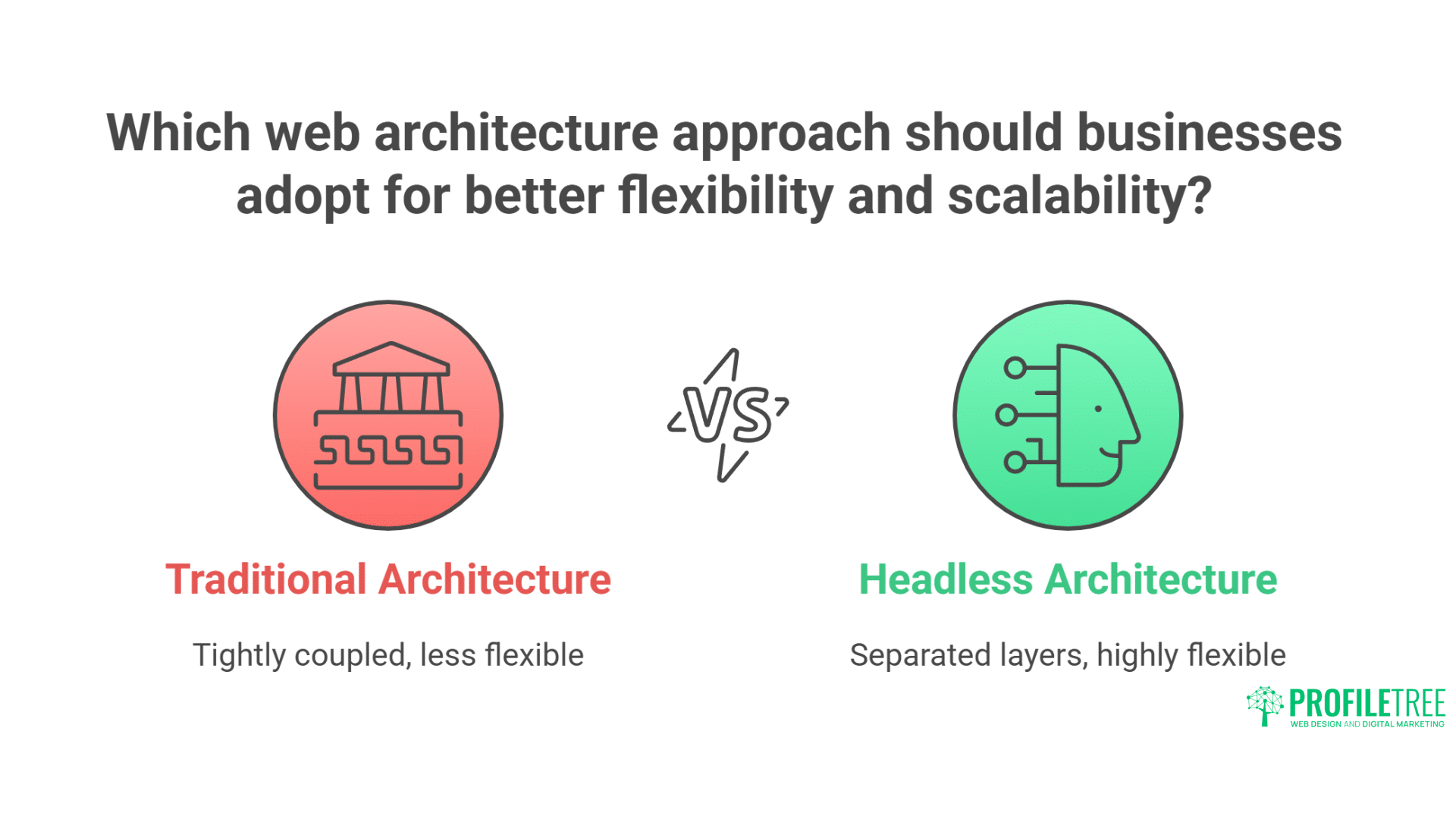
Traditional websites with tightly coupled front and back ends are giving way to headless architecture. This approach separates the content management system (CMS) from the front-end presentation layer, allowing developers to create more flexible, scalable solutions.
For businesses, this means:
- Faster page load times and better performance
- Content that can be published across multiple channels from a single source
- Greater flexibility to update your design without rebuilding your entire content structure
- Improved security through distributed systems
“Headless solutions give our clients the flexibility to evolve their digital presence without starting from scratch each time,” says Ciaran Connolly, Director of ProfileTree. “It’s about building foundations that can adapt as your business grows.”
The adoption of headless architecture is particularly valuable for content-rich websites and businesses operating across multiple digital channels. By decoupling content from presentation, you can efficiently publish to websites, mobile apps, digital displays, and emerging platforms from a single source of truth.
Progressive Web Applications (PWAs)
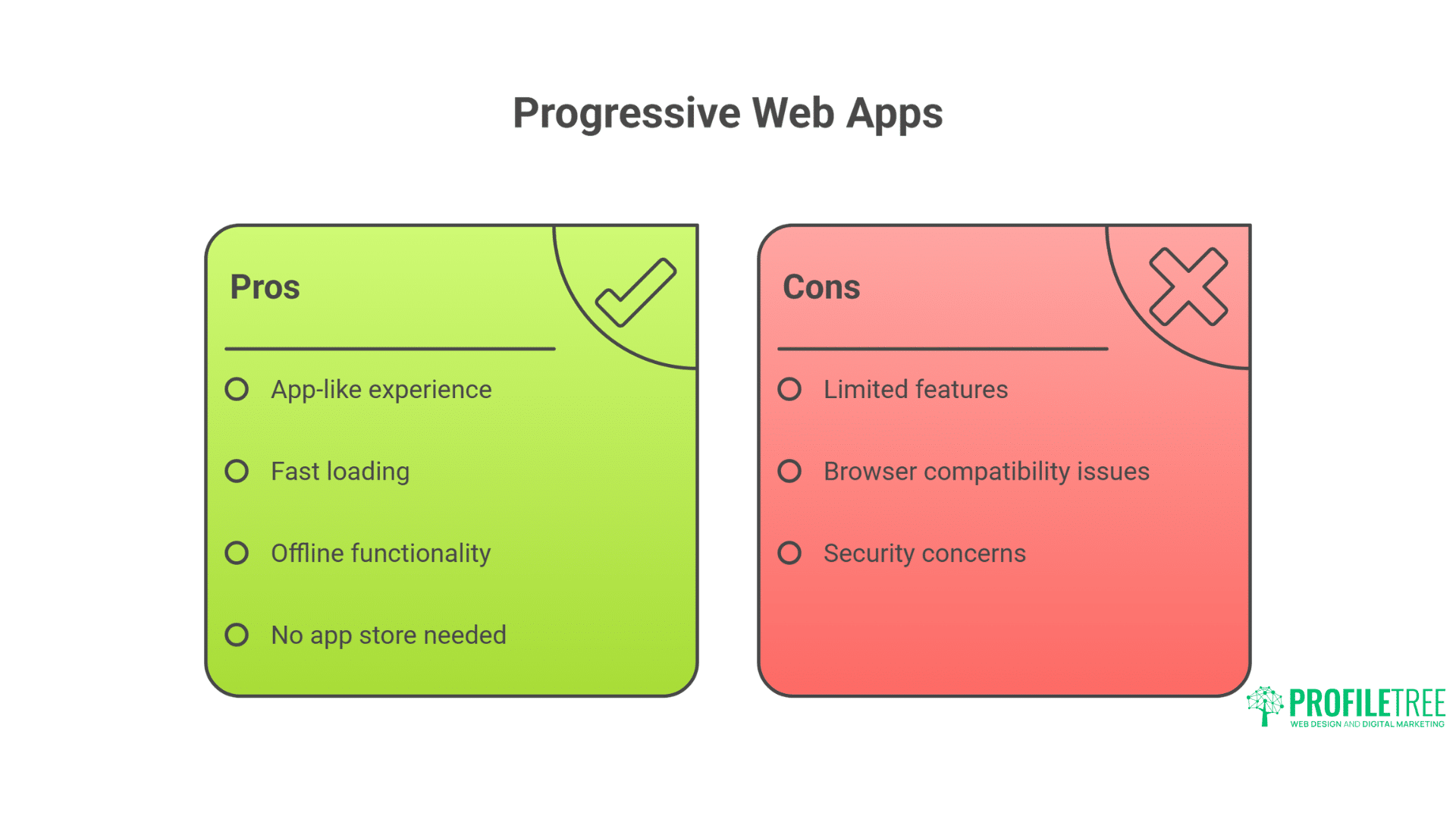
PWAs bridge the gap between websites and native applications, offering app-like experiences through web browsers. These applications load quickly, work offline, and can be installed on users’ devices without going through app stores.
Key business benefits include:
- Reduced development costs compared to native apps
- Improved user engagement through features like push notifications
- Better performance on mobile devices
- Higher conversion rates due to seamless experiences
For retail businesses and service providers, PWAs represent an opportunity to deliver mobile-optimised experiences without the complexity of maintaining separate platforms.
The performance improvements are particularly notable, with PWAs typically loading 2-3 times faster than traditional mobile websites. This speed difference translates directly to better user engagement, with industry studies showing that conversion rates can increase by up to 20% with PWA implementation.
The Future of Web Development: AI-Powered Development Tools
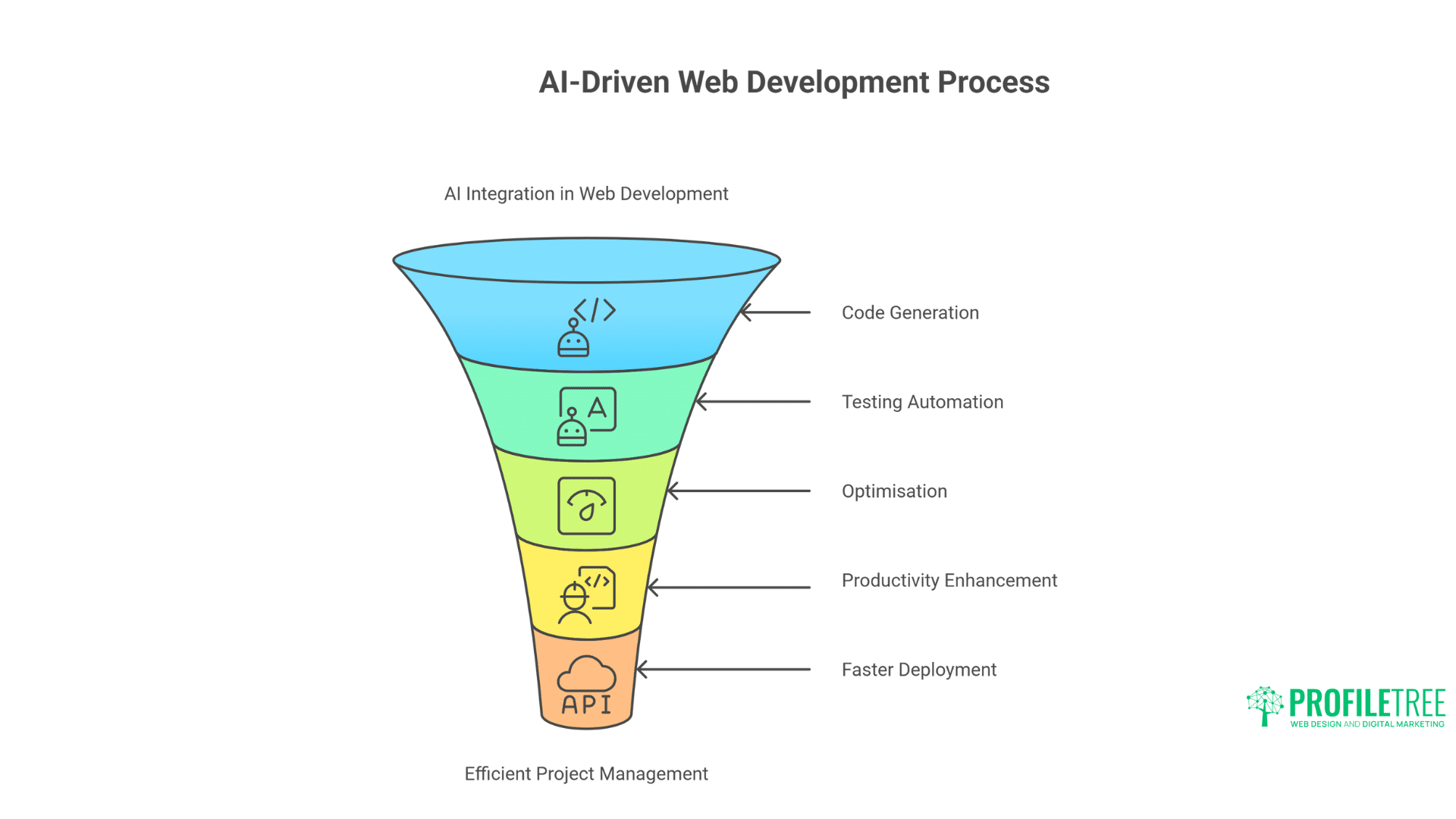
Artificial intelligence is transforming web development workflows, from code generation to testing and optimisation. We’re seeing tools that can:
- Generate functional code from design mockups
- Automate testing across different devices and browsers
- Analyse user behaviour to suggest personalisation opportunities
- Optimise performance through predictive analytics
For business owners, this means faster development cycles, reduced costs, and the ability to launch more sophisticated websites without massive increases in budget.
These AI tools are particularly valuable for personalisation, allowing websites to dynamically adjust content, product recommendations, and user journeys based on individual visitor behaviour. This level of customisation, once available only to enterprise-level businesses, is now accessible to organisations of all sizes.
API-First Development
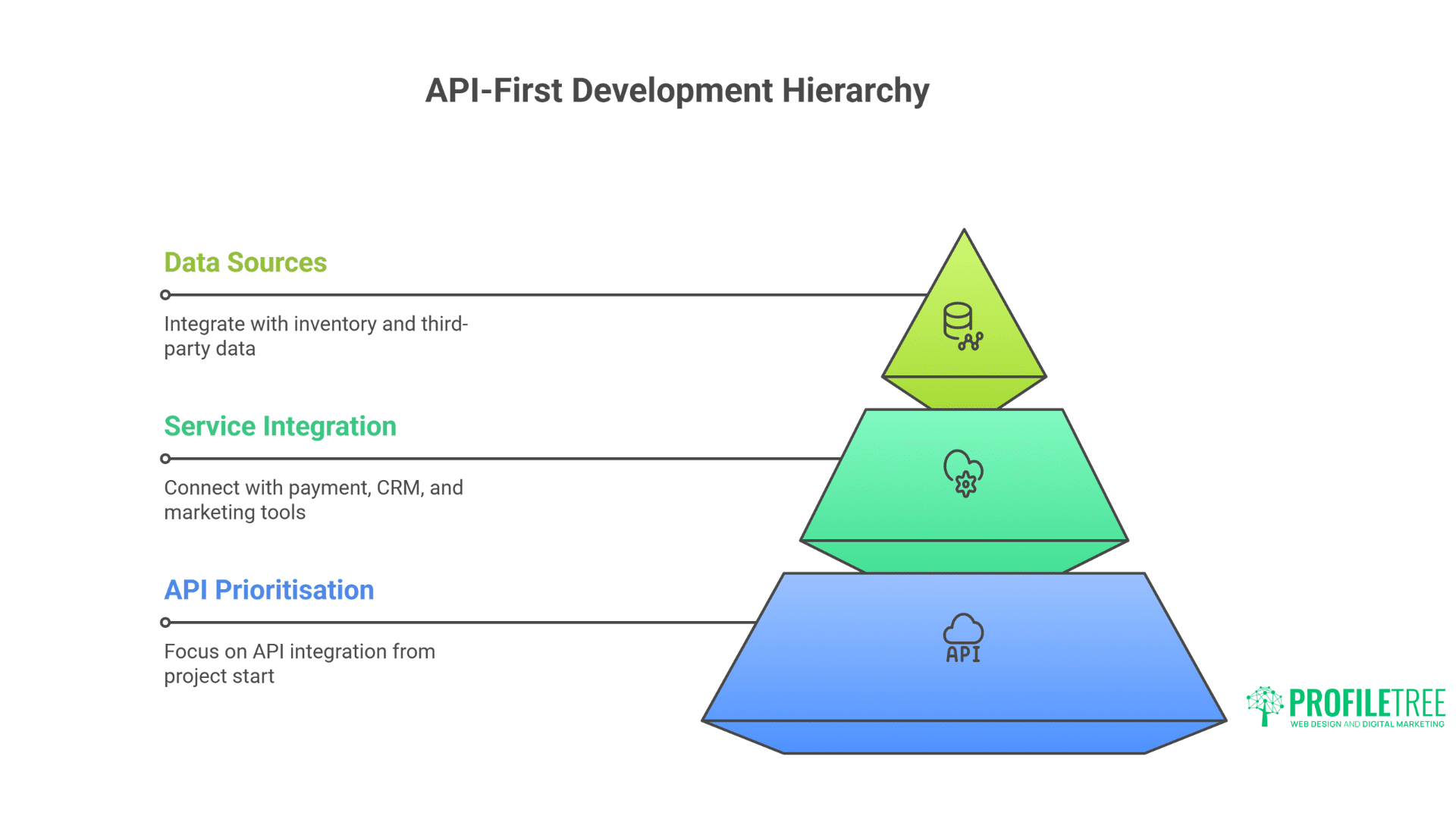
Modern websites often function as hubs connecting various services and data sources. API-first development prioritises these connections from the beginning of the project, ensuring your website can easily integrate with:
- Payment processors
- Customer relationship management (CRM) systems
- Marketing automation tools
- Inventory management systems
- Third-party services relevant to your business
This approach creates more versatile websites that can evolve alongside your business operations and technology stack.
For businesses with complex operational requirements, API-first development offers unparalleled flexibility. Rather than forcing your processes to conform to the limitations of a single platform, your website becomes an orchestration layer that connects best-of-breed solutions into a cohesive experience for both customers and internal users.
Accessibility as a Priority
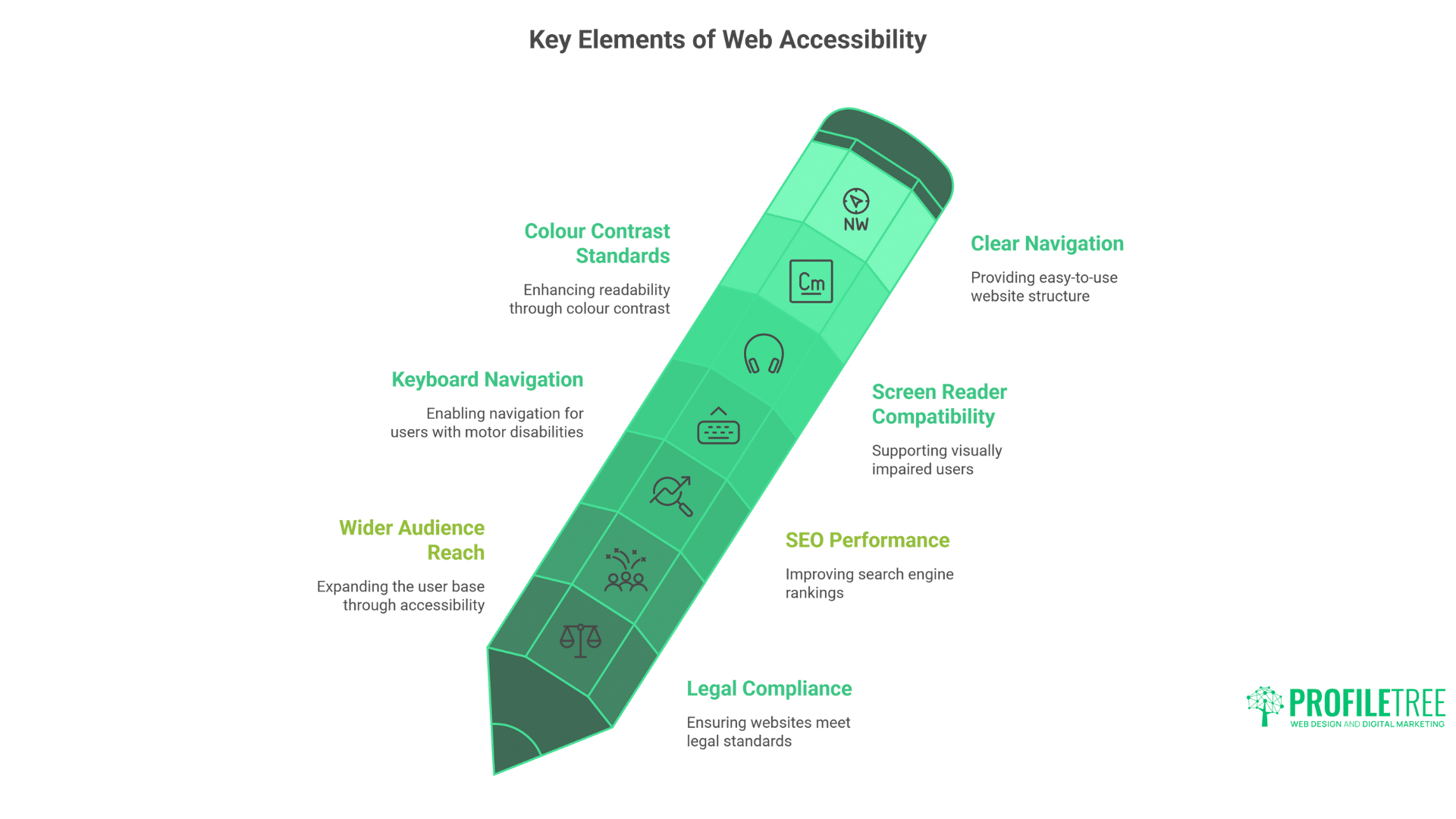
Web accessibility is moving from an afterthought to a fundamental requirement. Businesses across the UK are recognising that accessible websites not only comply with legal requirements but also reach broader audiences and improve SEO performance.
Key accessibility considerations include:
- Keyboard navigation for users with motor disabilities
- Screen reader compatibility for visually impaired visitors
- Colour contrast standards for better readability
- Straightforward navigation and content structure
As regulations tighten and consumers become more aware of accessibility issues, businesses that prioritise inclusive design gain both legal protection and customer goodwill.
Accessibility improvements often deliver unexpected benefits beyond compliance, including enhanced usability for all users, better performance on mobile devices, and improved search engine rankings. These benefits make accessibility a business imperative rather than simply a legal consideration.
Serverless Architecture
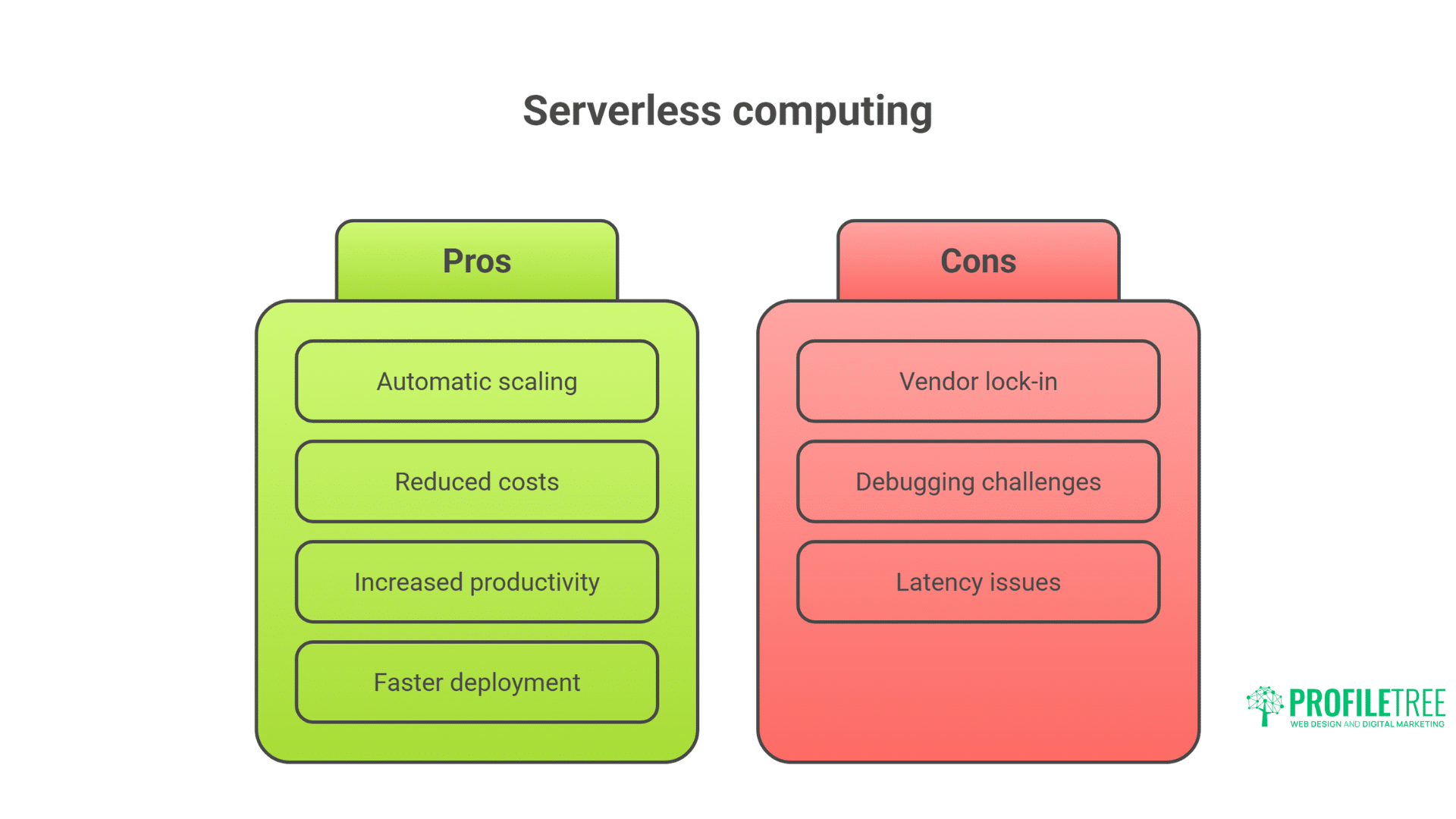
Serverless computing allows developers to build applications without managing server infrastructure. This approach offers:
- Automatic scaling during traffic spikes
- Reduced operational costs (you only pay for the computing resources you use)
- Faster deployment and iteration
- Improved reliability through distributed systems
For business owners, serverless architecture means websites that can handle growth without proportional increases in hosting costs—particularly valuable for seasonal businesses or those with irregular traffic patterns.
The cost efficiency of serverless solutions can be dramatic for websites with variable traffic patterns. Rather than provisioning servers to handle peak loads (which sit idle during quieter periods), serverless architecture scales automatically, potentially reducing hosting costs by 40-80% compared to traditional hosting models.
WebAssembly: Desktop Performance in the Browser
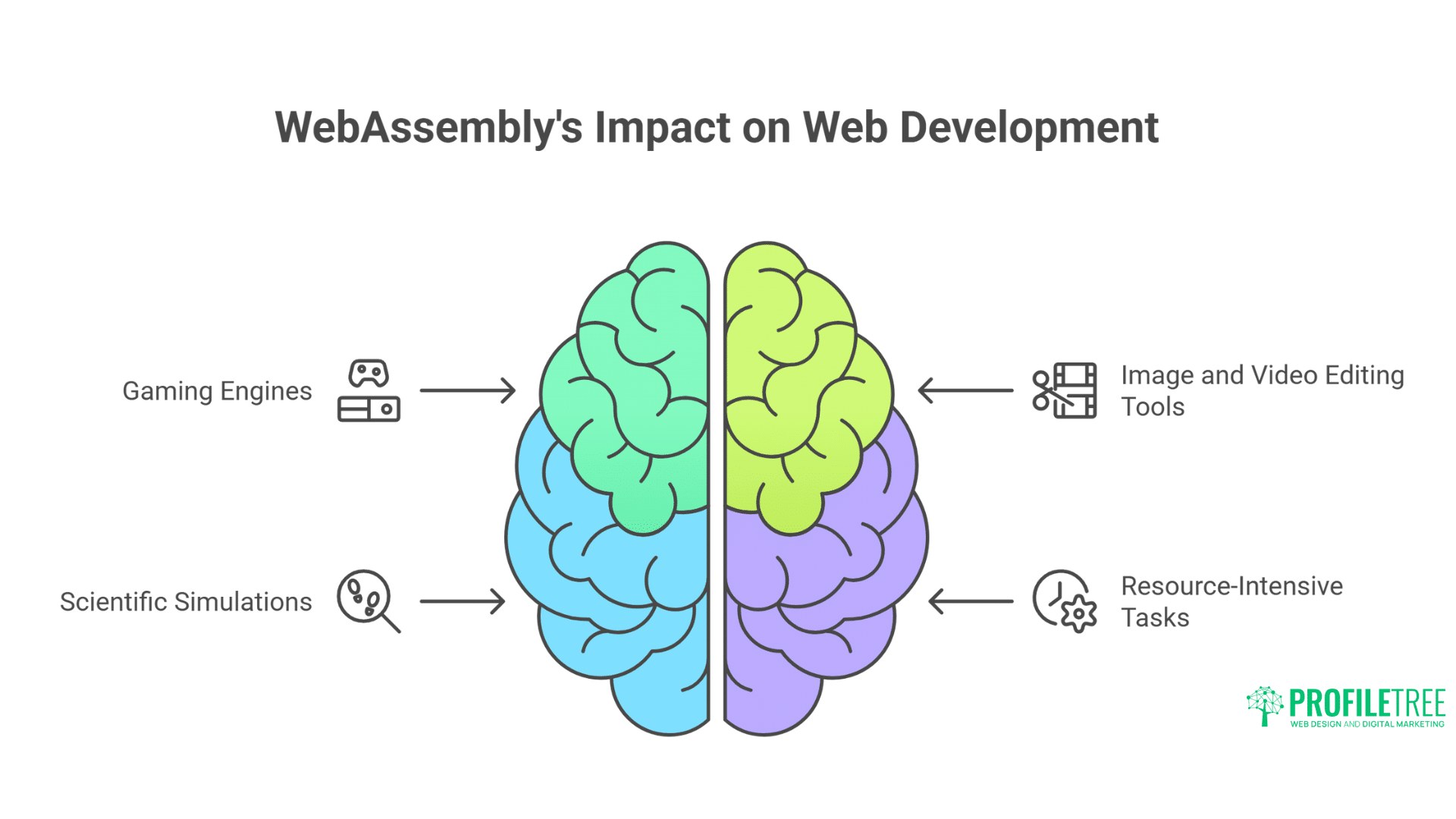
WebAssembly (WASM) brings near-native performance to web applications, enabling complex functionality that previously required desktop software. Applications that benefit from WASM include:
- Interactive product configurators
- Advanced data visualisation tools
- Browser-based design applications
- Complex calculators and simulation tools
For businesses offering sophisticated services, WebAssembly opens new possibilities for creating powerful web-based tools that can differentiate your offering from competitors.
The performance improvements are substantial, with WebAssembly executing at nearly 80% of native code speed in many scenarios. This enables web applications to handle processor-intensive tasks like image editing, 3D rendering, and complex calculations without sacrificing user experience.
Low-Code and No-Code Development
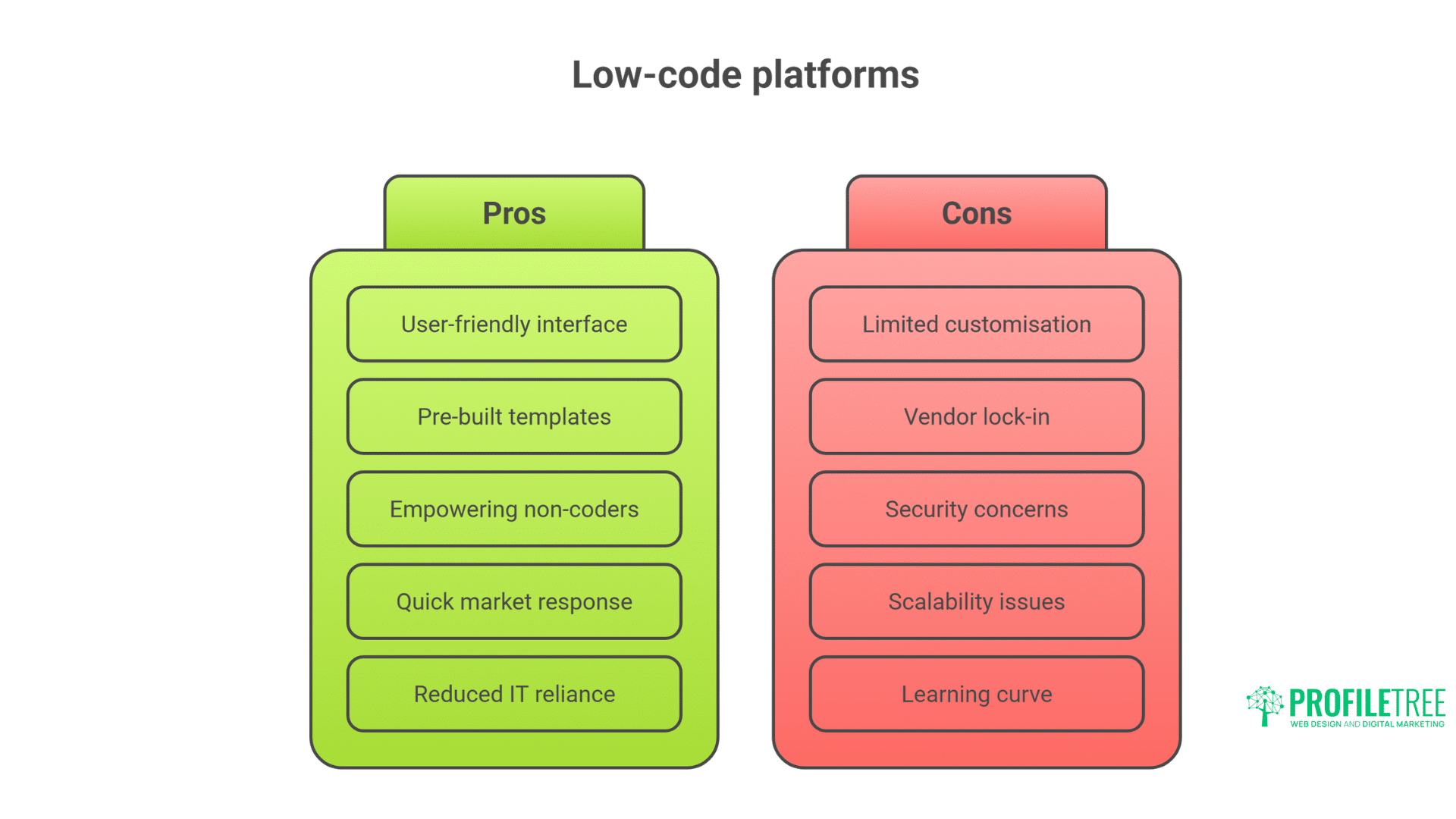
Low-code platforms are democratising web development, allowing businesses to create and modify websites with minimal technical expertise. These platforms offer:
- Faster deployment for simple websites and applications
- Reduced development costs for standard functionality
- Greater control for marketing teams to make content updates
- Easier prototyping before investing in custom development
While not suitable for every project, low-code solutions can help businesses launch quickly and iterate based on user feedback before committing to more extensive custom development.
The real value of low-code approaches often lies in their ability to empower non-technical team members. Marketing departments can launch and test landing pages without waiting for development resources, and business units can create internal tools to improve their efficiency without lengthy IT procurement processes.
Voice User Interfaces
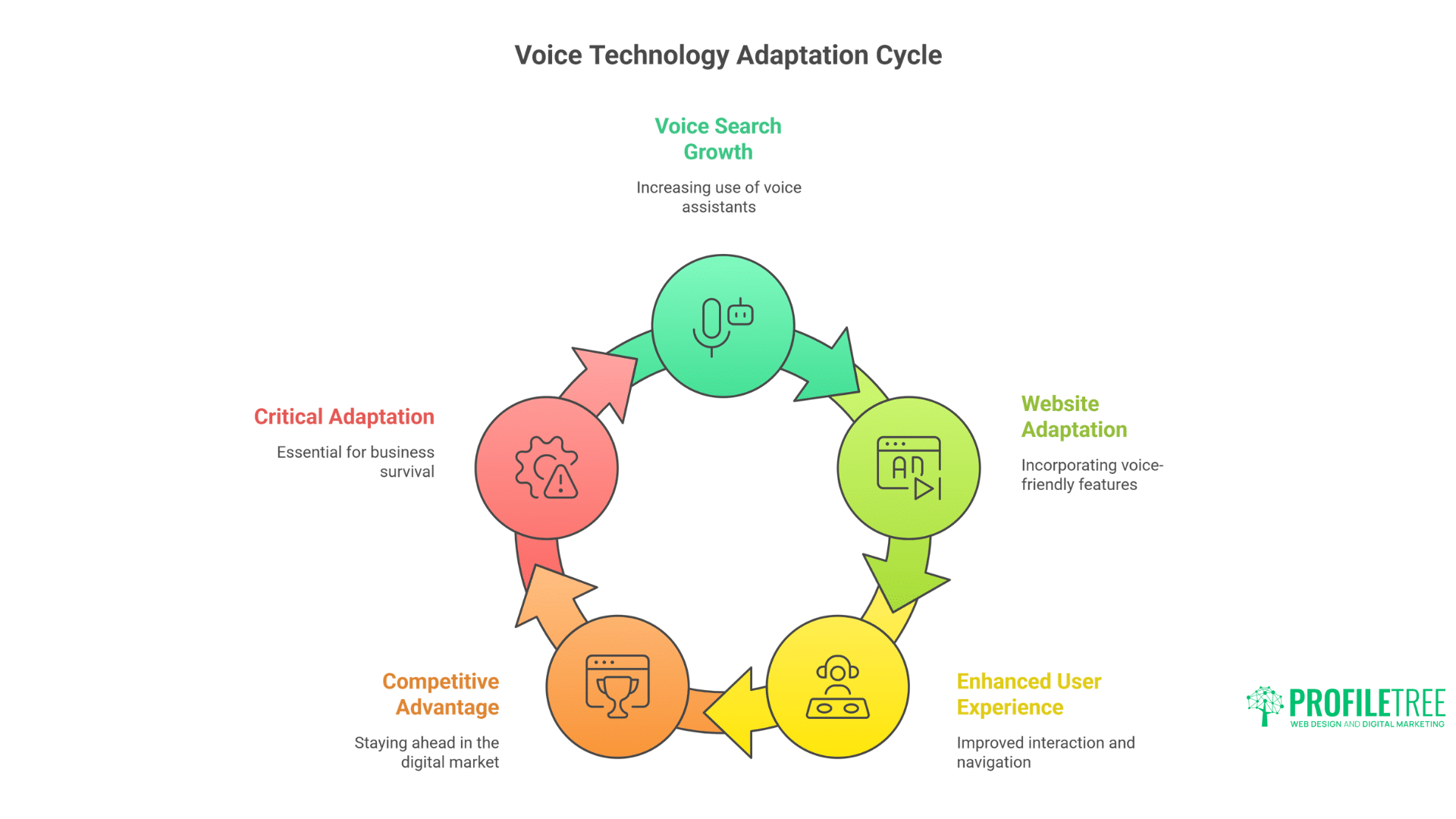
Voice search and interaction continue to grow in importance, with more consumers using voice assistants to find information and complete tasks online. Forward-thinking websites are incorporating:
- Voice search optimisation
- Voice-enabled navigation
- Content structured to answer common voice queries
- Accessibility improvements through voice interaction
Businesses that adapt to voice-first users position themselves to capture this growing segment of web traffic.
The rise of voice search is changing how websites need to be structured and optimised. While traditional search queries might be keyword-focused (“web design Belfast“), voice searches tend to be conversational questions (“Who offers web design services in Belfast?”). This shift requires websites to anticipate and answer specific questions that their target audience might ask.
Micro-Frontends
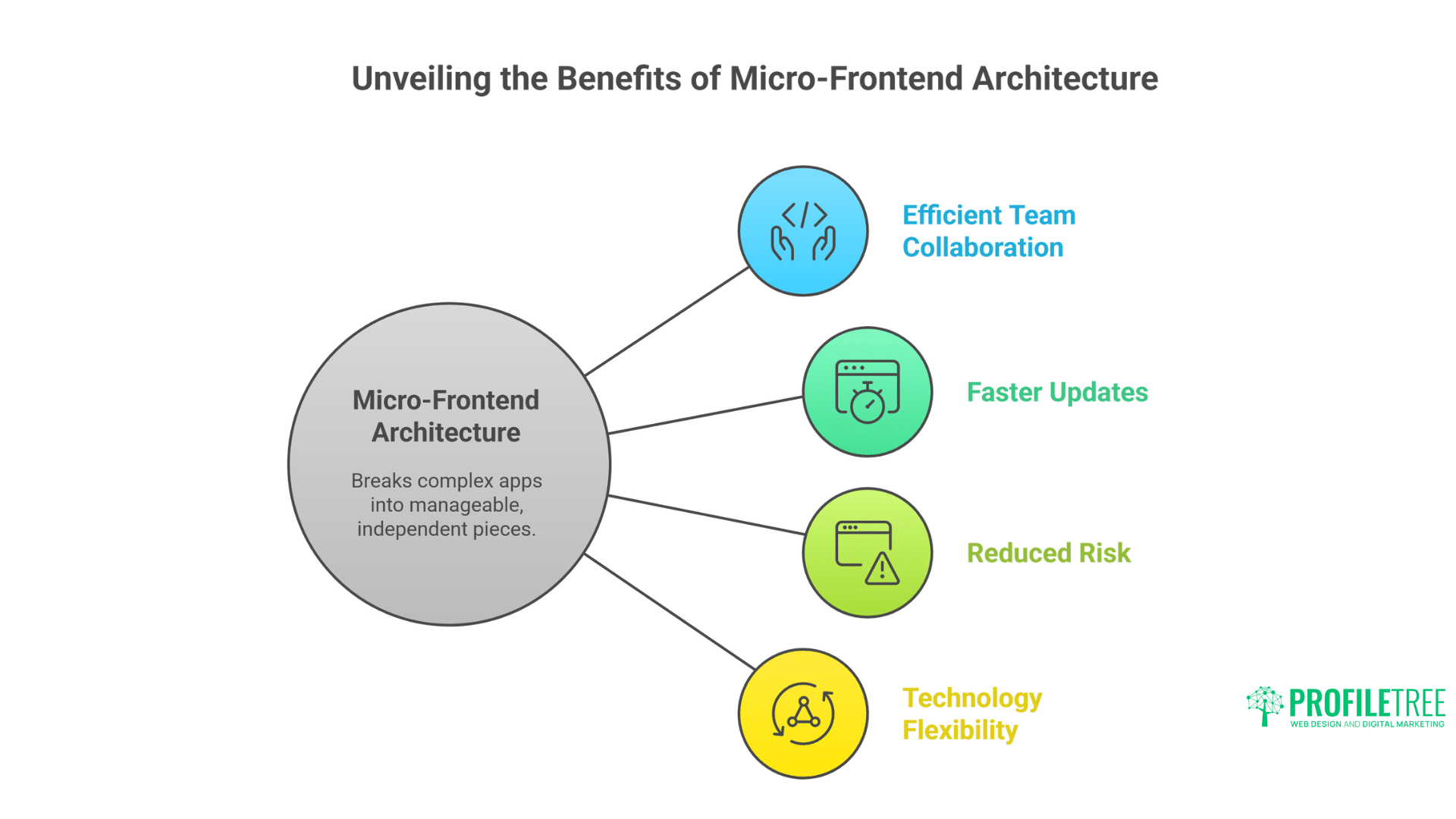
Larger websites are increasingly adopting micro-frontend architecture, which breaks down complex applications into smaller, more manageable pieces that can be developed and deployed independently. Benefits include:
- More efficient team collaboration
- Faster updates to specific sections of your website
- Reduced risk when making changes
- Better technology flexibility for different website components
This approach is particularly valuable for businesses with complex websites that serve multiple user types or offer diverse functionality.
For organisations with multiple development teams or departments contributing to a single website, micro-frontends can dramatically improve efficiency. Each team can work independently within their domain of expertise, deploying updates on its own schedule without coordinating complex releases across the entire platform.
Core Web Vitals Optimisation
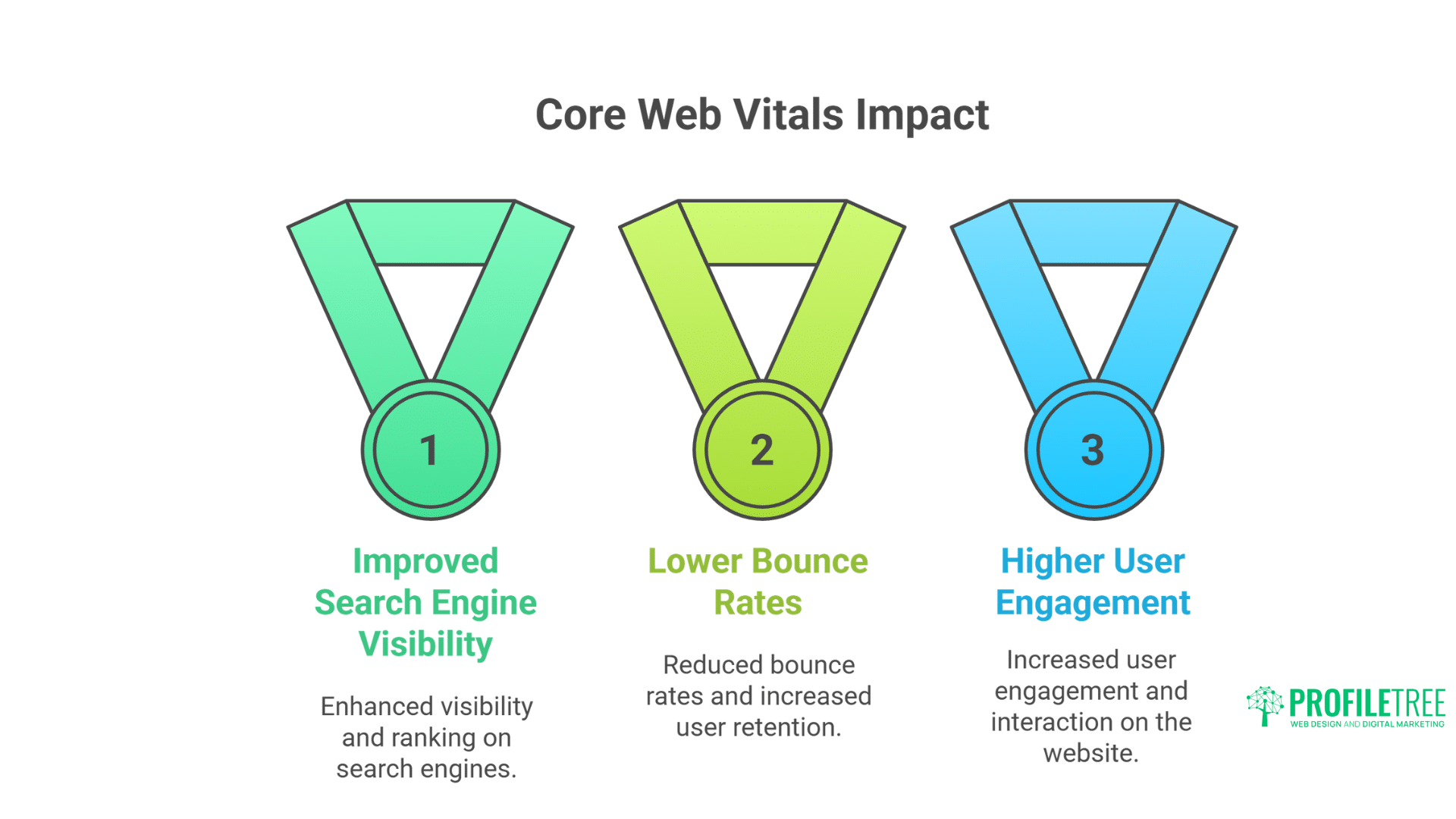
Google’s Core Web Vitals have become critical ranking factors, measuring load time, interactivity, and visual stability. Websites optimised for these metrics benefit from:
- Improved search engine visibility
- Lower bounce rates
- Higher user engagement
- Better conversion rates
The technical performance of a website directly impacts business results,” notes Ciaran Connolly. “When pages load quickly and respond instantly to user input, visitors stay longer and are more likely to become customers.”
The financial impact of Core Web Vitals optimisation can be substantial. Research consistently shows that even minor improvements in page load time can increase conversion rates by 7-15%, while reducing bounce rates by similar margins. For e-commerce websites or lead generation sites, these improvements translate directly to revenue growth.
Privacy-First Development
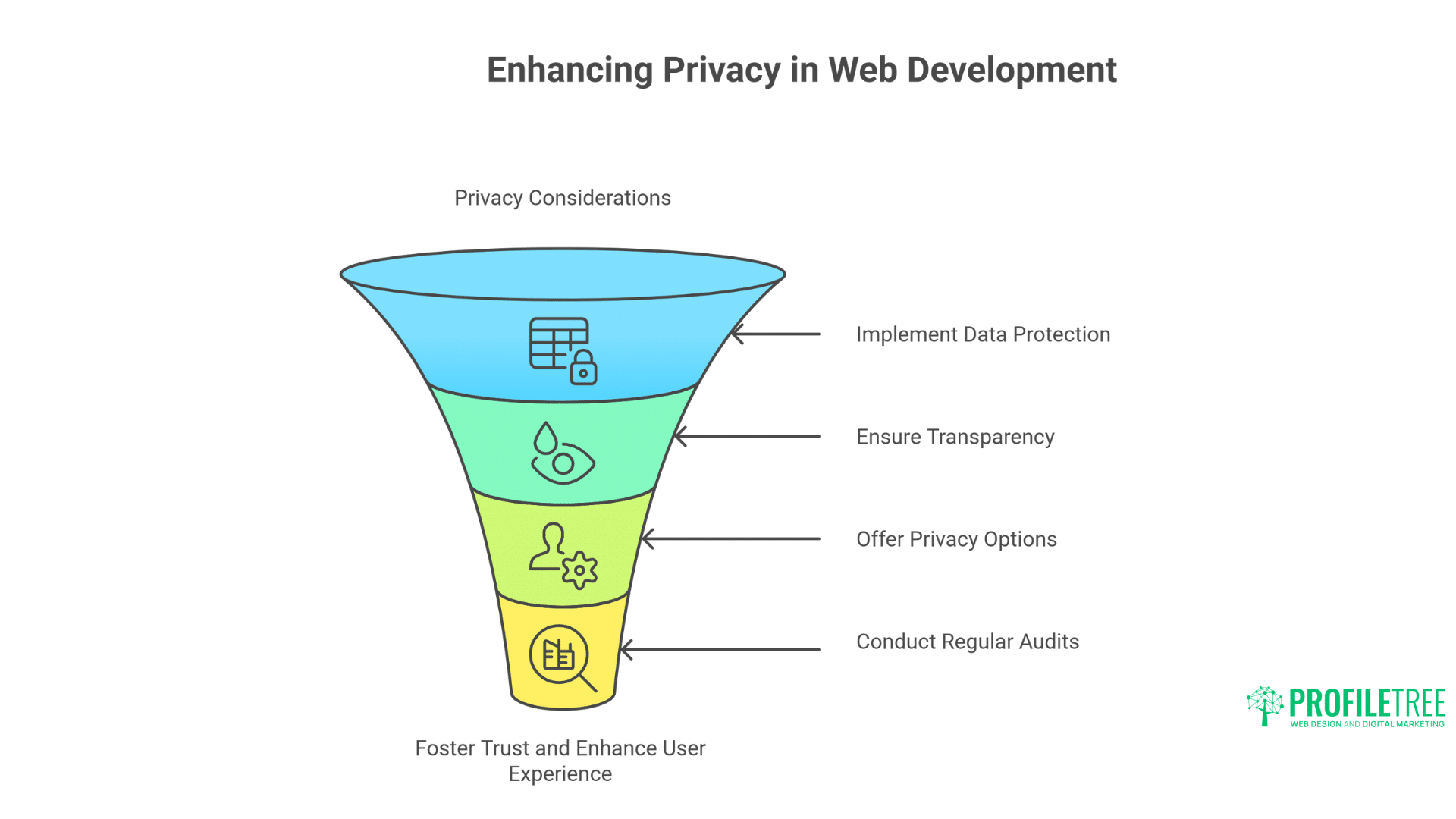
With increasing regulations like UK GDPR and growing consumer privacy concerns, websites must be built with privacy considerations from the ground up. This includes:
- Transparent data collection policies
- Minimised tracking and cookie usage
- User-friendly consent management
- Secure data handling practices
Businesses that prioritise privacy protection build trust with their audience and avoid potential regulatory penalties.
Beyond compliance requirements, privacy-first development offers competitive advantages. Consumers are increasingly aware of data collection practices and more likely to trust and engage with businesses that demonstrate respect for their privacy. This trust translates to longer-term customer relationships and improved brand perception.
Jamstack Architecture
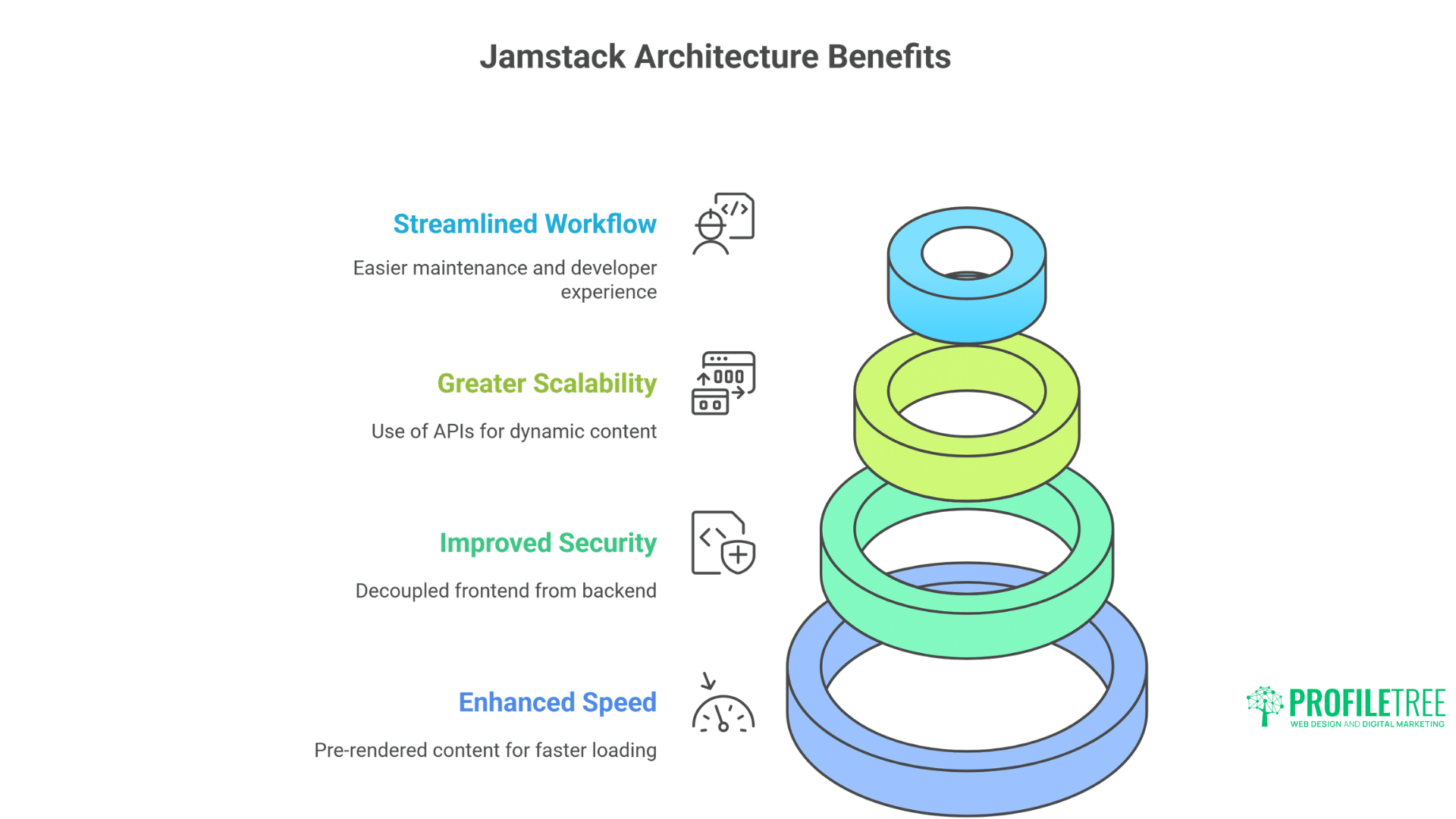
Jamstack (JavaScript, APIs, and Markup) represents a modern approach to building websites that delivers exceptional performance and security. Key benefits include:
- Faster page loads through pre-rendered content
- Reduced security vulnerabilities with fewer server-side components
- Lower hosting costs through static file delivery
- Improved developer experience and productivity
For businesses concerned about website performance and security, Jamstack offers a compelling alternative to traditional content management systems, particularly for content-focused websites that don’t require complex server-side processing.
By pre-rendering pages and serving them directly from a content delivery network, Jamstack websites typically load 30-50% faster than their traditional counterparts. This performance advantage is particularly valuable for mobile users and visitors in areas with slower internet connections.
Design Systems and Component Libraries
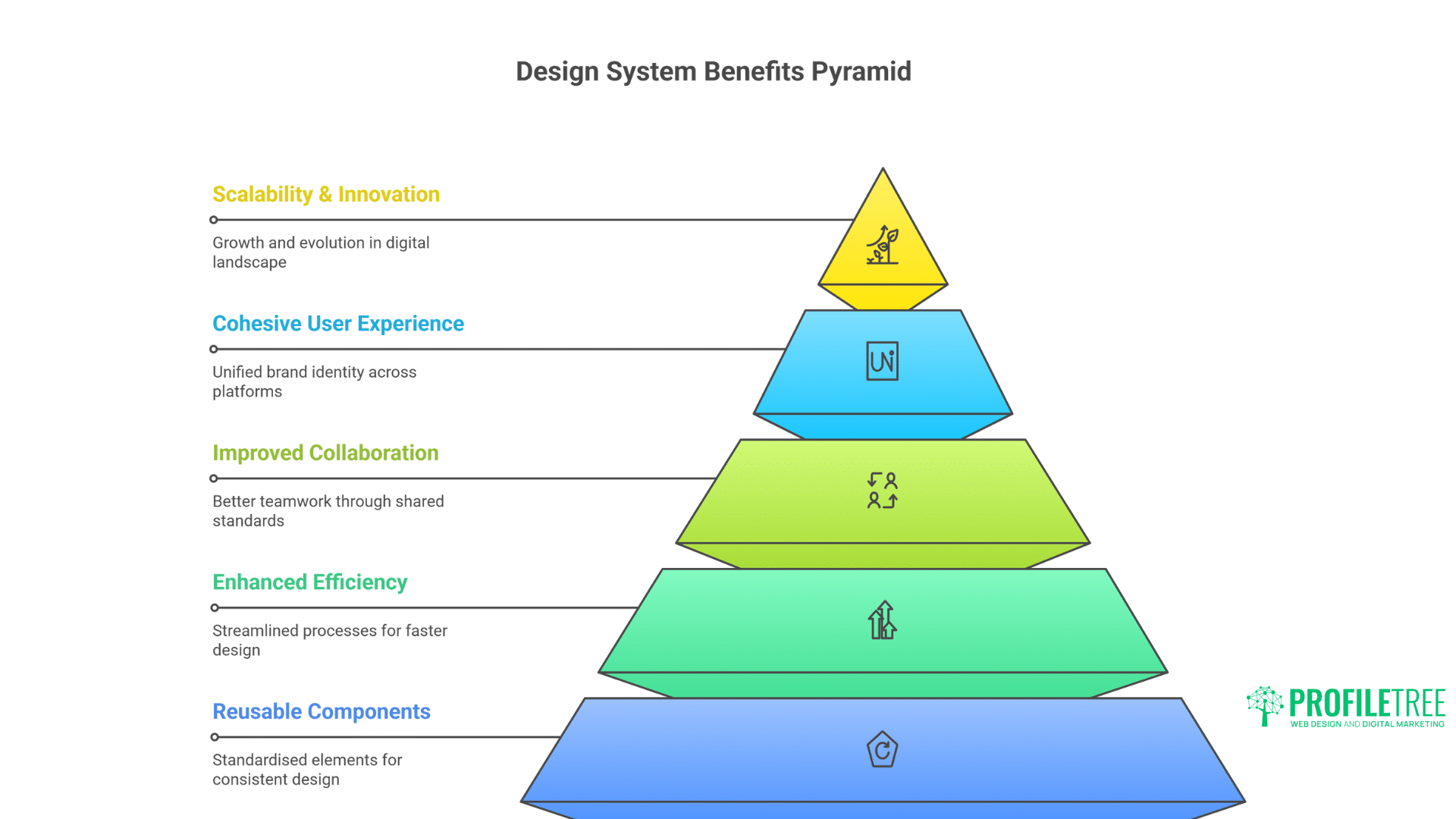
Mature businesses are increasingly adopting formal design systems—collections of reusable components, guided by clear standards—to ensure consistency across their digital presence. Benefits include:
- Faster development through component reuse
- Consistent brand experience across multiple touchpoints
- Improved accessibility through standardised patterns
- More efficient collaboration between designers and developers
For organisations managing multiple websites or applications, a well-implemented design system can dramatically reduce development time while ensuring a cohesive brand experience across all digital products.
The efficiency gains from design systems can be substantial, with development time for new features typically reduced by 30-50% through component reuse. This efficiency allows businesses to focus resources on innovation rather than reimplementing standard elements across different projects.
How ProfileTree Can Help
ProfileTree specialises in forward-thinking web development that incorporates these emerging trends while focusing on business results. Our approach includes:
Strategic Digital Planning
We begin by understanding your business goals and audience needs, creating a digital strategy that leverages the right technologies for your specific situation. This ensures your website isn’t just technically advanced but purposefully designed to support your business objectives.
Our planning process identifies which emerging technologies will deliver the greatest return for your specific business model, avoiding trendy solutions that don’t align with your commercial goals.
SEO-Driven Development
Unlike agencies that treat SEO as an afterthought, we build websites with search visibility as a fundamental consideration. Our development team works closely with our SEO specialists to ensure technical foundations support strong organic performance.
This integrated approach prevents common scenarios where beautiful websites launch with fundamental SEO issues that limit their visibility. By addressing these considerations during development, we deliver websites that perform well from day one.
Mobile-First Design
We create responsive, performance-optimised websites that deliver exceptional experiences across all devices, with particular attention to mobile users who often represent the majority of web traffic for local businesses.
Our mobile-first methodology ensures your website doesn’t just adapt to small screens but is fundamentally designed for the constraints and opportunities of mobile devices, resulting in better engagement across all platforms.
Integration Expertise
Our developers specialise in connecting your website with your existing business systems, from CRM platforms to payment processors and marketing automation tools, creating a cohesive digital ecosystem.
By treating your website as part of a broader business system rather than an isolated project, we help eliminate data silos and manual processes that can limit your operational efficiency.
Ongoing Support and Evolution
We provide maintenance, security updates, and strategic enhancements to keep your website performing optimally and evolving alongside your business needs and changing web standards.
Our support approach focuses on proactive improvements rather than simply fixing issues, ensuring your digital presence continues to deliver increasing value over time.
Take Your Digital Presence Forward
The future of web development offers exciting possibilities for businesses ready to embrace innovation. By adopting these emerging technologies and approaches, you can create digital experiences that not only meet customer expectations but exceed them, driving growth and competitive advantage.
As technology continues to advance, the gap between businesses with forward-thinking websites and those stuck in outdated approaches will only widen. The companies that thrive will be those that view their digital presence as a strategic investment rather than a necessary expense, partnering with specialists who understand both the technical possibilities and the business implications of modern web development.