
SEO for Funeral Directors: Help Families Find You in Their Need
Table of Contents
When families experience bereavement, many turn to search engines to find funeral directors who can guide them through what comes next. They search “funeral directors near me” or “funeral services in [town]” during their most difficult moments, seeking compassionate professionals they can trust. The funeral directors who appear in those searches have the opportunity to provide essential support, whilst those absent from search results remain unknown to families who genuinely need their services.
SEO for funeral directors ensures your business is visible when bereaved families search online. Many established funeral homes rely on reputation and word-of-mouth recommendations, yet demographic changes mean families increasingly begin their search digitally—often new to an area without personal connections to guide them. Your digital presence must reflect the same professionalism, dignity and compassion that defines your in-person service.
This guide explores how funeral directors can approach SEO sensitively and effectively, ensuring families find you when they need support most. We’ll examine practical strategies that maintain the dignity appropriate to your profession whilst building the online visibility that connects you with families during their time of need.
Understanding How Families Search
Families searching for funeral directors are in a unique state. Understanding their mindset shapes an appropriate strategy.
The Immediate Need Search
Many searches happen immediately after a death, often late at night or early morning, when deaths frequently occur. Someone searches “funeral directors near me” or “funeral home [location]” to find out who to call.
These searches are urgent and local. Families want someone nearby who can help immediately. They’re not comparing options extensively—they’re looking for someone who seems trustworthy and reachable.
The Planning Search
Some searches happen when families are pre-planning funerals—either their own arrangements or for elderly or ill relatives. These searches are more considered: “funeral planning,” “prepaid funerals,” “funeral costs.”
Pre-planning searchers have more time to research. They’re comparing options, understanding costs, and making thoughtful decisions without immediate grief.
The Information Search
Others search for information about the funeral process: “what happens after someone dies,” “registering a death,” “funeral arrangements guide.” They may be facing death or simply wanting to understand the process.
These informational searches present opportunities to be helpful—and to be remembered when arrangements become necessary.
The Specific Service Search
Some search for specific services: “cremation services,” “burial services,” “repatriation services,” “green funerals,” “direct cremation.” They know what they want and search specifically for it.
These searches indicate someone further along in their decision process, often knowing the type of service they need.
The Importance of Local Visibility
Funeral services are inherently local. Families choose funeral directors in their community—someone who can collect their loved one, who has premises nearby, who understands local cemeteries, crematoria, and churches.
When someone searches “funeral directors near me,” they need local results. Google understands this and prioritises local businesses in funeral-related searches.
This local focus creates a clear opportunity. You’re not competing with every funeral director nationally—you’re competing within your community. A funeral director who builds a strong local search presence serves more families in their area.
Google Business Profile: Your Foundation
Your Google Business Profile is foundational for local visibility. When families search for funeral directors, Google often prominently shows map results. Your profile determines whether you appear and how you’re perceived.
For funeral directors, certain elements deserve particular attention:
Accurate contact information: Families may need to reach you urgently, at any hour. Ensure your phone number is correct and prominently displayed. If you offer 24-hour service, make this clear.
Hours and availability: If you’re available 24 hours a day for immediate needs, indicate this. Families experiencing loss at 3 am need to know someone will answer.
Service area: Define the areas you serve. This helps you appear in searches from those communities.
Services offered: List your services—traditional funerals, cremation, direct cremation, memorial services, repatriation, pre-planning. This helps Google understand what searches you’re relevant for.
Photos: This requires sensitivity. Photos of your premises—the exterior, tasteful interior shots of chapel or arrangement rooms—help families know what to expect. Team photos put faces to the service. Avoid anything that could feel exploitative.
Description: Write a description that conveys compassion and professionalism. Mention your history, your approach to family care, and the communities you serve.
The Role of Reviews
Reviews influence the funeral director’s choice significantly. Families facing loss want reassurance that they’re choosing someone who will care for their loved one with dignity.
Reviews for funeral directors carry particular weight because they’re written during or after profound experiences. A family taking time to write a review expressing gratitude is a powerful testimony.
Requesting reviews requires sensitivity. Some families appreciate the opportunity to express thanks; others find any commercial-seeming request jarring during grief. Consider:
- Waiting for an appropriate time after the funeral
- Framing requests around sharing experience to help other families
- Making reviews entirely optional with no pressure
- Accepting that many families won’t review, and that’s appropriate
When you receive reviews, respond with genuine warmth and gratitude. Your responses show other families how you treat people.
Your Website: A Compassionate Presence
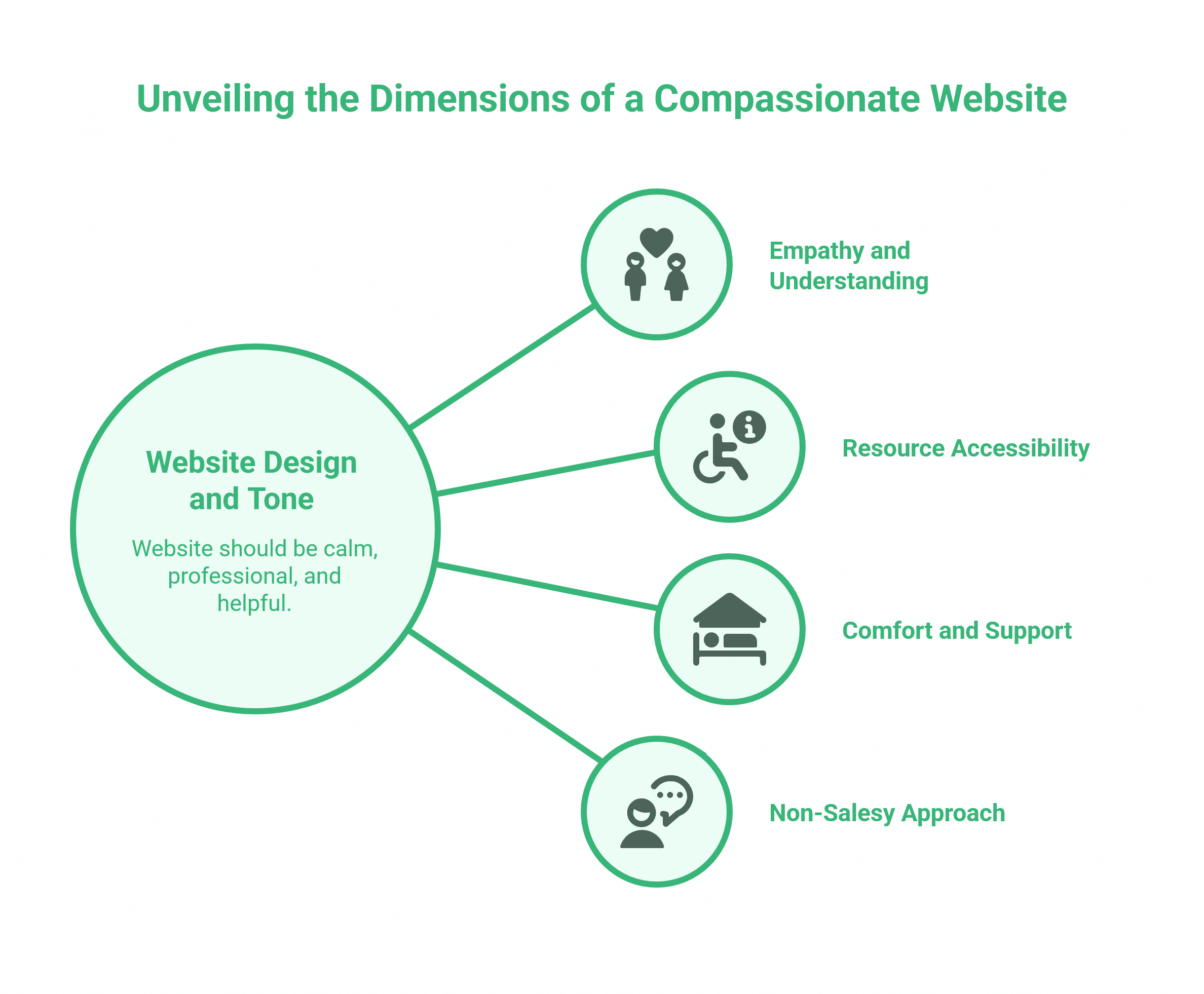
Your website serves families at difficult moments. It should feel calm, professional, and helpful—not salesy or aggressive.
Tone and Approach
The tone throughout your website matters enormously. Families visiting are often distressed. They need:
- Clear, simple navigation
- Easy-to-find contact information
- Calm, reassuring design
- Respectful, warm language
- Helpful information without overwhelm
Avoid anything that feels exploitative, pushy, or insensitive. This isn’t the place for aggressive calls to action or sales language.
Essential Information
Certain information serves families’ immediate needs:
Contact information: Phone number visible on every page. If you offer 24-hour service, make this unmistakably clear.
What to do when someone dies: A clear, compassionate guide for families facing immediate loss. This serves families and captures informational searches.
Services offered: Clear explanations of your services—what each involves, what families can expect.
About your team: Families want to know who will care for their loved one. Introduce your team with warmth and professionalism.
Your premises: Help families know what to expect when they visit.
Service areas: Which communities do you serve?
Costs: Transparency about costs, discussed further below.
Service Pages
Create dedicated pages for your main services:
Funeral services: Your full-service funeral offerings. Cremation services: Cremation options, including direct cremation. Burial services: Traditional burial arrangements, Memorial services: Services without the deceased present, Pre-planning: Information about arranging funerals in advance, Repatriation: If you offer international repatriation, Green/natural funerals: Environmentally-focused options if offered
Each page should explain what the service involves, what families can expect, and how you support them through the process.
Location Pages
If you serve multiple communities or have multiple locations, location-specific pages help capture local searches.
A page titled “Funeral Directors in [Town Name]” can include:
- Your connection to that community
- Practical information about local facilities (crematoria, cemeteries, churches)
- How do you serve families in that area
- Contact information and directions
This helps you appear for location-specific searches while demonstrating local knowledge.
The Question of Pricing
Pricing transparency in funeral services is a sensitive but important topic. Families are making financial decisions during grief, often without a clear understanding of costs.
Regulatory changes have pushed toward greater transparency. The Competition and Markets Authority requires funeral directors to display standardised price information.
Beyond compliance, transparency serves families well. They can understand costs before having difficult conversations during grief. This builds trust rather than undermining it.
Consider displaying:
- Your standardised price list as required
- Clear explanation of what’s included in different service types
- Guidance on what affects costs
- Information about payment options
Some funeral directors worry that displaying prices invites pure price comparison. But families choosing funeral directors consider far more than price—reputation, recommendations, personal connection, trust. Transparency about costs doesn’t reduce you to a commodity; it demonstrates integrity.
Content That Serves Families
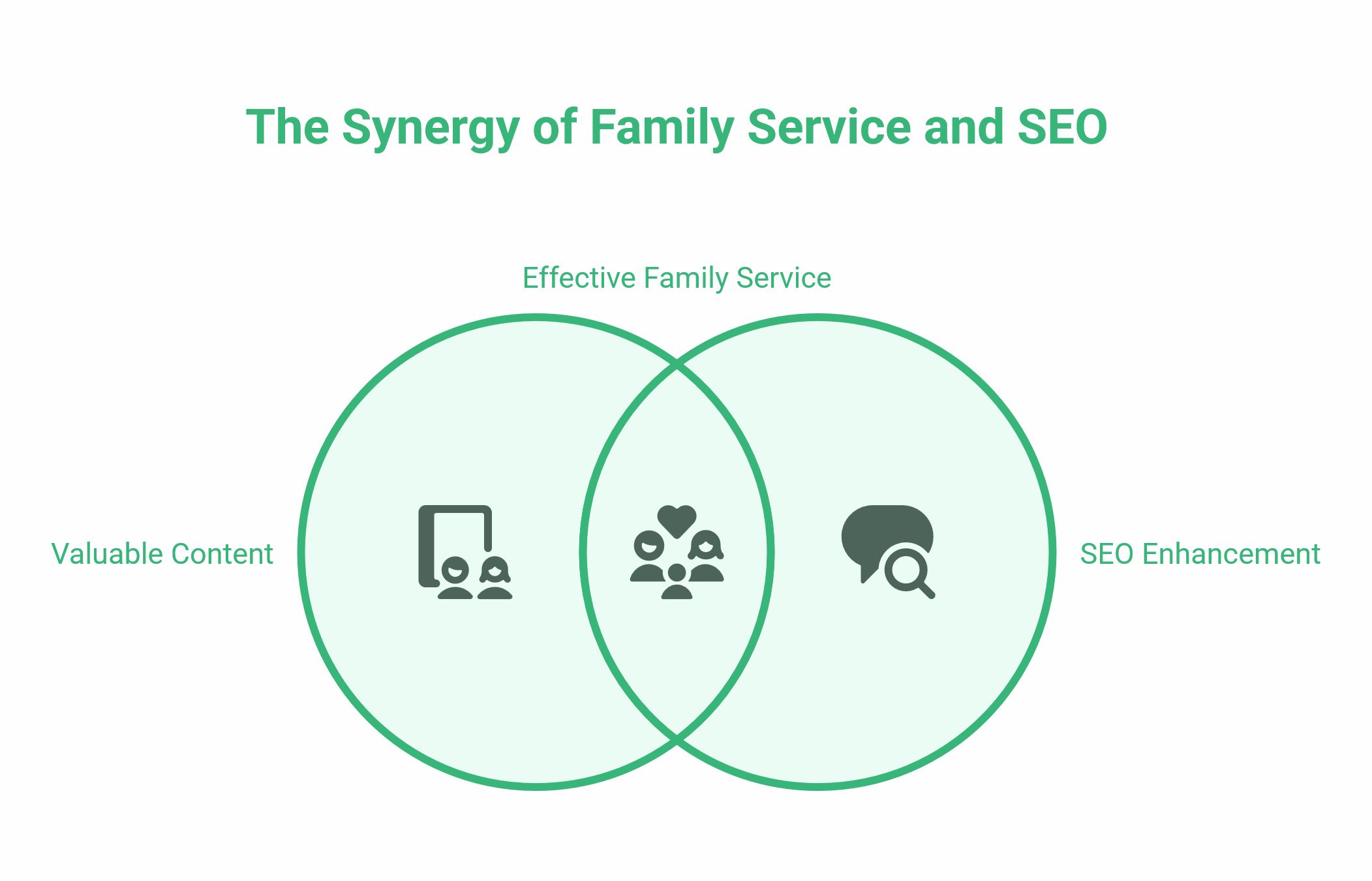
Beyond your core service pages, helpful content serves families while building search visibility.
Immediate Need Guidance
Content helping families who’ve just experienced loss:
What to Do When Someone Dies: A Step-by-Step Guide”, “Registering a Death: What You Need to Know”, “The First 24 Hours After Loss
This content serves families at their most vulnerable while capturing searches from people seeking exactly this guidance.
Planning and Arrangement Content
Content helping families plan funerals:
Planning a Funeral: A Complete Guide” “Choosing Between Burial and Cremation” “Writing a Eulogy: Guidance and Examples” “Selecting Music for a Funeral Service” “Order of Service: What to Include
This helps families prepare for funerals while demonstrating your experience in guiding people through these decisions.
Pre-Planning Content
Content for those planning ahead:
“Why Consider Pre-Planning Your Funeral” “Prepaid Funeral Plans: What to Consider” “Recording Your Funeral Wishes” “Having the Conversation: Discussing Funeral Wishes with Family”
Pre-planning content serves those who are thinking ahead and can potentially build relationships that lead to future arrangements.
Grief Support Content
Content supporting bereaved families:
“Understanding Grief: What to Expect” “Supporting Children Through Bereavement” “Returning to Work After Loss” “Remembering Your Loved One: Memorial Ideas”
This content extends your support beyond the funeral itself, demonstrating ongoing care for families.
Local and Cultural Content
Content relevant to your community:
“Guide to [Local Crematorium]” “[Local Cemetery] Information for Families” “[Religious/Cultural] Funeral Traditions”
This demonstrates local knowledge while serving families with specific needs.
Building Trust and Reputation
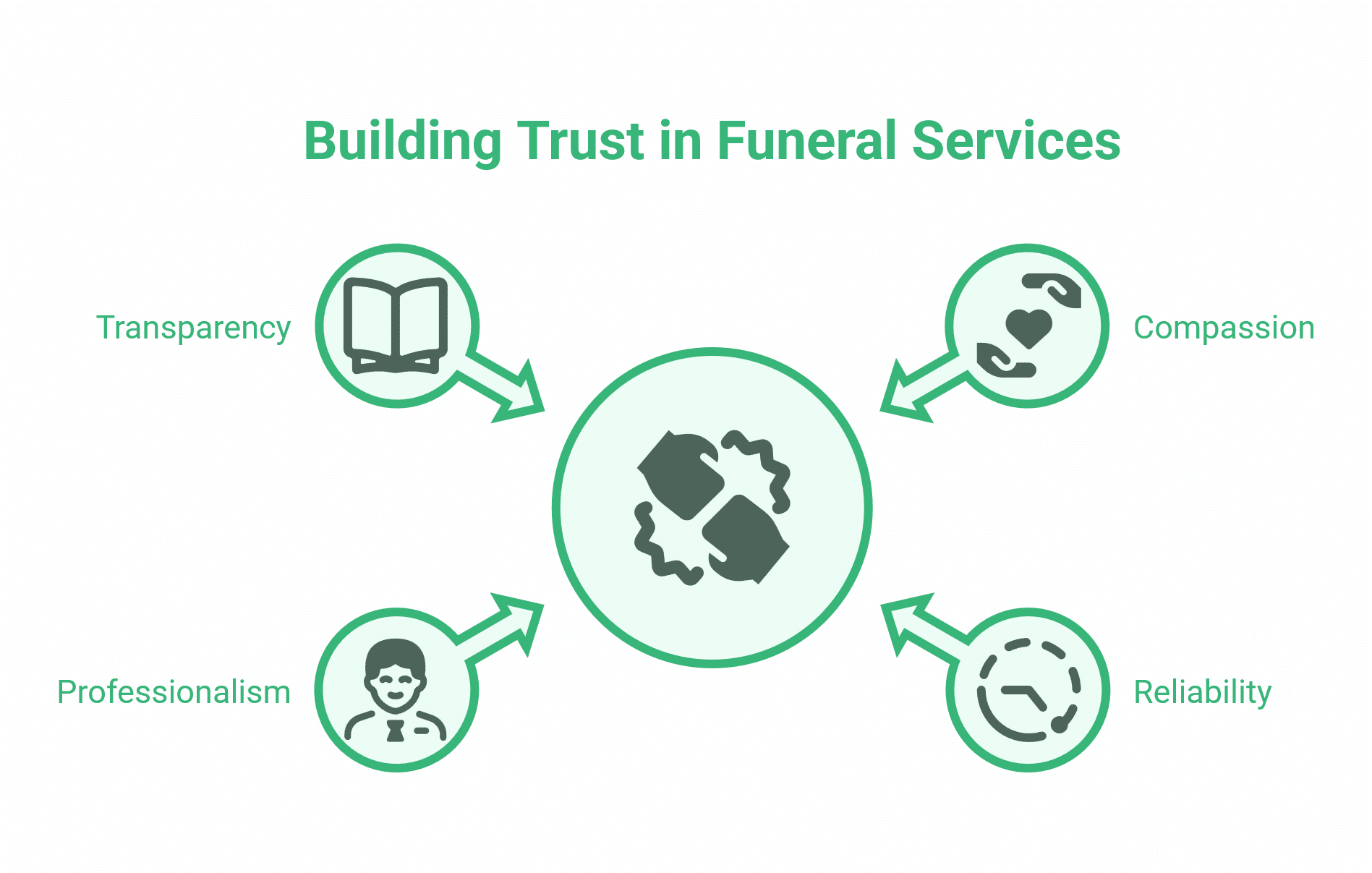
Trust matters enormously in funeral services. Families entrust you with their loved one’s care at their most vulnerable moment.
Credentials and Affiliations
Display relevant credentials:
- National Association of Funeral Directors membership
- SAIF membership
- Golden Charter or other plan provider affiliations
- Relevant qualifications
- Years serving the community
These provide reassurance without requiring families to ask.
Your History and Values
Many funeral directors are family businesses with generational history. This heritage matters to families—it represents stability, community roots, and accumulated experience.
Share your story appropriately. How long you’ve served the community, your family’s involvement, and your approach to care. This builds connection and trust.
Staff Profiles
Families want to know who will care for their loved one. Introduce your team with warmth—names, roles, perhaps something personal that conveys humanity.
This isn’t about marketing individuals; it’s about helping families feel they’re dealing with real people who care.
Sensitive Considerations
Funeral director marketing requires particular sensitivity.
Avoiding Exploitation
Nothing in your marketing should feel exploitative or exploit grief or vulnerability. Avoid:
- Aggressive sales language
- Pressure tactics
- Imagery that feels manipulative
- Language that preys on guilt or fear
- Anything that feels disrespectful to the deceased or bereaved
Respecting Privacy
Never share information about families or funerals without explicit permission. Even with permission, consider whether sharing is appropriate and how it might affect others.
Competitive Conduct
Avoid negative marketing about competitors. The funeral profession has traditions of mutual respect. Families benefit when funeral directors maintain professional relationships, sometimes referring to one another when one is better suited to a particular need.
Timing of Marketing
Consider the timing of any marketing activity. Certain dates (around holidays, anniversaries) may feel more sensitive. Maintain a consistent, dignified presence rather than campaigns that could feel opportunistic.
Measuring Effectiveness Appropriately
Track metrics with an appropriate perspective.
Visibility: Are you appearing for relevant local searches? Can families find you when they need you?
Website engagement: Are people finding the information they need? Time on page for guidance content suggests it’s serving families.
Contact: Are families reaching out? Phone calls, contact form submissions, and visits indicate families finding you.
Families served: Ultimately, are you serving more families in your community? Are they finding you through search?
Approach metrics with the understanding that this isn’t a typical business optimisation exercise. The goal is to be helpful and findable, not to maximise conversions.
Practical Starting Points
If you’re beginning to address search visibility:
First: Ensure your Google Business Profile is complete and accurate, especially contact information and 24-hour availability if offered.
Second: Make sure your website is welcoming, mobile-friendly, and has clear contact information on every page.
Third: Create or improve your “what to do when someone dies” guidance content.
Fourth: Ensure your services are clearly explained with dedicated pages.
Fifth: Check that your pricing information meets transparency requirements and genuinely helps families understand costs.
These foundations serve families while building the visibility that helps more families find you.
Being Present When Needed: SEO for Funeral Directors
Funeral directors serve people at life’s most profound moments. Being visible online isn’t about marketing—it’s about being findable when families need you.
The families searching for funeral directors right now are experiencing loss. They need to find someone who will guide them with compassion, care for their loved one with dignity, and support them through the most difficult days of their lives.
When your online presence reflects the same care and professionalism you provide in person, you help families find the support they need.
If you’d like to discuss improving your funeral home’s online presence, ProfileTree’s team works with professional service businesses across Northern Ireland, Ireland, and the UK. We approach funeral director marketing with the sensitivity it requires. Get in touch at profiletree.com/contact-us/to discuss how we might help.