
Meal Kit Market: Size, Delivery Services, and Opportunities
Table of Contents
The meal kit market has become one of the most closely watched sectors in the food and e-commerce industry. What began as a novelty service for time-poor households has grown into a global commercial force, with the meal kit market attracting sustained investment, fierce competition, and rapid product evolution. For businesses, investors, and digital strategists, understanding the current state of the meal kit market is no longer optional; it is a direct lens into broader consumer behaviour shifts around convenience, health, sustainability, and online purchasing.
At ProfileTree, a Belfast-based digital agency, we work with food, hospitality, and e-commerce businesses across the UK and Ireland on web design and development, content marketing, and digital marketing strategy. The trends shaping the global meal kit market directly reflect the challenges our clients navigate every day: rising customer acquisition costs, subscription fatigue, and the growing role of AI in customer retention. This guide draws on publicly available market research and our own perspective on what these numbers mean for digital strategy.
Whether you are scoping a food business venture, conducting investor due diligence, or benchmarking your digital marketing approach against a fast-moving sector, this article covers the full picture: market size forecasts, delivery service models, segmentation dynamics, and the digital tactics that separate the market leaders from the rest.
Meal Kit Industry Overview

The meal kit market occupies a distinct position between grocery retail and restaurant dining. Understanding how it is structured, who it serves, and why it has attracted significant investment helps contextualise the growth projections that follow.
What Is the Meal Kit Market?
The meal kit market encompasses subscription and on-demand services that deliver pre-portioned ingredients with step-by-step recipe instructions to consumers’ homes. The core proposition is simple: the planning, shopping, and measuring are handled for you. The original cook-and-eat format is now just one of several delivery models. Heat-and-eat, ready-to-eat, and semi-prepared kit formats have broadened the meal kit market considerably, pushing it into direct competition with takeaway services, meal delivery platforms, and premium grocery retailers.
Core Business Model
Most meal kit market providers operate on a subscription-based model, typically weekly or bi-weekly. Customers choose a meal plan based on household size and dietary preference, and a chilled, insulated box arrives at their door. Key structural features include:
- Pre-portioned ingredients that reduce food waste and remove the need for grocery planning
- Rotating recipe selections that provide variety and encourage continued subscription
- Flexible plans that allow customers to pause, skip, or cancel, often at short notice
- Tiered pricing based on the number of recipes per week and portion sizes
The subscription structure creates predictable recurring revenue, which is why the meal kit market has attracted substantial investment. However, it also creates structural vulnerability: churn is high and customer acquisition costs are significant. This tension sits at the heart of most competitive strategy in the sector. A clear understanding of market segmentation is essential for any meal kit brand seeking to reduce churn by matching the right product to the right audience.
Who Uses Meal Kits?
The meal kit market serves consumers who want the experience of home cooking without the friction of meal planning. The core audience has expanded well beyond its early adopter base of affluent urban professionals:
- Millennials and Gen Z adults with busy schedules and a preference for variety
- Families seeking a structured dinner solution faster than traditional scratch cooking
- Health-conscious individuals who want portion control and nutritional transparency
- Single-person households, a segment that has grown as providers have introduced appropriately sized options
- Older consumers using meal kits for convenience and dietary management
Market Size and Forecast
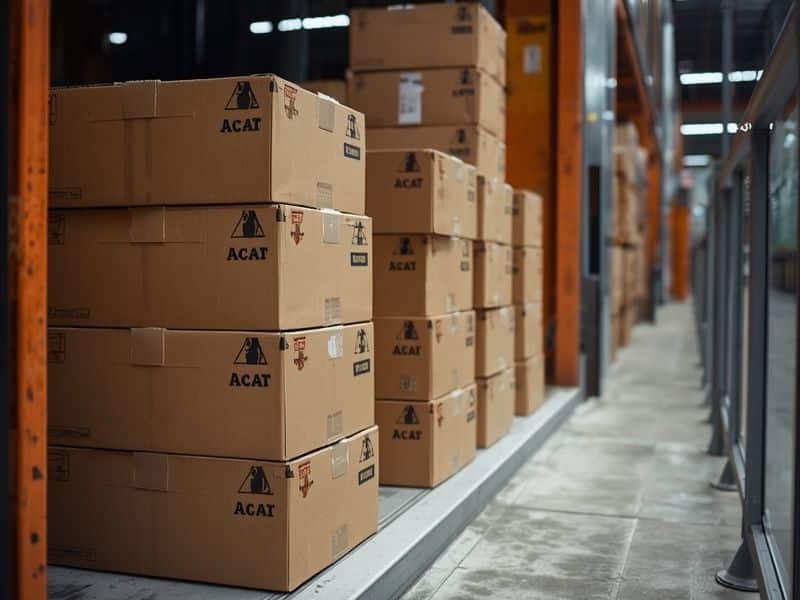
Global revenue estimates for the meal kit market vary across research firms depending on methodology and which segments are included. A thorough market analysis is essential for any business entering or investing in this space. The directional story is consistent: the meal kit market is growing, with projections pointing to substantial expansion through the late 2020s and into the 2030s. According to Statista, the global meal kit delivery segment is projected to reach USD 14.59 billion in 2024, with strong growth expected in the years ahead.
| Source | Year | Market Value | Growth Rate |
|---|---|---|---|
| Next Move Research | 2022 | USD 15.78 billion | Baseline |
| IMARC Group | 2023 | USD 14.1 billion | Baseline |
| Statista (projected) | 2024 | USD 14.59 billion | Baseline |
| Next Move Research | 2030 forecast | USD 52.22 billion | 18.7% CAGR (2023–2030) |
| IMARC Group | 2032 forecast | USD 41.9 billion | ~12% CAGR |
An 18.7% compound annual growth rate across seven years would place the meal kit market comfortably above $50 billion by 2030, making it one of the stronger growth stories in consumer food services.
Regional Growth Dynamics
North America accounts for approximately 42% of global meal kit market revenue. High household disposable income, a mature direct-to-consumer e-commerce infrastructure, and an established culture of food delivery have created fertile conditions. Growth there is now driven primarily by retention rather than acquisition.
The Asia-Pacific region represents the strongest growth opportunity in the meal kit market over the next decade. Rapid urbanisation, a growing middle class, and improving cold-chain logistics across China, Japan, South Korea, and Southeast Asia are creating substantial new demand. The Middle East, including Saudi Arabia and the UAE, is also emerging as a significant growth corridor.
In the UK and wider Europe, the meal kit market narrative is shaped partly by the cost-of-living context. British consumers have increasingly positioned meal kits as a cost management tool, using them to replicate restaurant-quality meals at home rather than eating out. European providers have also led the sector on sustainable packaging and ethical sourcing.
Key Growth Drivers
- Time scarcity among working adults and dual-income households driving demand for pre-planned meal solutions
- Health consciousness and a preference for visible, controllable ingredient lists over processed ready meals
- Smartphone adoption and the normalisation of subscription services across every consumer category
- Growing niche options catering to vegan, keto, gluten-free, and high-protein dietary needs
- AI-driven personalisation tools allowing providers to match meal recommendations to individual preferences at scale
Market Challenges
- Customer acquisition costs remain high as digital advertising costs have risen across Meta and Google platforms
- Subscription fatigue: consumers are managing multiple recurring payments and the meal kit market competes directly with streaming services, gym memberships, and grocery delivery
- Cold-chain logistics are expensive, and maintaining ingredient freshness across last-mile delivery is operationally complex
- Competition from restaurant aggregators and rapid grocery delivery services has intensified
Delivery Service Models in the Meal Kit Market
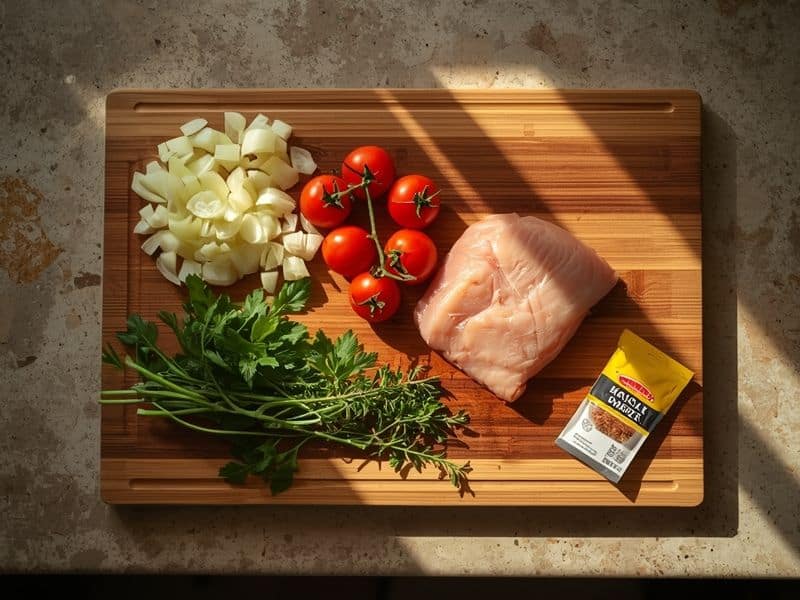
One of the most significant shifts in the meal kit market over the past three years has been the fragmentation of what a meal kit delivery service actually means. Understanding the different delivery structures helps explain where growth is concentrated and where margin pressure is most acute.
Cook-and-Eat Kits
The original format of the meal kit market, cook-and-eat kits deliver raw, pre-portioned ingredients with a step-by-step recipe card. Customers spend roughly 30 to 50 minutes preparing the meal. This format built the industry and remains popular with cooking enthusiasts and families. However, growth has slowed. As consumers returned to office-based work post-pandemic, the time commitment became a barrier, and elevated churn rates after initial discount periods are particularly pronounced in this segment.
Heat-and-Eat and Ready-to-Eat Options
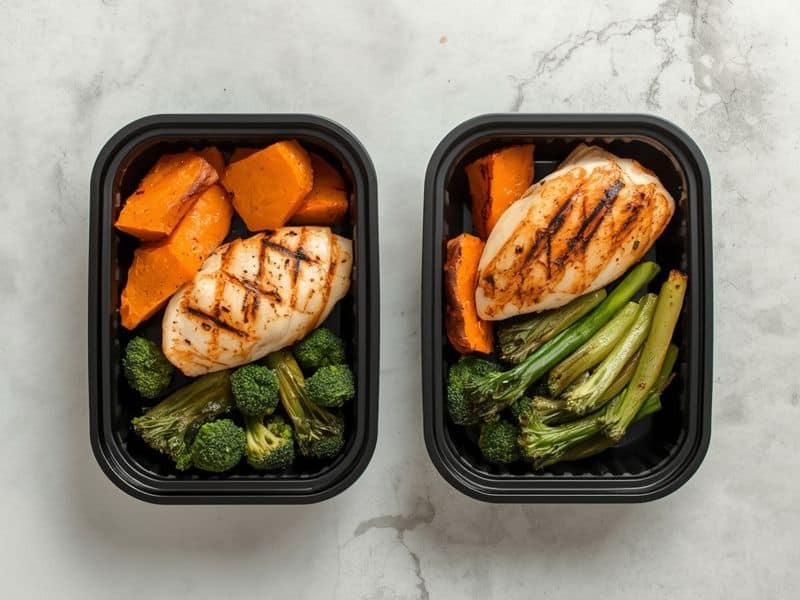
The heat-and-eat and ready-to-eat segments are capturing the majority of net-new growth in the meal kit market. These services deliver fully or partially prepared meals requiring just three to eight minutes. The convenience proposition is absolute, and customer lifetime value tends to be higher because the low friction removes the most common reasons for cancellation. Services like Factor (owned by HelloFresh) and Fresh Fitness Food in the UK have demonstrated that consumers will pay a premium for nutritionally designed, chef-prepared meals that fit a busy schedule without compromise.
Subscription Versus On-Demand Models
The traditional subscription model is being challenged by on-demand and hybrid purchasing options. A growing number of providers now allow individual deliveries without a recurring commitment. Hybrid models that allow easy switching, pausing, and portion-size adjustments are becoming the competitive standard. From a digital marketing perspective, this shift requires a more sophisticated customer journey where the acquisition funnel and retention strategy account for customers in different relationship modes with the service.
| Model | Cooking Time | Key Audience | Churn Risk | LTV Potential |
|---|---|---|---|---|
| Cook-and-Eat | 30–50 mins | Cooking enthusiasts, families | High post-trial | Moderate |
| Heat-and-Eat | 3–8 mins | Professionals, fitness-focused | Lower | High |
| Ready-to-Eat | 0–2 mins | Older adults, ultra-busy | Lowest | High |
| On-Demand/Hybrid | Varies | Flexible consumers | Managed by design | Variable |
Meal Kit Market Segmentation
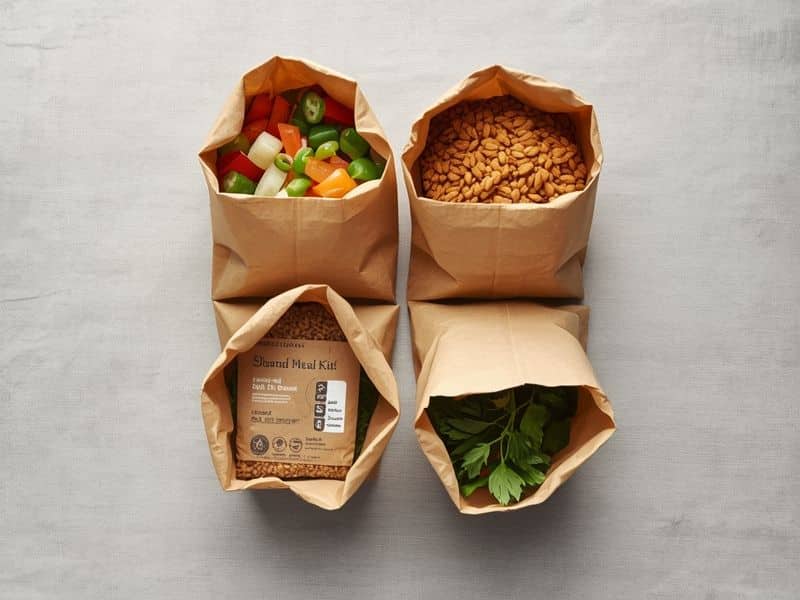
The meal kit market serves a wide range of consumer profiles, and effective segmentation is critical for both providers designing their product range and marketers trying to reach the right audience through digital channels. Personalisation and niche positioning now drive competitive advantage.
Demographic Segmentation
Millennials and Gen Z drive the largest share of subscriptions in the meal kit market, partly due to their comfort with digital purchasing and subscription services. Baby Boomers are an underserved but growing segment; as this demographic ages, convenience and health management become increasingly important, and the meal kit format addresses both. Higher-income households remain the most reliable subscribers, but the gap is narrowing as budget-focused providers have demonstrated that price-sensitive consumers will participate if the value proposition is framed correctly.
Dietary and Preference Segmentation
The meal kit market has evolved from a fixed weekly menu to highly customised meal selections based on dietary requirements and personal preferences:
- Plant-based and vegan meal kits have moved from niche to mainstream, with most major providers now offering dedicated plans
- Keto and low-carbohydrate kit ranges have grown alongside the mainstream adoption of these dietary approaches
- Allergen-specific kits catering to gluten intolerance, nut allergies, and dairy-free requirements serve a consumer segment that struggles with standard meal provision
- High-protein and sports nutrition-focused kits have grown strongly alongside the fitness and wellness trend
The GLP-1 weight management medication trend is creating a highly specific new dietary segment in the meal kit market. Consumers using these medications require smaller portions and higher protein content that standard kits do not always satisfy. Providers that move quickly to address this will have a meaningful first-mover advantage.
Values and Sustainability Segmentation
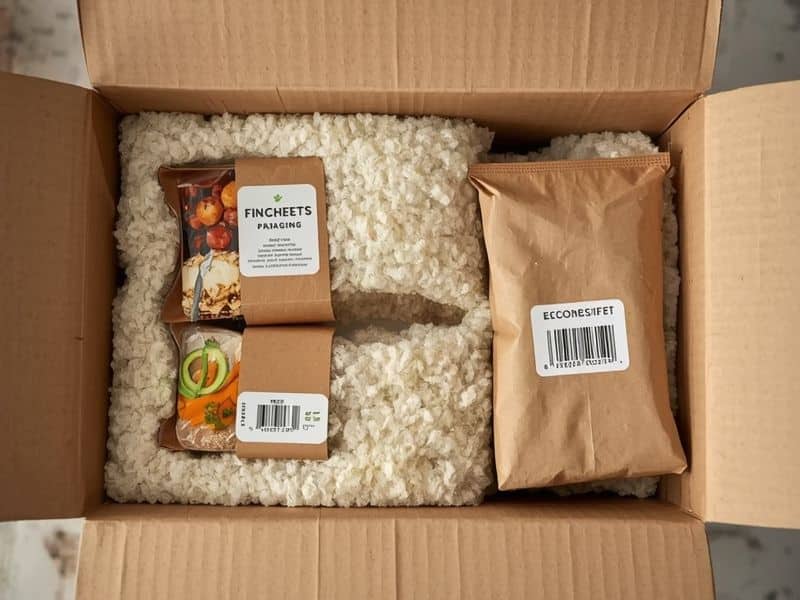
Sustainability has become a baseline expectation in significant portions of the meal kit market, particularly in the UK and Europe. Minimal and fully recyclable packaging is now a category requirement for premium positioning. Locally sourced and seasonal ingredients appeal strongly to environmentally aware consumers, while support for small-scale and independent farmers is a growing content and marketing theme among providers targeting values-conscious segments.
Digital Strategy for Meal Kit Brands
The meal kit market is, at its core, a digital business. Customer acquisition happens online, subscription management is digital, and behavioural data is the most valuable operational asset a meal kit company possesses. The strategic challenges that define success in the meal kit market are the same ones that define effective digital marketing: reducing cost per acquisition, improving retention, personalising at scale, and building brand differentiation in a crowded marketplace.
Ciaran Connolly, founder of ProfileTree, notes: “The meal kit sector is one of the clearest examples we see of a business model that lives or dies on its digital foundations. A brilliant product with poor SEO, a weak email retention sequence, or a clunky subscription management experience will haemorrhage customers. The businesses that succeed are the ones treating their website and content strategy with the same rigour they apply to their recipe development.”
Content Marketing and SEO
Organic search is a critical acquisition channel for meal kit market brands, but it requires a sophisticated content strategy to compete effectively. ProfileTree’s SEO services and content marketing work together to build the organic acquisition foundation that the meal kit market’s leading brands rely on. The search landscape is dominated by informational queries around recipes, dietary plans, and delivery service comparisons. Brands that build genuine topical authority through consistent, high-quality content earn both search visibility and brand credibility simultaneously.
AI and Personalisation
Artificial intelligence is reshaping the meal kit market across multiple dimensions. At the customer-facing level, AI recommendation engines analyse dietary preferences, past order history, and behavioural signals to surface meal suggestions that match individual tastes. At the operational level, AI tools are used for demand forecasting, procurement optimisation, and dynamic pricing. Reducing food waste through accurate demand prediction is both a sustainability win and a significant margin improvement.
ProfileTree’s AI marketing and automation and digital training services help organisations across Northern Ireland, Ireland, and the UK understand what personalisation tools are realistic for their size and budget. For meal kit market brands looking to improve retention through conversational channels, AI chatbot solutions offer a cost-effective way to handle subscription management queries and dietary personalisation at scale.
Video Content

Video is the natural content format for the meal kit market. Recipe demonstration, ingredient sourcing stories, and behind-the-scenes production content translate exceptionally well to both short-form and long-form video. The meal kit market’s leading brands maintain strong YouTube presences and have built significant audiences through TikTok and Instagram Reels. ProfileTree’s video production services help food and e-commerce businesses create video content that serves both audience engagement and search visibility simultaneously.
Social Media Strategy
The meal kit market is unusually well suited to social media. The visual nature of food preparation, combined with the storytelling potential of ingredient sourcing and recipe creation, creates a natural content pipeline for Instagram, TikTok, Pinterest, and YouTube. A well-executed social media marketing strategy can drive both trial subscriptions and brand loyalty, particularly when content is tailored to the specific audience segment a provider is targeting.
Website Performance and Conversion
The meal kit market has some of the most intensively tested subscription websites in e-commerce. Leading providers invest heavily in conversion rate optimisation because the lifetime value of a retained subscriber justifies significant upfront investment in the acquisition journey. Before investing in website optimisation, a thorough competitive landscape analysis helps identify exactly where rival meal kit market brands are winning and losing customers. Paired with conversion rate optimisation tools and a structured testing programme, this provides the evidence base for meaningful improvements.
Key Players in the Meal Kit Market
The competitive landscape of the global meal kit market has consolidated significantly since the peak fragmentation period around 2018–2020. Several major players now dominate by volume, while a healthy tier of niche and regional providers competes on dietary specialisation or sustainability credentials.
| Provider | Model | Key Strength | Market Focus |
|---|---|---|---|
| HelloFresh | Subscription (cook-and-eat) | Scale, variety, affordability | Global |
| Blue Apron | Subscription (cook-and-eat) | Established US brand, quality ingredients | North America |
| Factor (HelloFresh) | Heat-and-eat | Fully prepared, nutritionist-designed | North America |
| Home Chef | Subscription (customisable) | Protein and side selection flexibility | North America |
| Sunbasket | Subscription (health-focused) | Organic ingredients, dietary targeting | North America |
| EveryPlate | Budget subscription | Low price point, simple recipes | North America, UK |
| Gousto | Subscription (cook-and-eat) | UK-focused, strong recipe variety | United Kingdom |
| Mindful Chef | Subscription (health-focused) | Clean eating, meal donation per kit | United Kingdom |
The UK meal kit market is led by Gousto and HelloFresh, with challenger brands competing on health, sustainability, or ethical positioning. Grocery own-brand kit ranges from Tesco, Marks and Spencer, and Waitrose also compete directly on convenience and price without the subscription commitment.
Conclusion
The meal kit market sits at a fascinating intersection of food, technology, and subscription commerce. The revenue forecasts point to a sector that will continue to expand significantly through the late 2020s, driven by convenience demand, dietary personalisation, and the gradual normalisation of food subscription services across a wider demographic.
For businesses operating in or adjacent to the meal kit market, the strategic lessons are clear. Content marketing and SEO build the organic acquisition foundation. AI-powered personalisation reduces churn and improves lifetime value. Video content creates brand affinity and supports search visibility. And website performance determines whether traffic converts into revenue.
At ProfileTree, we support food, e-commerce, and subscription businesses across Northern Ireland, Ireland, and the UK with web design and website development, SEO services, content marketing, video production services, and AI marketing and automation. If you want to apply the lessons from the meal kit market to your own digital strategy, our team is ready to help.
FAQs
What is the current size of the global meal kit market?
Current estimates place the global meal kit market at USD 14 to 16 billion. Next Move Research forecasts it reaching USD 52.22 billion by 2030, at an 18.7% CAGR from 2023.
What are the main meal kit delivery services in the UK?
The UK meal kit market is led by Gousto and HelloFresh. Other notable services include Mindful Chef and several supermarket own-brand ranges from Tesco, Marks and Spencer, and Waitrose.
Why do meal kit companies struggle with customer retention?
Subscription fatigue, the weekly cooking commitment, and competing convenience options all drive high churn in the meal kit market. Heat-and-eat providers retain customers longer. Personalisation, flexible pausing, and loyalty incentives are the main retention tools.
How does the meal kit market relate to digital marketing strategy?
The meal kit market is fundamentally a digital business. A robust digital marketing strategy is the difference between a brand that builds a loyal subscriber base and one that burns through acquisition budget. The SEO, content, and conversion principles that meal kit market leaders use apply directly to any subscription or e-commerce business.
What opportunities exist for new entrants in the meal kit market?
The strongest remaining opportunities in the meal kit market are high-protein and GLP-1-aligned niche plans, geographic expansion into APAC and Middle Eastern markets, B2B corporate wellness programmes, and sustainability-led positioning for values-conscious consumer segments.
How is AI being used in the meal kit market?
AI is applied across the meal kit market for personalised meal recommendations, demand forecasting, dynamic pricing, churn prediction, and cold-chain logistics optimisation.