
Latest Social Media Trend: Is Your Business Missing Out?
Table of Contents
Social media continues to transform the way businesses connect with their customers. The platforms, formats, and strategies that were effective last year may no longer yield results. For business owners and marketing managers across Northern Ireland, Ireland, and the UK, understanding current social media trends isn’t optional—it’s a competitive necessity.
This guide examines the most significant social media trends currently affecting businesses, from the dominance of short-form video to the rise of AI-powered tools. You’ll learn practical strategies to adapt your social media presence, backed by data and real-world applications relevant to SMEs.
Whether you’re building your first social media strategy or refining an established approach, this article provides actionable insights to help your business stay relevant and generate measurable results.
What Defines a Social Media Trend
A social media trend represents a pattern of behaviour, content format, or platform feature that gains widespread adoption within a specific timeframe. These trends emerge from shifts in user behaviour, platform algorithm updates, and broader cultural movements.
Understanding trends requires distinguishing between fleeting fads and meaningful shifts in how people consume content. A hashtag challenge might disappear within weeks, while the broader move toward authentic, unpolished content represents a fundamental change in audience expectations.
Why Social Media Trends Matter for Business
Social media trends directly impact your ability to reach your target audience. Platform algorithms reward content that aligns with current user preferences, meaning businesses that adapt their content strategy see higher organic reach and engagement rates.
For SMEs with limited marketing budgets, following relevant trends offers a cost-effective way to compete with larger competitors. A Belfast-based retailer using trending audio on Instagram Reels can achieve the same visibility as a national brand, provided the content resonates with the local audience.
The pace of change means that businesses need continuous monitoring rather than annual strategy reviews. What works on LinkedIn differs from TikTok approaches, and each platform evolves its features and algorithm priorities throughout the year.
The Current State of Social Media Usage
Social media usage continues to grow, with over 5 billion users worldwide as of 2025. Mobile devices account for approximately 80% of social media usage, fundamentally shaping how content needs to be formatted and delivered.
Users now maintain accounts across multiple platforms, with the average person using seven different social networks each month. This fragmentation means businesses need to make strategic choices about where to focus their efforts, rather than attempting to maintain a presence everywhere.
Attention spans on social platforms remain short, with most users deciding within three seconds whether to engage with content or scroll past. This reality drives the need for immediate hooks and value delivery at the start of every post or video.
The Dominance of Short-Form Video Content
Short-form video has become the most engaging content format across social media platforms. TikTok’s explosive growth demonstrated user appetite for quick, entertaining video content, prompting Instagram, YouTube, and Facebook to introduce their own short-video features.
This shift represents more than just a preference for format. It reflects fundamental changes in how people consume information and make purchasing decisions. Videos enable businesses to effectively demonstrate products, share customer testimonials, and establish a brand personality in ways that static images and text cannot replicate.
For businesses in Northern Ireland and across the UK, short-form video offers an accessible entry point. The equipment requirements are minimal—a smartphone and natural lighting often suffice—but the content strategy requires careful thought about messaging, pacing, and platform-specific norms.
Creating Effective Short-Form Video Content
Successful short-form videos prioritise immediate engagement. The first three seconds determine whether viewers continue watching or scroll past, making the opening hook critical to performance.
Vertical formatting (9:16 aspect ratio) has become standard, as this fills mobile screens and creates an immersive viewing experience. Businesses still producing horizontal videos miss opportunities to capture the full attention of users.
Sound-off viewing remains prevalent, with studies showing over 80% of social videos are initially watched without audio. Adding captions isn’t optional—it’s required for accessibility and to ensure your message is understood even when users browse in public spaces or work environments.
ProfileTree specialises in social media video production that prioritises platform-native formats. Our approach focuses on creating content optimised for each platform’s unique characteristics, from TikTok’s trend-led style to LinkedIn’s professional tone.
Platform-Specific Video Strategies
TikTok and Instagram Reels reward authenticity over polish. Content that feels user-generated often outperforms highly produced videos, as it matches the platform’s native aesthetic. Businesses should consider adopting a more casual, behind-the-scenes approach rather than traditional advertising styles.
YouTube Shorts offers businesses opportunities to leverage the platform’s powerful search functionality. Videos optimised for search terms can generate ongoing traffic long after publication, unlike the ephemeral nature of TikTok content.
LinkedIn video content follows different rules, where professional presentation and precise value delivery take precedence over entertainment. Thought leadership content, industry insights, and case studies perform well when presented by company leaders or subject matter experts.
“We’ve seen businesses transform their social media performance by shifting focus from production quality to content relevance,” says Ciaran Connolly, Director of ProfileTree. “The companies seeing the best results understand their audience’s needs and deliver value in the first three seconds of every video.”
Navigating Multiple Social Media Platforms
Each social media platform serves distinct user needs and requires adapted content strategies. Attempting to replicate the duplicate content across all platforms typically delivers poor results, as each audience expects platform-appropriate content.
Strategic platform selection matters more than omnipresence. An engineering firm might generate better returns by focusing exclusively on LinkedIn than by spreading its efforts thin across TikTok, Instagram, and Twitter. Understanding where your target audience spends time and what they expect on each platform informs this decision.
Cross-posting remains tempting for time-strapped marketing teams, but platform algorithms increasingly penalise obviously reposted content. The watermarks, formatting issues, and mismatched aspect ratios signal low-effort content to both algorithms and users.
Instagram: Reels and Story Content
Instagram’s algorithm currently favours Reels over static posts, with Reels receiving significantly higher reach and engagement. Businesses maintaining an Instagram presence should prioritise video content as their primary format, with static images serving a supplementary role.
Instagram Stories provide opportunities for time-sensitive content, promotions, and behind-the-scenes material. The 24-hour lifespan creates urgency whilst allowing for less polished, more frequent posting without cluttering the main feed.
The platform’s shopping features enable direct product discovery and purchase, particularly valuable for retail businesses. Integrating product tags and shoppable posts turns Instagram from an awareness channel into a direct sales driver.
TikTok: Entering a Youth-Dominated Space
TikTok’s user base extends well beyond teenagers, with growing adoption among users aged 25-44. Businesses dismissing the platform as irrelevant miss opportunities to reach engaged audiences actively seeking product recommendations.
The platform’s “For You” page algorithm provides remarkable reach potential for new accounts, unlike Instagram or Facebook, where organic reach requires an established following. Quality content from brand-new accounts regularly achieves viral distribution.
TikTok users expect entertainment first, with selling as a secondary priority. Businesses succeeding on the platform typically adopt educational, humorous, or highly creative approaches rather than traditional product-focused advertising.
LinkedIn: Professional Networking and B2B Content
LinkedIn excels in serving B2B marketing and professional services particularly well. Decision-makers actively utilise the platform for industry news, professional development, and vendor research, making it an ideal venue for thought leadership content.
Personal profiles typically achieve higher engagement than company pages, suggesting businesses should activate employee advocacy programmes rather than relying solely on corporate accounts. Company leaders who share expertise from their personal profiles often see 10 times the engagement of company page posts.
Long-form articles, detailed case studies, and data-driven insights tend to perform well on LinkedIn, contrasting with the brevity typically required on other platforms. Users visit LinkedIn expecting substantive professional content rather than quick entertainment.
Facebook: Community and Local Business Focus
Facebook’s declining organic reach for business pages has shifted the platform’s value proposition. Groups and community-building now deliver better results than traditional page posting for many businesses.
Local businesses benefit from Facebook’s mature local business features, including location-based targeting, event promotion, and customer reviews. For Belfast businesses targeting local customers, Facebook remains highly relevant despite declining usage among younger demographics.
Facebook Marketplace has become a significant platform for retail businesses, offering free product listing opportunities with built-in payment and messaging systems. This represents accessible e-commerce for businesses not ready to invest in dedicated online shops.
AI Tools Transforming Social Media Management
Artificial intelligence has moved from experimental technology to a practical tool for social media management. AI-powered platforms now handle content scheduling, performance analytics, caption generation, and even image creation.
These tools don’t replace human creativity but amplify what small marketing teams can accomplish. An SME with one person managing social media can now produce content volumes previously requiring multiple staff members.
However, AI-generated content requires careful oversight and monitoring. Platform algorithms and users increasingly detect generic AI writing, and authenticity remains the currency of social media success. The most effective approach combines AI efficiency with human insight and a brand’s unique voice.
Content Creation and Ideation
AI tools generate social media post ideas based on trending topics, competitor content, and historical performance data. These systems identify content gaps and suggest issues likely to resonate with your audience.
Image generation tools like Midjourney and DALL-E enable the creation of custom graphics without requiring design skills or subscriptions to stock photos. Whilst these images work well for concept visualisation and specific content types, branded photography still delivers stronger results for customer-facing content.
Caption writing assistance speeds content production but requires editing to match your brand voice. AI-generated captions often lack the personality and local context that make content relatable to your specific audience.
ProfileTree offers AI training programmes specifically designed for marketing teams, teaching practical applications of AI tools whilst maintaining brand authenticity and strategic thinking.
Analytics and Performance Optimisation
AI-powered analytics platforms identify patterns in post performance, suggesting optimal posting times, content formats, and topics. These insights enable businesses to transition from guesswork to data-driven content strategies.
Predictive analytics forecast content performance before publication, allowing teams to refine posts before they go live. This reduces wasted effort on content unlikely to resonate with your audience.
Competitor analysis tools track competitor content performance and strategy shifts, providing insights into what works within your industry. This competitive intelligence informs your own content approach without requiring manual monitoring.
Chatbots and Customer Service Automation
Social media chatbots handle common customer enquiries 24/7, providing instant responses whilst freeing human staff for complex questions. Well-implemented chatbots improve customer satisfaction whilst reducing service costs.
Modern chatbots powered by large language models handle more natural conversations than earlier rule-based systems. They understand context, handle follow-up questions, and escalate to human agents when appropriate.
However, transparency matters. Users should be aware when interacting with AI rather than humans, and businesses must monitor conversations to identify areas where chatbots provide inadequate responses.
Building Communities Over Broadcasting
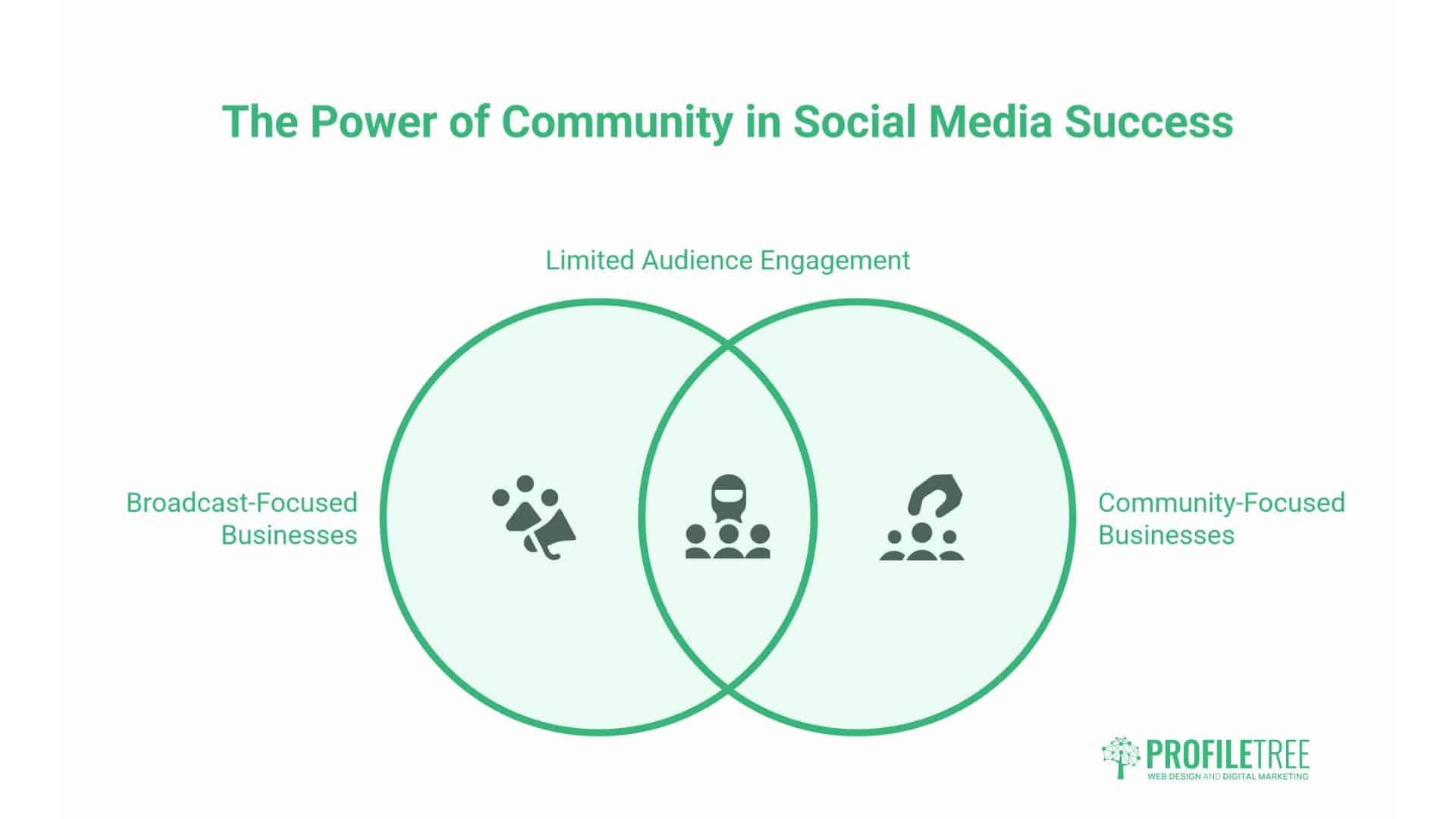
Social media has shifted from a broadcast medium to a conversation platform. Businesses that treat social channels as one-way advertising vehicles struggle to build engaged audiences, whilst those fostering genuine community see stronger results.
Community building requires consistent engagement, responding to comments and messages, and creating content that sparks conversation. This approach requires a greater time investment but generates loyal audiences who amplify your message organically.
Private groups and exclusive communities offer particular value, creating spaces where customers feel a sense of ownership and connection. These communities often become valuable sources of product feedback, user-generated content, and peer-to-peer support.
Creating Engagement-Focused Content
Questions, polls, and interactive content generate higher engagement than promotional posts. Users respond to content, inviting their participation rather than passively consuming it.
User-generated content campaigns turn customers into content creators, providing authentic material whilst strengthening customer relationships. Contests, challenges, and feature opportunities motivate participation.
Behind-the-scenes content humanises businesses and builds connections. Showing team members, workspace, and production processes helps audiences relate to your business as a group of people rather than a corporate entity.
Responding to Audience Interactions
Response time significantly impacts customer perception. Users expect responses within hours on social platforms, with delays suggesting poor customer service or a lack of interest in customer feedback.
Public responses to comments demonstrate active community management to all followers, not just the individual commenter. This visibility builds confidence in your customer service across your entire audience.
Negative comments require careful handling. Defensive or dismissive responses damage a reputation, while thoughtful, solution-focused replies demonstrate professionalism and a commitment to customer satisfaction.
Influencer Partnerships and Micro-Influencers
Influencer marketing continues to mature, with businesses shifting from celebrity partnerships to collaborations with micro-influencers. Micro-influencers (accounts with 10,000-100,000 followers) often deliver better ROI through higher engagement rates and more authentic audience relationships.
Local influencers offer particular value to Northern Ireland businesses, providing access to geographically concentrated audiences. A Belfast food blogger promoting your restaurant reaches precisely the customers who can actually visit.
Long-term partnerships generate better results than one-off sponsored posts. Ongoing collaborations enable influencers to experience products and services firsthand, resulting in more authentic endorsements.
Live Streaming and Real-Time Content
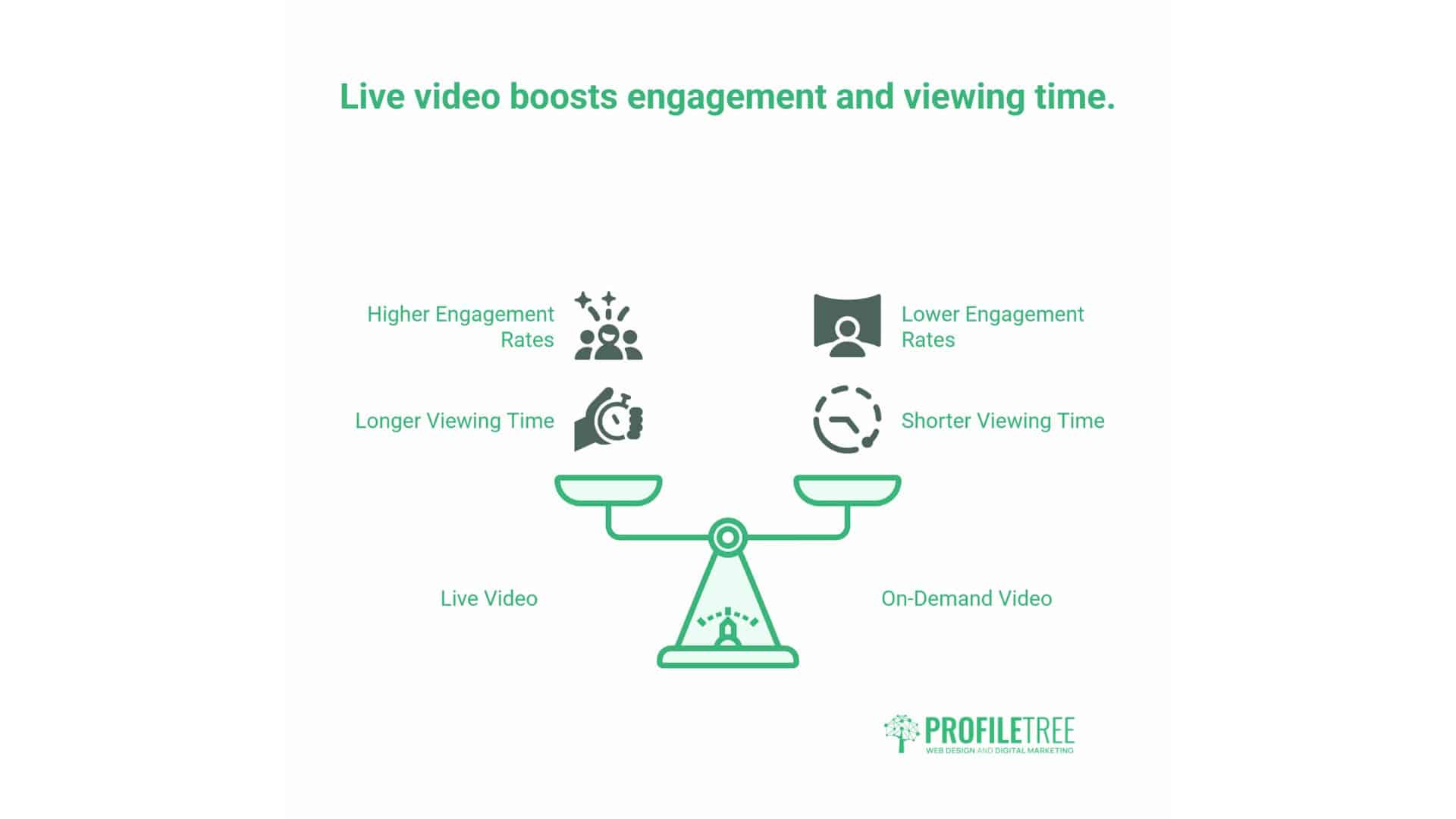
Live video creates a sense of urgency and authenticity, which is impossible with pre-recorded content. Viewers watch live content an average of three times longer than on-demand video, and engagement rates typically exceed those of standard posts.
Live streaming is compatible with multiple formats, including product launches, behind-the-scenes tours, Q&A sessions, and live shopping events. Each format serves different business objectives whilst building audience connection.
The informal nature of live content actually benefits businesses, as production imperfections feel authentic rather than problematic. Users appreciate the unscripted, genuine interactions that live streaming enables.
Live Shopping and E-commerce Integration
Live shopping combines entertainment with immediate purchasing opportunities. Viewers watch product demonstrations and make purchases directly within the stream, eliminating friction from the buying process.
This format works particularly well for fashion, beauty, and home goods, where visual demonstration drives purchase decisions. Businesses can showcase products, answer questions in real-time, and create time-limited offers, all of which drive immediate action.
Platform features increasingly support live commerce, with Instagram, TikTok, and Facebook all offering native shopping integrations. This infrastructure enables live shopping for businesses without requiring third-party tools.
Virtual Events and Webinars
Virtual events expanded rapidly during pandemic restrictions and remain valuable for reaching geographically dispersed audiences. Webinars, workshops, and virtual conferences provide educational content while generating leads.
LinkedIn and Facebook both offer event features supporting registration, reminders, and post-event engagement. These tools help businesses manage the whole event lifecycle within social platforms.
Hybrid events combining in-person and virtual attendance maximise reach whilst maintaining the benefits of face-to-face connection. For Belfast businesses, this approach allows participation from clients across Ireland and the UK without requiring travel.
Emerging Technologies: AR, VR, and the Metaverse
Augmented reality filters have moved beyond entertainment to practical business applications. Furniture retailers use AR to show how products look in customers’ homes, whilst beauty brands enable virtual makeup try-ons.
These features reduce purchase hesitation by allowing customers to visualise products before making a purchase. The technology has become accessible, with platforms like Instagram and Snapchat offering built-in AR creation tools.
Virtual reality adoption remains more limited but offers unique opportunities for immersive brand experiences. Estate agents, tourism businesses, and event venues particularly benefit from VR showcases.
Creating Branded AR Experiences
Custom AR filters build brand awareness whilst providing shareable experiences. When users apply your filter and share the result, they naturally expose your brand to their entire network.
Product visualisation AR solves practical customer problems, particularly for products where fit, scale, or appearance are key considerations. This functionality directly supports purchase decisions rather than just building awareness.
The technical barriers to AR creation have significantly lowered, with no-code tools enabling businesses to create simple filters without requiring developer resources. More complex experiences still require specialist development but have become more affordable.
Content Strategies for 2026 and Beyond
Authenticity increasingly outweighs production quality. Users respond more strongly to genuine, relatable content than to polished corporate messaging. This shift reduces barriers for small businesses whilst challenging larger organisations to adapt.
Educational content consistently performs well across platforms. Users seek solutions to problems, answers to questions, and opportunities for skill development. Businesses providing this value build trust and position themselves as industry authorities.
Consistency matters more than frequency. Regular posting schedules train audiences when to expect content and signal active business management. Three quality posts per week typically outperform daily, low-effort content.
Repurposing Content Across Platforms
Efficient content strategies involve creating core content pieces and adapting them for different platforms. A blog article can be transformed into a LinkedIn post, an Instagram carousel, a TikTok video series, and an email newsletter.
This approach maximises return on content creation effort whilst maintaining platform-appropriate formatting. The key lies in accurate adaptation rather than mere reposting—changing format, length, and style to suit each platform’s norms.
Content calendars help manage cross-platform strategies and plan themes while allowing flexibility for trending topics or timely responses. ProfileTree’s content marketing services help businesses develop and execute strategic plans.
Measuring What Matters
Vanity metrics, such as follower counts, provide limited insight into social media performance. Engagement rates, click-throughs, and conversions are more effective indicators of whether social media efforts meet business objectives.
Different platforms serve different goals. Brand awareness metrics make sense for TikTok, whilst LinkedIn should generate quality leads. Clear goal-setting for each platform guides both content strategy and performance evaluation.
Attribution remains challenging, particularly for longer sales cycles. Multi-touch attribution models offer a more comprehensive understanding of how social media influences the customer journey, rather than just at the point of conversion.
Practical Implementation: Getting Started
Businesses new to social media or looking to enhance their existing efforts should begin by selecting the right platform. Focus on one or two platforms where your target audience is actively engaged, rather than spreading yourself too thin across many channels.
Audit existing content to identify what resonates with your audience. Look for patterns in high-performing posts—such as topics, formats, and posting times—and build your strategy around these insights.
Allocate realistic resources for social media management. Effective social presence requires a consistent investment of time in content creation, community management, and performance analysis. Failing to meet this requirement results in inconsistent execution and poor outcomes.
Building a Social Media Team
Small businesses often assign social media to whoever has spare time, typically producing disappointing results. Treating social media as a strategic function requiring dedicated resources yields better outcomes.
For businesses unable to hire dedicated social media managers, ProfileTree offers digital marketing training programmes that teach effective social media strategies to existing team members.
Outsourcing represents another option, with specialist agencies bringing expertise and freeing internal teams to focus on core business functions. This approach works particularly well for businesses that need sophisticated strategies but lack in-house expertise.
Common Pitfalls to Avoid
Inconsistent posting damages credibility and audience trust. Irregular activity suggests business instability or a lack of interest in customer communication. Maintaining a consistent presence, even with reduced frequency, outperforms sporadic intense activity.
Ignoring negative feedback or comments compounds problems. Unaddressed complaints remain visible to all followers, while thoughtful responses demonstrate a commitment to customer service and often turn dissatisfied customers into advocates.
Over-automation removes the “social” from social media. Whilst scheduling tools enable consistency, businesses still need human oversight for engagement, response, and adaptation to real-time events.
Regional Considerations for UK Businesses
UK and Irish businesses face unique opportunities and challenges in social media marketing. Regional differences in platform preferences, content styles, and user behaviour require localised strategies rather than assuming global best practices apply universally.
Northern Ireland businesses particularly benefit from social media’s ability to reach audiences across both Northern Ireland and the Republic, overcoming geographic and political boundaries. Digital channels enable business growth throughout the island of Ireland without physical expansion.
Local events, landmarks, and cultural references make content relatable to regional audiences, building community connections. Belfast businesses that mention Cathedral Quarter locations or local events demonstrate a sense of belonging and understanding of the local market.
Compliance and Regulation
UK advertising standards apply to social media marketing, requiring clear disclosure of sponsored content and adherence to specific sector regulations. Businesses must familiarise themselves with ASA guidelines to avoid compliance issues.
Data protection regulations, including GDPR, impact how businesses collect and use customer information from social platforms. Proper consent mechanisms and data handling procedures aren’t optional—they’re legal requirements with significant penalties for violations.
Accessibility requirements impact social media content, necessitating the inclusion of captions for videos, alt text for images, and accommodations for users with various disabilities. These requirements benefit all users whilst ensuring compliance with equality legislation.
FAQs
How much time should businesses spend on social media each week?
Most SMEs require 5-10 hours of weekly social media management, encompassing content creation, scheduling, engagement, and analysis. Businesses with larger audiences or multiple platforms require a proportionally greater amount of time.
Which social media platform delivers the best ROI for SMEs?
Platform effectiveness depends entirely on business type and target audience. B2B businesses typically see better returns from LinkedIn, whilst consumer brands often perform well on Instagram or TikTok. Testing multiple platforms helps identify the best fit for your unique business needs.
Should businesses respond to every comment and message?
Yes, whenever possible. Responses build relationships, provide customer service, and signal active account management to both audiences and platform algorithms. Automated initial responses can acknowledge messages outside business hours whilst committing to detailed follow-up.
How often should businesses post on social media?
Quality trumps quantity, but consistency matters. Most platforms reward regular posting, with three to five posts weekly providing a reasonable baseline. Daily posting works for some businesses, but shouldn’t compromise content quality.
Taking Action: Your Next Steps
Social media success requires strategic planning, consistent execution, and ongoing optimisation. Businesses that approach social media as a serious marketing channel see results, while those treating it as an afterthought waste time and resources.
Start by auditing your current social media presence. What’s working? Where are opportunities? Which platforms make sense for your business objectives? This assessment provides the foundation for an effective strategy.
Consider professional support where gaps exist in expertise or resources. ProfileTree offers comprehensive digital marketing services, from strategy development to execution, helping businesses across Northern Ireland, Ireland, and the UK achieve measurable social media results.
The social media landscape will continue evolving, with new platforms, features, and user behaviours emerging regularly. Businesses that commit to ongoing learning and adaptation position themselves for long-term success, whilst those resisting change increasingly struggle to reach their audiences.
Begin with small, manageable changes rather than attempting a complete transformation overnight. Test new content formats, experiment with different platforms, and learn from results. Social media marketing is iterative, improving through consistent effort and data-driven refinement.
Your competitors are already active on social media, competing for the same audience attention. The question isn’t whether to participate but how strategically you’ll approach these channels to achieve your business objectives.