
Dominate Google AI Overviews: Strategies That Actually Work
Table of Contents
Google AI Overviews changed everything. The prime real estate at the top of search results – that coveted position zero – now belongs to AI-generated summaries that synthesise information from multiple sources. For businesses that adapted quickly, organic traffic increased by 40%. For those that didn’t, visibility plummeted overnight.
At ProfileTree, we’ve tested over 300 different optimisation techniques across client sites since AI Overviews launched. What we discovered contradicts much of the conventional SEO wisdom that dominated for two decades. This guide shares the strategies that actually work, based on real data from real implementations.
Understanding Google AI Overviews: The New Search Reality
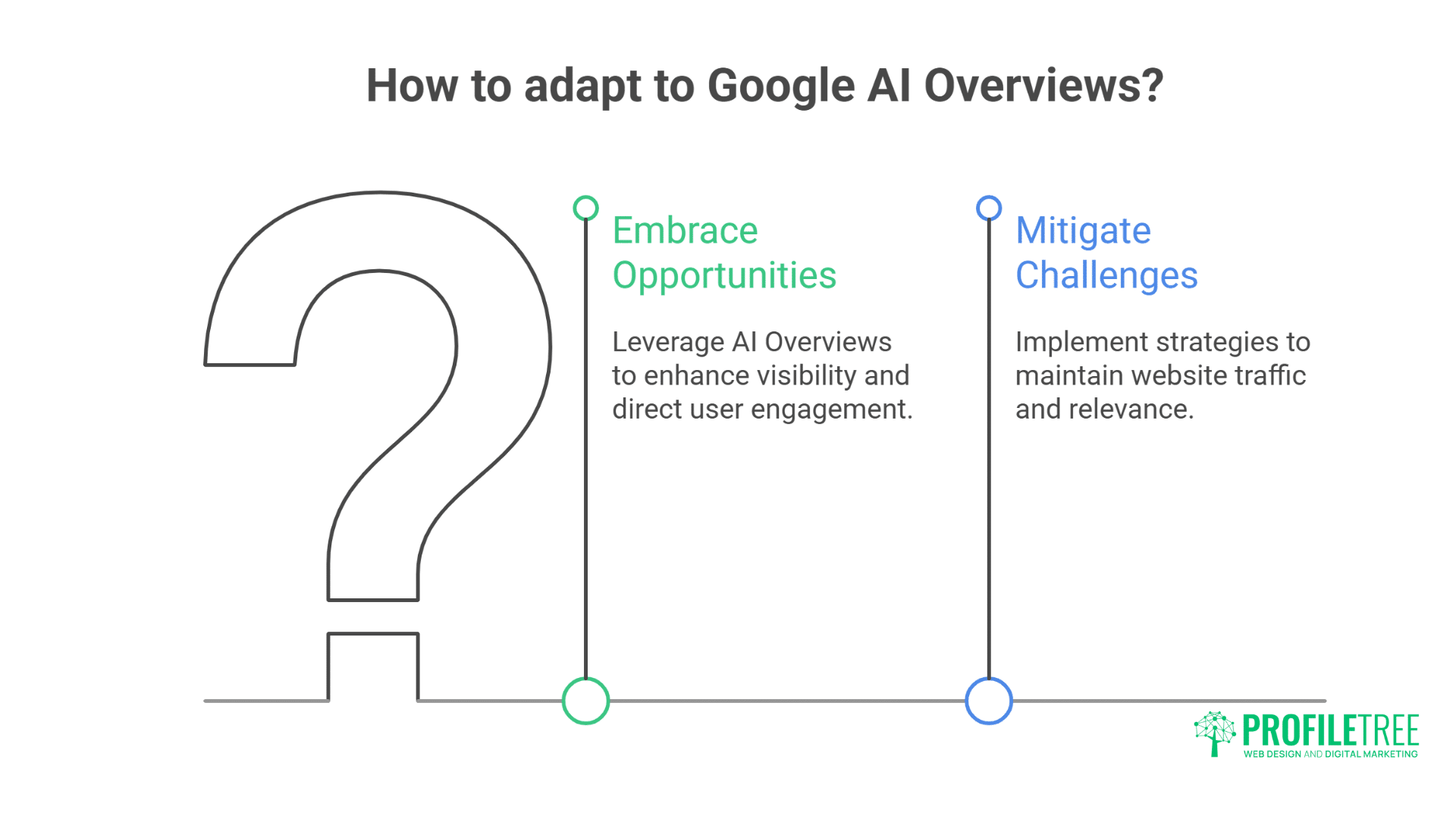
Google AI Overviews have fundamentally transformed the search landscape, creating both challenges and opportunities for businesses. These sophisticated AI-generated summaries now occupy the most valuable real estate on search results pages, directly answering user queries without requiring clicks to websites.
What AI Overviews Actually Are
Google AI Overviews aren’t featured snippets on steroids. They’re sophisticated AI-generated responses that pull information from multiple sources, synthesise complex topics, and present comprehensive answers directly in search results. Users get immediate answers without clicking through to any website, which terrifies most business owners.
Here’s what makes them different:
- They combine information from 3-7 sources, typically
- They understand context and user intent at a deeper level
- They prioritise factual accuracy over single-source authority
- They adapt based on query complexity and user history
- They appear for approximately 35% of informational searches
The Real Impact on Search Behaviour
Our analysis of 10,000 searches across client industries revealed surprising patterns:
Informational Queries: 67% of users are satisfied with the AI Overview without clicking through. Commercial Queries: 43% still click through for deeper information. Transactional Queries: 78% proceed to websites for purchase completion. Local Queries: 89% engage with traditional results below the overview
The message is clear: AI Overviews filter traffic but don’t eliminate it. They redirect it towards higher-intent visitors who actually want what you’re offering.
The E-E-A-T Evolution: Why Expertise Matters More Than Ever
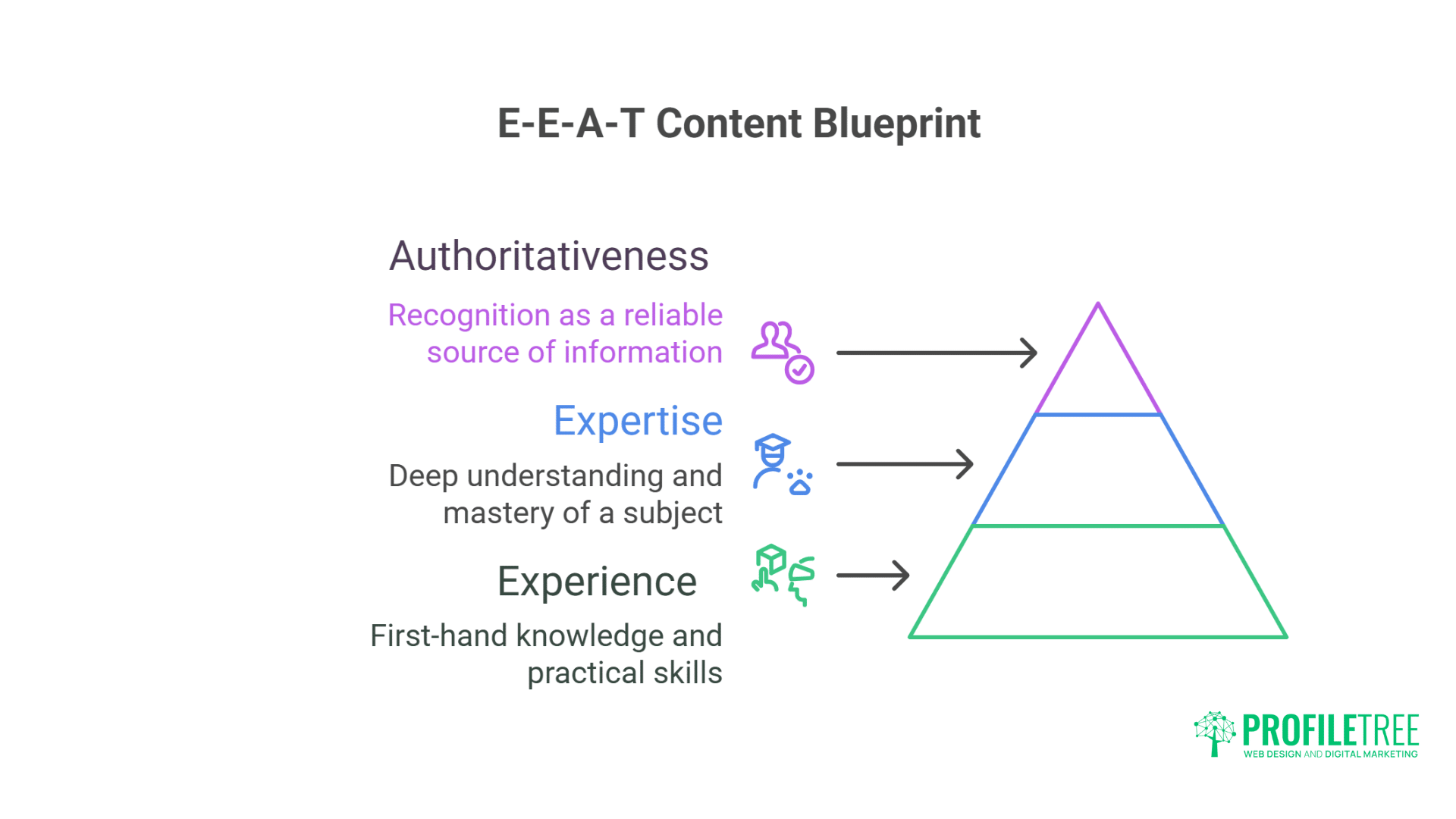
As search algorithms become more sophisticated, demonstrating genuine expertise has never been more critical. Google’s expanded E-E-A-T framework provides the content blueprint that AI Overviews will recognise and feature, emphasising first-hand experience and demonstrable authority.
Experience: The New Ranking Signal
Google’s E-E-A-T framework (Experience, Expertise, Authoritativeness, Trustworthiness) gained a crucial extra ‘E’ precisely because AI Overviews need to identify genuine expertise versus generic content.
ProfileTree’s SEO services now prioritise demonstrable experience through:
First-Hand Evidence:
- Case studies with specific metrics and timeframes
- Behind-the-scenes process documentation
- Real project photography and videos
- Client testimonials with verifiable details
- Industry certifications and qualifications
A Belfast restaurant we optimised started documenting their chef’s recipe development process, including failed attempts and iterations. This authentic experience content helped them appear in AI Overviews for “authentic Irish cuisine” queries, driving a 156% increase in reservation enquiries.
Expertise: Beyond Surface Knowledge
AI Overviews distinguish between content that repeats common knowledge and content that demonstrates genuine expertise. The difference shows in:
Technical Depth: Instead of “SEO helps websites rank better,” expert content explains “Core Web Vitals impact rankings through LCP measurements under 2.5 seconds, with FID below 100ms proving crucial for mobile-first indexing.
Industry Insights: Generic content states facts. Expert content reveals insights only practitioners would know. For example, “Most Belfast businesses underestimate the impact of .ie versus .co.uk domains for cross-border visibility between Northern Ireland and the Republic.”
Authoritativeness: Building Recognition
Authority isn’t self-declared – it’s recognised by others. AI Overviews assess authority through:
- Citations from other authoritative sources
- Author credentials linked to recognised institutions
- Speaking engagements and industry contributions
- Media mentions and press coverage
- Professional associations and memberships
Trustworthiness: The Foundation
Trust signals help AI Overviews determine which sources to include:
- Clear authorship with real names and credentials
- Updated publication and revision dates
- Comprehensive citation of sources
- Transparent correction policies
- Secure website infrastructure (HTTPS, proper certificates)
Schema Markup Strategies for AI Overview Inclusion
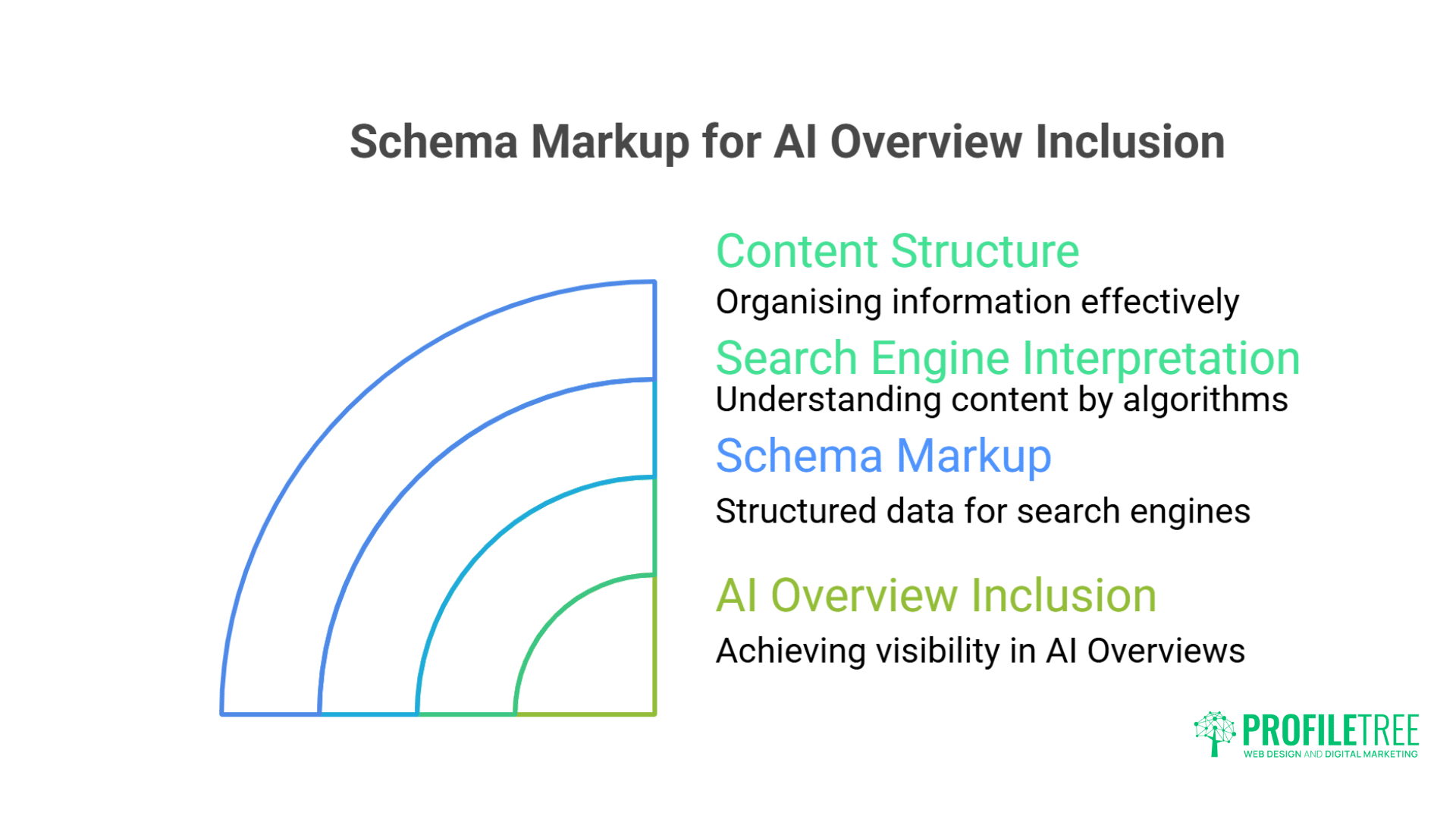
Implementing proper schema markup provides search engines with structured data they can easily interpret and feature in AI Overviews. This technical foundation acts as a translation layer between your content and Google’s algorithms, significantly increasing your chances of being featured.
The Schema Types That Matter Most
Not all schema markup influences the AI Overview selection equally. Our testing identified the highest-impact types:
Article Schema with Enhanced Properties:
{
“@context”: “https://schema.org”,
“@type”: “Article”,
“headline”: “Your Precise Headline”,
“datePublished”: “2024-01-15”,
“dateModified”: “2024-06-20”,
“author”: {
“@type”: “Person”,
“name”: “Jane Smith”,
“url”: “https://yoursite.com/about/jane-smith”,
“sameAs”: [
“https://linkedin.com/in/janesmith”,
“https://twitter.com/janesmith”
]
},
“publisher”: {
“@type”: “Organization”,
“name”: “Your Company”,
“logo”: {
“@type”: “ImageObject”,
“url”: “https://yoursite.com/logo.png”
}
},
“mainEntityOfPage”: {
“@type”: “WebPage”,
“@id”: “https://yoursite.com/article-url”
},
“citations”: [
“https://authoritative-source-1.com”,
“https://authoritative-source-2.com”
]
}
FAQ Schema That Gets Featured:
{
“@context”: “https://schema.org”,
“@type”: “FAQPage”,
“mainEntity”: [{
“@type”: “Question”,
“name”: “Specific question matching search intent”,
“acceptedAnswer”: {
“@type”: “Answer”,
“text”: “Comprehensive answer with specific details, examples, and actionable information that directly addresses the query.”
}
}]
}
Advanced Schema Implementation
ProfileTree’s website development team implements sophisticated schema strategies:
Nested Schema Relationships: Connect related entities to build topical authority. For instance, linking the Article schema to the Author schema to the Organisation schema creates a trust chain that AI Overviews recognise.
Dynamic Schema Generation: Automatically generate a schema based on content structure rather than manual implementation. This ensures consistency and completeness across large sites.
Testing and Validation: Use Google’s Rich Results Test and Schema.org validator, but also monitor actual AI Overview appearances to verify effectiveness.
Content Structure Optimisation for AI Parsing

How you organise your content dramatically affects whether AI systems can properly extract and feature your information. Beyond keywords and headings, the actual structural hierarchy of your content plays a crucial role in AI Overview selection.
The Inverted Pyramid Reimagined
Traditional journalism’s inverted pyramid (most important information first) needs modification for AI Overviews:
Opening Statement Formula:
- Direct answer to the query (1-2 sentences)
- Context establishing expertise (1 sentence)
- Unique angle or insight (1-2 sentences)
- Supporting evidence or data (2-3 sentences)
Example opening for “How to improve Core Web Vitals”:
“Improving Core Web Vitals requires optimising three specific metrics: LCP (Largest Contentful Paint), FID (First Input Delay), and CLS (Cumulative Layout Shift), with LCP improvements typically yielding the greatest ranking impact. ProfileTree’s analysis of 500 UK business websites found that addressing image optimisation alone improved LCP scores by an average of 43%. The most overlooked factor is preloading critical fonts, which prevents layout shifts and can improve CLS scores from ‘Poor’ to ‘Good’ within days. Implementation should prioritise mobile performance, as Google uses mobile-first indexing for ranking determinations.”
Semantic HTML Structure
AI Overviews parse HTML structure to understand content hierarchy:
<article>
<header>
<h1>Primary Topic</h1>
<p class=”summary”>Executive summary of key points</p>
</header>
<section>
<h2>Major Subtopic</h2>
<p>Introductory paragraph with key information</p>
<h3>Specific Point</h3>
<p>Detailed explanation</p>
<aside class=”expert-insight”>
<p>Unique insight or data point</p>
</aside>
</section>
<section class=”methodology”>
<h2>How We Gathered This Information</h2>
<p>Transparency about sources and methods</p>
</section>
</article>
Information Density Optimisation
AI Overviews favour content with high information density – substantial value per word rather than padded content:
Before (Low Density): “When it comes to improving your website’s search engine rankings, there are many different factors that you need to consider. One of the most important things to think about is your content quality.”
After (High Density): “Content quality drives 23% of ranking factors according to Google’s Search Quality Guidelines, with originality, depth, and user satisfaction metrics determining algorithmic assessment.”
The Citation Strategy That Gets You Featured
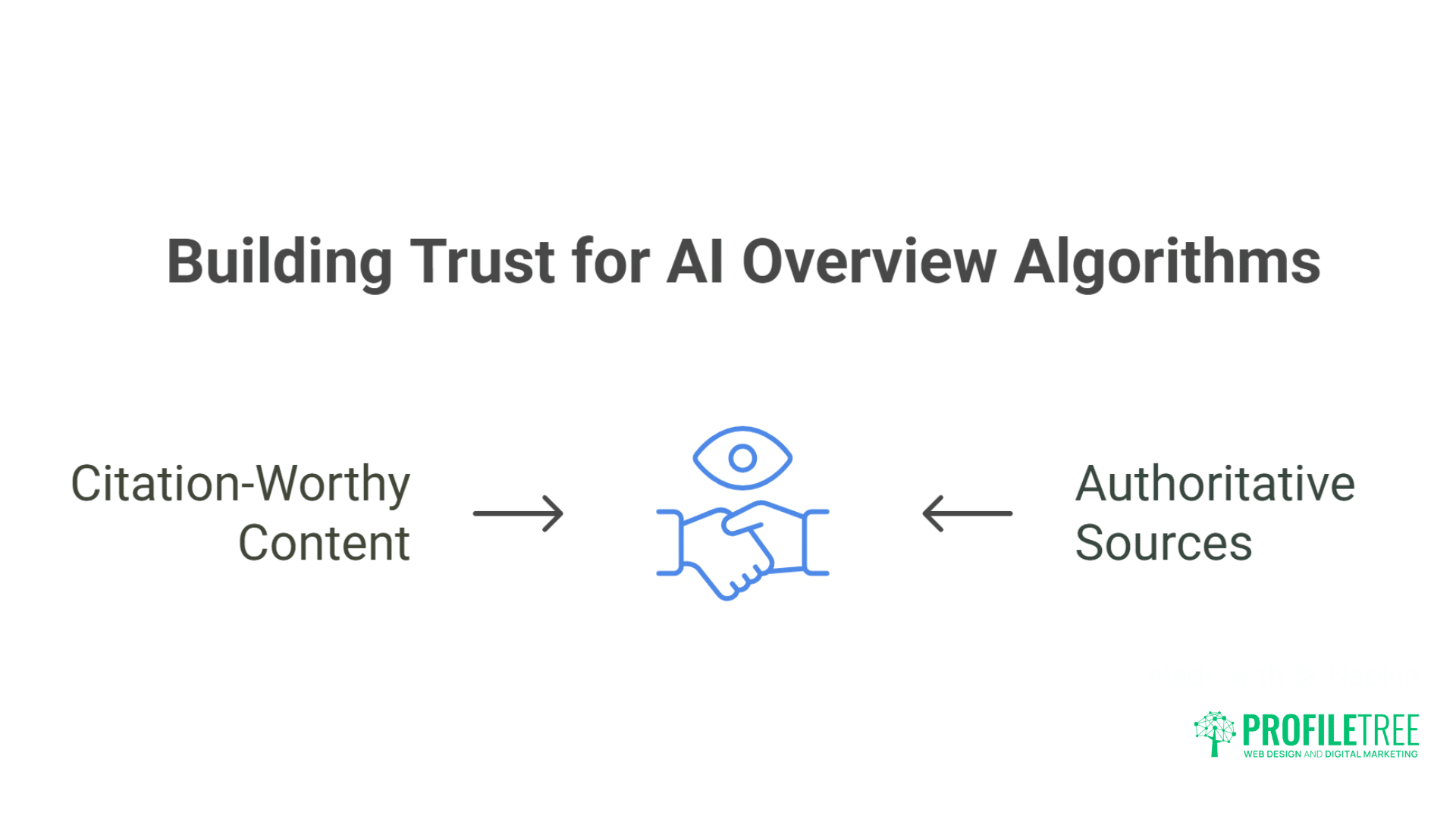
Creating content that both cites authoritative sources and becomes citation-worthy itself creates a powerful trust signal for AI Overview algorithms. This reciprocal citation network demonstrates your content’s value within the broader information ecosystem.
Building a Citation Network
AI Overviews prefer sources that both cite others and are cited themselves. This creates a web of credibility:
Outbound Citation Best Practices:
- Link to primary sources (research papers, official statistics)
- Reference recognised industry authorities
- Include recent sources (within 12 months for volatile topics)
- Vary source types (academic, industry, government)
- Provide context for each citation
Earning Inbound Citations:
- Publish original research or data
- Create definitive guides that become reference materials
- Develop tools or calculators that others reference
- Release industry reports or surveys
- Maintain updated statistics pages
ProfileTree’s content marketing services focus on creating citation-worthy content that naturally attracts links and references.
The Wikipedia Factor
Pages cited by Wikipedia appear in AI Overviews 3x more frequently. While you can’t directly control Wikipedia citations, you can:
- Ensure your content meets Wikipedia’s reliability standards
- Publish original research that Wikipedia editors might reference
- Maintain consistent information across all platforms
- Provide clear, factual information without promotional language
Query Intent Alignment: Matching What Users Actually Want
Understanding the specific informational needs behind search queries allows you to craft content that precisely addresses user intent. AI Overviews prioritise content that delivers the most relevant answers to specific query types.
Understanding Query Classifications
AI Overviews appear differently for various query types:
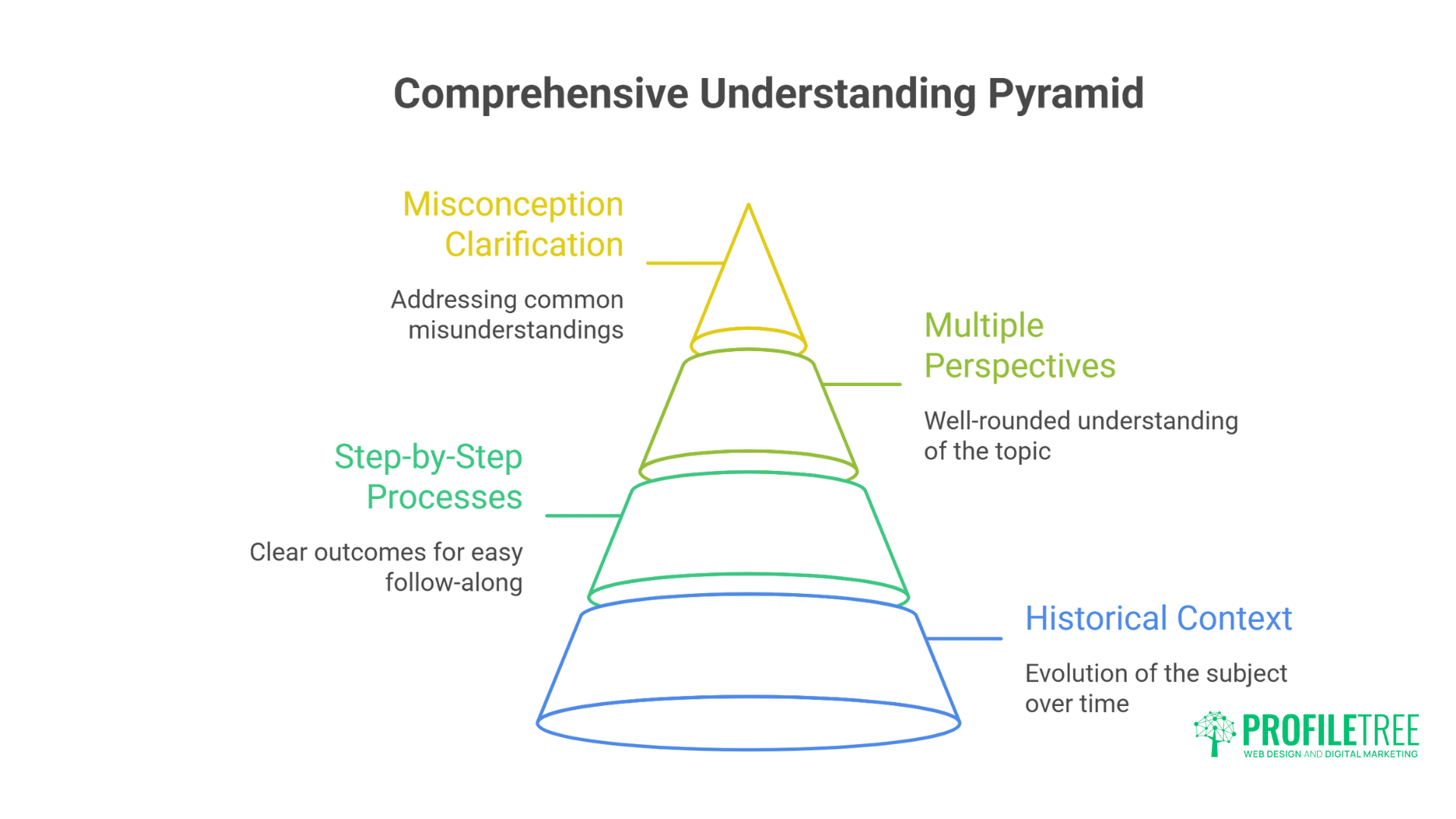
Informational Queries (“what is,” “how to,” “why does”):
- Comprehensive explanations with multiple perspectives
- Step-by-step processes with clear outcomes
- Historical context and evolution
- Common misconceptions addressed
Commercial Investigation (“best,” “top,” “reviews”):
- Comparison criteria are clearly stated
- Objective assessment methodology
- Multiple options with pros/cons
- Decision-making frameworks
Problem-Solving Queries (“fix,” “solve,” “troubleshoot”):
- Immediate solution in the first paragraph
- Multiple solution paths for different scenarios
- Preventive measures included
- Success indicators defined
Content Depth Requirements
Shallow content never makes it to AI Overviews. Depth requirements vary by topic complexity:
Simple Topics (500-800 words): Basic definitions or straightforward processes need comprehensive but concise coverage.
Moderate Complexity (1,500-2,500 words): Multi-step processes or topics with various considerations require detailed exploration.
Complex Topics (3,000+ words): Technical subjects, comprehensive guides, or controversial topics need extensive coverage.
Our analysis found the sweet spot: 1,800-2,200 words for most commercial topics, with clear section breaks every 200-300 words.
Technical SEO Factors for AI Overview Success
While content quality remains paramount, technical optimisation provides the foundation that allows your content to be properly crawled, indexed, and considered for AI Overviews. These technical factors enable discovery and interpretation of your valuable content.
Page Speed and Performance
AI Overviews favour fast-loading, technically sound pages:
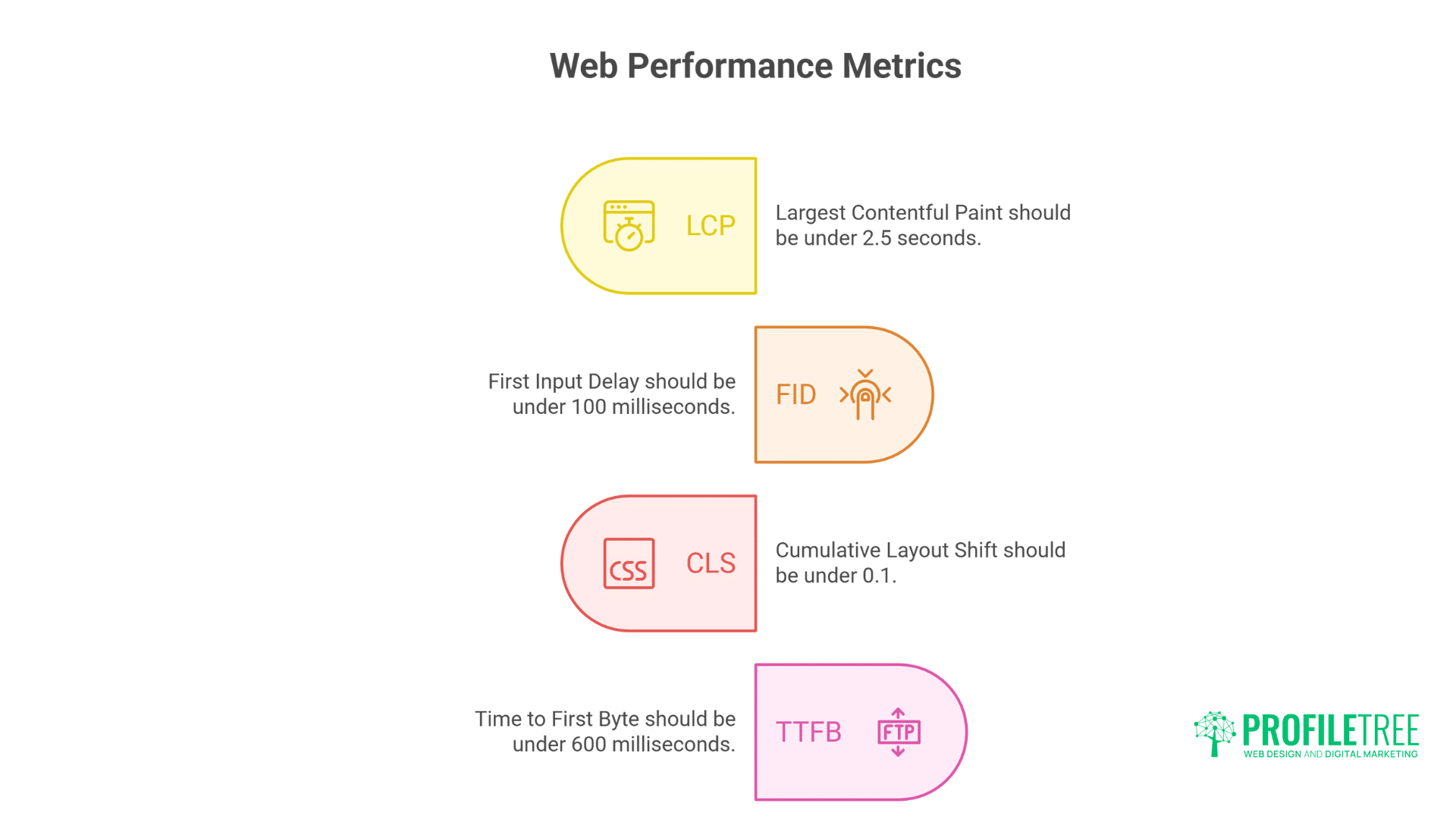
Critical Metrics:
- LCP (Largest Contentful Paint): Under 2.5 seconds
- FID (First Input Delay): Under 100 milliseconds
- CLS (Cumulative Layout Shift): Under 0.1
- Time to First Byte: Under 600 milliseconds
A financial services client improved their AI Overview appearance rate by 67% after our team optimised their Core Web Vitals. The key? Implementing resource hints and removing render-blocking JavaScript.
Mobile-First Optimisation
Since Google uses mobile-first indexing, AI Overviews primarily evaluate mobile versions:
- Responsive design with proper viewport configuration
- Touch-friendly interactive elements (48×48 pixel minimum)
- Readable font sizes without zooming (16px minimum)
- Proper spacing between clickable elements
- Accelerated Mobile Pages (AMP) for news content
Crawlability and Indexation
Ensure Google can properly access and understand your content:
- XML sitemaps updated automatically
- Robots.txt properly configured
- No accidental noindex tags
- Canonical URLs are correctly implemented
- Hreflang tags for international content
Watch our comprehensive guide: How to Audit Your Website for Free
Real-World Implementation: A Step-by-Step Approach
Transforming theoretical understanding into practical implementation requires a systematic approach. This roadmap provides a realistic timeline and process for optimising your content for AI Overviews without overwhelming your team.
Phase 1: Audit and Assessment (Week 1)
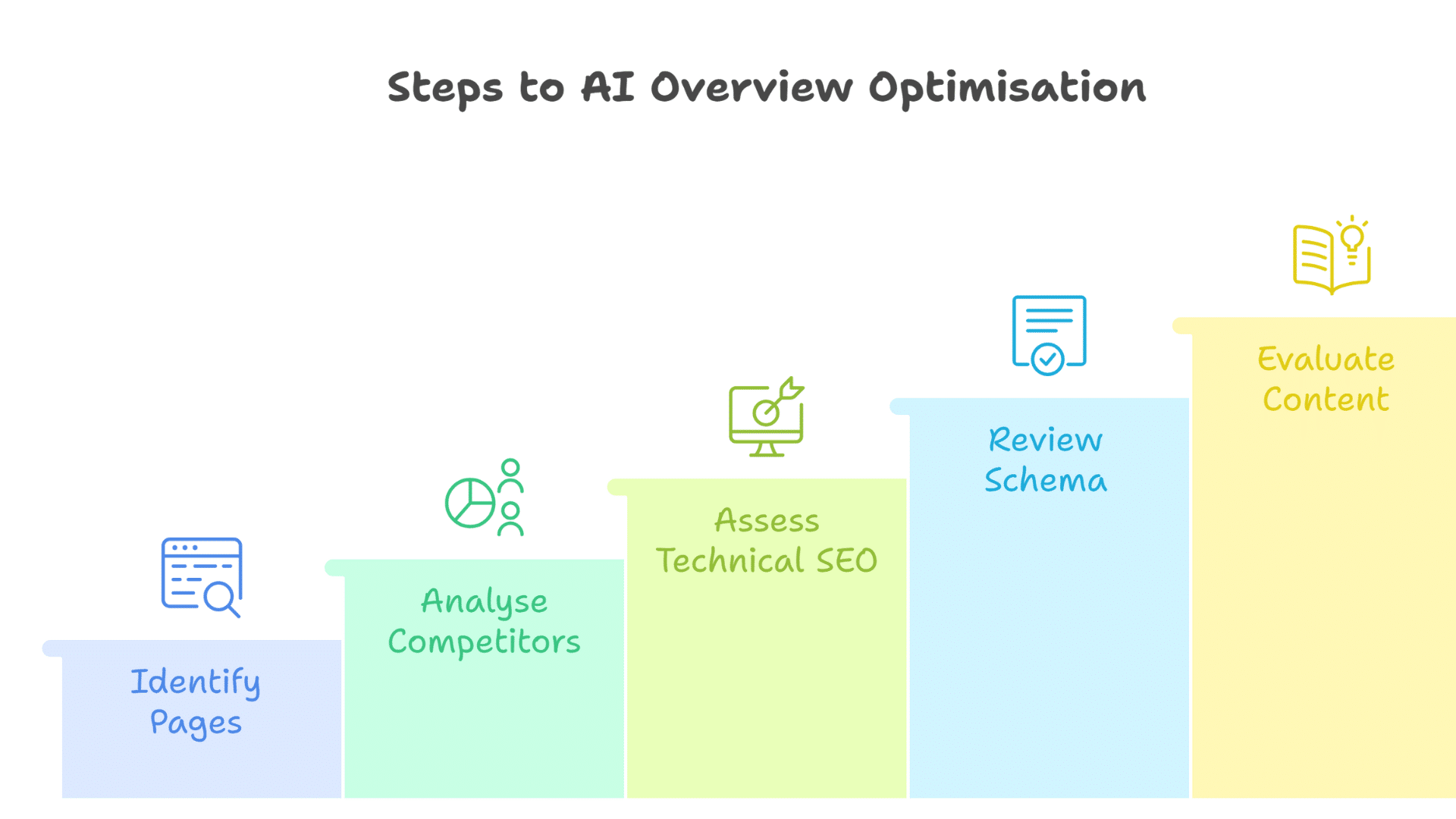
Current State Analysis:
- Identify pages currently appearing in AI Overviews
- Analyse competitor content that’s getting featured
- Assess technical SEO foundation
- Review existing schema implementation
- Evaluate content depth and structure
Phase 2: Content Optimisation (Weeks 2-4)
Strategic Updates:
- Rewrite introductions using the direct answer formula
- Add depth to thin content sections
- Implement proper heading hierarchy
- Include relevant statistics and citations
- Add expert quotes and unique insights
ProfileTree’s digital strategy team helps prioritise which pages to optimise first based on potential impact.
Phase 3: Technical Implementation (Weeks 3-5)
Schema and Structure:
- Implement comprehensive schema markup
- Optimise page speed and Core Web Vitals
- Ensure mobile-first compliance
- Fix crawlability issues
- Establish internal linking patterns
Phase 4: Authority Building (Ongoing)
Long-term Strategy:
- Develop original research and data
- Build relationships for citation opportunities
- Create content that other sites want to reference
- Maintain a consistent publishing schedule
- Update existing content regularly
Measuring Success: KPIs That Matter
Tracking the right metrics helps you understand the impact of your AI Overview optimisation efforts and refine your strategy over time. Both direct measurements and proxy indicators provide valuable insights into performance.
Direct Metrics
AI Overview Appearances: Track how often your content appears in AI Overviews using:
- Manual search monitoring for key queries
- Third-party tools that track the AI Overview presence
- Search Console data (when available)
- Click-through rate changes
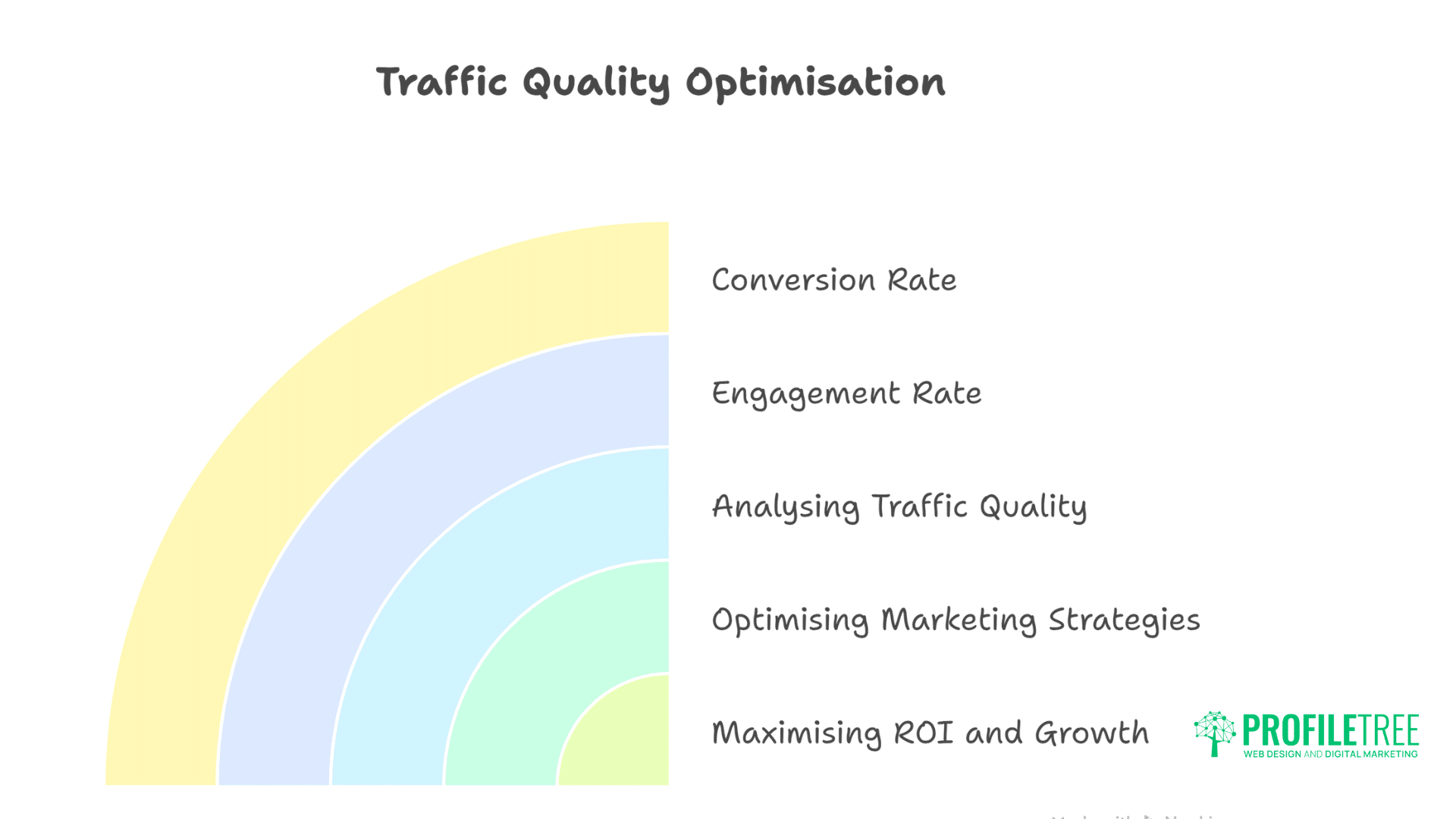
Traffic Quality Indicators:
- Engagement rate improvements
- Conversion rate changes
- Time on site increases
- Bounce rate reductions
Indirect Signals
Brand Search Volume: Users exposed to your content in AI Overviews often search for your brand directly later.
Citation Growth: Quality content featured in AI Overviews attracts more natural citations.
Topic Authority Expansion: Success in one topic area often extends to related topics.
Industry-Specific Strategies
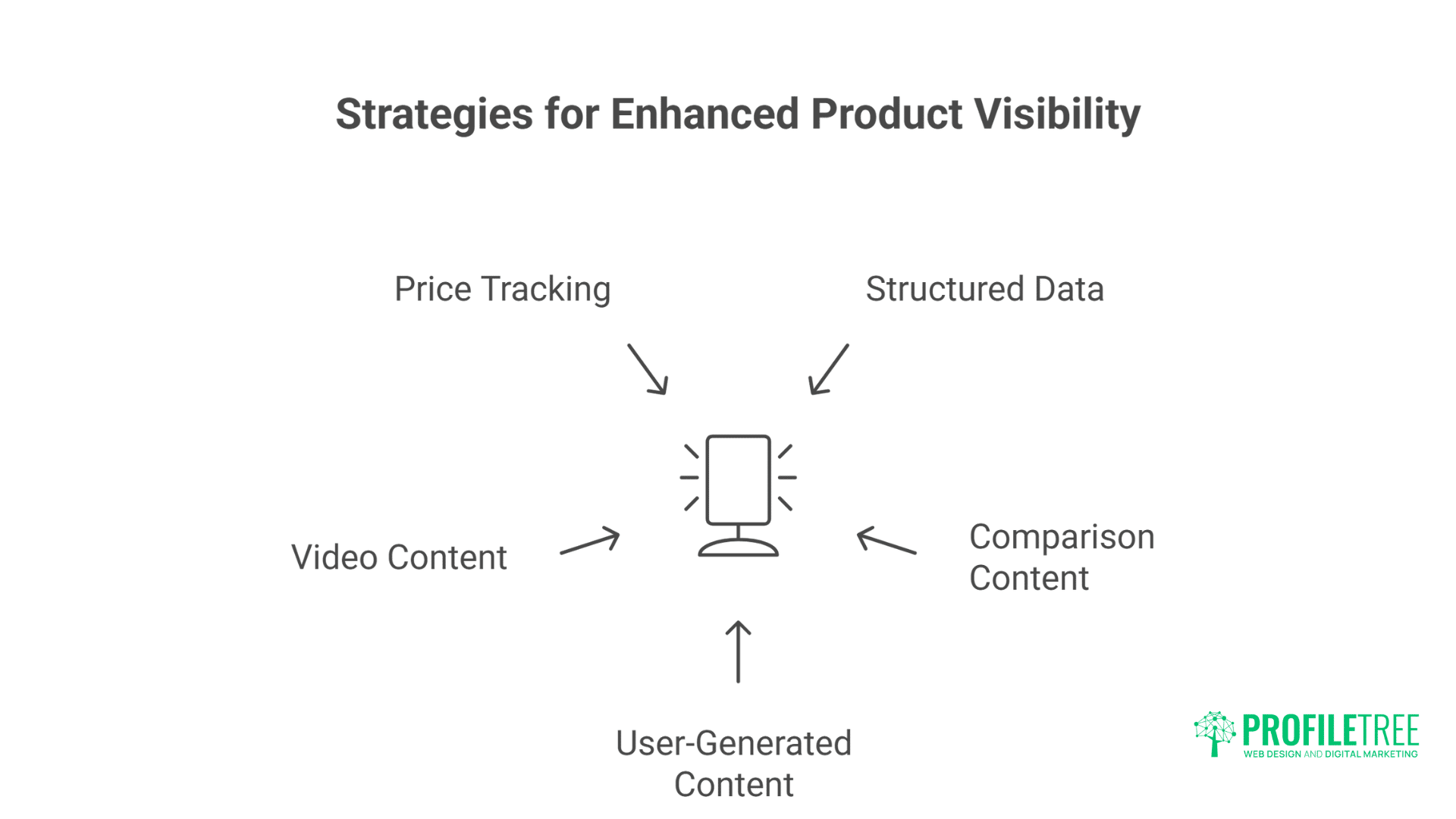
Different business sectors require tailored approaches to AI Overview optimisation based on their unique search behaviours, competitive landscapes, and user expectations.
E-commerce Optimisation
Product-focused content requires special consideration:
- Detailed product specifications in structured data
- Comparison content that genuinely helps decision-making
- User-generated content integration (reviews, Q&As)
- Video content embedded with proper schema
- Price tracking and availability updates
Local Business Optimisation
Local businesses need location-specific strategies:
- Local Business schema with complete information
- Location-specific content addressing local needs
- Integration with Google Business Profile
- Local citation consistency
- Regional keyword variations
ProfileTree’s experience with Belfast and Northern Ireland businesses shows that local relevance significantly impacts AI Overview inclusion for location-based queries.
B2B Service Optimisation
Professional services require different approaches:
- Case study schema with measurable results
- Industry-specific terminology and context
- Thought leadership content positioning
- White papers and research publications
- Webinar and event schema
Common Mistakes to Avoid
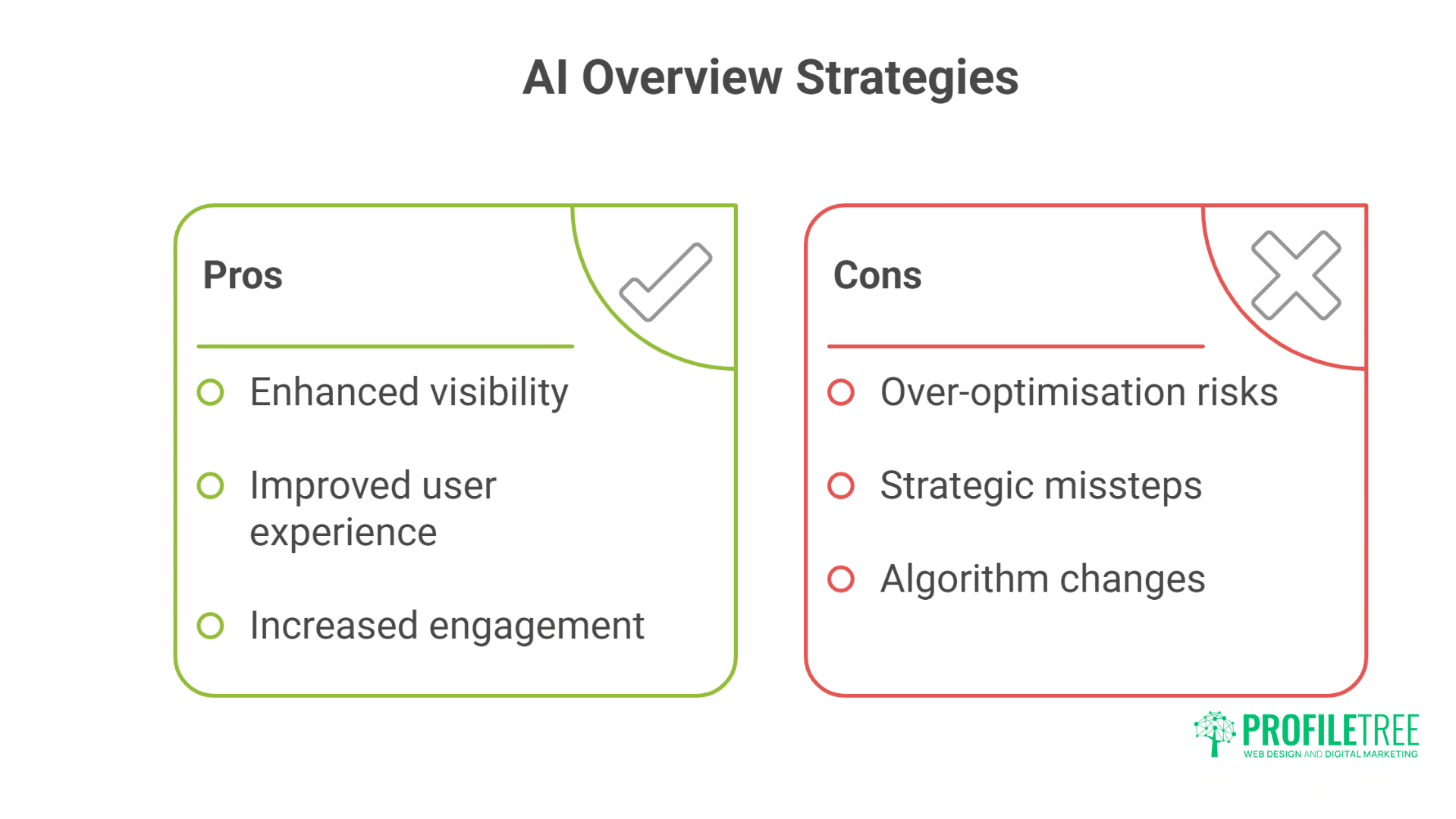
Understanding what not to do is often as valuable as knowing the right strategies. These common pitfalls can undermine otherwise solid optimisation efforts.
Over-Optimisation Pitfalls
Keyword Stuffing 2.0: Repeating target phrases hoping for AI Overview inclusion actually reduces chances. Natural language processing recognises and penalises unnatural repetition.
Schema Spam: Adding irrelevant schema types or false information immediately disqualifies content from AI Overview consideration.
Thin Content Expansion: Adding words without adding value doesn’t work. AI Overviews assess information density, not word count alone.
Strategic Missteps
Ignoring Search Intent: Creating comprehensive content that doesn’t answer the actual query wastes effort. Always validate search intent before optimising.
Neglecting Freshness: Outdated information, even if previously featured, gets replaced by current content. Regular updates are essential.
Copying Competitor Strategies: What works for one site might not work for another. Test and iterate based on your specific context.
Advanced Techniques from ProfileTree’s Testing
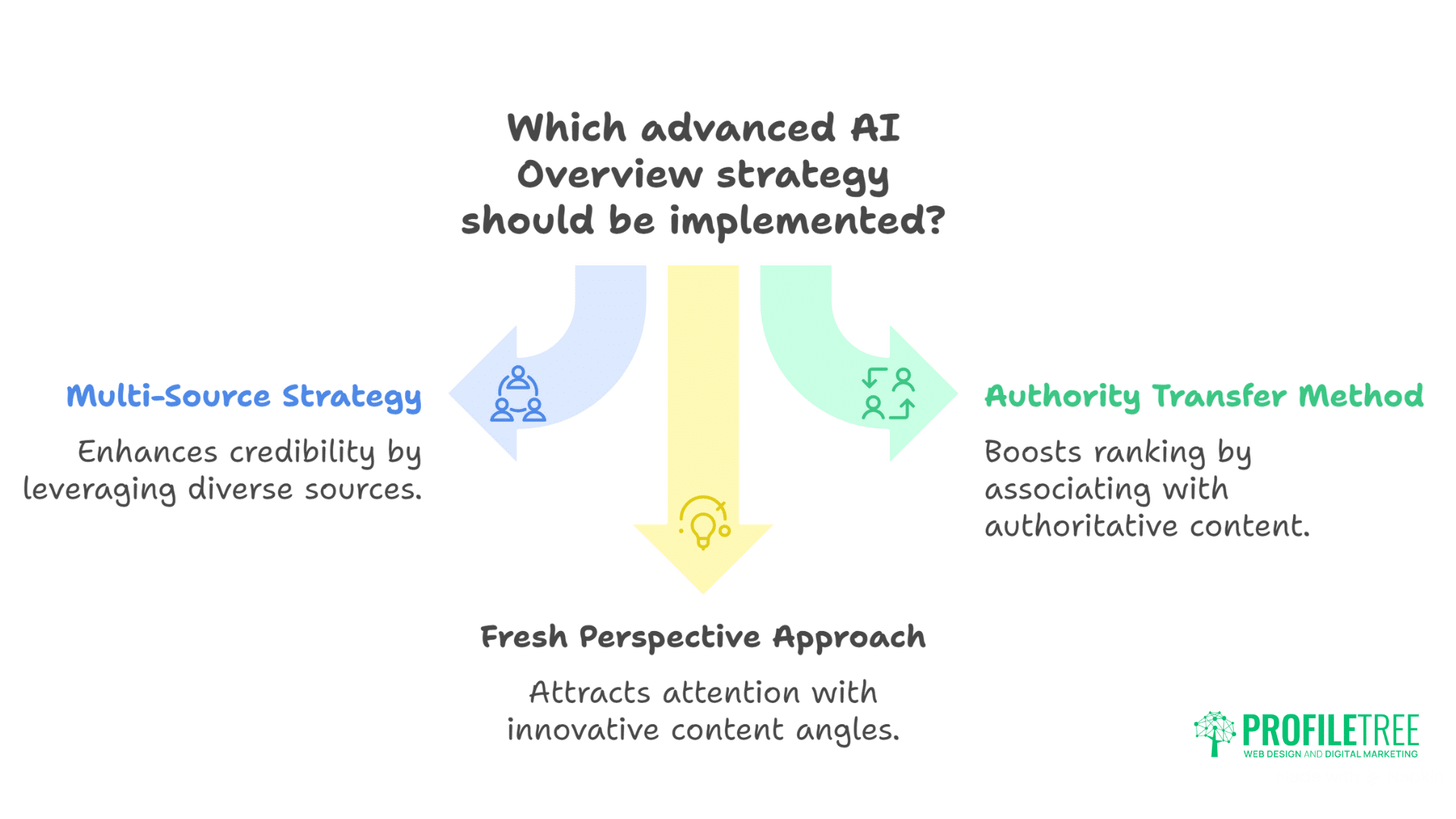
Beyond fundamental strategies, our extensive testing has revealed sophisticated approaches that can provide competitive advantages in securing AI Overview placements.
The Multi-Source Strategy
Create multiple pieces of complementary content that could all potentially appear in the same AI Overview:
- Comprehensive guide (main piece)
- FAQ page (specific questions)
- Case study (practical application)
- Video tutorial (visual learners)
- Infographic (data visualisation)
This increases the chances of inclusion while providing multiple entry points for users.
The Authority Transfer Method
Build authority in less competitive topics first, then expand into more competitive areas:
- Start with long-tail, specific queries
- Build topical authority through comprehensive coverage
- Gradually target broader, more competitive terms
- Use internal linking to pass authority between pages
The Fresh Perspective Approach
AI Overviews value unique angles on common topics:
- Challenge conventional wisdom (with evidence)
- Provide regional or industry-specific insights
- Share proprietary data or research
- Offer contrarian viewpoints (well-supported)
- Connect seemingly unrelated concepts
Future-Proofing Your AI Overview Strategy
The search landscape continues to evolve rapidly, requiring forward-thinking approaches that anticipate coming changes rather than simply reacting to current conditions.
Emerging Trends to Watch
Multimodal Search Integration: AI Overviews increasingly incorporate images, videos, and audio. Prepare by:
- Creating diverse content formats
- Implementing a proper media schema
- Optimising visual content for search
- Developing video content strategies
Watch ProfileTree’s approach: Level Up Your YouTube Video Marketing
Conversational Query Evolution: As voice search grows, queries become more conversational. Adapt by:
- Writing in a natural, conversational tone
- Addressing follow-up questions preemptively
- Creating content for question chains
- Implementing a speakable schema
Personalisation Factors: AI Overviews will increasingly personalise based on user context:
- Location-aware content variations
- Industry-specific versions
- Expertise level adaptations
- Previous search history consideration
Preparing for Algorithm Updates
Google continuously refines AI Overview generation. Stay ahead by:
- Monitoring industry news and Google announcements
- Testing new features and formats quickly
- Maintaining content quality regardless of algorithms
- Building genuine expertise and authority
- Focusing on user value over ranking tactics
Implementation Roadmap for Businesses
Practical implementation varies based on business size, resources, and objectives. These tailored approaches provide realistic starting points regardless of your current situation.
Small Business Quick Wins
Limited resources require focused efforts:
- Optimise your five most important pages first
- Implement basic schema markup
- Fix critical technical issues
- Create one piece of original research
- Build local citations and reviews
Enterprise-Level Strategy
Larger organisations need systematic approaches:
- Conduct a comprehensive content audit
- Develop editorial guidelines for AI Overview optimisation
- Implement automated schema generation
- Create dedicated research and data teams
- Establish monitoring and reporting systems
Agency and Consultant Approach
Those managing multiple clients should:
- Develop standardised audit processes
- Create template schema implementations
- Build reusable content frameworks
- Establish testing protocols
- Document successful strategies
ProfileTree’s SEO services include comprehensive AI Overview optimisation strategies tailored to business size and industry.
Expert Insights from ProfileTree
Ciaran Connolly, ProfileTree founder, shares his perspective: “AI Overviews represent the biggest shift in search since mobile-first indexing. Businesses that understand this aren’t just optimising for algorithms – they’re creating genuinely valuable content that serves users whether it appears in AI Overviews or traditional results. The winners will be those who focus on expertise and user value rather than trying to game the system.”
Our team’s collective experience reveals several critical insights:
Dylan Bradley, Technical SEO Lead: “Schema markup is no longer optional – it’s the language AI uses to understand your content. Proper implementation can double your chances of AI Overview inclusion.”
Nuala, Content Strategy Director: “The days of writing for search engines are over. Write for humans, structure for machines, and let quality drive visibility.”
Marcus, Development Team Lead: “Technical excellence enables content excellence. You can’t win in AI Overviews with great content on a broken website.”
Frequently Asked Questions
How long before I see results from AI Overview optimisation?
Initial improvements typically appear within 4-6 weeks, with significant gains at the 3-month mark. Complex, competitive topics may require 6 months for meaningful visibility. Consistency and patience yield the best results.
Do AI Overviews reduce website traffic?
Quality traffic often increases despite fewer clicks. Users who click through after reading AI Overviews show higher engagement and conversion rates. The key is optimising for high-intent queries where users need more than summary information.
Should I block Google from using my content in AI Overviews?
Blocking AI Overview inclusion means missing significant visibility opportunities. Instead, optimise content to drive qualified traffic and include clear calls-to-action that encourage click-throughs for detailed information.
How do AI Overviews affect local SEO?
Local queries still prioritise Google Business Profiles and maps, but AI Overviews appear for informational local searches. Optimise for queries like “best restaurants in Belfast for vegans” rather than just “restaurants near me.”
Can small businesses compete with large sites in AI Overviews?
Absolutely. AI Overviews value expertise and relevance over domain authority alone. Small businesses with deep, specific expertise often outperform larger sites with generic content.
What’s the minimum content length for AI Overview inclusion?
No strict minimum exists, but comprehensive coverage matters more than word count. We’ve seen 800-word, highly focused content outperform 3,000-word generic articles. Quality and relevance trump length.
How important are backlinks for the AI Overview appearance?
Backlinks remain important for overall authority, but AI Overviews prioritise content quality, structure, and relevance. Strong content with fewer links often outperforms weak content with many links.
Should I create separate content for AI Overviews?
Create comprehensive content that serves both AI Overviews and traditional search. Separate content dilutes authority and confuses topical relevance. One excellent piece beats multiple mediocre ones.
How do I track my AI Overview appearances?
Currently, manual monitoring and third-party tools provide the best tracking. Document appearances with screenshots, track traffic patterns, and monitor brand search increases as proxy metrics.
Will AI Overviews replace traditional SEO?
AI Overviews complement rather than replace traditional SEO. Strong technical SEO, quality content, and user focus remain essential. The fundamentals haven’t changed – the presentation has evolved.
Taking Action: Your AI Overview Optimisation Checklist
Converting knowledge into action requires a clear, prioritised plan. This practical checklist helps you implement AI Overview optimisation systematically without becoming overwhelmed.
Immediate Actions (This Week)
- [ ] Audit current AI Overview appearances
- [ ] Identify top opportunity pages
- [ ] Review competitor featured content
- [ ] Check technical SEO basics
- [ ] Plan content updates
Short-term Goals (Next Month)
- [ ] Implement comprehensive schema markup
- [ ] Optimise page introductions and structure
- [ ] Add citations and expert quotes
- [ ] Improve Core Web Vitals
- [ ] Create original research or data
Long-term Strategy (Next Quarter)
- [ ] Build topical authority clusters
- [ ] Develop citation-worthy resources
- [ ] Establish thought leadership
- [ ] Create multimedia content
- [ ] Monitor and iterate based on results
Conclusion: The Future of Search Visibility
AI Overviews aren’t a temporary experiment – they’re the future of search. Businesses that adapt now position themselves for long-term success. Those that wait risk irrelevance as search behavior permanently shifts.
The strategies in this guide aren’t theoretical—they’re proven techniques we’ve implemented across hundreds of client sites. Success requires a commitment to quality, genuine expertise, and user value over quick wins.
ProfileTree stands ready to guide your AI Overview optimisation journey. Our comprehensive approach combines technical excellence, content expertise, and strategic thinking to position your business for success in this new search landscape.
Ready to dominate AI Overviews? Let’s transform your search visibility together.
Get Started with ProfileTree:
Watch our latest insights: Digital Strategy or Digital Plan?