
Animated Video Production for Irish and UK Businesses
Table of Contents
Animated video turns an idea that is hard to film into something a viewer can follow in under two minutes. For businesses across Ireland and the UK, that covers a lot of ground: explaining a software product, training staff on a process that is awkward to film or giving a service a clear visual story.
This guide is written for the person who has to brief and budget that work, not the animator who makes it. It walks through the styles available, how a typical project runs, what to expect on cost and timeline, and how animation fits alongside the rest of your marketing. You will not find a sales pitch here, just the information you need to decide whether animation is the right tool and how to scope it sensibly.
When animation is the right choice for your business
Animation earns its place when live action cannot do the job well, or cannot do it at all. If the thing you need to show is abstract, internal, dangerous to film, or simply does not exist yet, animation is usually the practical answer. A software feature has no physical form to point a camera at. A safety procedure may be risky to stage. A new product might still be on the drawing board. In each case an animated sequence can make the point cleanly, and you can update it later without booking a reshoot.
It also suits businesses that need consistency across a lot of content. Once a visual style is set, you can produce a series of short videos that all look related, which matters for training libraries and product ranges. If you are weighing animation against filmed content, our video production services cover both, and the right answer often uses a mix of the two.
Common uses for Irish and UK SMEs
The most frequent requests fall into a few groups. Product and software firms use short explainers to shorten the sales conversation. Professional services use animation to make an intangible offer feel concrete. Manufacturers and healthcare providers use it for training where filming the real thing is impractical. The shared thread is clarity: a complex message delivered in a form people will actually watch to the end.
Choosing the right animation style for your goal
Style should follow the goal, not the other way round. Pick the job first, then match the technique to it. The four styles below cover most business work, and the differences between them affect cost, production time and the kind of message each handles best.
2D explainer and character animation
This is the workhorse for marketing and product explainers. Flat shapes, brand colours and a simple narrative make it good for top-of-funnel content where you are introducing an idea. Character animation adds a relatable figure when you want an emotional angle, such as walking a customer through a service journey.
Motion graphics and kinetic typography
When the content is data, text or interface-led, motion graphics carry it better than characters. Animated charts, moving headlines and on-screen interface demonstrations suit B2B and finance, where clarity matters more than personality. This style also answers the one query this page currently ranks for, “motion graphics video production services”, so it is worth covering properly.
Whiteboard animation
The hand-drawn, progressive-reveal look suits teaching and step-by-step explanation. It structures information naturally, one idea at a time, which is why it is common in training and onboarding content.
3D animation and product visualisation
3D earns its higher cost when you need to show something physical that cannot be filmed: an internal mechanism, a building before it is built, or a manufacturing process that is unsafe to record. It offers realism and camera freedom, with production time and budget to match.
If you want to see how these styles read on screen before you commit, our piece on animation styles shows the visual differences in more detail.
The animated video production process
Most studios run a project through the same six stages. Knowing them helps you plan your own input, because the parts that stall a project are usually on the client side: gathering brand assets and approving the script on time.
- Discovery. Agree the objective, audience and the single action you want viewers to take.
- Script. Write to length. A 60-second video forces you to find your strongest point and drop the rest.
- Storyboard. Map the scenes and lock the visual direction before any animation begins, which is where revisions are cheapest.
- Design. Set the style frames, colour palette and characters or graphic system.
- Animation. Bring the storyboard to life, with timing and movement built scene by scene.
- Sound and delivery. Add voiceover, music and effects, then export the formats you need for each platform.
Two points are worth planning for. First, build review time into your own diary; the studio cannot move faster than your approvals. Second, agree how many revision rounds are included up front, so later changes do not turn into surprise costs.
Costs and timelines in the UK and Ireland
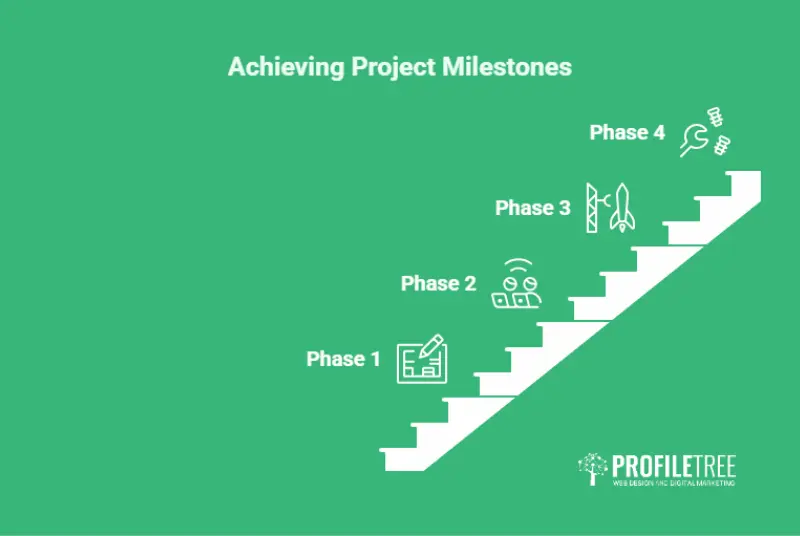
Pricing in the UK and Ireland depends on style, length and how fast you need it. As a planning guide, simpler motion-graphics work sits at the lower end, character animation in the middle, and detailed 3D at the top. Most short business videos run on a four-to-eight-week timeline from brief to delivery, with rush work costing more.
Two habits keep budgets predictable. Lock the script before design starts, because changes after storyboard approval are the most common source of extra cost. And if you need several videos, commission them together; shared assets and a single setup usually bring the per-video cost down.
Animation for staff training and internal communication
One of the strongest business cases for animation is training, not marketing. A filmed procedure dates quickly and is expensive to reshoot when a step changes. An animated version can be updated in part, shows dangerous or microscopic steps safely, and looks identical for every learner, which matters for compliance. For organisations rolling out new tools or processes, this pairs naturally with structured digital training rather than sitting on its own.
The same logic applies to internal communication. Change and policy updates can be explained in a short animated piece that staff will watch, using generic characters so sensitive topics stay impersonal.
Animation in marketing and distribution
A single animation should rarely live in one place. The same core asset can be cut for a landing page, trimmed to vertical for social feeds, and shortened again for an advert. Planning those formats at the storyboard stage costs far less than recutting later.
Animated explainers also work hard on a website. A short loop near the top of a landing page can hold a visitor’s attention long enough to read the offer, which connects animation directly to your web design and conversion work. For ongoing reach, repurposing clips into your blog and channels ties animation into a wider content marketing plan, and a dedicated YouTube marketing approach keeps the longer cuts working over time.
As Ciaran Connolly, ProfileTree founder, puts it: “Animation is not about making things move, it is about moving your audience to act. The best animated videos pair strategic thinking with creative execution so the message sticks long after the video ends.”
How to brief an animation project well
The projects that run smoothly tend to start with the same things ready. Have your brand guidelines, a clear target audience, the one core message, and a preferred length agreed internally before you approach a studio. Decide who signs off, so feedback comes back consolidated rather than in conflicting pieces. Getting those four things straight before the first call saves more time than any single decision later in the project.
Conclusion
Animation is worth using when it does something filmed video cannot, and worth planning carefully when it does. Match the style to the goal, lock the script early, build in your own review time, and think about every format the video will need before production starts. Get those basics right and a single animated video can serve marketing, training and your website at once. If you want help scoping a project for your business, talk to the team about where animation fits.
Frequently asked questions
How long does animated video production take?
Most short business videos take four to eight weeks from brief to delivery. Simple motion graphics can be quicker; detailed 3D takes longer.
Is 2D or 3D animation better for business?
2D is faster and cheaper and suits most explainers. 3D is for showing physical products or processes that cannot be filmed.
How much does an animated explainer video cost?
It varies by style, length and turnaround. Simpler motion graphics cost least and detailed 3D the most.
Do I need to write my own script?
No. A studio usually writes it, but your input on the core message and audience is essential to get it right.
Who owns the finished animation?
Ownership usually passes to the client on final payment, but confirm this in the contract before work begins.