
AI-Powered Social Media Analytics: Prompts for Performance Reports
Table of Contents
Social media analytics has evolved from simple follower counts and engagement rates to complex multi-platform performance analysis that requires sophisticated interpretation skills. Modern clients expect findings that connect social media performance to business outcomes, competitive positioning, and strategic growth opportunities, not just charts showing reach and impressions.
For Belfast-based agencies serving clients across Northern Ireland, Ireland, and the UK, the ability to provide thorough, AI-powered social media analytics reports becomes a key differentiator in competitive service markets. Agencies that master AI-powered analytics deliver higher value, retain clients longer, and command premium pricing through demonstrated expertise and results-driven reporting. This kind of reporting works best when it sits inside a wider social media marketing programme, not as a bolt-on extra.
This guide explores advanced AI prompting strategies for creating performance reports that go beyond basic metrics to deliver strategic intelligence that drives client success and agency growth.
The Evolution from Basic Reporting to Strategic Intelligence
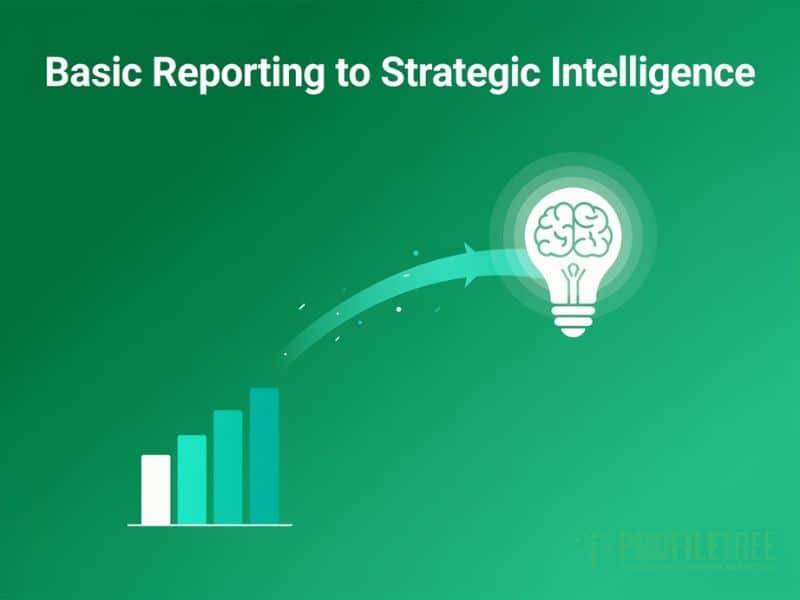
Traditional social media reporting focused on vanity metrics that looked impressive but provided little that a marketing team could actually act on. Follower growth, post reach, and engagement percentages filled reports without connecting to business outcomes or strategic direction. This approach satisfied basic accountability requirements but failed to demonstrate the strategic value social media provides to overall business success.
Modern social media analytics requires connecting platform performance to broader business objectives, competitor analysis, and strategic opportunity identification. Clients need findings that inform budget allocation, content strategy refinement, and campaign optimisation decisions that directly impact revenue and growth.
AI-powered analytics transforms this process by processing vast amounts of cross-platform data, identifying patterns that humans might miss, and connecting social media performance to the broader business context. This capability enables agencies to provide strategic consulting rather than just reporting services.
The shift from reporting to intelligence creates opportunities for agencies to position themselves as strategic partners rather than tactical service providers. Clients paying for strategic analysis and expert interpretation remain loyal longer and accept premium pricing more readily than those receiving basic reporting services.
Understanding this evolution enables agencies to use AI-powered social media analytics tools strategically, creating performance reports that demonstrate expertise whilst providing genuinely useful findings that drive client business results. Agencies making this shift usually pair it with a clearer digital strategy, so the findings actually change what happens next.
Advanced AI-Powered Social Media Analytics
Thorough AI-powered social media analytics requires analysing performance patterns across multiple platforms whilst identifying cross-platform overlap and optimisation opportunities that improve overall campaign effectiveness. Where this analysis feeds into paid or organic campaigns, it connects naturally to broader digital marketing services.
Full-Picture Performance Analysis Prompts
This prompt generates a thorough analysis that goes beyond platform-specific metrics to identify strategic optimisation opportunities that demonstrate genuine expertise and provide actionable value.
Audience Behaviour Pattern Analysis
Understanding audience behaviour patterns enables strategic content scheduling and budget allocation that improves campaign effectiveness whilst reducing wasted spend.
Content Performance Correlation Prompts
This analysis connects social media activity to actual business results, demonstrating the strategic value of social media investment and informing budget allocation decisions.
AI-Generated Competitive Intelligence and Market Positioning
Strategic AI-powered social media analytics includes competitive analysis that identifies market opportunities, positioning gaps, and tactical advantages that inform content strategy and campaign development.
Competitive Performance Analysis Prompts
Competitive intelligence helps clients understand their market position whilst identifying strategic opportunities for differentiation and growth.
Market Trend Integration Prompts
Market context transforms platform metrics into strategic business intelligence that helps clients make informed decisions about future investments and strategic direction.
Share of Voice Analysis Prompts
Share-of-voice analysis demonstrates market position and identifies opportunities for strategic content investment to improve competitive standing.
Client-Specific Strategic Analysis
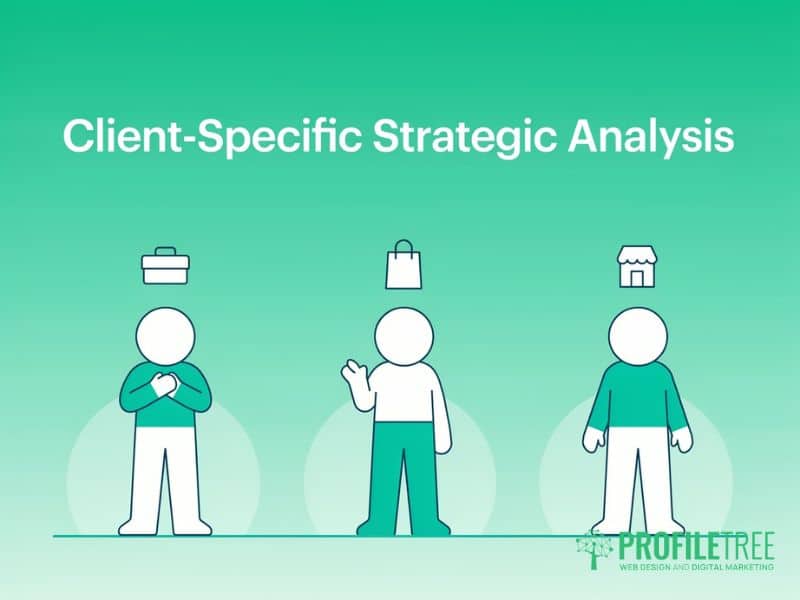
Different clients require different AI-powered social media analytics approaches based on their business models, growth stages, and strategic objectives. AI prompts must be customised to generate findings that address specific client challenges and opportunities. For agencies building this out as a formal offering, it usually sits under content marketing services rather than as a standalone report.
B2B Service Provider Analysis
B2B analysis focuses on relationship development and lead quality rather than broad engagement metrics, providing findings that align with client business models.
E-commerce Performance Analysis
E-commerce analysis connects social media activity directly to revenue generation, demonstrating ROI and informing strategic investment decisions.
Local Business Optimisation Analysis
Local business analysis focuses on geographic relevance and community engagement that translates to actual business results in specific markets.
Advanced Reporting Frameworks That Demonstrate Agency Expertise
Professional AI-powered social media analytics work depends on performance reports that balance thorough data analysis with a clear presentation that enables client decision-making whilst demonstrating agency expertise and strategic value.
Executive Summary Generation Prompts
Executive summaries enable client leadership to understand social media impact on business objectives without drowning in platform-specific details.
Strategic Recommendation Development
Strategic recommendations transform data analysis into actionable business intelligence that guides client investment decisions and campaign development.
ROI Demonstration Frameworks
ROI demonstration connects social media investment to business results, justifying continued spending whilst informing strategic budget allocation decisions.
Platform-Specific Analytics Optimisation
AI-powered social media analytics varies by platform: different social media platforms provide different analytical capabilities and require different strategic approaches based on their unique algorithms, audience behaviours, and business integration features.
LinkedIn Analytics Optimisation
LinkedIn analysis focuses on professional relationship development and business networking outcomes rather than general engagement metrics.
Instagram Analytics Strategy
Instagram analysis balances creative expression with business objectives, optimising visual content strategy for both engagement and conversion.
Twitter/X Performance Analysis
Twitter analysis emphasises conversation quality and thought leadership development rather than basic engagement metrics.
Seasonal and Campaign-Specific Performance Evaluation
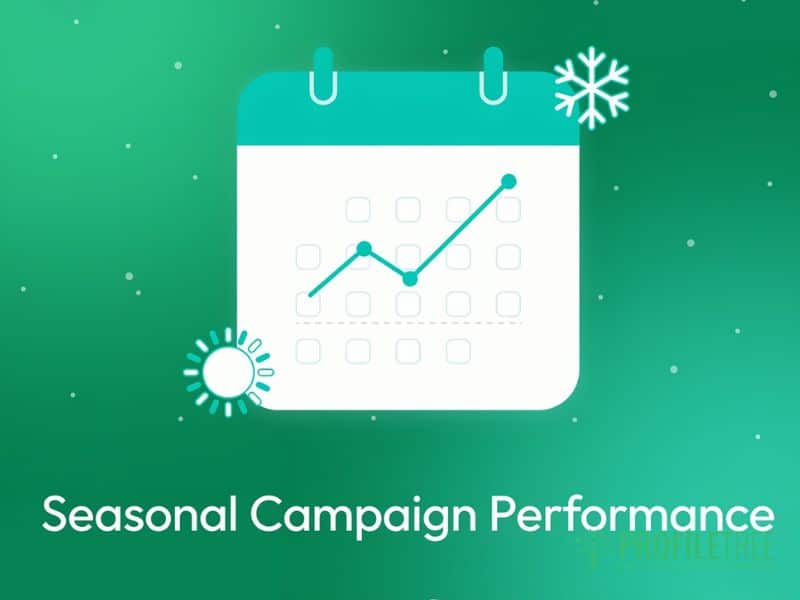
Social media performance varies a great deal based on seasonal factors, campaign timing, and external market conditions. AI-powered social media analytics must account for these variables when shaping performance reports and recommendations.
Seasonal Performance Pattern Analysis
Seasonal analysis enables strategic content planning that maximises performance during peak periods whilst maintaining momentum throughout the year.
Campaign Performance Deep Dive
Campaign-specific analysis provides findings that improve future campaign development whilst demonstrating the cumulative impact of strategic social media investment.
Crisis and Opportunity Response Analysis
Crisis analysis helps clients learn from challenging situations whilst building resilience and responsiveness for future market events.
Integration with Broader Marketing Analytics Systems
AI-powered social media analytics provides maximum value when integrated with wider marketing performance analysis that includes website traffic, email marketing, paid advertising, and sales conversion data.
Multi-Channel Attribution Analysis
Multi-channel analysis demonstrates social media’s role in wider marketing strategy whilst identifying optimisation opportunities across all channels.
Marketing Technology Stack Integration
Technology integration analysis helps clients optimise their marketing systems whilst demonstrating the strategic value of a thorough analytical approach.
Predictive Analytics Development
Predictive analytics transforms historical data into forward-looking strategic intelligence that helps clients make informed investment decisions and strategic adjustments.
Advanced AI Tools and Platform Integration
Sophisticated AI-powered social media analytics requires using multiple AI tools and analytical platforms, alongside ongoing competitive analysis, to produce a depth of analysis that would be impossible through manual work alone. Agencies further along this path often look at AI transformation more broadly, beyond just the reporting layer.
Multi-Platform Data Integration
Data integration enables a thorough analysis that provides strategic findings unavailable through single-platform reporting.
Automated Analysis Generation Systems
Automation systems provide ongoing strategic support whilst freeing agency resources for higher-level strategic consultation and campaign development.
Predictive Modelling Applications
Predictive modelling transforms analytics from historical reporting to strategic planning tools that guide future investment decisions.
Client Communication and Report Presentation Strategies
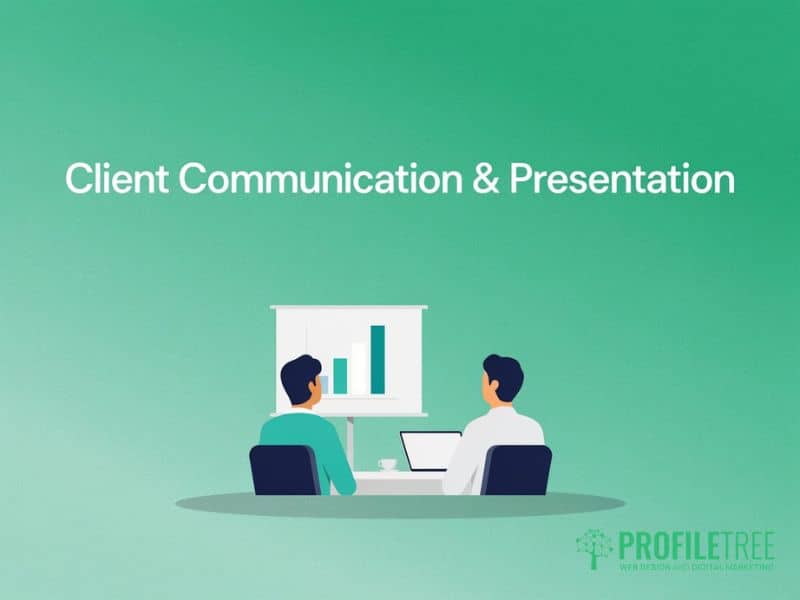
Effective AI-powered social media analytics communication requires translating complex data analysis into clear, actionable findings for performance reports that enable client decision-making whilst demonstrating agency expertise and strategic value.
Visual Data Storytelling
Visual storytelling transforms data analysis into clear narratives that hold a client’s attention and support strategic discussion.
Strategic Presentation Frameworks
Presentation frameworks help analytical findings reach the right audiences whilst maintaining professional credibility and strategic focus.
Interactive Dashboard Development
Interactive tools enable ongoing client engagement with performance data whilst positioning agencies as strategic partners rather than just reporting services.
ProfileTree’s Approach to AI-Powered Social Media Analytics
At ProfileTree, we’ve found that the most effective AI-powered social media analytics strategies combine sophisticated AI analysis with a deep understanding of client business objectives, industry contexts, and competitive analysis. Clients exploring this usually start with a short AI-enhancing marketing consultation before rolling out reporting changes. Our Belfast-based team serves diverse clients across Northern Ireland, Ireland, and the UK, developing analytics frameworks that provide genuine strategic value rather than just performance reporting.
The key thing we’ve learned is that clients don’t pay for data. They pay for findings that drive business results. This requires analytics approaches that connect social media performance to broader business objectives whilst identifying specific optimisation opportunities that justify continued investment and strategic focus.
Our approach involves using AI tools to process wide-ranging cross-platform data, identify performance patterns that inform strategic recommendations, and generate reports that position social media as a strategic business driver rather than just a marketing tactic. We’ve found that clients achieving the best results treat social media analytics as strategic intelligence rather than compliance reporting.
As Ciaran Connolly, Director of ProfileTree, explains: “The agencies providing the most valuable analytics aren’t just reporting what happened. They’re explaining why it happened and what clients should do about it. AI enables us to process complex data quickly, but strategic analysis still requires understanding business context and how a market actually moves.”
We regularly review client analytics to identify patterns in what drives genuine business results versus superficial engagement, using these findings to continuously refine our analytical approaches and strategic recommendations.
Regional Considerations for Northern Ireland Businesses
Belfast-based agencies serving diverse markets must consider regional market conditions, cross-border business patterns, and cultural preferences that influence the performance of AI-powered social media analytics across Northern Ireland, Ireland, and the UK.
Cross-Border Performance Analysis
Northern Ireland businesses often serve customers across multiple jurisdictions, requiring analytics approaches that account for different market conditions, cultural preferences, and regulatory environments that influence social media effectiveness.
Analytics prompts should acknowledge regional complexity whilst maintaining strategic focus: “Analyse social media performance across UK and Irish markets, identifying regional differences in content preferences, engagement patterns, and conversion behaviours. Recommend content strategy adjustments that optimise performance in different regional markets whilst maintaining consistent brand identity.”
Local Market Opportunity Identification
Regional analytics must identify opportunities specific to Northern Ireland’s unique market position, including cross-border commerce opportunities, local community engagement, and regional business networking that creates competitive advantages.
Develop analytical approaches that highlight regional strengths: “Identify social media engagement patterns that indicate opportunities for local market leadership, cross-border business development, and regional partnership opportunities. Recommend strategies that build on Northern Ireland’s unique position whilst building broader UK and Irish market presence.”
Cultural Sensitivity Integration
Multi-jurisdictional businesses require analytics that acknowledge cultural sensitivities whilst identifying opportunities for authentic regional engagement that build trust and market credibility across different communities.
This requires a careful, culturally aware analytical approach: “Analyse social media performance with attention to regional cultural preferences, avoiding content approaches that might alienate different community segments whilst identifying opportunities for authentic regional engagement that builds trust and business credibility.”
Future-Proofing Your Analytics Strategy
AI-powered social media analytics continues to change quickly, with new platforms, analytical capabilities, and integration opportunities emerging regularly. Building sustainable analytics strategies requires staying informed about developments while maintaining focus on fundamental business intelligence principles.
Technology Evolution Monitoring
Stay informed about new analytical tools, platform feature updates, and integration capabilities that could improve client service delivery whilst reducing analytical workload and improving the quality of the analysis produced.
Focus on tools that improve the strategic analysis produced rather than just data processing capabilities, so analytics evolution serves business intelligence rather than technical complexity. Well-designed AI prompts remain central to this work as the underlying tools change.
Skill Development Investment
Invest in team training for advanced AI prompting, data analysis techniques, and strategic analysis skills that maintain a competitive advantage as analytical tools become more widespread.
Consider certification programmes and industry training that keep analytical capabilities current with platform changes and evolving client expectations.
Strategic Adaptation Planning
Develop analytics strategies that can adapt to changing platform capabilities, client expectations, and market conditions whilst maintaining core strategic value and business intelligence focus.
This adaptive approach keeps the strategy effective as social media platforms evolve and client expectations regarding analytics sophistication continue to develop.
Key Takeaways for Agencies
AI-powered social media analytics transforms basic performance reporting into strategic business intelligence that drives client results and agency growth. The key lies in using advanced AI prompts that connect social media performance to broader business objectives whilst identifying specific optimisation opportunities that demonstrate genuine expertise.
Success requires moving beyond vanity metrics to focus on strategic analysis that informs investment decisions, competitive positioning, and growth strategy development. Agencies that master AI-powered analytics provide higher value, retain clients longer, and command premium pricing through demonstrated expertise and results-driven reporting.
For Northern Ireland agencies serving diverse markets, the ability to provide thorough analytics that account for regional complexities whilst maintaining strategic focus becomes a real competitive advantage. The agencies that thrive in AI-powered analytics will be those that combine technological capability with deep business understanding and strong strategic analysis.
The future belongs to agencies that use AI analytics to become strategic partners rather than reporting services. By developing sophisticated analytical approaches that connect social media performance to business success, you position your agency to create lasting client relationships while driving genuine business results that justify continued investment and premium pricing.
Whether you’re analysing B2B thought leadership campaigns, e-commerce conversion funnels, or local business community engagement, the principles remain consistent: connect platform performance to business outcomes, identify strategic opportunities, and provide actionable recommendations that drive real results for client success and agency growth.
FAQs
1. How do I create social media reports that demonstrate real business value?
Focus on connecting AI-powered social media analytics metrics to actual business outcomes like website traffic, lead generation, sales enquiries, and customer retention. Use AI prompts that analyse correlations between platform performance and business results, rather than just reporting engagement statistics. Include ROI calculations and competitive analysis that position social media as a strategic investment rather than a marketing expense.
2. What’s the difference between social media reporting and strategic analytics?
Reporting presents what happened (followers gained, posts published, engagement rates), whilst strategic analytics explains why it happened and what to do about it. Strategic analytics connect platform performance to business objectives, identify optimisation opportunities, and provide actionable recommendations that guide investment decisions and strategic direction.
3. How can I use AI to identify social media opportunities my competitors are missing?
Use AI prompts that analyse competitor content strategies, engagement patterns, and audience responses to identify gaps in their approaches. Look for topics they’re not covering, content formats they’re underutilising, and audience segments they’re not engaging effectively. Then develop strategies that capitalise on these gaps without directly copying competitor approaches.
4. What metrics should I focus on for different types of businesses?
B2B companies should prioritise lead quality, consultation requests, and professional network development. E-commerce businesses need conversion tracking, customer acquisition costs, and seasonal pattern analysis. Local businesses require geographic engagement and foot traffic correlation, and all three should tailor their analytics focus to the specific business model.
5. How do I justify social media analytics costs to budget-conscious clients?
Demonstrate ROI through case studies showing how analytics findings led to improved performance, cost savings, or revenue increases. Present analytics as strategic intelligence that informs all marketing decisions, not just social media activities. Show how thorough analytics prevent wasted spending whilst identifying growth opportunities that justify continued investment.