
Event Management: Creating Memorable Experiences
Table of Contents
Event management: creating memorable experiences is no longer a discipline reserved for large corporations with dedicated event teams. For Belfast businesses, Northern Ireland SMEs, and UK organisations of every size, the ability to plan, deliver, and measure a well-executed event has become a core commercial skill. It sits at the intersection of strategy, creativity, and logistics, and when done well, it generates leads, builds brand authority, and deepens client relationships in ways that digital advertising simply cannot replicate. The global events industry was valued at approximately $1.1 trillion in 2019 and is projected to reach $1.6 trillion by 2028, growing at roughly 5.8% annually, reflecting a simple truth: face-to-face and hybrid interactions produce outcomes that no email sequence can match.
At ProfileTree, a Belfast-based digital agency, we work with clients across Northern Ireland, Ireland, and the UK to align their event strategies with their broader digital marketing goals. According to Bizzabo, 87% of C-suite executives acknowledge the power of live events for brand perception, and 74% of consumers develop a more positive opinion of a company after attending one of their events. Event management: creating memorable experiences is not about filling a room. It is about creating a moment that people associate with your brand long after they have left the venue, and this guide gives you the practical framework to do exactly that.
What Is Event Management? (Beyond the Definition)

Most definitions describe event management as the application of project management principles to the planning and delivery of events. That is accurate as far as it goes, but it misses the strategic dimension that separates a well-run event from one that actually moves a business forward. Event management: creating memorable experiences requires deliberate thinking about outcomes, not just operations.
Event Management vs. Event Planning
These two terms are often used interchangeably, but in professional practice they describe distinct roles. Think of an event as a theatre production. The Event Planner is the director, focused on creative vision, aesthetics, and guest experience. The Event Manager is the producer, focused on budget, timeline, risk management, and hard logistics.
| Feature | Event Planning | Event Management |
|---|---|---|
| Primary Focus | Aesthetics, theme, guest experience | Budget, safety, logistics, operations |
| Key Questions | What does it look like? | Is it feasible? Is it safe? |
| Timeline | Pre-event heavy | Entire lifecycle (pre, during, post) |
| Key Tools | Mood boards, design samples | Project management software, risk logs |
For smaller events, one person often covers both roles. For larger corporate functions, keeping them separate protects both the creative quality and the operational integrity of the event.
The 5 Cs of Event Management
Industry professionals use the 5 Cs framework to ensure nothing is overlooked. Event management: creating memorable experiences relies on this structure as a consistent backbone across events of every scale.
- Concept: The strategic ‘why.’ Why are we running this event? (Brand awareness, lead generation, client retention, training delivery?)
- Coordination: The planning phase, covering venue sourcing, vendor selection, timeline construction, and delegate management.
- Control: Budget oversight, supplier management, and, critically for UK events, Health and Safety compliance under HSE guidelines.
- Culmination: The day-of execution, where the event manager shifts from strategist to floor manager.
- Closeout: Post-event analysis, budget reconciliation, data review, and team debrief.
The Modern Hybrid Scope
Since 2020, the scope of event management: creating memorable experiences has expanded considerably. A modern event manager now needs digital literacy alongside traditional logistics skills. Managing a hybrid event means overseeing both a physical room and a live broadcast simultaneously, with all the technical complexity that involves.
Key hybrid considerations include bandwidth and streaming infrastructure at the venue, virtual audience engagement strategies that keep remote attendees active, and data protection compliance for online registrant data under UK GDPR. Event management: creating memorable experiences in a hybrid context demands that both audiences feel equally considered, not that one is served at the expense of the other.
The Event Management Lifecycle: A Five-Phase Roadmap
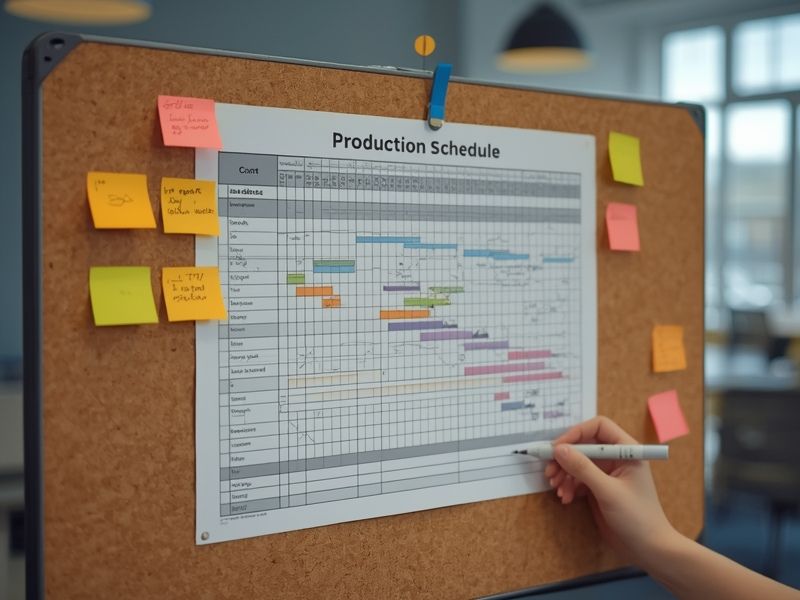
Understanding the full lifecycle is where event management: creating memorable experiences moves from theory to practice. Each phase has distinct deliverables, risks, and decision points. Rushing any phase creates compounding problems on the day itself.
Phase 1: Feasibility and Financial Strategy
Before anything else, establish whether the event is viable. This means defining the strategic objective, setting a realistic budget, and agreeing what success looks like in measurable terms before any supplier is contacted.
For UK-based events, financial planning must account for VAT on ticketed events, local authority licensing requirements, and venue hire costs that vary significantly by city. A corporate dinner in Belfast will carry very different cost assumptions from a comparable event in London or Manchester. The ROI question should be defined at this stage, not evaluated after the fact.
Phase 2: Design and Production
This is where creative vision takes shape within the constraints established in Phase 1. Venue selection, agenda design, speaker briefing, and supplier contracting all sit here.
For SMEs across Northern Ireland and the UK, video production services can be integrated directly into event design, whether that means producing a keynote introduction video, creating a highlight reel for post-event distribution, or delivering live-stream coverage that extends the event’s reach online. Event management: creating memorable experiences is significantly enhanced when production quality matches strategic ambition.
Phase 3: Marketing and Audience Acquisition
A well-designed event with poor attendance is a strategic failure. Event marketing requires the same rigour as any other campaign, with channel selection, messaging, and conversion tracking properly configured before launch.
Effective event promotion typically combines search engine optimisation for the event page, email marketing to existing audiences, and social media marketing for paid and organic promotion. For events with a strong visual component, short-form video content consistently outperforms static imagery in driving registrations.
Phase 4: Operations and Risk Management
UK events must comply with HSE guidelines on crowd management, fire safety, and risk assessment. For events with more than 500 attendees, a formal Event Management Plan is typically required by venues and local authorities. The Purple Guide, published by the Events Industry Forum, is the UK industry standard reference for event safety and should be consulted for any public-facing event.
Risk planning should cover cancellation scenarios, medical emergencies, technical failures, and adverse weather for outdoor events. Having a written crisis communication protocol ensures that if something goes wrong, the response is coordinated rather than reactive. Event management: creating memorable experiences depends as much on what you have planned for if things go wrong as on what you have planned for when everything goes right.
Phase 5: Post-Event Analysis and Data Hygiene
The post-event phase is where most event managers leave value on the table. Collecting and analysing attendee data allows you to understand what worked, what did not, and what to carry forward into the next event.
Under UK GDPR, attendee data collected at events must be handled lawfully, stored securely, and retained only as long as necessary. Any marketing follow-up requires a clear lawful basis.
Event-generated content, including photos, session recordings, and attendee testimonials, also provides material for ongoing content marketing campaigns. A single well-documented event can produce weeks of social content, blog posts, and email newsletter material, compounding the return on the original investment.
Digital Tools and AI in Modern Event Management
The technology stack available to event managers has changed substantially, and event management: creating memorable experiences increasingly relies on software and artificial intelligence to deliver better outcomes with leaner teams.
Essential Event Management Software
Event management platforms now handle everything from delegate registration and badge printing to live polling and post-event surveys. Key categories include registration and ticketing platforms, venue and vendor management tools, event apps for attendee networking, and analytics dashboards for real-time performance tracking.
Choosing the right software depends on event type, audience size, and integration requirements with existing CRM and marketing systems. ProfileTree’s digital training programmes help marketing teams and event professionals get up to speed quickly with the tools that matter for their specific context, rather than spending weeks trialling platforms that do not fit their workflow.
Using AI for Event Efficiency
Artificial intelligence is now a practical tool for event managers rather than a future concept. Generative AI can assist with writing speaker briefing documents, drafting attendee communications, producing post-event summaries, and generating social media content from event recordings.
Ciaran Connolly, founder of ProfileTree, notes: “Event management: creating memorable experiences is one of the clearest areas where AI adds immediate value for SMEs. Tasks that used to take hours, from writing run-of-show documents to drafting post-event reports, can now be done in minutes. The human judgement remains essential, but the administrative burden drops significantly.”
AI matchmaking tools analyse attendee profiles and suggest networking connections before the event starts, significantly improving perceived value for participants. For businesses interested in how AI can reduce operational overhead, ProfileTree’s work in AI marketing and automation provides a practical entry point into these capabilities.
Data Protection and GDPR Compliance
Any UK event that collects personal data, whether through registration forms, badge scanning, or networking apps, must comply with UK GDPR and the Data Protection Act 2018. This means having a clear privacy notice, a lawful basis for processing, and a documented data retention policy.
For organisations using AI chatbots at events or in post-event follow-up sequences, the same GDPR principles apply. Transparency about how data is used builds attendee trust and reduces the risk of complaints to the Information Commissioner’s Office.
Sustainable Event Management: Green Events in the UK
Sustainability has moved from a ‘nice to have’ to a genuine evaluation criterion for corporate clients and public sector organisations procuring event management services. Event management: creating memorable experiences in 2026 increasingly means event management: creating responsible experiences, particularly for organisations with formal ESG commitments.
ISO 20121: The International Standard for Sustainable Events
ISO 20121 provides a framework for managing events responsibly across the full supply chain, from venue selection and catering to transport and waste management. The Events Industry Council actively promotes ISO 20121 adoption across the UK, and it is increasingly referenced in tender specifications for public sector events.
Practical Steps Towards Greener Events
Reducing the environmental footprint of an event does not require a complete redesign of how events are delivered. The most impactful changes tend to be practical and incremental.
- Choose venues with strong sustainability credentials, including renewable energy supply and recycling infrastructure.
- Minimise printed materials. Digital delegate packs and event apps eliminate significant paper waste without reducing attendee experience.
- Source catering locally where possible, reducing transport emissions and supporting the regional economy.
- Offer carbon offsetting options to delegates as part of the registration process.
- For hybrid events, encourage remote attendance from delegates who would otherwise travel significant distances.
The shift to more sustainable events also aligns with broader digital strategy goals. A hybrid event with strong virtual attendance not only reduces travel but extends the audience beyond geographical constraints, increasing total reach for the same core content.
The Business Case for Professional Event Management

The numbers behind event management: creating memorable experiences make a compelling case for investing in professional expertise. These are not soft metrics. They reflect the commercial reality that events, when properly managed, generate measurable pipeline.
Economic Impact and ROI
Direct spending on business events globally reached $1.07 trillion in 2019, supporting over 10 million direct jobs. Every pound spent on business events generates an average of £1.60 in additional business activity, making professionally managed events one of the more efficient categories of marketing investment.
The Event Marketing Benchmarks and Trends Report found that 83% of marketers consider measuring ROI from events a top priority, while 89% believe events are essential to their overall marketing strategy. For B2B organisations in particular, events consistently outperform purely digital channels for qualified lead generation because the audience is physically present and the intent to engage is high.
Building Brand Identity Through Events
Events give businesses a platform to communicate brand values, introduce new services, and connect directly with target audiences in a context where attention is focused. For Belfast businesses looking to build profile across Northern Ireland and the wider UK market, events provide a tangible proof point that digital marketing alone cannot replicate.
Event management: creating memorable experiences builds brand recognition through strategic messaging, consistent visual identity, and the cumulative impression created by every touchpoint from registration confirmation to the post-event follow-up email. A well-managed event signals organisational capability to every attendee, whether they realise it or not.
Generating Leads and Driving Sales
Forty-one per cent of marketers consider events to be the most effective channel for generating business, according to the Event Marketing Benchmarks and Trends Report. Seventy-five per cent of marketers use events specifically as a lead generation tool.
The combination of live interaction, qualified audience targeting, and structured follow-up sequencing makes events a powerful component of any B2B sales process. A well-executed event strategy, supported by strong content marketing and SEO services to sustain visibility before and after the event, creates a pipeline that compounds over time rather than producing a single spike in activity.
Networking and Strategic Partnerships
Event management: creating memorable experiences creates environments where strategic partnerships form naturally. Face-to-face interactions build trust faster than email exchanges, and the informal conversations that happen at well-designed networking sessions often produce commercial outcomes that no formal meeting could generate.
For organisations hosting their own events, the quality of the networking experience directly reflects on brand reputation. Structured networking formats, smart attendee matching, and clear session design all contribute to the connections people make and, by extension, to how they remember your organisation. ProfileTree’s website design and website hosting and management services ensure the digital infrastructure supporting your event, from the registration page through to post-event resources, performs as reliably as the event itself.
What To Do Next
Event management: creating memorable experiences is a discipline that rewards preparation, strategic thinking, and honest post-event analysis. Whether you are running a client breakfast for 30 people or a national conference for 500, the principles are consistent: define success clearly, plan thoroughly, execute with discipline, and measure honestly.
For Belfast businesses and Northern Ireland organisations, the opportunity to build brand authority, generate qualified leads, and forge strategic partnerships through well-managed events is substantial and underused. The events industry is growing, attendee expectations are rising, and the bar for what constitutes a memorable experience continues to increase year on year.
If you are looking to align your event strategy with your broader digital presence, ProfileTree works with businesses across Northern Ireland, Ireland, and the UK to build integrated approaches that make events work harder for longer. Start with a clear digital strategy, and build your event management capability from there.
Event management: creating memorable experiences is not a one-off project. It is a repeatable capability that, when developed properly, compounds in value with every event you deliver.
FAQs
What does an event management company actually do?
An event management company handles the end-to-end planning and delivery of events on behalf of a client, covering venue sourcing, supplier management, delegate communications, on-site coordination, and post-event reporting.
How much does event management cost in the UK?
Costs vary by scale and type. A managed corporate breakfast for 50 people in Belfast might cost £5,000 to £15,000 all in. A national conference for 500 delegates with full production could run to £150,000 or more. Most agencies charge either a day rate, a fixed project fee, or a percentage of the total event budget, typically between 10% and 20%.
What is the difference between event management and event planning?
Event planning focuses on the creative pre-event work: themes, venues, and catering. Event management covers the full lifecycle including financial oversight, risk management, and post-event analysis. For large events these are distinct roles; for smaller events one person usually covers both.
How do I measure the ROI of an event?
Define your metrics before the event, not after. Common measures include cost per lead generated, cost per attendee, social media reach driven by event content, and direct pipeline value attributed to event conversations.
What UK regulations apply to event management?
Key requirements include HSE health and safety regulations, local authority licensing under the Licensing Act 2003, UK GDPR for attendee data, and the Equality Act 2010 for accessible event design. Large public events also require a formal Event Management Plan.