
Why Do We Get Stage Fright? Causes and Solutions
Table of Contents
Stage fright, also known as performance anxiety, is one of the most universal human experiences. It affects students, executives, musicians, and seasoned professionals alike. Understanding the causes of stage fright is the first step towards managing it, and managing it effectively can make a measurable difference to your professional confidence, your client presentations, and your ability to communicate under pressure.
This guide explains the biological and psychological causes of stage fright, explores why it sometimes develops later in life, even in experienced professionals, covers modern triggers such as video calls and webinars, and provides evidence-based strategies for managing it. Whether you are preparing for a boardroom pitch, a team presentation, or a public speech, the principles here are directly applicable.
What Is Stage Fright?

Stage fright is a type of performance anxiety that occurs before or during a performance in which a person is the centre of others’ attention. It is not confined to literal stage performances. It appears in job interviews, client pitches, team meetings, public speeches, webinars, and even one-to-one conversations with senior authority figures.
The clinical term is performance anxiety. The everyday term is stage fright. Glossophobia, from the Greek words for tongue and fear, refers specifically to the phobia of public speaking, representing a more severe form of the experience where anxiety becomes debilitating rather than simply uncomfortable.
Stage fright is not a sign of incompetence. Research in performance psychology consistently shows that many highly skilled professionals experience it regularly. Learning to manage it is itself a practised skill that we explore in depth in our guide to public speaking for business.
The Biology of the Fight-or-Flight Response
The physiological causes of stage fright trace back to a survival mechanism that evolved over hundreds of thousands of years. When the brain perceives a threat, even a social one, such as being judged by an audience, it activates the sympathetic nervous system and triggers the fight-or-flight response. Understanding this biology is genuinely useful, because it frames stage fright not as something wrong with you but as something your nervous system does correctly in the wrong context.
What Happens in the Body
The hypothalamus sends a signal to the adrenal glands, which release adrenaline and cortisol into the bloodstream. These hormones cause a cascade of physical changes: heart rate increases to deliver more oxygen to muscles, breathing quickens, blood is redirected away from the digestive system, and the pupils dilate to sharpen visual focus. The body is preparing for physical action at exactly the moment a situation requires calm, measured communication.
The core problem is that the brain cannot reliably distinguish between physical and social threats. Standing in front of an audience triggers a hormonal cascade essentially the same as that triggered by encountering danger. The result is a body primed to fight or flee, in a situation where neither is appropriate or useful.
The Biological Timeline During a Performance
Understanding what the body is doing at each stage of a performance can help you prepare for the experience rather than be caught off guard by it.
| Phase | What the body does | What you typically notice |
|---|---|---|
| 10–20 minutes before | Adrenaline released; heart rate climbs | Dry mouth, cold hands, butterflies |
| During the performance | Cortisol peaks; attention narrows | Racing heart, voice tremor, possible mental blank |
| 10–20 minutes after | Cortisol falls; parasympathetic system activates | Exhaustion, emotional flatness, relief |
The Cortisol Crash
The sustained cortisol release during a high-pressure presentation often results in significant fatigue in the hours that follow. Some performance psychologists refer to this as the cortisol crash: a period of low energy, reduced concentration, and lower mood that follows a demanding performance. Planning recovery time after important presentations is a practical strategy that most professionals overlook. If you have a major client presentation in the morning, avoid scheduling high-stakes work that afternoon.
5 Psychological Causes of Stage Fright
The physiological response is only part of the picture. The causes of stage fright in most people involve a combination of biological triggers and psychological patterns that amplify each other. Understanding which of these applies to you is the starting point for managing the experience more effectively.
1. Fear of Negative Evaluation
This is the most commonly cited cause of stage fright. It involves an intense concern about how others will judge your performance: your competence, your credibility, your value. It is particularly strong in competitive professional environments where the stakes of being seen to underperform feel high. The fear is often disproportionate to reality; most audiences are considerably more forgiving than the anxious mind expects, and most people in the room are focused on the content rather than scrutinising the presenter.
2. Perfectionism
Perfectionists set internal standards that are difficult or impossible to meet in practice, then experience intense anxiety at the prospect of falling short. Counterintuitively, over-preparation can sometimes worsen this pattern. When a perfectionist has rehearsed exhaustively and scripted every word, any small deviation during the actual performance, a paused sentence, a forgotten transition, feels like failure, which heightens rather than reduces anxiety mid-performance. Effective preparation builds genuine fluency with material, not word-for-word memorisation.
3. Childhood Social Conditioning
Many adults carry formative experiences from early schooling or home environments where public mistakes were embarrassing or met with criticism. These experiences can create an unconscious association between being the centre of attention and social danger. The nervous system then reactivates that association whenever a performance situation arises, regardless of how much the adult context has changed.
4. The Audience Effect
The mere presence of an audience changes how most people perform tasks, even when those people are not consciously nervous. Psychologists call this social facilitation. For well-practised skills, an audience can improve performance. For less familiar tasks, audience presence tends to increase error rates. This is why professional presentation training, building genuine fluency rather than surface familiarity, matters as much as it does.
5. High Stakes and Ego Threat
The higher the perceived importance of a performance, the greater the anxiety response. A business pitch for a major contract, a keynote speech at an industry conference, or a performance review with senior leadership all involve a form of ego threat, the sense that the audience is evaluating not just the work but the person. Separating your sense of self-worth from the outcome of a single performance is one of the most effective long-term strategies for managing performance anxiety in professional settings.
Why Experienced Professionals Suddenly Develop Stage Fright
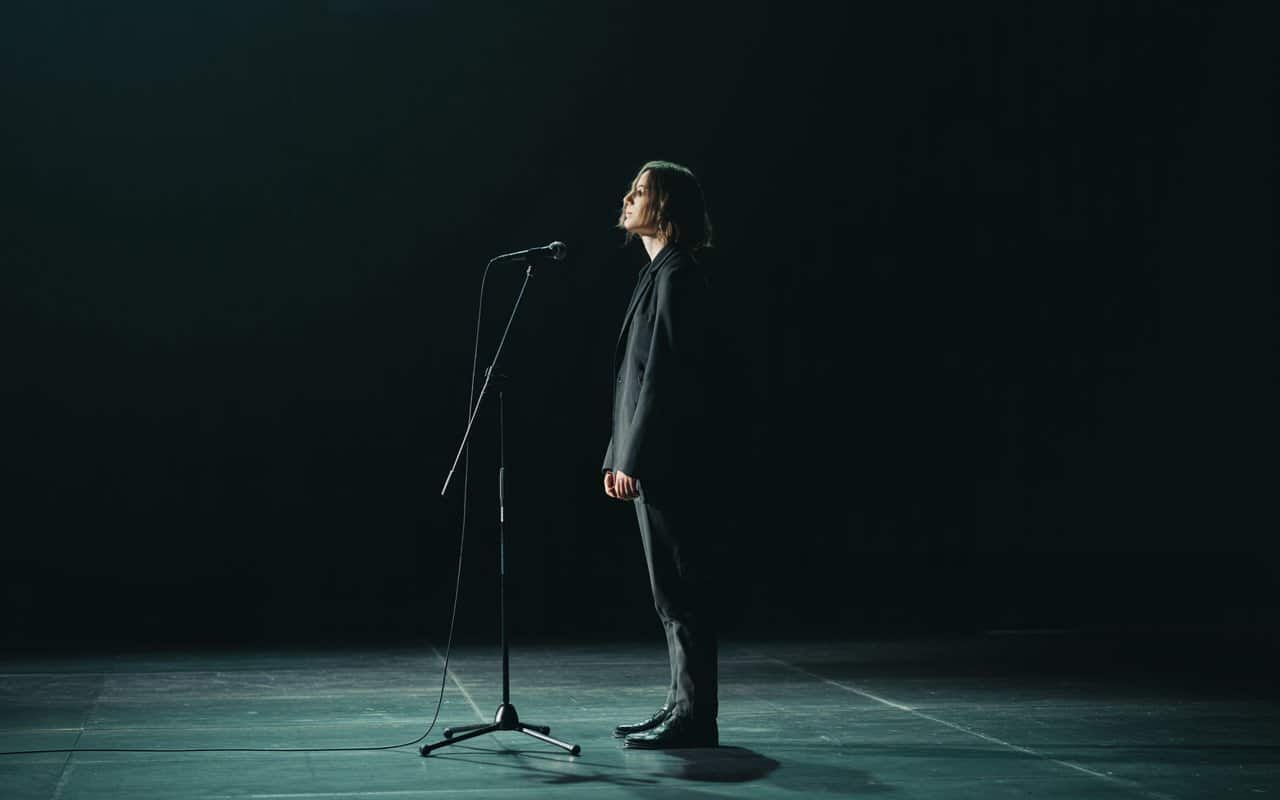
One of the more distressing patterns in performance anxiety is its tendency to appear unexpectedly in professionals who have managed it well for years. Late-onset stage fright is more common than most people acknowledge, and it has specific, identifiable causes.
Burnout and Accumulated Stress
Sustained professional stress depletes the nervous system’s capacity to regulate emotional responses. A person who managed performance anxiety comfortably for years may find that, after a period of chronic overwork or burnout, the same situations now trigger a much stronger response. The baseline cortisol level is already elevated; any additional stressor pushes the system into overwhelm more quickly. The solution is not simply to manage the presenting anxiety, but to address the underlying depletion.
Hormonal Changes
Hormonal shifts, including those associated with perimenopause, thyroid conditions, or other endocrine changes, can significantly alter the body’s stress response and lower the threshold at which anxiety appears. This is a physiological explanation, not a psychological weakness. If the timing of new or worsening performance anxiety correlates with other health changes, it is worth discussing with a GP.
Increased Stakes at Career Transitions
Professionals who move into more senior roles often find that the audiences they face carry more authority, and that the consequences of underperforming feel more significant. A manager comfortable presenting to peers may experience genuine stage fright when presenting to board-level stakeholders for the first time. This is a contextual change rather than a personal failing, though it rarely feels that way in the moment.
For leaders and senior professionals looking to build confidence in high-stakes communication environments, our guide to personal and professional development covers structured approaches to managing this transition.
New Causes of Stage Fright: Digital and Hybrid Environments
Remote and hybrid working has introduced a distinct category of causes of stage fright that did not exist a decade ago. Two specific factors make digital presenting more anxiety-inducing for many professionals, and understanding them helps demystify an experience that many people find difficult to articulate.
The Self-View Problem
Most video platforms display a thumbnail of your own face during calls. Research in social psychology shows that seeing your own face in real time activates heightened self-consciousness and increases anxiety in ways that have no equivalent in face-to-face presenting. In a physical room, you cannot see yourself; on a video call, you are simultaneously performer and audience member, monitoring your own image throughout.
The Absence of Non-Verbal Feedback
In a room, a presenter receives continuous signals from the audience: nods, eye contact, posture shifts, and responses to humour. On a video call, participants mute themselves, turn off their cameras, and the visual field shrinks to small thumbnails. This absence of feedback creates sustained uncertainty, which directly amplifies the anxiety response.
Identifying Your Symptoms: Physical and Cognitive
The causes of stage fright may be similar across people, but the way it manifests varies considerably. Some people experience primarily physical symptoms; others experience cognitive ones; most experience a combination. Identifying your personal pattern is useful because it allows you to target your management strategies more accurately.
| Category | Common Symptoms | Management Priority |
|---|---|---|
| Physical | Racing heart, dry mouth, trembling, nausea, excessive sweating | Breathing techniques and physical warm-up routines |
| Cognitive | Mental blank, racing thoughts, negative self-talk, difficulty concentrating | Preparation, reframing, and visualisation practices |
| Behavioural | Avoidance, rushing speech, poor eye contact, over-reliance on notes | Structured coaching and repeated, low-stakes practice |
When Stage Fright Becomes Something More
For most people, stage fright is an uncomfortable but manageable experience. For a smaller proportion, performance anxiety crosses a clinical threshold and begins to limit professional and personal functioning.
Social Anxiety Disorder (SAD) involves persistent and intense fear across a range of social situations, not just specific performances. It typically involves anticipatory anxiety in the weeks before an event, avoidance behaviour that progressively narrows professional participation, and significant distress that affects quality of life.
If stage fright is preventing you from accepting career opportunities, causing you to avoid speaking situations you would otherwise want to take part in, or creating significant and lasting distress, speaking with a GP is the appropriate next step. In the UK, you can self-refer to NHS Talking Therapies for Cognitive Behavioural Therapy without a GP referral in most areas. The British Association for Performing Arts Medicine (BAPAM) also offers specialist support for performance-related anxiety.
How to Manage Stage Fright: Evidence-Based Strategies
Once you understand the causes of stage fright, you can target your management approach more precisely. There is no single solution that works for everyone, but the strategies below are grounded in established research rather than generic positive-thinking advice. The most effective approach combines structured preparation, physiological regulation, and, where needed, professional support.
Build Genuine Fluency, Not Memorisation
The most common preparation mistake is memorising a script word-for-word. Memorisation creates fragility: if you lose your place, recovery is difficult, and the anxiety this triggers can cascade through the rest of the performance. The goal of preparation is fluency, understanding the material so thoroughly that you can discuss it from multiple angles without a fixed script. Rehearse standing up, speaking aloud, and in conditions that as closely as possible resemble the actual environment.
Controlled Breathing
Slow, diaphragmatic breathing directly counteracts the physiological stress response by activating the parasympathetic nervous system. Breathing in for four seconds, holding for four seconds, and exhaling slowly for six seconds, the extended exhale is the critical element that can measurably reduce heart rate within two to three minutes. This technique works best when practised regularly in calm conditions, so that it becomes automatic under pressure.
Reframe Anxiety as Excitement
Research by Alison Wood Brooks at Harvard Business School found that reframing anxious arousal as excitement, saying “I am excited” rather than “I am nervous”, improved measurable performance across a range of tasks. Both emotions involve elevated heart rate and increased alertness; what differs is the interpretive frame. Excitement is goal-oriented and forward-looking; anxiety is threat-oriented. The shift is small, but its effect on performance is well documented.
Mental Rehearsal and Visualisation
Mental rehearsal is a standard tool in elite sport psychology and directly transfers to professional presenting. Spend five to ten minutes before a presentation visualising the experience going well, not perfectly, but going well. Include the physical sensation of speaking, the moment of engaging the audience, and the feeling of finishing the presentation. This primes the nervous system for a positive experience rather than a threatening one.
Professional Presentation Training
Self-managed techniques have a ceiling. For professionals who regularly present to clients, stakeholders, or large groups, structured training with expert feedback significantly accelerates improvement. The combination of skill development, repetition in low-stakes environments, and guided feedback addresses both the competence and confidence gaps simultaneously.
Seek Professional Therapeutic Support When Needed
For persistent or severe performance anxiety, professional therapeutic support, particularly Cognitive Behavioural Therapy, has strong clinical evidence behind it. CBT identifies and challenges the thought patterns that sustain anxiety, and it is available through NHS Talking Therapies, private practitioners, or workplace Employee Assistance Programmes. A GP is the most appropriate first point of contact for anyone unsure which route to take.
Building Confidence as a Long-Term Strategy
Managing stage fright is ultimately part of a broader project of professional confidence development. As confidence grows through repeated positive experiences and skill development, the anxiety response diminishes. As the anxiety response diminishes, confidence becomes easier to maintain and build further.
The communication skills that support confident professional performance, such as active listening, clear structure, and audience awareness, are covered in depth in our guide to the art of communication.
Stage fright is not a flaw; it is a biological response that has simply been triggered in the wrong context. Whether you experience it as a racing heart before a client pitch, a mental blank during a team presentation, or a growing discomfort with video calls, the causes are identifiable, and the response is manageable. The professionals who handle it best are not those who feel no anxiety; they are those who understand what is happening and have built the habits to work through it. Preparation, practice, and the right support make the difference.
FAQs
1. Is stage fright a mental illness?
Stage fright is not a mental illness. It is a normal physiological response to perceived social threat, and the majority of people who experience it are at the manageable end of a natural spectrum. Social Anxiety Disorder is the clinical condition that sits at the severe end of that spectrum, characterised by persistent fear that significantly limits daily functioning. Most people who describe themselves as experiencing stage fright do not meet the clinical threshold for Social Anxiety Disorder and do not require clinical intervention.
2. What causes stage fright in public speaking specifically?
The causes of stage fright in public speaking typically involve three combined factors: the fear of negative evaluation by a visible audience, reduced fluency or familiarity with the specific material being presented, and the physiological stress response triggered by being the centre of attention in a high-stakes situation. In professional contexts, ego threat, the sense that the audience is evaluating you as a person, not just your content, frequently amplifies all three.
3. Why do my hands shake even when I do not consciously feel nervous?
The autonomic nervous system, which controls the physiological stress response, operates largely below conscious awareness. Adrenaline can trigger trembling, dry mouth, and a rapid heartbeat before your conscious mind has registered that you are feeling anxious. Your nervous system has already assessed the context and activated the fight-or-flight response before rational thought has caught up. This is why physical techniques such as controlled breathing, which work directly on the autonomic nervous system, are more effective in the moment than simply telling yourself to calm down.
4. Can you suddenly develop stage fright later in life, even if you were previously confident?
Yes, and this is more common than most people acknowledge. Late-onset performance anxiety can result from burnout, hormonal changes, a significant career transition into higher-stakes roles, or a single difficult performance experience that creates a negative association. It is not a sign of regression or weakness, and the same techniques that help less experienced presenters with structured preparation, physiological regulation, and professional support are equally effective for experienced professionals experiencing it for the first time.
5. Does practising more always reduce stage fright?
Not necessarily. Practice reduces stage fright when it builds genuine fluency and realistic confidence. It can make stage fright worse when it reinforces perfectionism, as the goal of rehearsal becomes delivering a flawless performance rather than thoroughly understanding the material. Perfectionists who over-rehearse often find that any deviation from their mental script during the actual performance triggers a sharper anxiety response than if they had prepared less rigidly. The quality and intent of practice matter more than the quantity.