
SEO for Therapists and Counsellors: A Practical Guide
Table of Contents
When someone types “therapist near me” or “counsellor Belfast” into Google, they are often mid-crisis, not mid-research. Generic SEO advice rarely accounts for that. SEO for therapists has to work within confidentiality rules, advertising codes from bodies like BACP and IACP, and a client base that needs to feel safe before they ever pick up the phone.
ProfileTree works with healthcare and professional service businesses across Northern Ireland, Ireland and the UK, and this guide sets out what makes SEO for therapists and counsellors different, what specialist SEO services for counsellors actually involve, and how to judge whether you need outside help.
Why Generic SEO Advice Fails Therapists and Counsellors

Most SEO guidance assumes a straightforward transaction: someone searches, compares options, and buys. Therapy doesn’t work that way. A person searching for a counsellor is often frightened and uncertain, taking a step they’ve been putting off for months. SEO for therapists that focuses purely on rankings misses the point entirely; a page one ranking that reads as clinical and distant can put a frightened searcher off just as effectively as no ranking at all.
Three things make this market different from most sectors an SEO agency will have worked in before. First, the decision is emotional before it’s rational; a warm, non-judgemental website matters as much as a fast one, and the tone of the copy carries as much weight as the technical score. Second, therapy spans in-person, online and hybrid delivery, each with its own search patterns and local versus national intent; a practice offering all three needs content that reflects each one rather than a single blended page.
Third, specialisms matter enormously: anxiety, trauma, couples work, addiction, and bereavement each attract different searchers with different vocabulary and different levels of urgency. Someone searching “trauma therapist near me” at 2 am is not in the same state of mind as someone comparing “couples counselling prices” on a Tuesday afternoon, and the content has to account for both. An SEO agency for counsellors has to plan around all three factors at once, not just keyword volume, and that’s the gap most generic providers never close.
The Confidentiality and Compliance Challenge
This is the section competitors skip, and it’s the reason generic marketing advice can actively damage a therapy practice rather than simply underperform. Any SEO for therapists, whether handled in-house or through specialist SEO services for counsellors, must be built around BACP and IACP advertising standards, which restrict how outcomes can be described, forbid claims that could be read as guaranteeing results, and set clear expectations around how qualifications and specialisms are presented publicly.
Client testimonials are the clearest example of where generic marketing habits collide with clinical ethics. A retail business chases five-star reviews as a matter of course; a therapist cannot ethically request one from a client, and many clients would never want their name associated with a mental health service in a public forum, however positive their experience was. Review platforms built into professional directories, the BACP therapist directory or a Counselling Directory profile, offer a safer alternative to Google reviews, because they sit within a professional context rather than a star rating a stranger can screenshot and share.
GDPR and Special Category Data
Mental health information counts as special category data under UK GDPR, which means the usual “just add a contact form” approach to a website isn’t enough on its own. Contact forms need a clear, specific privacy statement rather than a generic template. Session booking tools need to state plainly how data is stored, who can access it, and how long it’s retained.
Any case study or example used on the website, even anonymised, needs enough alteration to real details that no client could reasonably be identified by someone who knew them. The Information Commissioner’s Office sets out the specific conditions for processing health data lawfully, and an SEO agency for counsellors should be checking new content against that guidance before it goes live, not after a complaint arrives. This is one of the clearest reasons SEO services for counsellors cannot simply follow a template built for a different sector.
DIY SEO or SEO for Therapists Support?
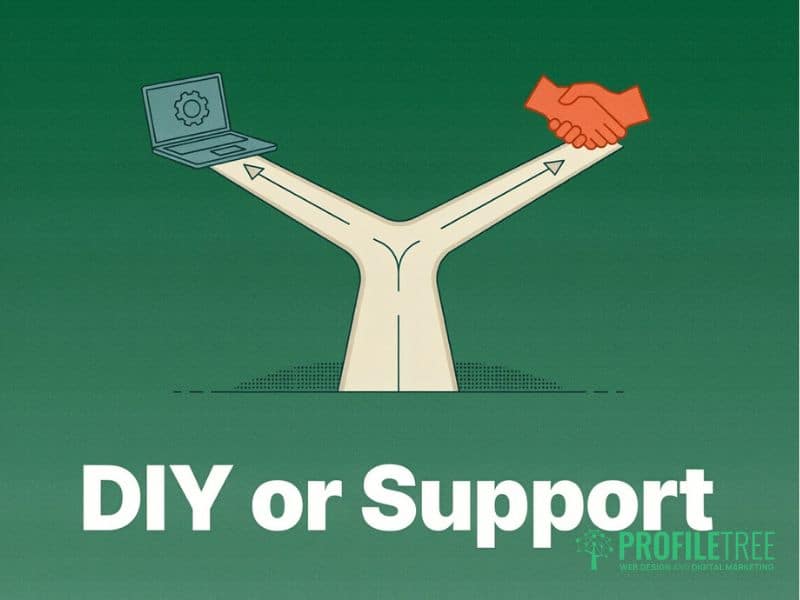
Not every practice needs to hire out its SEO, and it’s worth being honest about where the line sits. A sole practitioner with three or four hours a month can maintain a Google Business Profile, keep directory listings current, and publish the occasional blog post without outside help, provided they’re comfortable with the basics of on-page structure and don’t mind the learning curve.
Where DIY tends to break down is in technical SEO, content that needs to satisfy Google’s YMYL standards without a background in writing for them, and the ongoing time cost of doing this consistently alongside a full client caseload. Six months in, many practitioners find they’ve published a handful of pages, none of them fully optimised, and the Google Business Profile hasn’t been touched since it was first claimed. This is usually the point where DIY SEO for therapists plateaus, and getting outside support starts to make more sense.
“Therapists help people during some of life’s most difficult moments. When someone searches for a counsellor, they’re taking a brave step, and they need to feel safe before they reach out. Warm, professional online presence with clear information about how you help builds the trust that leads to that first contact.” — Ciaran Connolly, ProfileTree
Hiring specialist SEO services for counsellors makes the most sense once a practice is juggling multiple specialisms, considering a second location, or has tried DIY SEO for six months without any movement in enquiries. It also makes sense for practitioners who would simply rather spend their limited admin time on client work than on keyword research. ProfileTree’s search engine optimisation services cover the technical, content and local visibility work described in this guide, built around the compliance requirements above from the outset rather than bolted on afterwards once something has gone wrong.
Google Business Profile and Local Visibility for Counsellors
For in-person and hybrid practices, Google Business Profile is usually the single highest-value asset, often outperforming the website itself for local enquiries. Choose an accurate primary category, Counsellor, Psychotherapist, or Mental Health Service, depending on qualification and main offering, and list service areas rather than a single pin-drop address if privacy is a concern.
Many counsellors work from home and worry that a public Google Business Profile address will compromise their privacy or that of their family. The service area setting solves this directly: set a defined service radius instead of publishing an exact address, and the profile can still rank for local searches without disclosing where sessions actually take place.
Add session availability, including evening or weekend hours if offered, response time expectations, and a warm, unposed photo of the therapy space itself. A specialist SEO agency for counsellors will usually work alongside whoever handles website design, since tone and warmth are as much a design question as an SEO one; clinical-looking stock photography, sterile waiting rooms, and generic handshake images do more harm than good in a market where the first impression needs to feel human.
Getting this profile right is one of the highest-value tasks within any programme of SEO for therapists, since it’s usually the first thing a local searcher sees before they ever click through to the website itself.
Managing Reviews Ethically
Never request reviews directly from clients; several professional bodies treat this as a boundary violation given the power imbalance in a therapeutic relationship. When a review does appear unprompted, respond warmly without confirming or denying that the reviewer was ever a client, thanking them for their comment rather than discussing content. Lean on other trust signals, directory profiles, visible credentials, and detailed website content to fill the gap that reviews would normally cover in most other sectors.
Building Trust and E-E-A-T for Therapy Content

Google treats therapy content as Your Money or Your Life (YMYL), which means the bar for experience, expertise, authoritativeness and trustworthiness is considerably higher than for most commercial pages, and SEO for therapists is judged against that higher bar. Registration numbers, qualifications, and supervision arrangements should appear on every page where relevant, not buried on a single about page that a searcher may never reach before deciding whether to trust the site.
Our detailed guide to Google’s YMYL update covers how these standards apply across health-adjacent sites in more depth, and it’s worth reading before publishing anything new on a therapy website. Author bios matter here too: name the person who wrote or clinically reviewed the content, and link to a full bio with verifiable credentials rather than a generic “our team” byline that gives Google, and the reader, nothing to check.
Content standards matter just as much as credentials. Every claim about a therapeutic approach should be described accurately rather than oversold, appropriate caveats should sit alongside any self-help content, and pages discussing serious issues like trauma or suicidal ideation should signpost to emergency services where relevant. This isn’t just an ethical requirement; Google’s YMYL evaluation explicitly checks for exactly this kind of responsible framing.
Where credentials sit on the page matters too. A registration badge in the footer, seen once across an entire site, carries far less weight than the same registration number repeated on the about page, the contact page and every issue-specific page a searcher might land on first. Supervision arrangements and continuing professional development are worth a mention as well; they signal an active, currently maintained practice rather than a qualification earned once and never revisited. Any proper SEO agency for counsellors should be building these credential checks into every new page as standard, not treating them as an optional extra.
Content and Keyword Strategy for Therapist Websites
Search intent for this market splits into two clear groups, and conflating them is one of the most common content mistakes in SEO for therapists. Informational searches, “what is EMDR”, “signs of anxiety”, bring people who are still deciding whether to seek help at all. Transactional searches, “anxiety therapy Belfast”, “counsellor near me”, bring people who are ready to book.
Both need dedicated pages, built around the issues actually treated rather than a single generic services page trying to serve everyone at once. This split between informational and transactional intent is exactly why generic SEO services for counsellors so often underperform; a template built for a different sector rarely distinguishes between the two, and both audiences end up served by the same thin page.
Issue-specific pages, one each for anxiety, depression, trauma, relationship work, and bereavement, consistently outperform a single catch-all page because they let the searcher see themselves in the content before they even reach the contact form. Each one should explain the issue in plain language, describe how therapy helps with that specific concern, and end with a clear, low-pressure way to get in touch. Long-tail combinations like “EMDR for PTSD Belfast” or “CBT therapist for health anxiety” carry lower search volume individually but far higher conversion, since the searcher already knows precisely what they want and is closer to making contact.
Modality-specific pages add a further layer worth considering once the core issue pages are in place. A page explaining an integrative approach, or one setting out what EMDR sessions involve, speaks to searchers who have already done some research and are looking for a therapist trained in a specific method rather than a general practitioner. Building out this kind of content, one page at a time, is realistically a content marketing exercise as much as an SEO one. These pages tend to have lower search volume than the issue-specific pages above, but the searchers arriving on them are usually further along in deciding to book, which makes the traffic disproportionately valuable relative to its size.
UK and Ireland Directory Listings
Directory profiles function as satellite SEO assets rather than an afterthought, and treating them as such changes how much value they generate. A complete BACP or IACP profile, a Counselling Directory listing, and a Psychology Today UK profile all reinforce the same name, address and credentials that appear on the main website, and each one is a genuine ranking signal in its own right rather than a box-ticking exercise.
Keep every listing identical and current across all four; mismatched practice names, addresses or phone numbers across directories undermine exactly the trust signals Google and prospective clients are both checking for. IACP is the equivalent body for Ireland-based practitioners and is worth prioritising alongside BACP for any practice serving both markets.
Choosing Support for SEO for Therapists: What to Look For
Not every digital agency understands this market, and the wrong choice can create compliance problems rather than solve them. A specialist provider of SEO services for counsellors should ask about BACP or IACP registration before writing a single page, treat testimonials with the caution outlined above rather than chasing them as a default tactic, and avoid the aggressive calls to action common in other sectors. “Book now before slots run out” has no place on a therapy website.
Our piece on how technology affects mental health looks at some of the same trust and access questions from the client’s side, and it’s worth reading alongside this guide for the fuller picture of why search visibility matters so much for this sector. When comparing providers of SEO for therapists, ask for examples of health or professional-services content they’ve actually written, check whether they understand special category data under GDPR without needing it explained from scratch, and be wary of anyone promising a fixed ranking position or an overnight result; therapy SEO, like most YMYL content, moves gradually rather than overnight.
Measuring Success and Avoiding Common Mistakes
Track enquiries, phone calls and consultation bookings rather than raw traffic; a smaller number of well-matched enquiries beats a large number of visitors who were never going to book a session. Ask new clients how they found you and keep that data in aggregate, entirely separate from individual case notes, so source tracking never risks confidentiality.
The most common mistakes are avoidable and rarely expensive to fix. A clinical, distancing tone across the site puts off exactly the people it should be reassuring. No photo, or an unfriendly, overly formal one, does the same. Hidden session fees create needless contact friction for someone already finding it hard to reach out. A single generic page trying to cover every specialism at once tells a searcher nothing about whether this particular therapist can help with their particular concern.
Fixing these rarely requires a large budget, just consistent attention to the details that make a searcher feel safe enough to make contact in the first place. Any ongoing programme of SEO for therapists, whether run in-house or through specialist SEO services for counsellors, should be tracking these basics monthly rather than waiting for an annual review to catch them.
Next Steps
The practices that grow fastest through search aren’t necessarily the most established ones; they’re the ones that are visible when someone searches, trustworthy when that person looks a little closer, and easy to contact once they’ve decided to reach out. Getting the confidentiality, compliance and local visibility fundamentals right, in roughly that order, does most of the work.
If you’d rather have a specialist handle this, ProfileTree’s team works with healthcare and professional service businesses across Northern Ireland, Ireland and the UK, and understands both the technical side of SEO and the ethical constraints of mental health marketing. Get in touch to talk through what SEO for therapists and specialist SEO services for counsellors could look like for your practice.
FAQs
1. How quickly can SEO for therapists show results?
Google Business Profile changes often show movement within weeks. Website content and organic rankings typically take three to six months to build meaningfully. Because therapy is relationship-based, the quality of enquiries matters more than the quantity, so judge results on bookings rather than raw traffic figures.
2. Should I hire an SEO agency or handle it myself as a counsellor?
A sole practitioner with a few hours a month can manage the basics: Google Business Profile, directory listings, and an occasional blog post. Hiring SEO services for counsellors makes more sense once you’re juggling multiple specialisms or locations, or DIY efforts haven’t moved enquiries after six months of consistent effort.
3. How should I handle reviews and testimonials as a therapist?
Never request reviews directly from clients; several professional bodies treat this as a boundary issue given the therapeutic relationship. Respond to any unprompted review warmly without confirming details, and rely on directory profiles and visible credentials as your main trust signals instead.
4. What does an SEO agency for counsellors do differently from a generic agency?
A specialist agency understands BACP and IACP advertising rules, treats testimonials and case studies with appropriate caution rather than chasing them by default, and builds content around GDPR’s special category data requirements from the outset. GDPR compliance isn’t an add-on here; it shapes how contact forms, booking tools and case studies are built.
5. Is it worth optimising for online therapy searches?
Yes, if remote sessions are offered. Online therapy searches have grown substantially and reach clients outside the usual local travel radius, though the content needs to address privacy, platform security and what a video session actually involves in practice.