
SEO for Gyms and Fitness Centres: Attract Members Locally
Table of Contents
When someone decides to join a gym, they reach for their phone. “Gyms near me,” “best gym Belfast,” “24 hour fitness centre”—these searches happen constantly, and the gyms appearing in those results sign up new members while invisible competitors wonder why footfall is declining.
SEO for gyms is fundamentally local. People don’t travel far to exercise regularly—they want convenient options near home or work. This geographic constraint means you’re not competing with every gym in the country, just the handful within a reasonable distance of potential members. That’s good news, because it makes effective local SEO achievable for independent gyms and fitness centres without massive marketing budgets.
The fitness industry has become increasingly competitive. Budget chains, boutique studios, 24-hour facilities, and specialist training centres all compete for the same local members. Standing out in search results isn’t just about visibility—it’s about communicating what makes your facility the right choice for the person searching.
ProfileTree works with fitness businesses across Northern Ireland, Ireland, and the UK to build search visibility that translates into membership enquiries. For gyms, that means appearing when local people search, presenting a compelling case when they find you, and making it easy to take the next step.
Why Search Visibility Matters for Gyms
The fitness industry has changed dramatically. Understanding how people find and choose gyms clarifies why investing in SEO makes sense.
The Local Search Reality
Gym membership is a local decision. Most people won’t travel more than 15-20 minutes for regular exercise. This means your target market is geographically constrained—everyone within a reasonable travel distance of your facility.
Within that area, you’re competing with a finite number of alternatives. Effective local SEO isn’t about global visibility—it’s about dominating searches in your specific catchment area. A gym that appears prominently for “gym [your area]” captures the lion’s share of local membership enquiries.
Decision Journey for Gym Membership
Understanding how people choose gyms shapes an effective SEO strategy:
Trigger: Something prompts the decision—New Year’s resolution, health concern, life change, dissatisfaction with the current gym.
Research: Searching for options, reading reviews, checking facilities and prices, visiting websites.
Shortlist: Narrowing to 2-4 realistic options worth visiting.
Visit: Touring facilities, talking to staff, possibly trying a session.
Decision: Joining the gym that best matches needs, budget, and feel.
SEO influences the research and shortlist stages. If you don’t appear in searches, you never make the shortlist. If your online presence is weak, you’re eliminated before the visit.
Competing with Chains and Budget Gyms
Independent gyms and fitness centres face competition from national chains with marketing budgets and brand recognition. But chains have weaknesses in local search:
Generic presence: Chain gym locations often have thin, templated online presence without genuine local content.
Limited personality: Corporate restrictions prevent individual locations from showcasing unique character.
Staff turnover: High turnover means less authentic local expertise and community connection.
Centralised decision-making: Local marketing initiatives require corporate approval, slowing response to opportunities.
Independent gyms can build an authentic local presence that chains struggle to match. Your knowledge of your community, your genuine local roots, and your ability to respond quickly are competitive advantages.
Google Business Profile for Gyms
Your Google Business Profile is the foundation of gym local SEO. It determines Map Pack appearance, displays crucial information directly in search results, and often generates more enquiries than your website.
Essential Profile Setup
Categories: Select the most accurate primary category:
- Gym (generic, broad)
- Fitness Center
- Health Club
- CrossFit Gym
- Yoga Studio
- Pilates Studio
- Martial Arts School
- Personal Trainer
- Boxing Gym
- Sports Club
Choose based on your primary offering. A general fitness gym should use “Gym” or “Fitness Centre.” A specialist facility (such as a CrossFit box, yoga studio, or martial arts studio) should use the specific category. Add secondary categories for additional services—a gym with classes might add “Fitness Centre” and “Yoga Studio.”
Attributes: Google offers extensive fitness attributes:
- Amenities (changing rooms, showers, lockers, parking)
- Equipment types
- Class offerings
- Accessibility features
- Membership options
- Opening hours (especially 24-hour access)
Complete every relevant attribute. These appear in search results and help Google match your facility to specific searches, such as “24-hour gym” or “gym with pool.”
Photos That Attract Members
Gym photography significantly influences decisions. Potential members want to visualise themselves working out in your space.
Facility photos: Show your gym floor, equipment range, studio spaces, and any specialist areas. Clean, well-lit photos make spaces look inviting.
Equipment photos: Highlight quality and range of equipment. Free weights, cardio machines, functional training areas, and specialist equipment.
Class photos: Action shots of classes in progress (with participant permission). Show the energy and community.
Changing facilities: Clean, modern changing rooms matter to many members. Show them if they’re a selling point.
Exterior: Help people find you. Your building, entrance, parking, and signage.
Team: Personal trainers, instructors, and staff. People buy from people.
Add photos regularly. Google favours active profiles, and fresh images keep your listing engaging. Encourage member photos and check-ins too.
Managing Opening Hours
Accurate opening hours are critical, especially for gyms with extended or 24-hour access:
Standard hours: Set accurate, regular opening hours.
24-hour access: If you offer 24-hour member access, clearly indicate it. There may be staffed hours versus access-only hours—communicate this distinction.
Class schedules: While Google doesn’t display full timetables, your description can reference class availability.
Holiday hours: Updates on bank holidays and seasonal closures.
Reviews: Your Most Powerful Asset
Gym reviews dramatically influence membership decisions. People want to know what members actually experience before committing.
Encouraging reviews:
- Ask satisfied members directly
- Send follow-up emails after joining
- Display review requests in the facility
- Train staff to mention reviews to happy members
- Include review links in member communications
- Never offer incentives for reviews—this violates guidelines
What to encourage members to mention:
- Specific facilities and equipment
- Staff helpfulness and expertise
- Atmosphere and community
- Cleanliness and maintenance
- Value for money
- The results they’ve achieved
Responding to reviews:
- Respond to every review, positive and negative
- Thank positive reviewers specifically
- Address concerns in negative reviews professionally
- Never argue or become defensive
- Offer to discuss issues offline
- Show you genuinely care about member experience
Your review responses demonstrate how you treat members. Professional, caring responses to criticism often impress more than the criticism concerns.
“Gyms succeed or fail on local visibility. When someone searches ‘gym near me,’ you’re either in the consideration set or you don’t exist. A complete Google Business Profile with genuine member reviews is worth more than any advertising budget for capturing that local search traffic.” — Ciaran Connolly, ProfileTree
Website Essentials for Gyms
While Google Business Profile captures many searchers directly, your website provides detailed information and converts interest into enquiries.
Critical Website Elements
Membership options: Clear presentation of membership types, pricing, and what’s included. Transparency builds trust—hiding prices frustrates potential members and often sends them to competitors who are upfront.
Facilities and equipment: Comprehensive information about what you offer. Equipment lists, studio spaces, changing facilities, and parking. Help people understand what they’ll access as members.
Classes and timetables: Current class schedules, class descriptions, and booking information. For gyms with classes, this is often the most-visited content.
Personal training: If you offer PT, dedicated pages for training services, trainer profiles, and how to book.
Location and access: Clear directions, parking information, public transport options, and access arrangements (staffed hours, 24-hour access, key fob systems).
Contact and trial options: Multiple contact methods and a clear path to trying your facility—free passes, trial sessions, and facility tours.
About and values: Your story, philosophy, and what makes you different. People increasingly choose businesses aligned with their values.
Calls to Action
Every page should guide visitors toward action:
- Book a tour
- Claim a free trial
- Get a membership quote
- Download timetable
- Contact us
Don’t make visitors hunt for how to take the next step. Clear, prominent calls to action throughout the site convert browsers into enquiries.
Mobile Experience
Most gym searches happen on mobile. Test your website on various phones:
- Can visitors easily find membership information?
- Is the timetable readable on small screens?
- Can they contact you with one tap?
- Does the site load quickly?
Any friction loses potential members to competitors who’ve optimised for mobile.
Technical Foundations
Basic technical SEO supports visibility:
Speed: Large image galleries can slow gym websites. Compress images and ensure fast loading.
HTTPS: Security matters for any site collecting contact information.
Local schema: Implement the LocalBusiness schema with your address, phone, opening hours, and facilities.
Our guide to SEO fundamentals at profiletree.com/seo-basics/ covers these technical foundations.
Local SEO Strategy for Gyms
Gyms depend entirely on local search visibility. Everything else supports this core goal.
Local Keyword Targeting
Think about how potential members actually search:
Generic + location: “Gym Belfast,” “fitness centre Derry,” “health club Lisburn”
Specific facility + location: “24 hour gym Bangor,” “gym with pool Newry,” “women’s gym Belfast”
Activity + location: “CrossFit Belfast,” “yoga classes Holywood,” “boxing gym Ballymena”
Intent + location: “Cheap gym Belfast,” “best gym near me,” “gym free trial”
Your Google Business Profile categories and attributes help you appear for these searches. Website content can target longer, more specific queries.
Building Local Citations
Directory listings reinforce your local presence:
Fitness-specific directories:
- ClassPass
- Mindbody (if you use their software)
- Hussle
- PayAsUGym
General business directories:
- Yell.com
- Thomson Local
- Yelp
- FreeIndex
Local directories:
- Local council listings
- Community directories
- Chamber of Commerce
Ensure Name, Address, and Phone are identical across all listings. Inconsistencies confuse search engines and potential members.
Hyperlocal Presence
Gyms benefit from hyperlocal targeting:
Neighbourhood focus: Content and optimisation for specific neighbourhoods, not just the city. “South Belfast gyms” or “Cathedral Quarter fitness.”
Nearby employers: Target searches for people working near you. “Gym near [business park]” or “lunchtime fitness [area].”
Transport links: Content around accessibility. “Gym near [station]” or “gym with parking [area].”
Our hyperlocal SEO guide at profiletree.com/hyperlocal-seo/ details these strategies.
Local Link Building
Local links strengthen geographic visibility:
- Partner with local businesses for corporate membership schemes
- Sponsor local sports teams or events
- Connect with local health practitioners for referrals
- Participate in community events and charity initiatives
- Build relationships with local bloggers and journalists
These relationships generate links while building a genuine local presence.
Content Strategy for Gyms
Content marketing helps gyms attract potential members researching fitness options.
Educational Fitness Content
Create helpful content that demonstrates expertise:
Beginner guides: “Complete beginner’s guide to the gym,” “How to start strength training,” “First time at the gym—what to expect
Exercise guides: Proper form, workout programming, equipment usage. Video content works particularly well here.
Nutrition basics: General nutrition guidance supporting fitness goals (without giving specific medical advice).
Goal-specific content: “How to build muscle,” “Running your first 5K,” “Improving flexibility over 50”
This content ranks for searches from people considering fitness improvements—your target market.
Local Fitness Content
Connect your facility to the local context:
Local running routes: Guides to running in your area for members who train outdoors, too.
Local fitness events: Coverage of local races, fitness events, and charity challenges.
Community stories: Member success stories (with permission), community achievements, local partnerships.
Local health resources: Connections to local physiotherapists, nutritionists, and sports massage therapists.
Class and Programme Content
Detailed content about what you offer:
Class descriptions: What each class involves, who it’s suitable for, and what to expect.
Programme explanations: Personal training approaches, transformation programmes, specialist offerings.
Instructor profiles: Qualifications, specialisms, training philosophy for key staff.
Seasonal Content
Fitness has natural content rhythms:
New Year: Weight loss, getting started, resolution support Spring: Outdoor training, summer body preparation Summer: Holiday fitness, outdoor classes, maintaining routine Autumn: Getting back on track, new class launches Winter: Indoor alternatives, staying motivated, Christmas survival
Plan content around these patterns when people actively consider fitness changes.
Video content works exceptionally well for fitness. Exercise demonstrations, facility tours, class previews, and trainer introductions all perform strongly. Our video storytelling guide at profiletree.com/video-storytelling/ covers effective approaches.
Competing as an Independent Gym
Independent gyms face specific competitive challenges. An effective strategy emphasises your advantages.
Your Advantages Over Chains
Community: Independent gyms often build a stronger community than impersonal chain facilities. This matters to members—showcase it.
Flexibility: You can respond quickly to member needs, local opportunities, and market changes. Chains move slowly.
Expertise: Staff who stay long-term build relationships and expertise. High-turnover chain staff can’t match this.
Local knowledge: You understand your community, your members, and local fitness culture.
Personality: Your facility has character. Chain gyms are deliberately standardised and generic.
Differentiation Strategies
What makes you worth choosing over alternatives?
Specialisation: Being excellent at specific things—strength training, classes, personal training, specific populations.
Community: Strong member community, social events, supportive atmosphere.
Results focus: Emphasis on member outcomes rather than just facility access.
Convenience: Location, hours, and access arrangements that suit your target market.
Experience: Quality of facility, equipment, and service beyond basic gym access.
Identify your genuine differentiators and make them prominent in all content and communications.
Pricing Transparency
Many gyms hide prices, hoping to get people through the door before discussing cost. This approach frustrates potential members and often backfires.
Consider transparent pricing:
- Builds trust before first contact
- Qualifies enquiries (people contacting you know the price range)
- Differentiates from competitors who hide costs
- Reduces friction in the decision process
If your pricing is competitive, transparency helps. If it’s premium, explain the value that justifies a higher investment.
Personal Trainer SEO
If your gym employs personal trainers or you’re an independent PT, specific SEO considerations apply.
Individual Trainer Profiles
Create dedicated pages for each trainer:
Qualifications: Certifications, specialisms, continuing education. Experience: Background, client types worked with, approach Specialisms: Particular populations, goals, or training styles Testimonials: Client success stories and feedback Photos/video: Professional images and training footage
These pages rank for “[trainer name]” searches and demonstrate expertise to potential clients.
Personal Training Keywords
Target PT-specific searches:
Generic: “Personal trainer Belfast,” “PT near me” Specialism: “Strength coach Belfast,” “weight loss personal trainer,” “female PT” Population: “Personal trainer for beginners,” “over 50s fitness trainer”
Trainer Content
Personal trainers can create distinctive content:
Training philosophy: Explain your approach and what makes it effective. Client stories: Transformation journeys (with permission). Exercise content: Demonstrations, form guides, programming insights. Industry expertise: Commentary on fitness trends, training methods
This positions trainers as experts while generating search visibility.
Measuring Gym SEO Success
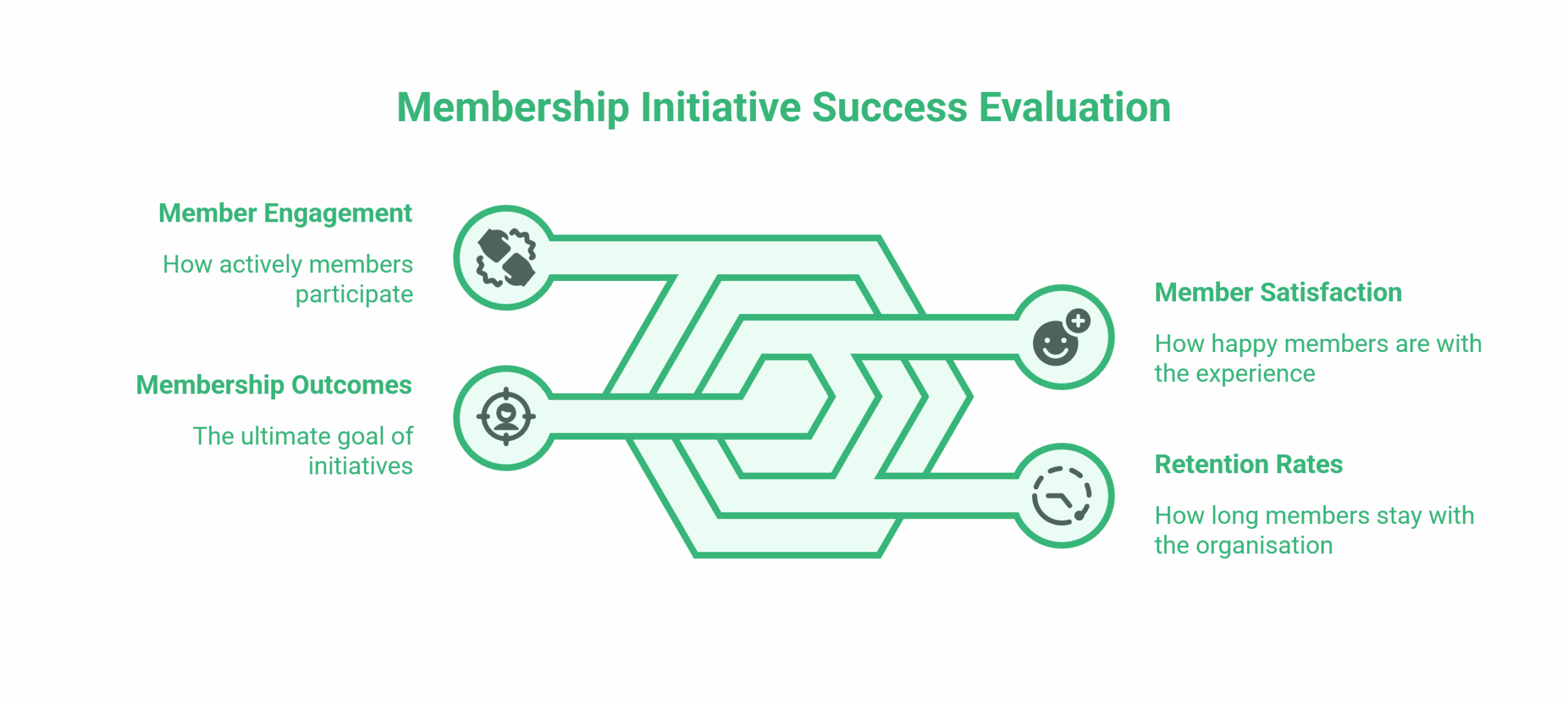
Track metrics that connect to actual membership outcomes.
Key Metrics
Visibility:
- Google Business Profile views
- Map Pack appearances
- Website organic traffic
- Local keyword rankings
Engagement:
- Click-to-call from Google
- Direction requests
- Website session duration
- Trial/tour page visits
Conversion:
- Enquiry form submissions
- Phone calls from the search
- Trial bookings
- Tour bookings
Business outcomes:
- New memberships from organic search
- Cost per acquisition from SEO
- Member retention from different acquisition sources
- Lifetime value by acquisition channel
Google Business Profile Insights
Google provides valuable data:
- How members find you (direct vs discovery)
- Actions they take (calls, directions, website)
- Photo views compared to competitors
- Popular times and visit patterns
Review insights monthly to understand what’s working.
Attribution Challenges
Gym membership decisions often involve multiple touchpoints:
- Initial search
- Website visit
- Review reading
- Asking friends
- Driving past
- Free trial
- Tour
- Finally joining
Precise attribution is impossible, but ask new members how they found you. Track trends even if exact numbers are imprecise.
Common Mistakes Gyms Make
Avoid these frequent errors:
Incomplete Google Business Profile: Basic profile without attributes, photos, or active management. Complete profiles dramatically outperform incomplete ones.
Poor photography: Low-quality, dark, or unflattering photos make facilities look worse than reality. Invest in good photography.
Hidden pricing: Forcing people to enquire for prices frustrates potential members. Most go to competitors who are transparent.
Ignoring reviews: Unanswered reviews—especially negative ones—suggest you don’t care about member experience.
Generic content: Content that could describe any gym provides no competitive advantage. Highlight what makes you unique.
Mobile neglect: Poor mobile experience loses the majority of potential members who search on phones.
No clear next step: Making it difficult to book a tour, claim a trial, or contact you. Clear calls to action are essential.
Inconsistent information: Different hours, addresses, or phone numbers across platforms confuse people and weaken search presence.
Getting Started with Gym SEO
If you’re beginning SEO or reviewing existing efforts:
Immediate priorities:
- Claim and verify the Google Business Profile if not done
- Complete every field and attribute
- Add quality photos—minimum 15 images
- Ensure opening hours are accurate
- Set up and verify all access options (e.g., 24-hour, etc.).
First month:
- Respond to all existing reviews
- Ensure the website has clear membership information
- Verify consistent NAP across platforms
- Implement the review request process
First three months:
- Build citations in fitness and local directories
- Create detailed class and programme pages
- Develop local fitness content
- Invest in professional photography
Ongoing:
- Regular photo updates
- Prompt review responses
- Seasonal content and promotions
- Monitor and respond to competitive changes
FAQs
How long before SEO brings new members?
Google Business Profile improvements can show results within weeks. Website content and broader visibility-building typically take three to six months to achieve meaningful membership impact. The highly local nature of gym searches means improvements often convert faster than less location-dependent industries.
How do we compete with budget gyms on price-focused searches?
You probably can’t win searches where price is the only consideration. Focus on searches where other factors matter—specific facilities, quality, community, expertise, and convenience. People searching purely on price aren’t your ideal members anyway.
How important are Google reviews compared to other platforms?
Google reviews are most important for local search visibility. Facebook reviews and other platforms matter for social proof but don’t directly influence Google rankings. Prioritise Google while maintaining presence elsewhere.
Should we offer free trials or paid trials?
This is a business decision more than an SEO decision, but free trials generate more leads while paid trials may attract more committed prospects. Either works for SEO—the key is having a clear, easy path from search to trial.
Building Long-Term Membership Growth: SEO for Gyms
Gym SEO isn’t complicated, but it requires consistent attention. The fundamentals are clear: complete your Google Business Profile, use high-quality photography, manage active reviews, provide clear website information, and showcase content that demonstrates your unique value.
Gyms executing these basics capture membership enquiries from competitors who don’t. In most local markets, the opportunity isn’t about sophisticated tactics—it’s about simply showing up properly when local people search for fitness options.
The gym’s growing membership isn’t necessarily the fanciest or cheapest. They’re the ones visible when people search, appealing when people look, and easy to join when people decide. Make sure your facility is one of them.
If you’re ready to improve your gym’s search visibility and attract more members through search, ProfileTree’s team works with fitness businesses across Northern Ireland, Ireland, and the UK. We understand both the technical requirements of effective local SEO and the specific challenges gyms face in competitive markets. Get in touch at profiletree.com/contact-us/ to discuss how we can help your facility grow through search.