
Shopify SEO Services: Drive Traffic and Sales Organically
Table of Contents
ProfileTree provides specialist Shopify SEO services, helping store owners overcome the platform’s unique technical constraints while building sustainable organic traffic. Shopify powers over 4 million online stores worldwide, but most struggle to rank because they don’t understand how Shopify’s architecture affects search visibility.
Shopify is brilliant for launching an online store quickly. The platform handles hosting, security, and payment processing so you can focus on selling. But that convenience comes with SEO trade-offs that standard SEO advice doesn’t address. Generic recommendations written for WordPress or custom sites can actually harm your Shopify store’s performance.
Why Shopify Stores Need Specialist SEO
Shopify has specific characteristics that require platform-specific optimisation knowledge.
Shopify’s Built-In SEO Strengths
What Shopify gets right out of the box:
| Feature | SEO Benefit |
| Fast hosting | Shopify’s CDN delivers good page speeds globally |
| SSL included | HTTPS on all stores by default |
| Mobile responsive | Themes designed for mobile-first indexing |
| Clean theme code | Most themes have reasonable HTML structure |
| Auto sitemap | XML sitemap generated automatically |
| Canonical tags | Basic canonical implementation included |
These foundations mean new Shopify stores start with better technical SEO than many platforms. But foundations alone don’t drive rankings.
Shopify’s SEO Limitations
Where Shopify creates challenges:
URL Structure Constraints:
Shopify enforces specific URL patterns that can’t be changed:
Products: /products/product-name
Collections: /collections/collection-name
Pages: /pages/page-name
Blog posts: /blogs/blog-name/post-name
You cannot create clean URLs like /running-shoes/ or /blue-widget/. Every product lives under /products/, every collection under /collections/. This creates longer URLs and limits keyword placement flexibility.
Duplicate Content Issues:
Shopify creates duplicate content problems that require active management:
| Duplicate Source | What Happens |
| Collection URLs | Products appear at both /products/name AND /collections/collection/products/name |
| Product variants | Variant URLs can create near-duplicate pages |
| Tag pages | Collection tags create additional URLs for same products |
| Pagination | Standard pagination without proper handling |
Limited Technical Control:
| Limitation | Impact |
| No server access | Can’t modify .htaccess, server configuration |
| Limited robots.txt | Can only add to default, not fully control |
| Theme code constraints | Some technical changes require app dependencies |
| Structured data | Basic schema, needs enhancement for rich results |
Blogging Limitations:
Shopify’s blog functionality is basic compared to WordPress:
- Limited formatting options
- No built-in SEO plugin
- Basic category (tag) system
- Limited content management features
Why Generic SEO Advice Fails on Shopify
Standard SEO recommendations often don’t apply:
| Generic Advice | Shopify Reality |
| “Optimise your URL structure” | URL structure is fixed by Shopify |
| “Install Yoast SEO” | Not available on Shopify |
| “Edit your .htaccess” | No server access |
| “Create custom redirects” | Limited to URL redirects in admin |
| “Modify robots.txt fully” | Can only append, not replace |
Effective Shopify SEO requires understanding what you can control and maximising those elements.
Our Shopify SEO Services
Comprehensive optimisation for Shopify stores:
Technical SEO for Shopify
Addressing platform-specific technical requirements:
Site Structure Optimisation:
| Element | Our Approach |
| Collection hierarchy | Logical category structure within Shopify’s constraints |
| Navigation optimisation | Menu structure supporting crawlability and user experience |
| Internal linking | Strategic linking between collections, products, and content |
| Breadcrumbs | Proper implementation through theme or app |
Duplicate Content Management:
Shopify creates duplicates that need handling:
- Canonical tag verification and correction
- Collection URL duplicate resolution
- Variant page consolidation
- Tag page management (noindex where appropriate)
- Pagination handling
Structured Data Enhancement:
Shopify’s default schema is basic. We implement:
| Schema Type | Purpose |
| Product | Enhanced product information for rich results |
| Offer | Price, availability, condition details |
| AggregateRating | Review stars in search results |
| BreadcrumbList | Navigation path in SERPs |
| Organization | Brand information |
| FAQPage | FAQ rich results on product and collection pages |
Site Speed Optimisation:
Shopify speed optimisation within platform constraints:
- Theme code optimisation
- App audit (removing unnecessary apps that slow pages)
- Image optimisation and compression
- Lazy loading implementation
- Third-party script management
- Liquid code efficiency
Mobile Optimisation:
- Mobile navigation improvements
- Touch-friendly elements
- Mobile page speed enhancement
- Mobile checkout flow optimisation
Product Page SEO
Optimising individual product pages for search visibility:
Product Page Elements:
| Element | Optimisation Approach |
| Title tag | Product name + key attribute + brand (60 characters) |
| Meta description | Compelling product summary with key features (155 characters) |
| H1 heading | Product title optimisation |
| Product description | Unique, keyword-rich, conversion-focused content |
| Image alt text | Descriptive text for all product images |
| URL handle | Optimised product slug (the part you can control) |
Product Description Strategy:
Most Shopify stores use manufacturer descriptions copied across thousands of retailers. This provides zero SEO advantage.
Our approach:
- Unique descriptions for key products
- Template-based optimisation for product categories
- Feature-benefit content structure
- Natural keyword integration
- Conversion-focused formatting
Product Image SEO:
| Element | Requirement |
| File names | Descriptive before upload (blue-running-shoes.jpg) |
| Alt text | Product + variant + key attribute |
| Image size | Optimised for speed without quality loss |
| Multiple images | More angles = better user signals |
Collection Page Optimisation
Collection (category) pages often have higher ranking potential than individual products:
Collection Page Elements:
| Element | Approach |
| Title tag | Collection name + modifier (e.g., “Women’s Running Shoes |
| Meta description | Collection summary with key terms |
| H1 heading | Clear collection name |
| Collection description | Unique introductory content |
| Collection image | Optimised hero image |
Collection Content Strategy:
Shopify allows collection descriptions above and below product grids:
Above Products:
- Clear H1 heading
- Brief collection introduction (50-100 words)
- Key collection benefits
Below Products:
- Extended collection description (200-500+ words)
- Buying guide content
- Category-specific FAQs
- Related collection links
This content differentiates your collection pages from competitors using the same products.
Subcollection Strategy:
Creating a logical hierarchy within Shopify’s flat collection structure:
Main Collection: Running Shoes
├── Men's Running Shoes (filtered collection or separate)
├── Women's Running Shoes
├── Trail Running Shoes
└── Road Running Shoes
Content Marketing for Shopify
Building traffic through blog content and guides:
Shopify Blog Optimisation:
Working within Shopify’s basic blogging limitations:
| Element | Optimisation |
| Blog post URLs | Optimised handles |
| Title tags | Manual optimisation in SEO settings |
| Meta descriptions | Custom descriptions for each post |
| Heading structure | Proper H1-H6 usage in content |
| Internal linking | Links to products and collections |
| Featured images | Optimised images with alt text |
Content Types That Drive Ecommerce Traffic:
| Content Type | Example | SEO Benefit |
| Buying guides | “How to choose running shoes” | Long-tail traffic, authority |
| Comparison content | “Nike vs Adidas: which is better for…” | Research-stage captures |
| How-to guides | “How to clean suede shoes” | Information searches, brand awareness |
| Best-of lists | “Best running shoes for beginners” | High-intent traffic |
| Seasonal content | “Winter running gear guide” | Seasonal search capture |
Content-Commerce Integration:
Every piece of content should connect to products:
- Product mentions with links
- Collection recommendations
- Shoppable content sections
- Related product widgets
Link Building for Shopify Stores
Building authority for your online store:
Link Building Strategies:
| Approach | Description |
| Product-led PR | New product launches, unique items |
| Content-based outreach | Linking to guides and resources |
| Brand mentions | Getting included in “best of” lists |
| Supplier links | Links from brands you stock |
| Blogger outreach | Product reviews and features |
| Resource link building | Industry resource page inclusions |
Shopify-Specific Opportunities:
- Shopify community features (case studies, success stories)
- Integration partner links
- Industry-specific directories
- Local business listings (if applicable)
Shopify App Integration
Many Shopify SEO improvements require apps:
Recommended App Categories:
| Category | Purpose |
| SEO apps | Enhanced meta tag control, JSON-LD, auditing |
| Speed optimisation | Image compression, code minification |
| Structured data | Schema markup enhancement |
| Redirect management | Bulk redirects, 404 monitoring |
| Internal linking | Related products, cross-selling |
App Selection Criteria:
We evaluate apps based on:
- Actual SEO impact (not marketing claims)
- Page speed impact (many apps slow sites significantly)
- Code quality
- Ongoing maintenance and updates
- Value versus cost
App Audit:
Many Shopify stores have accumulated apps that slow performance and conflict with each other. We audit existing apps and recommend consolidation.
Shopify SEO vs Other Platforms
How Shopify compares for SEO:
Shopify vs WooCommerce
| Factor | Shopify | WooCommerce |
| Ease of use | Easier | More complex |
| SEO control | Limited | Full control |
| URL structure | Fixed patterns | Fully customisable |
| Plugin ecosystem | Apps (paid focus) | Plugins (many free) |
| Technical SEO | Constrained | Unlimited |
| Hosting speed | Excellent | Varies by host |
| Maintenance | Handled by Shopify | Owner responsibility |
Verdict: WooCommerce offers more SEO control, but Shopify’s ease of use and reliability suit many businesses. Good Shopify SEO can compete effectively.
Shopify vs Magento
| Factor | Shopify | Magento |
| Target market | SME | Enterprise |
| SEO capability | Good with limitations | Extensive |
| Complexity | Low | High |
| Cost | Predictable | Higher, variable |
| Customisation | Limited | Unlimited |
Verdict: Magento suits large catalogues and enterprises needing maximum control. Shopify suits most small-to-medium retailers.
When Shopify Is the Right Choice
Shopify works well for:
- Businesses prioritising ease over control
- Stores without technical team resources
- Rapid launch requirements
- Predictable monthly costs preference
- Smaller-to-medium catalogues
- Businesses focused on selling, not website management
When to Consider Alternatives
Consider other platforms when:
- Maximum SEO control is critical
- Complex technical requirements exist
- Large-scale content marketing planned
- Budget for ongoing development is available
- Specific functionality is unavailable on Shopify
Measuring Shopify SEO Success
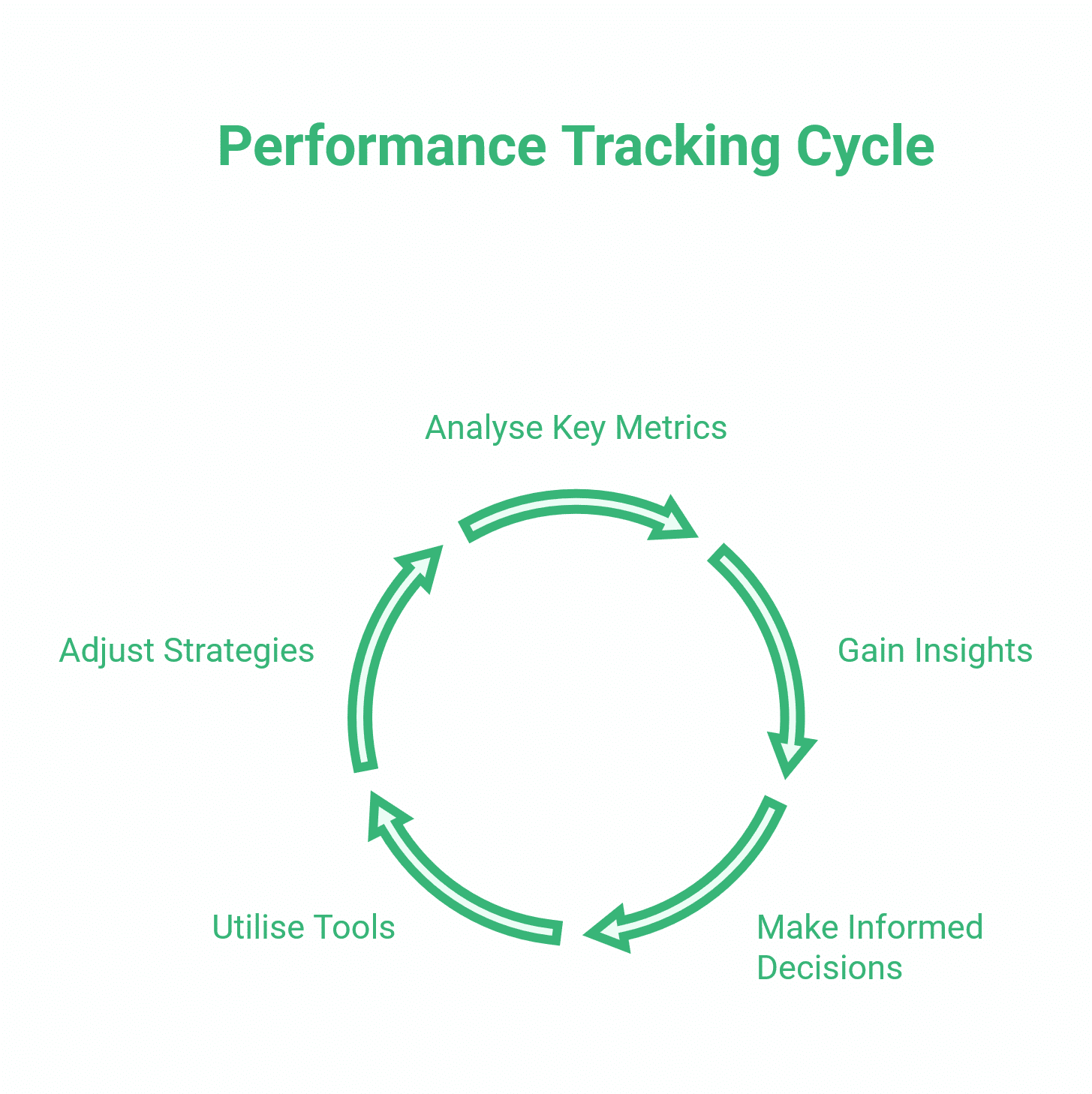
Tracking performance for your store:
Key Metrics
Visibility Metrics:
| Metric | What It Shows |
| Organic rankings | Positions for product and collection terms |
| Organic impressions | Search visibility volume |
| Organic traffic | Visitors from search |
| Indexed pages | Products and collections in Google’s index |
Business Metrics:
| Metric | What It Shows |
| Organic revenue | Sales attributed to organic traffic |
| Organic transactions | Order count from organic search |
| Organic conversion rate | % of organic visitors who purchase |
| Average order value | Order size from organic traffic |
| Revenue per session | Value per organic visit |
Shopify Analytics Integration
Tracking setup for Shopify:
- Google Analytics 4 integration
- Google Search Console verification
- Enhanced e-commerce tracking
- Conversion attribution
- Goal tracking for non-purchase conversions
Reporting
What we track and report:
| Report Element | Frequency |
| Ranking changes | Weekly monitoring |
| Traffic trends | Monthly reporting |
| Revenue attribution | Monthly reporting |
| Technical health | Ongoing monitoring |
| Competitor tracking | Quarterly analysis |
Why Choose ProfileTree for Shopify SEO
What sets our Shopify SEO services apart:
Platform Expertise
Deep understanding of Shopify’s specific requirements:
- Technical limitations and workarounds
- Theme optimisation experience
- App ecosystem knowledge
- Liquid code capability
Full-Service Support
SEO integrated with broader capabilities:
- Shopify website design and development
- Content creation for blogs and guides
- Video production for product videos
- Web design services for custom themes
E-commerce Focus
Understanding online retail beyond just SEO:
- Conversion optimisation
- User experience improvements
- Checkout optimisation
- Product page best practices
Proven Results
Our 5-star rating from over 450 Google reviews demonstrates consistent delivery for e-commerce clients.
UK and Ireland Market Knowledge
Understanding local search behaviour:
- UK consumer preferences
- Ireland market specifics
- Local delivery and service expectations
Conclusion
Shopify provides a solid foundation for online stores, but achieving strong organic search visibility requires understanding the platform’s specific characteristics and limitations. Generic SEO advice often doesn’t apply—Shopify stores need platform-specialist optimisation.
ProfileTree provides Shopify SEO services tailored to the platform, helping store owners across the UK and Ireland build sustainable organic traffic that reduces reliance on paid advertising and drives long-term growth.
FAQs
Can Shopify stores rank well in Google?
Yes, absolutely. Shopify stores can rank competitively despite platform limitations. Many successful stores achieve strong organic visibility. The key is understanding what Shopify allows and maximising those elements rather than fighting the platform’s constraints. Good Shopify SEO compensates for structural limitations through content quality, authority building, and strategic optimisation.
How much do Shopify SEO services cost?
Shopify SEO typically ranges from £1,000-£2,500/month for smaller stores to £2,500-£5,000+/month for larger catalogues or competitive sectors. Investment depends on catalogue size, competition, and current site health. Many stores see ROI within 6-12 months through increased organic traffic and reduced dependence on paid advertising.
How long until we see results?
Initial improvements often appear within 2-4 months, with significant results at 6-12 months. Quick wins, such as technical fixes and low-competition terms, deliver faster results. Competitive product and category terms take longer to move. Consistency matters—SEO is an ongoing investment, not a one-time project.
Do we need SEO apps on Shopify?
Most stores benefit from at least one SEO app to gain greater control over meta tags, structured data, and technical elements. However, too many apps slow down your site and create conflicts. We recommend carefully selected apps that provide genuine value without performance penalties. Quality over quantity.
Should we migrate from Shopify for better SEO?
Rarely. Migration is expensive, risky, and disruptive. For most stores, properly optimising Shopify delivers good results. Consider migration only if you need capabilities Shopify genuinely cannot provide (complex technical requirements, massive catalogues, advanced content management). The grass isn’t always greener—every platform has trade-offs.
What about Shopify Plus for SEO?
Shopify Plus offers additional technical capabilities (checkout customisation, script editor, additional API access), but core SEO constraints remain similar. Plus, it benefits e-commerce operations more than SEO specifically. Standard Shopify can rank well with proper optimisation.
Ready to improve your Shopify store’s search visibility? Contact ProfileTree to discuss how specialist Shopify SEO can drive growth for your business.