
SEO for Tour Operators and Activity Providers: Finding Experiences
Table of Contents
When visitors plan trips, whether tourists exploring a new destination or locals looking for weekend activities, hey search online. “Tours in [destination],” “things to do in [location],” “boat trips [area],” “walking tours”, these searches happen constantly as people look for experiences to fill their time and create memories.
Tourism is intensely competitive online. Visitors have endless options and limited time. The tour operators and activity providers that appear when people search get booked. Those that don’t remain invisible to potential customers actively looking for exactly what they offer.
This guide explores how tour operators and activity providers can build search visibility that attracts bookings, visibility that captures visitors during the planning phase when they’re deciding what to do.
SEO for Tour Operators: How Visitors Search for Tours and Activities
Understanding visitor search behaviour shapes effective strategy.
The Destination Search
Many searches start with destination: “things to do in Belfast,” “tours in Dublin,” “activities in the Lake District.” Visitors know where they’re going and want to know what’s available.
Destination searches capture visitors in planning mode, exactly when you want to reach them.
The Activity Search
Some visitors know what they want to do: “kayaking tours,” “food tours,” “ghost tours,” “whale watching,” “cycling tours.” They search for activity types, often combined with destination.
Activity-specific searches indicate visitors with clear interests.
The Interest Search
Visitors search around interests: “history tours,” “adventure activities,” “family days out,” “romantic experiences.” They know what kind of experience they want, not necessarily the specific activity.
Interest searches capture visitors open to suggestions within their preference area.
The Seasonal Search
Timing matters: “Christmas markets tour,” “autumn walks,” “summer activities,” “Easter events.” Seasonal searches capture visitors planning around specific times.
The Last-Minute Search
Not all searches are planned in advance: “things to do today in [location],” “activities near me,” “tours available tomorrow.” Some visitors are already at the destination and searching for immediate options.
Visibility for immediate searches captures spontaneous bookers.
The Competitive Landscape
Tour and activity searches are competitive. You’re competing against:
- Other local operators offering similar experiences
- Online travel agencies (OTAs) like Viator, GetYourGuide
- Destination websites listing multiple providers
- Aggregators and comparison sites
This competition makes strategic SEO essential. You need visibility both for direct searches and for searches where aggregators dominate.
Working with and Against OTAs
OTAs have SEO power you can’t easily match. But they also have limitations:
- OTA advantages: They rank for broad searches, have marketing budgets, provide booking infrastructure
- Your advantages: Direct relationships, no commission, local expertise, flexibility, unique offerings
Strategy often involves both:
- Listing on OTAs for visibility and bookings
- Building your own SEO for direct bookings
- Creating content and experiences that differentiate you
Your Website: Converting Interest to Bookings
Your website must capture visitors from search and convert them to bookings.
Essential Elements
- Clear experience descriptions: What exactly do visitors get? Duration, inclusions, what to expect, what they’ll see and do.
- Pricing transparency: Visitors comparing options want to know costs. Hidden pricing loses bookings.
- Availability and booking: Can visitors book online? Check availability? Making booking easy increases conversion.
- Photos and videos: Tourism sells on imagery. Show what the experience looks like. Help visitors imagine themselves there.
- Reviews and testimonials: What do previous visitors say? Social proof drives bookings.
- Practical information: Meeting points, what to bring, accessibility, cancellation policies.
Experience Pages
Each tour or activity deserves a dedicated page:
- Descriptive title: Including activity and location for SEO
- Compelling description: What makes this experience special? What will visitors see, do, feel?
- Practical details: Duration, start times, meeting points, group sizes
- Inclusions and exclusions: What’s included in the price? What’s extra?
- Visitor preparation: What to wear, bring, know beforehand
- Booking mechanism: Clear pricing and easy booking
- Photos and video: Visual representation of the experience
- Reviews: What others have said
Location and Destination Content
Create content around the destinations you serve:
“Things to Do in [Destination]” (featuring your offerings among others) “Guide to [Area]” with local knowledge “Best Times to Visit [Location]” “[Destination] for First-Time Visitors”
This content captures destination searches while positioning you as local experts.
Activity Category Content
If you offer multiple related activities, create category content:
“Water Activities in [Area]” “Walking Tours in [Destination]” “Family Activities in [Location]”
Category content captures broader activity searches.
Local SEO for Tours
Many tour searches have local intent. Google Business Profile matters.
Google Business Profile Optimisation
- Categories: Tour Operator, Tour Agency, Tourist Attraction, specific activity categories if available
- Location: Where you’re based or where tours operate from
- Service areas: If you operate across multiple areas
- Hours: When you operate, booking office hours if different
- Photos: Your tours in action, visitors enjoying experiences, landscapes, key attractions
- Posts: Promote specific tours, seasonal offerings, special events
Review Strategy
Reviews significantly impact tour bookings. Visitors want reassurance about experience quality.
Encourage reviews after every tour:
- Ask guides to mention reviews at tour end
- Send follow-up emails with review links
- Make leaving reviews easy
Respond to all reviews, thank positive reviewers, address concerns constructively.
Content Marketing for Tourism
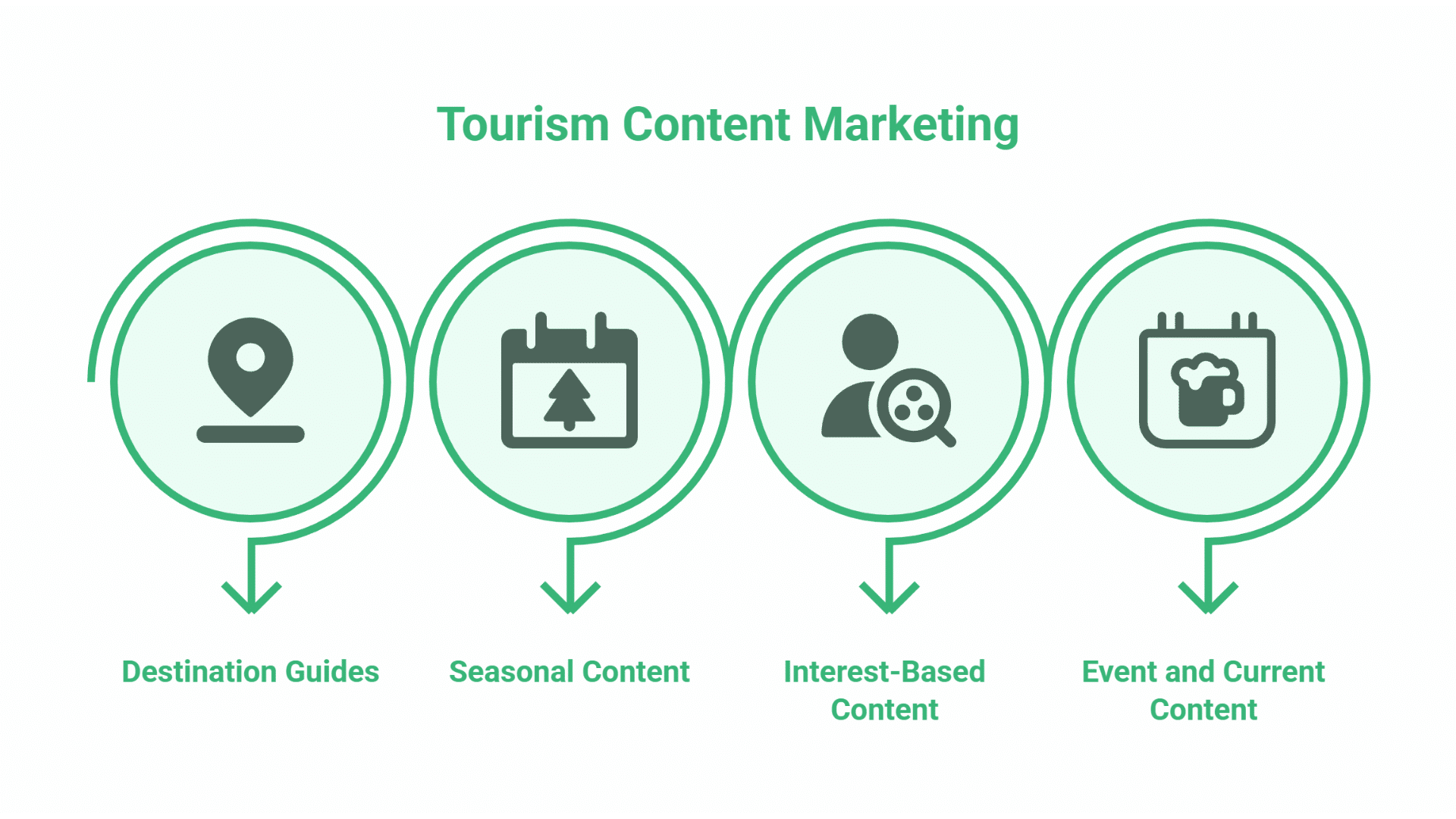
Tourism lends itself to rich content marketing.
Destination Guides
Comprehensive guides attract search traffic:
“Complete Guide to [Destination]” “[Number] Days in [Location]: Sample Itineraries” “Best of [Area]: What Not to Miss” “Local’s Guide to [Destination]”
These guides attract planning visitors and position you as local experts.
Seasonal Content
Align content with seasons:
“Summer in [Destination]: What to Do” “[Location] at Christmas” “Autumn Colours in [Area]” “Spring Activities in [Destination]”
Seasonal content captures visitors planning trips around specific times.
Interest-Based Content
Content around visitor interests:
“[Destination] for History Lovers” “Adventure Activities in [Area]” “Family-Friendly [Location]” “Foodie’s Guide to [Destination]”
Interest content attracts visitors with specific preferences.
Event and Current Content
Content around events and happenings:
“What’s On in [Destination]” “Upcoming Events in [Area]” “[Festival/Event] Guide”
Event content captures visitors planning around specific occasions.
Visual Content Strategy
Tourism is visual. Your imagery matters enormously.
Photography
Invest in quality photography:
- Professional shots of tours in action
- Visitors enjoying experiences (with permission)
- Landscapes and attractions visited
- Different conditions (weather, seasons)
- Diverse visitor types
Update imagery regularly, fresh photos keep content current.
Video Content
Video is powerful for tourism:
- Tour previews showing what to expect
- Drone footage of landscapes
- Guest testimonials
- Behind-the-scenes glimpses
- Guide introductions
Video content can rank in YouTube searches (a significant search engine) and engage visitors on your site.
Our guide at profiletree.com/video-storytelling/ covers video content strategy.
User-Generated Content
Encourage visitors to share their experiences:
- Social media hashtags
- Photo competitions
- Review photos
- Sharing incentives
User-generated content provides authentic imagery and expands your reach.
Competing with OTAs
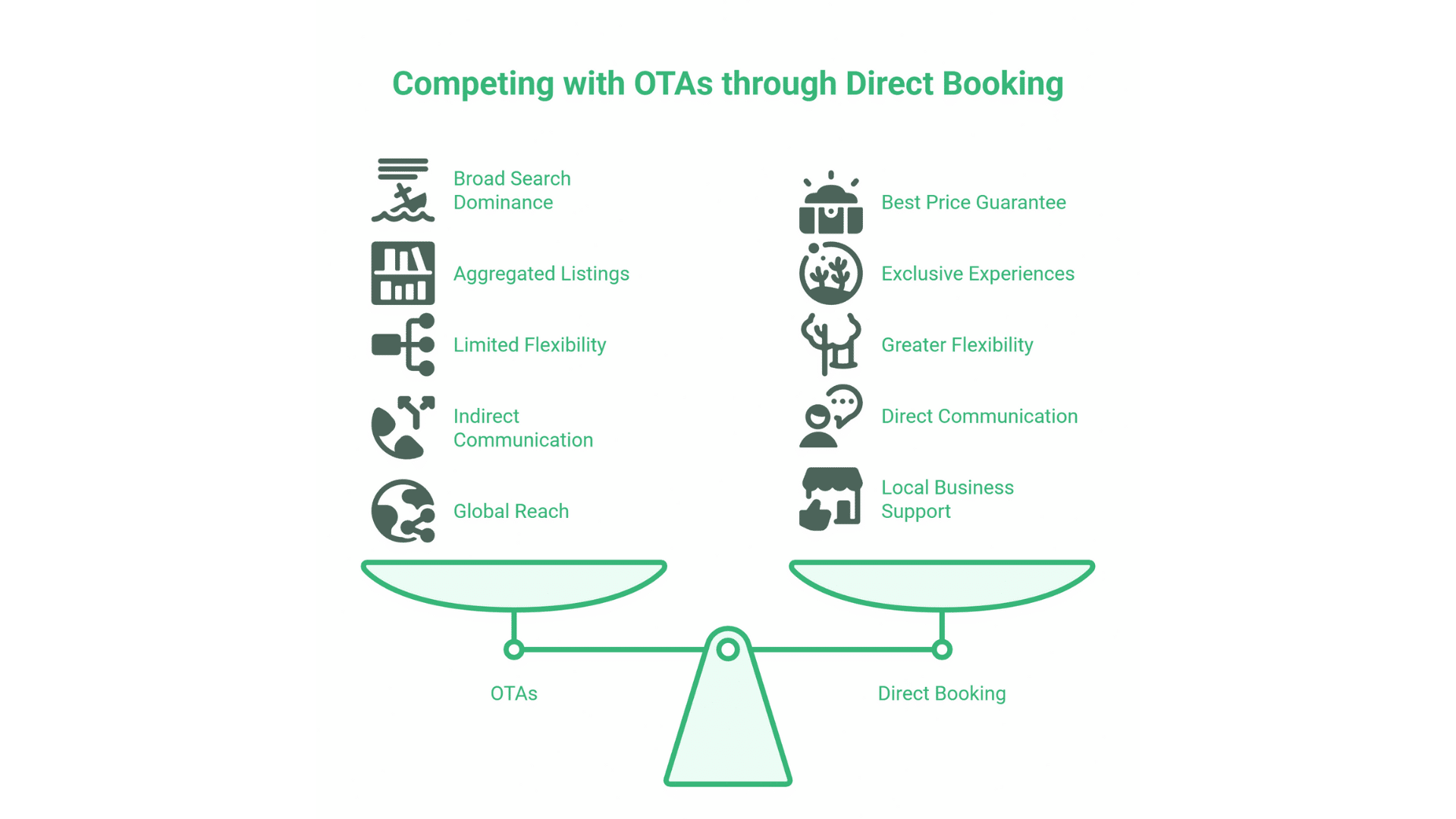
Online travel agencies dominate many tour searches. How do you compete?
Direct Booking Benefits
Give visitors reasons to book direct:
- Best price guarantee
- Exclusive experiences not on OTAs
- Greater flexibility
- Direct communication with operators
- Supporting local business
Communicate these benefits clearly.
Unique Content
Create content OTAs can’t match:
- Deep local knowledge
- Insider tips and stories
- Personal guide perspectives
- Behind-the-scenes content
OTAs aggregate listings; you can create genuinely unique content.
Long-Tail Opportunities
While OTAs dominate broad searches, specific searches offer opportunity:
- “[Very specific activity] in [location]”
- “[Unusual interest] tour [destination]”
- Local knowledge questions
Specific, detailed content captures searches OTAs don’t serve well.
Building Direct Relationships
Once visitors find you, build relationship:
- Email capture and marketing
- Social media following
- Repeat visitor programmes
- Referral encouragement
Direct relationships reduce dependency on search and OTAs over time.
Practical Considerations
Booking Integration
Smooth booking matters:
- Online booking capability
- Real-time availability
- Mobile-friendly booking
- Multiple payment options
- Instant confirmation
Friction in booking loses customers to competitors with smoother processes.
Mobile Experience
Many visitors search on mobile, especially last-minute and in-destination searches:
- Fast mobile loading
- Easy mobile navigation
- Click-to-call
- Mobile booking capability
- Maps integration
Mobile experience directly affects bookings from on-the-go visitors.
Multi-Language Considerations
If you serve international visitors, consider:
- Key pages in main visitor languages
- Hreflang implementation for language targeting
- Cultural adaptation beyond translation
International visibility may require language-specific content.
Measuring Success
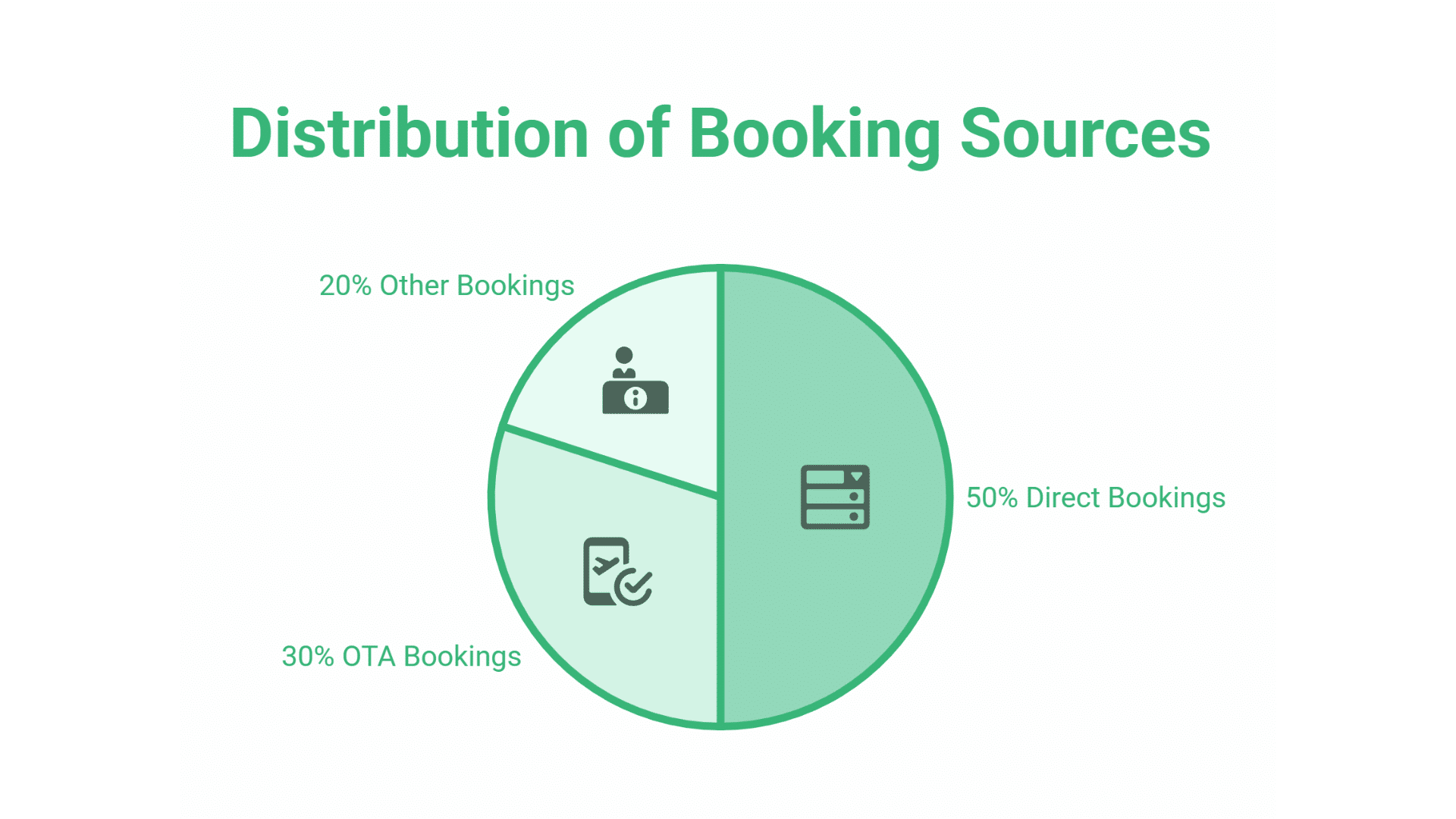
Track metrics connecting to bookings:
- Visibility: Rankings for key destination and activity searches
- Traffic: Organic visitors, especially to experience pages
- Engagement: Time on site, pages viewed, booking page visits
- Bookings: Direct bookings from organic search
- Revenue: Value of search-acquired bookings
- Source mix: Direct vs OTA vs other channels
Understanding your source mix helps optimise strategy.
Getting Started
If you’re beginning to address search visibility:
- First: Claim and optimise your Google Business Profile with quality photos and complete information.
- Second: Ensure every experience has a dedicated, well-optimised page.
- Third: Create destination content positioning you as local experts.
- Fourth: Implement systematic review collection from every tour.
- Fifth: Develop seasonal and interest-based content.
These foundations build visibility that generates bookings over time.
Connecting with Visitors Planning Experiences
The visitors searching for tours and activities today are planning to create memories. They’re looking for experiences worth their time and money, experiences that will become highlights of their trips.
When your online presence showcases what makes your experiences special, when you’re visible when visitors search, when you make it easy to learn and book, you connect with visitors who’ll become advocates for your business.
If you’re ready to improve your tour operator’s search visibility and attract more bookings, ProfileTree’s team has extensive experience with tourism businesses across Northern Ireland, Ireland, and the UK. We deliver AI training for Tourism Ireland and Tourism NI, and understand both the technical requirements of effective SEO and the specific dynamics of tourism marketing. Get in touch to discuss how we can help your business grow through search.