
SEO for Music Teachers and Schools: How Students Find Lessons
Table of Contents
When someone decides to learn an instrument, or when parents seek lessons for their children, they search online. “Piano lessons near me,” “guitar teacher [town],” “music school [location]”, these searches happen constantly as aspiring musicians look for someone to guide their musical journey.
Music education is deeply personal. Students and parents are looking for more than just technical instruction, they want teachers who inspire, who match their learning style, who make music enjoyable. The teachers visible during this search process get enquiries. Those invisible to search miss students who would have loved learning from them.
This guide explores how music teachers and schools can build search visibility that attracts the right students, people genuinely motivated to learn who will appreciate your teaching approach.
SEO for Music Teachers: How People Search for Music Lessons
Understanding search behaviour helps you connect with potential students.
The Instrument Search
Most searches specify the instrument: “piano lessons [location],” “guitar teacher near me,” “violin tuition [town],” “drum lessons.” Searchers know what they want to learn and look for teachers of that instrument.
Instrument-specific searches are high-intent, people ready to start learning.
The Age-Based Search
Parents often search with age in mind: “piano lessons for children,” “guitar lessons for beginners,” “adult piano lessons,” “music lessons for toddlers.” They want confirmation you teach their age group.
Age-related searches indicate people at specific life stages wanting appropriate instruction.
The Level Search
Some search by proficiency: “beginner guitar lessons,” “advanced piano teacher,” “grade 5 violin preparation,” “music theory tuition.” They know their level and want appropriate teaching.
Level searches help match students with teachers suited to their stage.
The Style Search
Some search by musical style: “jazz piano lessons,” “classical guitar teacher,” “rock drum lessons,” “folk music tuition.” They want instruction in specific genres.
Style searches attract students with particular musical interests.
The Exam Search
Music exams drive specific searches: “ABRSM preparation,” “grade exam lessons,” “music theory tutor,” “Trinity exam teacher.” Students preparing for exams search for qualified guidance.
Exam-related searches indicate serious students willing to invest in quality instruction.
Local Search: Where Music Students Start
Music lessons are inherently local. Students need teachers they can reach easily, whether travelling to lessons or having teachers visit their homes. This creates clear opportunity for teachers who build local visibility.
Google Business Profile for Music Teachers
Your Google Business Profile establishes local presence.
- Categories: Music School, Music Instructor, Piano Instructor, or specific instrument categories if available
- Service areas: Where you teach, your studio location and/or areas you travel to for home visits
- Services: List instruments you teach, lesson types (individual, group), age groups, exam preparation
- Photos: You at the piano or with your instrument, your teaching space, students in lessons (with permission), certificates and qualifications
- Description: Your teaching approach, instruments offered, experience, what makes your teaching special
For Music Schools
Schools with multiple teachers benefit from:
- Comprehensive service listing
- Teacher profiles highlighting different specialisms
- Photos of facilities
- Student success stories
Review Collection
Reviews from students and parents carry significant weight. Music teaching is personal, prospective students want to know about others’ experiences.
Encourage reviews from:
- Students who pass exams
- Parents whose children are thriving
- Adult learners making progress
- Long-term students who love their lessons
Testimonials about patience, encouragement, and progress matter as much as technical teaching quality.
Your Website: From Search to First Lesson
Your website should help potential students understand what you offer and take the step of enquiring.
Essential Information
Students and parents want to know:
- What you teach: Instruments, styles, levels, age groups
- Your approach: Teaching philosophy, methods used, how lessons work
- About you: Background, qualifications, performing experience, why you teach
- Practicalities: Lesson length, frequency, location options (studio, home visits, online)
- Pricing: Lesson costs, payment terms, trial lesson availability
- How to start: Enquiry process, trial lessons, booking
Instrument Pages
If you teach multiple instruments, create dedicated pages:
- Piano lessons: Your approach to piano, what students learn, who it’s for
- Guitar lessons: Acoustic, electric, classical options, styles taught
- Violin lessons: Approach, repertoire, exam preparation
Each page should convey your expertise with that specific instrument.
Student Type Pages
Consider pages addressing different students:
- Children’s lessons: Approach to teaching young learners, engagement techniques, parent involvement
- Adult beginners: Addressing adult learner concerns, flexible approaches, realistic expectations
- Advanced students: Exam preparation, performance coaching, technique refinement
- Returning players: Helping those who learned before and want to restart
Different students have different concerns, address them specifically.
Location Pages
If you serve multiple areas, location pages capture geographic searches:
“Piano Lessons in [Town]” “Guitar Teacher [Area]” “Music Lessons [Location]”
Location pages help you appear for area-specific searches.
Content That Attracts Students
Beyond service pages, helpful content attracts students during their research.
Getting Started Content
Help people beginning their musical journey:
“How to Choose a Music Teacher” “What Age Should Children Start Piano Lessons?” “Learning Guitar as an Adult: What to Expect” “Preparing for Your First Music Lesson” “How Long Does It Take to Learn [Instrument]?”
This content captures research-phase searches while demonstrating your helpfulness.
Progress and Practice Content
Help current and prospective students understand learning:
How to Practice Effectively” “Keeping Children Motivated with Music” “Overcoming Plateaus in Music Learning” “Building a Practice Routine That Works
Practice content demonstrates teaching expertise and attracts engaged learners.
Exam Preparation Content
If you prepare students for exams:
“Guide to ABRSM Exams” “Preparing for Your First Music Exam” “Music Theory: Why It Matters and How to Learn” “Performance Anxiety: Strategies for Exam Day”
Exam content attracts serious students seeking qualified guidance.
Instrument-Specific Content
Content about specific instruments:
“Best Age to Start Piano” “Electric vs Acoustic Guitar for Beginners” “What You Need Before Starting Violin Lessons” “Choosing Your First Keyboard”
Instrument content captures searchers considering specific instruments.
Building Trust and Credibility
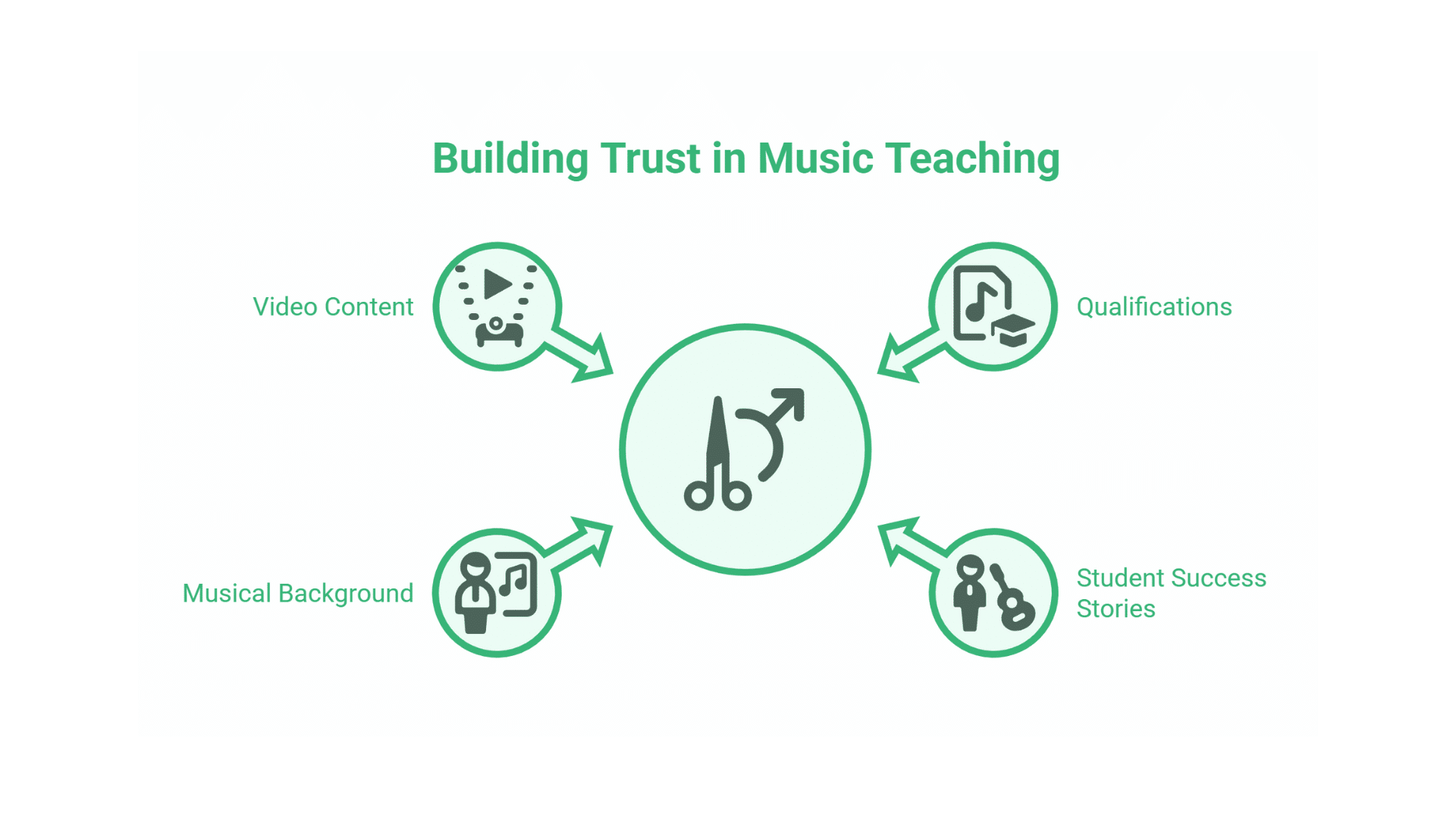
Music teaching requires trust. Students (or their parents) are investing time, money, and hope in musical development. Your online presence must build confidence.
Demonstrating Qualifications
Display your credentials:
- Music degrees and diplomas
- Teaching qualifications
- ABRSM, Trinity, or other examining body affiliations
- Performing experience
- Years of teaching experience
- Professional memberships
Qualifications matter to serious students and parents.
Student Success Stories
Show what students achieve:
- Exam results and pass rates
- Performance achievements
- Long-term student journeys
- Testimonials about progress and enjoyment
Success stories demonstrate that your teaching works.
Your Musical Background
Share your own musical journey:
- Your performance experience
- Your musical education
- Why you became a teacher
- Your continuing musical activities
Your authenticity as a musician reassures students they’re learning from someone who lives music.
Video Content
Music lends itself to video:
- Introduction to your teaching style
- Sample lesson snippets (with permission)
- Your own performances
- Student performances (with permission)
- Tips and mini-lessons
Video lets potential students experience your personality and approach before meeting you.
Competing Effectively
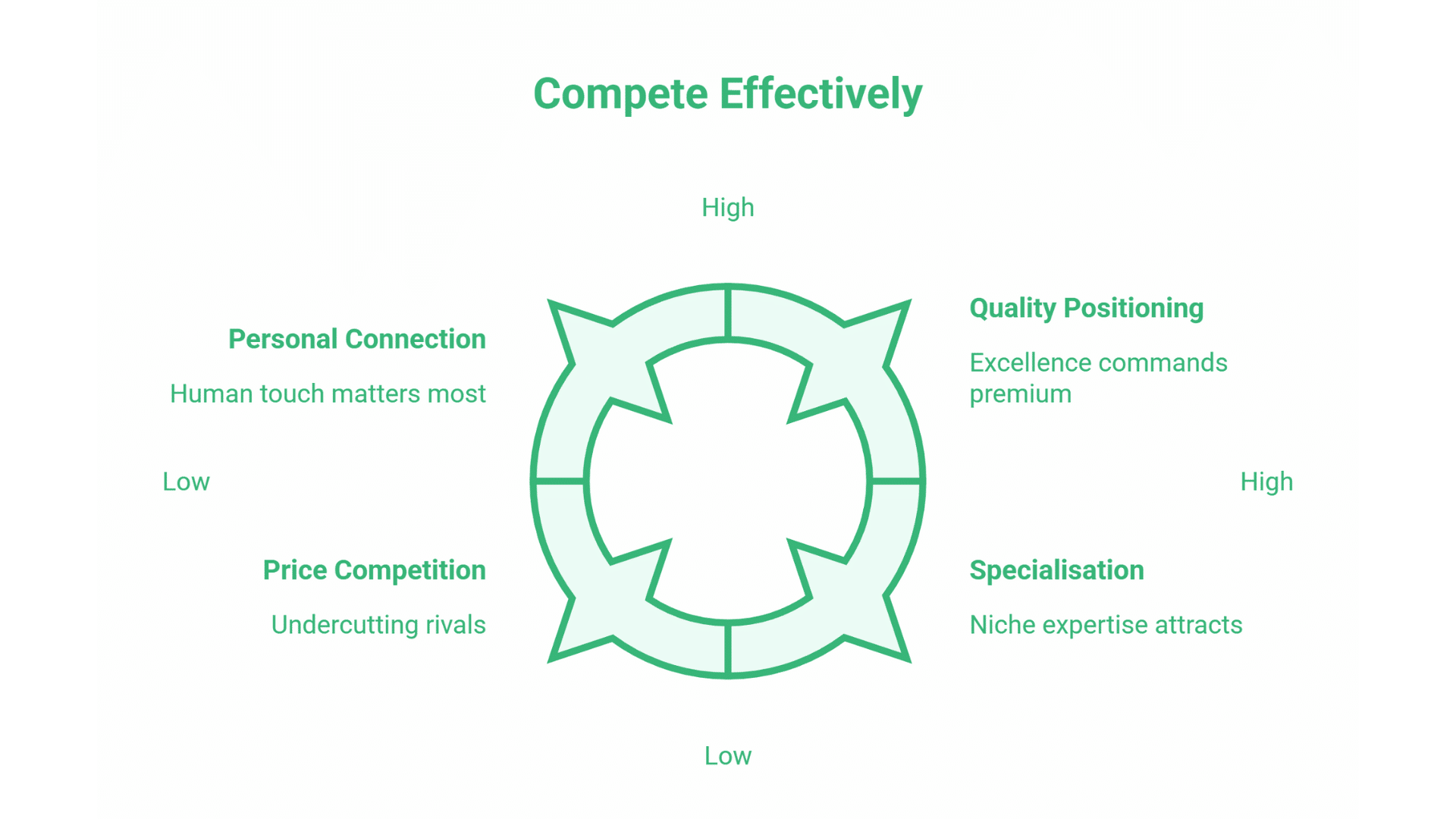
The music teaching market includes private teachers, music schools, online platforms, and apps. How do you compete?
Personal Connection
Emphasise what apps and videos can’t provide:
- Individual attention and feedback
- Personalised learning paths
- Motivation and accountability
- Human connection and inspiration
- Real-time correction and guidance
The teacher-student relationship remains irreplaceable.
Flexibility and Personalisation
Compete on individual attention:
- Lessons tailored to student interests
- Flexible pacing
- Repertoire choices students enjoy
- Adaptation to learning styles
Personalisation differentiates you from one-size-fits-all approaches.
Quality Positioning
If you’re not the cheapest, position on quality:
- Higher qualifications
- Better exam results
- More experience
- Deeper musical knowledge
- More inspiring teaching
Quality-focused students and parents seek quality teachers.
Specialisation
Consider specialising:
- Specific instruments
- Particular age groups
- Specific styles (jazz, classical, contemporary)
- Exam preparation focus
- Performance coaching
Specialists can charge premium prices and attract well-matched students.
Practical Considerations
Trial Lessons
Many students want to try before committing:
- Offer trial or introductory lessons
- Explain what trial lessons involve
- Make booking trials easy
- Use trials to demonstrate your teaching
Trial lessons reduce commitment anxiety and let your teaching speak for itself.
Online Lessons
Post-pandemic, online lessons are more accepted:
- Indicate if you offer online options
- Explain how online lessons work
- Who online lessons suit
- Technology requirements
Online options expand your geographic reach and provide flexibility.
Scheduling Information
Communicate availability:
- General availability patterns
- How to book lessons
- Cancellation and rescheduling policies
- Term times vs continuous teaching
Clear scheduling information helps students assess practical fit.
Measuring Success
Track metrics that matter:
- Visibility: Are you appearing for relevant local instrument searches?
- Website traffic: Is organic traffic growing? Which instrument pages attract interest?
- Enquiries: Are enquiries increasing?
- Trial conversions: Are trials converting to ongoing students?
- Student retention: Are search-acquired students staying long-term?
The ultimate measure is a teaching schedule full of engaged students.
Getting Started
If you’re beginning to address search visibility:
- First: Claim and optimise your Google Business Profile, instruments taught, location, photos.
- Second: Ensure your website clearly explains what you teach and your approach.
- Third: Create pages for each instrument you teach.
- Fourth: Gather testimonials and reviews from satisfied students and parents.
- Fifth: Develop helpful content answering common questions about learning music.
These foundations build visibility that attracts students over time.
Connecting with Students Ready to Learn
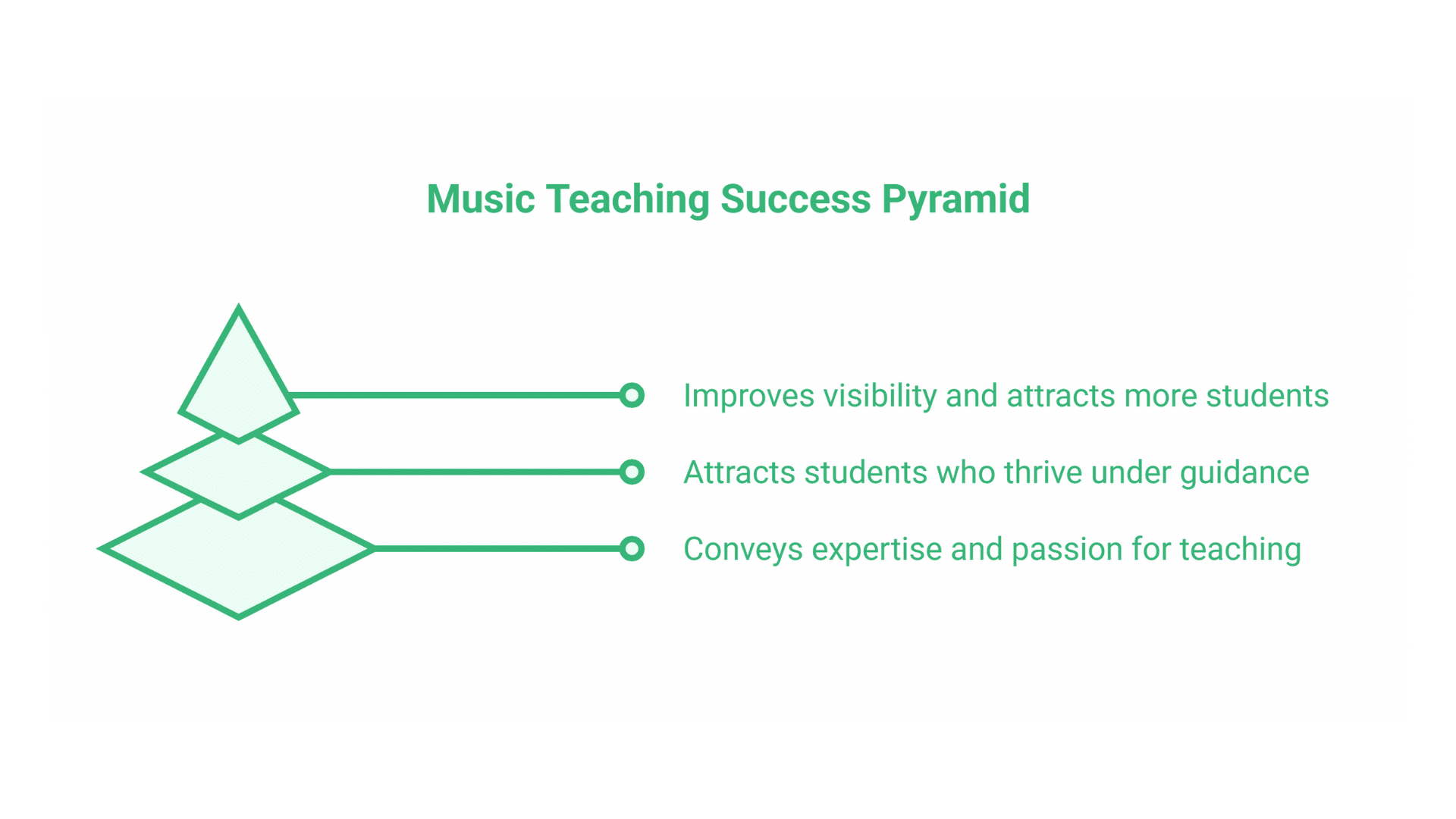
The people searching for music lessons today are about to begin,or continue, a journey that could bring lifelong joy. They’re looking for teachers who can guide them, inspire them, and help them achieve something meaningful.
When your online presence conveys your expertise, your passion for teaching, and your genuine care for student progress, you attract students who’ll thrive under your guidance.
If you’re ready to improve your music teaching business’s search visibility and attract more students, ProfileTree’s team works with education and creative businesses across Northern Ireland, Ireland, and the UK. We understand both the technical requirements of effective SEO and the personal nature of music education. Get in touch to discuss how we can help your teaching practice grow.