The Challenge Furniture Retailers Face Online
Selling furniture online is harder than it looks. Customers are spending significantly more than they would on a typical ecommerce purchase, which means the trust bar is higher and the research phase is longer. The businesses we work with in this space face a version of the same problem repeatedly: the product is genuinely good, but the digital presence either undersells it or fails to reach the right buyer at the right moment.
Furniture retailers operating without a coherent digital strategy tend to rely on paid ads to drive traffic to websites that are not built to convert. The result is money spent attracting visitors who leave without buying. In most cases, the fix is not more ad spend; it is a better-structured website backed by consistent SEO and content that builds trust before the visitor is ready to purchase.
The businesses we take on in this sector typically arrive with the product side of the equation solved. Strong craftsmanship, a clear range, and an appetite for growth are already there. What they need is the digital infrastructure to match.
What Online Furniture Retailers Typically Need
Most furniture ecommerce projects ProfileTree takes on share a common starting point: the business has a product worth selling, but the digital components are either absent or misaligned. Branding may be underdeveloped, the website may not be built for search or conversion, and marketing channels may be running independently rather than as part of a joined-up strategy.
The scope of a typical engagement covers four areas:
- brand identity,
- furniture ecommerce website design,
- SEO and content strategy, and
- social media.
Each element is developed with the others in mind, creating a digital presence that works as a system rather than a collection of disconnected parts.

Our Approach: Furniture Ecommerce Website Design
Building a digital presence for a furniture retailer requires decisions at every level, from visual identity through to site architecture and content planning. The following outlines how ProfileTree approaches each component.
Brand Identity and Visual Direction
Before a single page is designed, we work through the visual identity. The design language (typography, colour palette, imagery style) carries through the entire site and becomes the visual anchor for all subsequent content and marketing. For furniture retailers, this matters more than in most sectors because the product is inherently visual and buyers are making aesthetic judgements from the moment they land.
Ecommerce Website Design and Development
The website is built around the user journey that furniture buyers actually take: product discovery, detailed inspection, trust verification, and purchase. Each stage needs to be supported by deliberate design decisions rather than left to chance.
Product pages carry multiple high-quality images per item, clear specifications, and calls to action placed where buyers naturally pause to make a decision. Navigation is structured around product categories, making it straightforward for a visitor to move between ranges without friction. Page load times and mobile performance are treated as baseline requirements, not optional upgrades.
A blog or editorial section is included from the outset on most projects, giving the retailer a platform to build content authority around furniture care, interior styling, and buying guides. This type of content does two things: it brings in organic search traffic from buyers in the research phase, and it signals expertise to visitors who arrive directly.
SEO and Content Strategy
SEO for a furniture ecommerce website operates at the category page and product page level, as well as at the blog level for broader informational queries. We structure sites so that category pages can rank for commercial terms while blog content captures earlier-stage research queries and feeds traffic toward product discovery.
As Ciaran Connolly, founder of ProfileTree, explains: “Furniture buyers do their research before they spend. If your website is only visible to people who already know your brand, you are missing the majority of your potential customer base. Content and SEO close that gap.”
Social Media Strategy
Visual storytelling is central to selling furniture online. Buyers want to see the product in context, styled in a real space, before they are prepared to commit. We develop social content plans that use platforms like Instagram and Pinterest to showcase styling ideas, highlight individual products, and build a consistent visual brand narrative.
The social strategy is planned alongside the website, not after it, so that content created for the site can be repurposed across channels and vice versa. This reduces production overhead while maintaining consistency across platforms.
Results Furniture Retailers Can Expect
A furniture ecommerce project delivered across brand, website, SEO, and social gives retailers a platform to build from rather than a site to simply maintain. The foundations established during the build phase (site architecture, content structure, category page optimisation) continue to generate returns long after launch.
Organic search visibility builds steadily in the months following launch as search engines index and evaluate the site. Social channels begin generating brand recognition that supports conversion across all other traffic sources. The compounding effect of these channels working together is what separates retailers who grow consistently from those who remain dependent on paid traffic.
How ProfileTree Approaches Furniture Ecommerce Website Design
Every furniture ecommerce website project we take on follows a sequence that starts with commercial intent, not aesthetics. The website has to work before it can look good, and working means converting visitors into buyers across every device and connection speed.
For furniture retailers specifically, that means: product pages built around the research questions buyers actually have, category structures that are logical rather than inherited from a stock theme, and content that establishes credibility before the visitor reaches a product page.
From there, SEO provides the long-term traffic engine, while social provides the discovery and brand-building layer that paid ads cannot replicate over time. Getting these three elements working together from the start is worth considerably more than building them separately and connecting them later.
If you are building or repositioning a furniture retail brand online, our website design and ecommerce services for retail businesses cover the full scope from strategy through to launch and ongoing growth.
FAQs About Furniture Ecommerce Website Design
What makes furniture ecommerce website design different from standard ecommerce?
Furniture is a high-consideration purchase. Buyers research for longer, compare more options, and need greater reassurance before they commit. A furniture ecommerce website has to work harder on trust signals (product photography, specifications, reviews, and content) than a site selling lower-cost items where the decision is faster.
How important is mobile performance for a furniture ecommerce website?
Critically important. The majority of initial product discovery now happens on mobile, even when the final purchase is completed on desktop. If the mobile experience is slow or poorly structured, buyers leave before they reach the product page. We treat mobile performance as a baseline requirement on every project.
How long does it take to see SEO results for a furniture ecommerce website?
Most furniture ecommerce websites start seeing meaningful organic movement within four to six months, provided the site architecture, on-page SEO, and content are in good order from the start. Category pages tend to move first, followed by blog content targeting informational queries. Sites that have existing traffic and authority can move faster.
Does social media actually drive furniture sales, or is it just brand awareness?
Both, and the distinction matters less than it used to. Social platforms, particularly Instagram and Pinterest, are now part of the research phase for many furniture buyers. A well-run social presence builds brand recognition that makes paid search and direct traffic convert at higher rates. It is rarely the last click before a purchase, but it contributes to the decision.
Can ProfileTree handle both the ecommerce website and the ongoing digital marketing?
Yes. We work with clients across the full scope, from initial site build through to ongoing SEO, content, and social strategy. For most SMEs, having one agency manage the joined-up strategy is more effective than separate specialists working without visibility of each other’s work.
More Projects
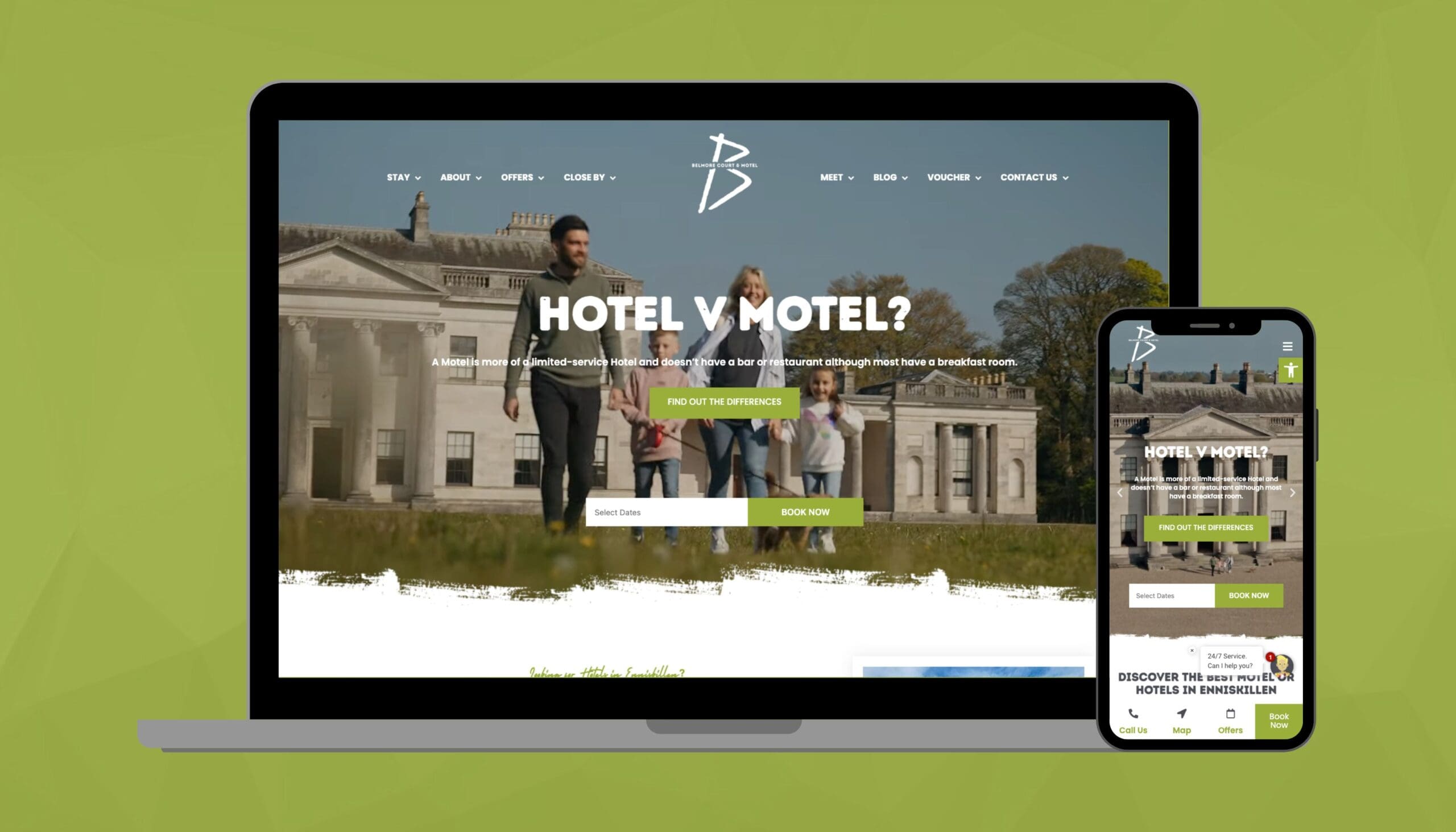
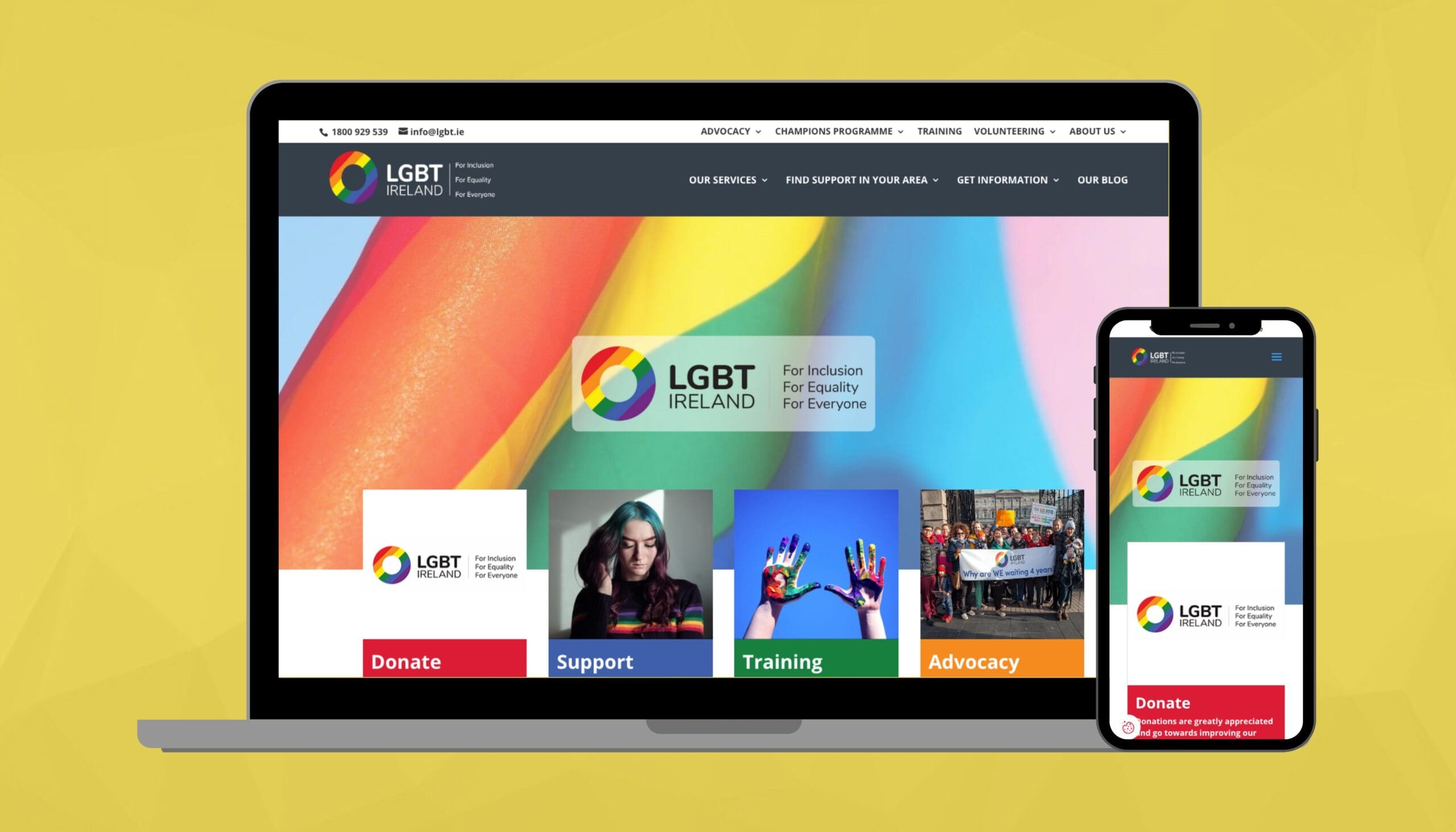
If you would like to see more about our previous case studies, check out the following articles: Community Charity Marketing Project | Consultant Web Design Project | Website Design for Membership Platform | Tourism Marketing for Crumlin Road Gaol | App Design for Gig Crafter.
Follow us on our socials for the latest news and articles: Facebook | Instagram | LinkedIn